Attractions and Places To See around Tamel (São Pedro Fins) - Top 20
Attractions and places to see around Tamel (São Pedro Fins) include historical sites, medieval bridges, and cultural landmarks. This region offers opportunities for exploring ancient architecture and riverine landscapes. The area is characterized by its historical significance and natural settings along rivers like the Cávado and Neiva. It features a blend of cultural heritage and scenic views.
Best attractions and places to see around Tamel (São Pedro Fins)
- The most popular attractions is Barcelos Rooster statue, a man-made monument…
Last updated: July 16, 2026
Barcelos Medieval Bridge
Highlight • Viewpoint
Translated by Google •
Tip by

Barcelos city centre
Highlight • Settlement
Translated by Google •
Tip by

Sign up now to discover places like this
Get recommendations on the best single tracks, peaks, & plenty of other exciting outdoor places.
Sign up for free
Barcelos Rooster statue
Highlight • Monument
Translated by Google •
Tip by

Main Church of Santa Maria de Barcelos
Highlight • Religious Site
Translated by Google •
Tip by

Santa Cruz Chapel
Highlight • Religious Site
Translated by Google •
Tip by

Sign up for free to discover even more attractions around Tamel (São Pedro Fins).
Sign up for free
Already have an account?
Start today with a free account
Your next adventure awaits.
Login or Signup


Tips from the Community

The church is open for visitation and prayer most days, with specific times for Masses. Opening Hours: Monday to Sunday: 10:00–12:00 and 15:00–19:30. Mass Times (subject to change, please check the official website): Tuesday: 7:00 PM. Thursday: 7:00 PM. Saturday: 5:30 PM. Sunday: 11:00 AM.
1
0
The church was built in the 14th century in a transitional style between Romanesque and Gothic, on the foundations of an earlier 11th-century church. Main Features: Style: Transitional Gothic and Romanesque, with Renaissance and Baroque additions throughout the centuries. Interior: It has three naves, notably featuring 14 blue and white tile panels that cover much of the walls, dating from the 17th and 18th centuries. Notable Elements: The chancel vault is a Manueline work (early 16th century), and the main façade features a Neo-Gothic rose window, the result of a 20th-century restoration. Heritage: The church houses notable altarpieces and funerary monuments of important families, such as the Pinheiro family. The Parish Church of Santa Maria de Barcelos is a point of historical and architectural interest for tourists and pilgrims traveling the Camino de Santiago.
1
0
The Parish Church of Santa Maria de Barcelos, also known as the Collegiate Church, is the main religious temple in the city of Barcelos and a National Monument of Portugal.
1
0

The local community has dedicated this church not to one of the (almost infinite) saints, but to "Santa Cruz" for its patronage. Perhaps a brief stop for hikers or walkers is the appropriate time for a short meditation and a prayer to God. I would therefore like to invite you to prayerfully contemplate God's infinite love for us humans, revealed in Christ nailed to the wood of the cross. Perhaps a quote from the Spanish order's founder, Ignatius of Loyola (1491 to 1556), can help: + "Trust in God rises highest, where human hopes sink lowest. For where all human help gives way, there it makes way for divine help."
0
0

The Barcelos Bridge is more than just an entrance to the city. It's a gateway to its legends, like that of the rooster. Over the Cávado River, this Gothic stone bridge, commissioned by Count Pedro between 1325 and 1330, connects Barcelos to Barcelinhos and has been classified as a National Monument since 1910. And if the heat gets too much, right next door awaits a river beach perfect for a refreshing dip.
3
0

Beautiful view from the ruins of the castle
9
2
Nice city from 1140 with approximately 120,000 inhabitants. The symbol of the rooster from the legend of the man wrongly sentenced to the gallows is not a symbol of the city but also a symbol of Portugal.
9
1
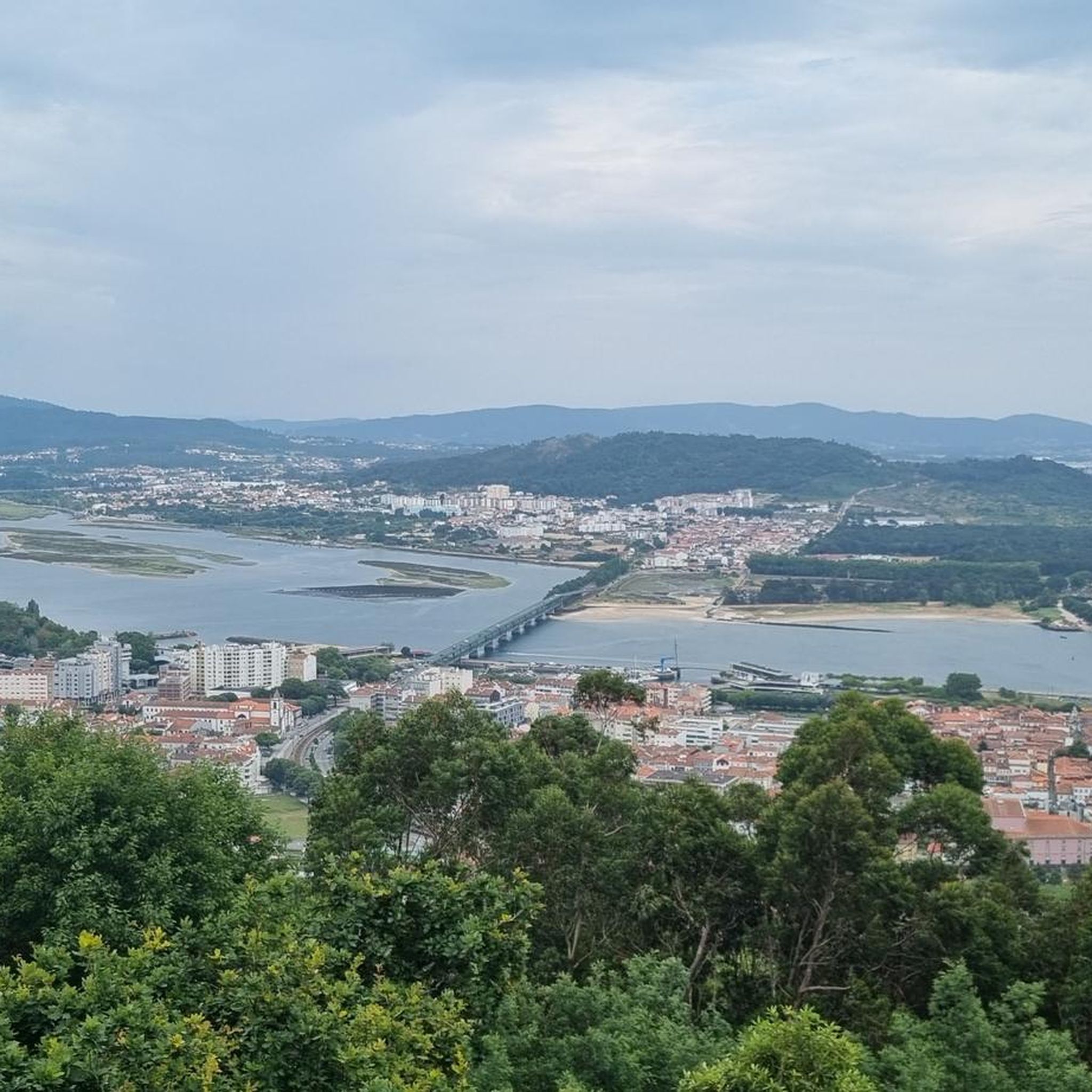
The view from the castle ruins is beautiful of the surrounding hills, river and buildings
10
2
Frequently Asked Questions
Are there family-friendly attractions around Tamel (São Pedro Fins)?
Yes, several attractions are suitable for families. The Barcelos Medieval Bridge offers a historical setting with river views, and its nearby river beach is perfect for a refreshing dip. The Barcelos city centre is also family-friendly, known for its handcrafted pottery and the iconic Rooster symbol. Additionally, the Main Church of Santa Maria de Barcelos is a historical site that can be explored with children.
What historical sites can I visit in the region?
The area is rich in history. You can explore the Barcelos Medieval Bridge, a Gothic stone bridge classified as a National Monument. The Main Church of Santa Maria de Barcelos, a 14th-century religious building, retains its medieval appearance. Another significant site is the Ponte das Tábuas de Balugães, a historic bridge over the Neiva River, mentioned in documents since 1135.
Are there any wheelchair-accessible attractions?
Yes, the Barcelos Rooster statue, a significant symbol of the city and Portugal, is noted as wheelchair accessible.
What kind of outdoor activities can I do near these attractions?
The region offers various outdoor activities. You can find numerous routes for mountain biking, running, and hiking. For detailed trails, explore the MTB Trails around Tamel (São Pedro Fins), Running Trails around Tamel (São Pedro Fins), and Hiking around Tamel (São Pedro Fins) guides.
Are there easy hiking trails available?
Yes, there are easy hiking options. For example, the 'Barcelos Medieval Bridge – Barcelos Rooster statue loop from Barcelos' is an easy 4.3 km hike. You can find more hiking routes, including easy ones, in the Hiking around Tamel (São Pedro Fins) guide.
Where can I find wild swimming spots?
Both the Barcelos Medieval Bridge and the Ponte das Tábuas de Balugães have nearby river beaches that are popular for swimming and cooling off in the Cávado and Neiva Rivers, respectively.
What is the best time to visit Tamel (São Pedro Fins) for attractions?
The region is enjoyable throughout the year. For outdoor activities like hiking and exploring historical sites, spring and autumn offer pleasant temperatures. Summer is ideal for enjoying the river beaches, while winter provides a quieter experience for walks, though some river activities might be less appealing.
What do visitors enjoy most about the attractions here?
Visitors appreciate the blend of historical significance and natural beauty. The legends associated with the Barcelos Medieval Bridge and the symbolism of the Barcelos Rooster statue are particularly popular. Many also enjoy the charm of the Barcelos city centre with its market and handcrafted pottery, as well as the serene river settings for relaxation and swimming.
Are there any circular walks in the area?
Yes, the Hiking around Tamel (São Pedro Fins) guide lists several circular routes. An example is the 'Barcelos Medieval Bridge – Barcelos Rooster statue loop from Barcelos', which is an easy option for exploring the city's highlights.
Can I find cafes or amenities near hiking trails?
The Barcelos city centre, which is a starting point for several routes, offers various cafes and amenities. For routes further afield, it's advisable to check the specific trail details or plan to bring your own refreshments, especially for longer excursions.
What are some natural features to see?
The region is characterized by its riverine landscapes. The Cávado River flows under the Barcelos Medieval Bridge, and the Neiva River is crossed by the Ponte das Tábuas de Balugães. Both bridges offer scenic views and access to river beaches, providing opportunities to enjoy the natural surroundings.
Are there any hidden gems or less-known outdoor spots?
While not widely advertised, the river beaches near the Ponte das Tábuas de Balugães and the Barcelos Medieval Bridge are cherished by locals and offer tranquil spots for relaxation and swimming away from larger crowds.
Most popular routes around Tamel (São Pedro Fins)

Get inspired with the komoot mobile app


Explore more
Still not found the Highlight you’re looking for? See guides of the top attractions in other regions:
