The best walks and hikes around Vila Seca
4.2
(113)
769
hikers
46
hikes
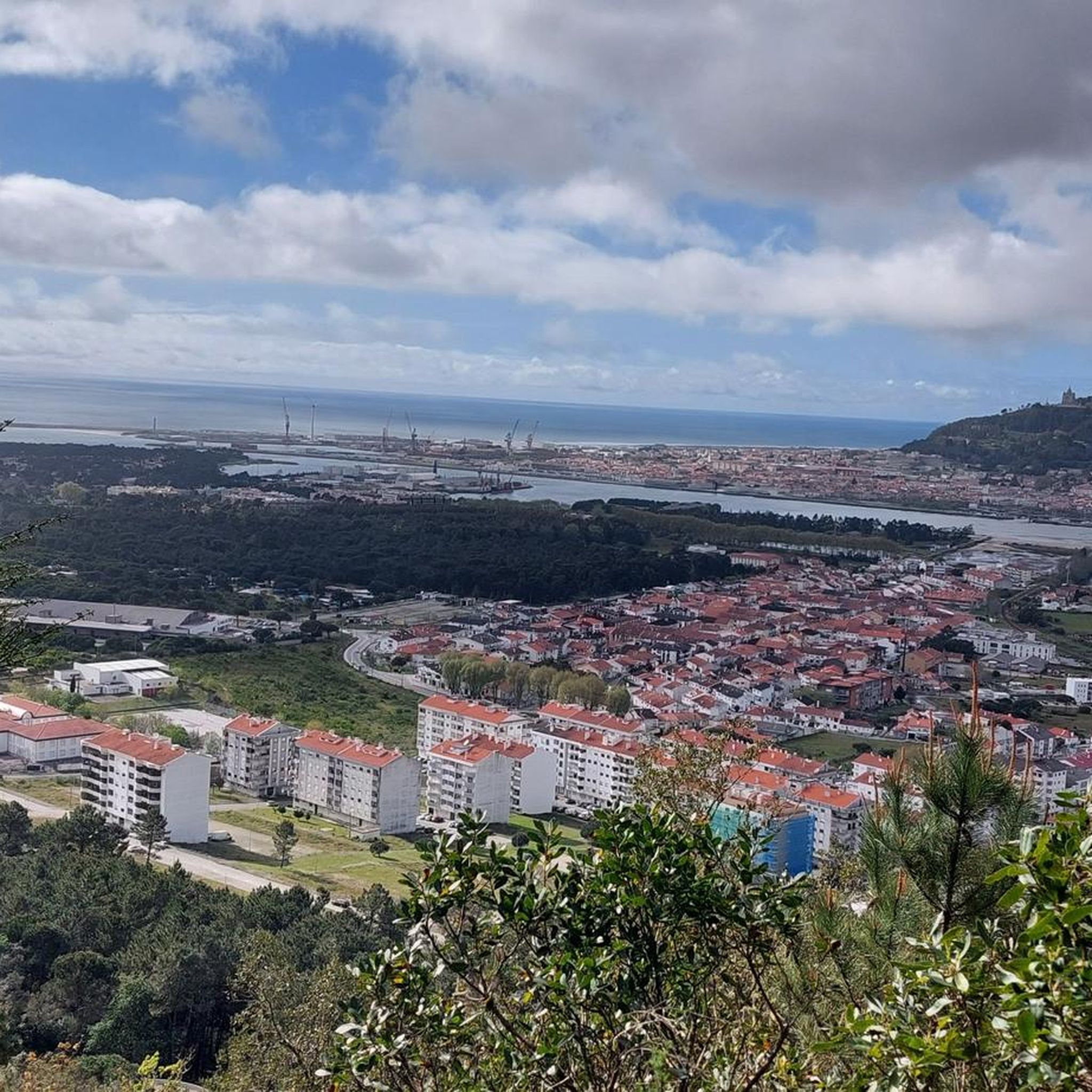
Hiking around Vila Seca offers diverse terrain, from coastal paths along the Mediterranean Sea to inland green spaces and ecological wetlands. The region features fine sandy beaches, such as La Pineda Platja, and parks like Parc del Pinar de Perruquet with hundred-year-old pine trees. The Séquia Major wetlands provide a unique natural habitat, while the town's historic core includes trails around Vila-seca Castle. The generally flat terrain makes it suitable for various outdoor activities.
Best hiking trails around Vila Seca
…Last updated: May 13, 2026
4.6
(27)
79
hikers
6.43km
01:38
10m
10m
Easy hike. Great for any fitness level. Easily-accessible paths. Suitable for all skill levels.
3.7
(3)
20
hikers
11.8km
03:00
30m
30m
Moderate hike. Good fitness required. Easily-accessible paths. Suitable for all skill levels.

Sign up for free
4.0
(2)
14
hikers
11.9km
03:01
40m
40m
Moderate hike. Good fitness required. Easily-accessible paths. Suitable for all skill levels.
4.5
(4)
39
hikers
10.1km
02:35
30m
30m
Moderate hike. Good fitness required. Easily-accessible paths. Suitable for all skill levels.
4.3
(3)
29
hikers
Moderate hike. Good fitness required. Easily-accessible paths. Suitable for all skill levels.
Get access to more routes and recommendations from other explorers.
Sign up for free
Already have an account?
Our route recommendations are based on thousands of hikes, rides, and runs completed by other people on komoot.
Start today with a free account
Your next adventure awaits.
Login or Signup

Tips from the Community

The Metal Bridge of Fão (Esposende) Location: It crosses the Cávado River, on National Road 13 (EN13), in the parish of Fão, in Esposende. Alternative Name: It is frequently referred to as the D. Luís Filipe Bridge. History: It is a significant example of iron architecture in Portugal, inaugurated on August 7, 1892. Characteristics: The bridge, which is a Property of Public Interest, has an extensive metal structure and has recently been rehabilitated.
2
0
In Esposende, the main historical bridge that crosses the Cávado River is the Ponte Metálica de Fão, also known locally as Ponte D. Luís Filipe.
2
0
Infrastructure and Accessibility Apúlia Beach has good support infrastructure, which earned it the Blue Flag and the Five Star Regions award, recognizing its quality and safety. Access: It has parking (accessible for wheelchairs), public restrooms (WC) and showers. Services: It offers tent rentals, surveillance with first aid during the bathing season and family restaurants nearby with fair prices.
1
0
Atmosphere: The beach maintains a wild and tranquil atmosphere, even during the summer, making it a popular spot for walks, swimming (although the water is cold, typical of northern Portugal), and enjoying spectacular sunsets. Water Sports: Due to the constant winds, especially between May and September, it is an ideal location for windsurfing, kitesurfing, and paragliding. Local Tradition: In the past, the beach was a traditional fishing area where seaweed (sargassum) was collected to fertilize agricultural fields. This heritage is still visible in the local community and gastronomy.
1
0
Windmills: The most iconic feature of the beach is the approximately ten traditional windmills scattered along the coastline, once used to grind corn and now converted into private holiday homes. Natural Beauty: Integrated into the North Coast Natural Park, the beach has an extensive sandy area, well-preserved dunes and native vegetation, accessible by wooden walkways that protect the ecosystem.
1
0
Apúlia Beach is one of the most picturesque and distinctive beaches in northern Portugal, located in the municipality of Esposende, district of Braga. It is a destination that combines natural beauty with a rustic touch, and is famous for its old windmills and preserved dunes.
1
0

The name Ophir appears several times in the Old Testament, including to designate a land distant from Israel where gold was collected. The gold of Ophir is often referred to as a separate gold, which may be due to the joint expedition of King Solomon and King Hiram (Tyre, Phoenicia) that set sail from the Red Sea and brought back 14 or 15 tons of gold from Ophir (1 Kings 9:26-28; 2 Chronicles 8:17-18). Thus, the Portuguese beach may be related to a new Ophir discovered by the Phoenicians. A famous local legend, the "legend of the horses of Phanus," even claims that "the biblical Ophir" was located in the place of modern Ophir. Source: Wikipedia
0
0

Old windmills on a dike. A beach on the ocean side. Nice area, even though today wasn't beach weather.
0
1
Frequently Asked Questions
How many hiking trails are available around Vila Seca?
Vila Seca offers a wide selection of hiking opportunities, with over 45 routes available. These trails cater to various preferences, from leisurely coastal strolls to more engaging inland explorations.
What types of landscapes can I expect to see while hiking in Vila Seca?
Hiking in Vila Seca provides a diverse range of landscapes. You can explore coastal paths along the Mediterranean Sea, discover ecological wetlands like the Séquia Major, and wander through green parks with Mediterranean vegetation. The region also features traditional Catalan farmhouses along the Ruta de las Masías and historical sites like Vila-seca Castle.
Are there any easy or family-friendly hiking options in Vila Seca?
Yes, Vila Seca is known for its family-friendly appeal. Nearly half of the available routes, specifically 23, are rated as easy. These include leisurely walks along Pequeno Porto – Mouth of the Cávado River loop from Esposende, which offers minimal elevation gain and a pleasant experience for all ages. The Parc del Pinar de Perruquet also provides a relaxing natural space with areas for children.
Can I bring my dog on the hiking trails in Vila Seca?
Many trails in Vila Seca are suitable for dogs, especially those in open natural spaces and along the coast. While specific dog regulations can vary, generally, well-behaved dogs on a leash are welcome on most public paths. Always ensure to clean up after your pet.
Are there circular hiking routes available in Vila Seca?
Yes, many of the hiking routes in Vila Seca are designed as circular paths, allowing you to start and end at the same point. Examples include the Fão Bridge – Apúlia Windmills loop from Apúlia, which offers a comprehensive exploration of its area without needing to retrace your steps.
What are some notable natural attractions or landmarks to see on a hike?
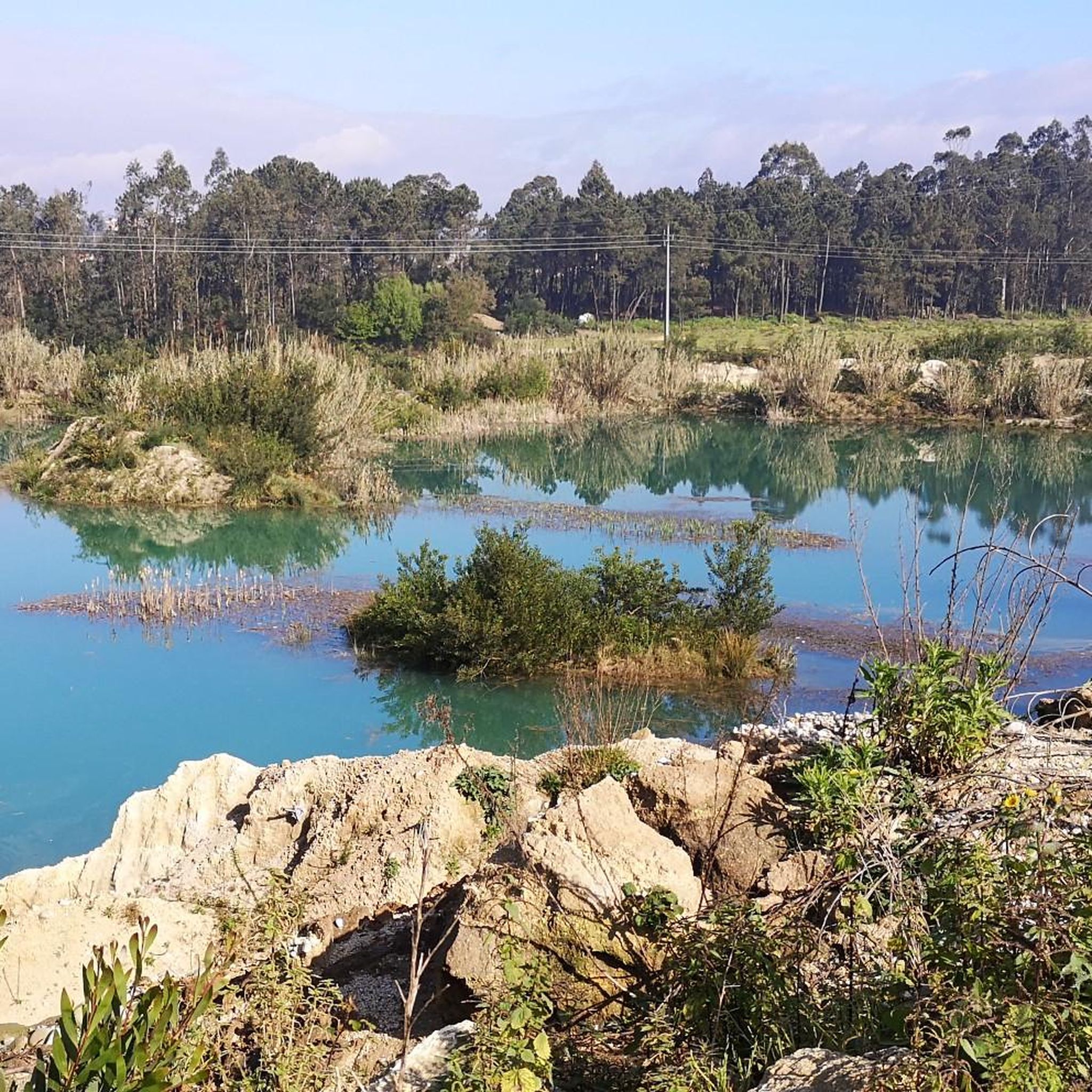
Vila Seca's hiking trails often pass by significant natural and historical landmarks. You can encounter the unique coastal wetland of Séquia Major, a crucial nesting ground for birds. Other points of interest include the Ofir Beach, the Rapids of the Covado River, and the Viewpoint of the Restinga do Cávado. The Torre d'en Dolça Park also features remnants of a Roman village and the medieval defense tower itself.
What is the best time of year to go hiking in Vila Seca?
The Mediterranean climate of Vila Seca makes hiking enjoyable for much of the year. Spring (March to May) and autumn (September to November) offer pleasant temperatures, ideal for longer excursions. Even in winter, mild conditions can make for comfortable walks. Summer can be warm, so early morning or late afternoon hikes are recommended, especially for coastal routes like those along La Pineda Beach.
Are there any trails that offer historical insights?
Absolutely. The region is rich in history. The Ruta de las Masías allows you to explore traditional Catalan farmhouses, offering a glimpse into local rural life. Additionally, the Torre d'en Dolça Park contains remnants of a Roman village, and Vila-seca Castle, with its oldest construction potentially dating back to the Roman period, is surrounded by trails perfect for a historical stroll.
How do other hikers rate the trails in Vila Seca?
The hiking trails in Vila Seca are highly regarded by the komoot community, holding an average rating of 4.1 stars from over 100 reviews. Hikers frequently praise the diverse scenery, from coastal beauty to Mediterranean flora, and the well-maintained paths that cater to various ability levels.
Are there any trails that feature windmills or unique coastal structures?
Yes, you can find trails that highlight unique coastal structures and historical elements. For instance, the Apúlia Windmills – Apúlia Beach 🏖️ loop from Esposende specifically features the iconic Apúlia Windmills, offering a picturesque backdrop to your hike. The Aguçadoura Beach Mill is another notable structure in the wider area.
Are there any trails that offer views of the Cávado River?
Yes, some trails provide excellent views and access to the Cávado River. The Fão Bridge loop from Esposende offers perspectives of the river, and the Padrão do Mar 🌊 Rio Cávado wetlands is a highlight that showcases the river's natural environment.
What is the longest moderate trail available?
Among the moderate trails, the Fão Bridge – Apúlia Windmills loop from Apúlia is one of the longer options, spanning approximately 11.8 kilometers. This route provides a good challenge for those looking for a more extended hike with varied scenery.
Most popular attractions around Vila Seca

Get inspired with the komoot mobile app


Explore more
Browse the best Hikes in other regions.
