The best cycling routes around Gondiães e Vilar de Cunhas e Vilar de Cunhas e Vilar de Cunhas
33
riders
4
rides
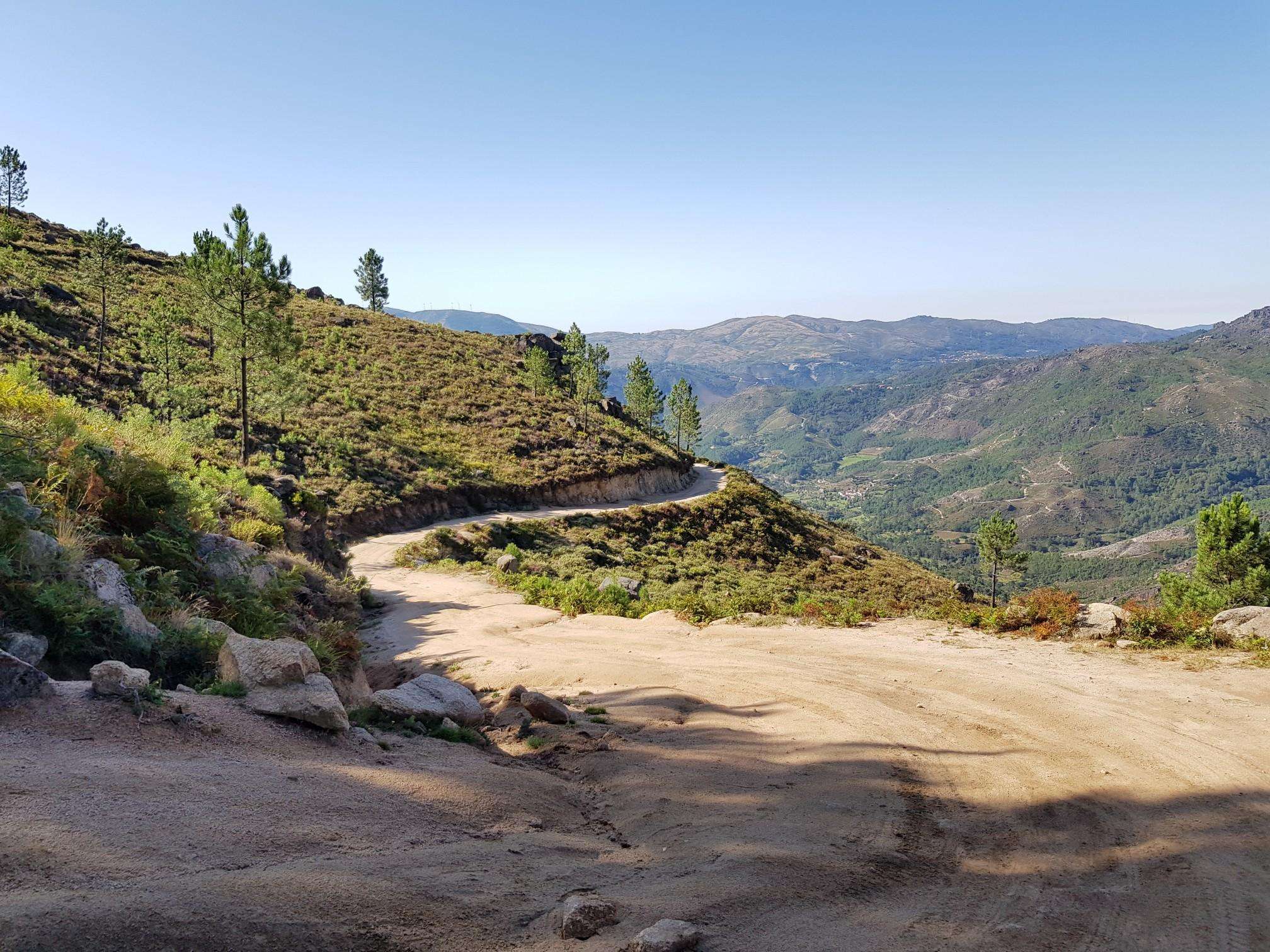
Touring cycling routes around Gondiães e Vilar de Cunhas e Vilar de Cunhas e Vilar de Cunhas navigate a landscape characterized by significant elevation changes and natural features such as reservoirs and viewpoints. The region's terrain presents challenging climbs and descents, suitable for experienced touring cyclists. Routes often traverse rural areas, offering views of the surrounding countryside and water bodies. The area is defined by its hilly topography and the presence of natural and man-made water features.
Best touring cycling…
Last updated: November 3, 2026
21
riders
Hard bike ride. Very good fitness required. Mostly paved surfaces.
5
riders
30.4km
02:38
770m
770m
Hard bike ride. Very good fitness required. Mostly paved surfaces.

2
riders
29.9km
02:27
700m
710m
Hard bike ride. Very good fitness required. Mostly paved surfaces.
Our route recommendations are based on thousands of hikes, rides, and runs completed by other people on komoot.
Start today with a free account
Your next adventure awaits.
Popular around Gondiães e Vilar de Cunhas e Vilar de Cunhas e Vilar de Cunhas

Frequently Asked Questions
What is the typical difficulty level for touring cycling routes in Gondiães e Vilar de Cunhas?
Touring cycling routes in Gondiães e Vilar de Cunhas are generally considered difficult. The region is characterized by significant elevation changes, challenging climbs, and descents, making it best suited for experienced touring cyclists. All 5 routes listed in this guide are graded as difficult.
Are there any touring cycling routes suitable for beginners or families in Gondiães e Vilar de Cunhas?
Due to the region's hilly topography and substantial elevation gains, the touring cycling routes in Gondiães e Vilar de Cunhas are primarily designed for experienced cyclists. There are no routes specifically graded as easy or moderate in this guide, so beginners and families might find them challenging.
Are there options for long-distance touring cycling in the region?
Yes, the region offers options for longer touring cycling experiences. For example, the Albufeira de Daivões – Miradouro de Santa Bárbara loop from Ribeira de Pena is a substantial 50.4 miles (81.1 km) route, providing an extended journey through the challenging terrain.
Can I find circular touring cycling routes in Gondiães e Vilar de Cunhas?
Yes, many of the touring cycling routes in this guide are circular, allowing you to start and end at the same point. Examples include the Albufeira de Daivões – Miradouro de Santa Bárbara loop from Ribeira de Pena and the Necrópole da Póvoa loop from Ribeira de Pena.
What kind of scenic viewpoints or attractions can I expect to see along the touring cycling routes?
The routes often feature stunning natural and man-made attractions. You can expect to encounter scenic viewpoints like Porto d'Olho Viewpoint and View of Daivões Dam, as well as historical structures such as Ponte de Cavez and the Chapel of Our Lady of the Mountain. Many routes also offer views of the Tâmega River.
How many touring cycling routes are available in Gondiães e Vilar de Cunhas?
This guide features 5 distinct touring cycling routes around Gondiães e Vilar de Cunhas, all of which are categorized as difficult due to the region's challenging terrain and elevation changes.
What makes touring cycling in Gondiães e Vilar de Cunhas unique?
Touring cycling in Gondiães e Vilar de Cunhas is defined by its challenging climbs, rewarding descents, and picturesque views of reservoirs and rural landscapes. The region's hilly topography and the presence of significant water features create a unique and demanding experience for cyclists seeking adventure.
What kind of elevation changes should I expect on these routes?
You should expect significant elevation changes. For instance, the Albufeira de Daivões – Miradouro de Santa Bárbara loop from Ribeira de Pena involves nearly 1000 meters of ascent, while the longer version of the same route, Albufeira de Daivões – Miradouro de Santa Bárbara loop from Ribeira de Pena, features over 1700 meters of climbing.
Do the touring cycling routes feature water bodies like reservoirs or rivers?
Yes, the routes frequently navigate landscapes with natural and man-made water features. You'll often find yourself cycling alongside reservoirs, such as the Albufeira de Daivões, and enjoying views of rivers like the Tâmega, adding to the scenic beauty of the tours.
When is the best time of year for touring cycling in Gondiães e Vilar de Cunhas?
The best time for touring cycling in this region is typically during spring (April to June) and autumn (September to October). These seasons offer more moderate temperatures, making the challenging climbs more manageable and providing pleasant conditions for enjoying the scenic views. Summers can be hot, and winters may bring colder, wetter weather.
What should I wear for touring cycling in this region?
Given the significant elevation changes and potential for varied weather, it's advisable to wear layered cycling apparel. Moisture-wicking base layers, a breathable jersey, and a windproof or waterproof jacket are recommended. Don't forget a helmet, cycling gloves, and appropriate footwear for comfort and safety on the demanding terrain.
Are there places to stop for refreshments or food along the touring cycling routes?
While the routes traverse rural areas, you may find small cafes or local establishments in villages along the way. It's always a good idea to carry sufficient water and snacks, especially on longer routes, as services might be sparse between towns. Planning your stops in advance is recommended.
Most popular routes around Gondiães e Vilar de Cunhas e Vilar de Cunhas e Vilar de Cunhas
Most popular attractions around Gondiães e Vilar de Cunhas e Vilar de Cunhas e Vilar de Cunhas

Get inspired with the komoot mobile app


Explore more
Browse the best Cycling routes in other regions.
