The best cycling routes around Fareja
4.6
(64)
940
riders
73
rides
Touring cycling routes around Fareja, located in Portugal's Braga District, offer a diverse landscape for cyclists. The region is characterized by rolling hills, verdant green corridors, and riversides, providing scenic routes. A notable feature is the presence of converted railway lines, known as ecopistas, which offer gentle, traffic-free gradients. These routes connect to areas around Guimarães and Fafe, allowing for varied cycling experiences.
Best touring cycling routes around Fareja
- The most popular touring cycling route is Monte de Perna de…
Last updated: May 20, 2026
4.6
(43)
265
riders
46.8km
03:01
580m
580m
Hard bike ride. Very good fitness required. Mostly paved surfaces. Suitable for all skill levels.
5.0
(3)
42
riders
47.7km
02:59
520m
520m
Hard bike ride. Very good fitness required. Mostly paved surfaces. Suitable for all skill levels.

Sign up for free
34
riders
46.3km
04:11
1,130m
1,130m
Hard bike ride. Very good fitness required. Mostly paved surfaces. Suitable for all skill levels.
27
riders
70.3km
05:03
1,050m
1,050m
Hard bike ride. Very good fitness required. Mostly paved surfaces. Suitable for all skill levels.
22
riders
54.4km
03:42
860m
860m
Hard bike ride. Very good fitness required. Mostly paved surfaces. Suitable for all skill levels.
Get access to more routes and recommendations from other explorers.
Sign up for free
Already have an account?
Our route recommendations are based on thousands of hikes, rides, and runs completed by other people on komoot.
Start today with a free account
Your next adventure awaits.
Login or Signup


Tips from the Community

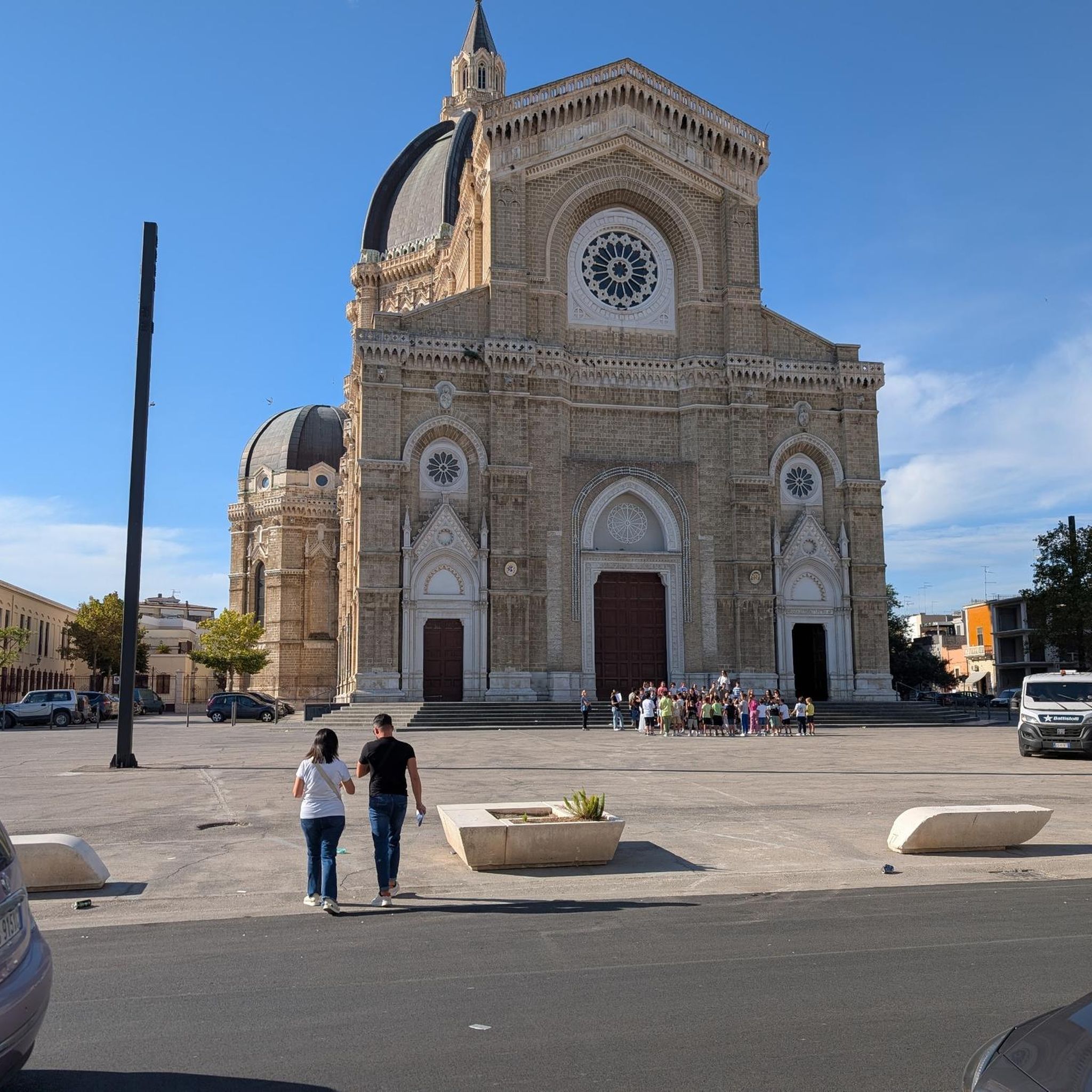
Beautiful view of the church.
1
1

While you breathe in the medieval atmosphere of Largo de São Tiago, the architecture of Largo do Toural immediately reflects the desire for spacious, open construction that was so typical of the 18th-century Enlightenment. The square illustrates the various phases of urban history that have remained vibrant in Guimarães. https://www.visitportugal.com/de/NR/exeres/42CD43EA-B377-427B-84D1-6A1F2324C86A
0
0

The basilica was built from local granite in a hybrid style that incorporates elements of Gothic, Romanesque, and Renaissance architecture. Based on a design by the Russian architect Ludwig Bohnstedt from 1868, the basilica was redesigned in 1894 by the architect José Marques da Silva. The building was consecrated on October 25, 2015, and elevated to the rank of minor basilica by Pope Francis in September 2019.
2
0

A wonderful view over the fountain and the flowerbeds
1
1

Well-kept flowerbeds lead down to the Santos Passos church
2
3

The Church of Santos Passos, also known as the Church of Our Lady of Consolation, was built in the early 18th century by the Confraternity of Our Lady of Consolation and Santos Passos under the architect Andrés Soares. The church in Guimarães was built on the same site where a small chapel had existed since the 16th century. The imposing temple is crowned by two towers, added in the mid-19th century by an architect from Porto. The staircase and balustrade also date from this period. The chapel's altarpiece is classically inspired, dating from the late 18th century, with painting that imitates marble.
7
1

ecopistas are old railways converted to cycle paths. this one connects Guimarães city to fafe
1
0

Very beautiful flower fields, well cared for with a wide variety of flowers. You can walk along here to the church and enjoy the view of the church.
10
1
Frequently Asked Questions
How many touring cycling routes are available around Fareja?
There are over 75 touring cycling routes available around Fareja, offering a wide range of options for different skill levels. While most routes are classified as difficult, there are also moderate and easy options to explore.
What kind of terrain can I expect on touring cycling routes around Fareja?
The region around Fareja is characterized by rolling hills and verdant green corridors, providing scenic routes. A significant draw for touring cyclists is the presence of "ecopistas" or "Vias Verdes" – old railway lines converted into cycling paths, offering gentle, traffic-free gradients. You can also find routes that explore river valleys and offer distant mountain views.
Are there touring cycling routes suitable for beginners or families in Fareja?
While many routes around Fareja are classified as difficult, there are options suitable for beginners and families. Specifically, routes that utilize the converted railway lines (ecopistas) offer gentler, traffic-free gradients, making them ideal for leisurely touring. One easy route is available, along with nine moderate options.
Are there any routes that follow old railway lines (ecopistas) near Fareja?
Yes, the region is known for its ecopistas, which are old railway lines transformed into cycling paths. A prime example is the Ecopista Guimarães–Fafe. You can experience a section of this on the Monte de Perna de Galo – Ecopista Guimarães–Fafe loop from Covas, which is a popular choice among local cyclists.
What historical or cultural sites can I visit while cycling near Fareja?
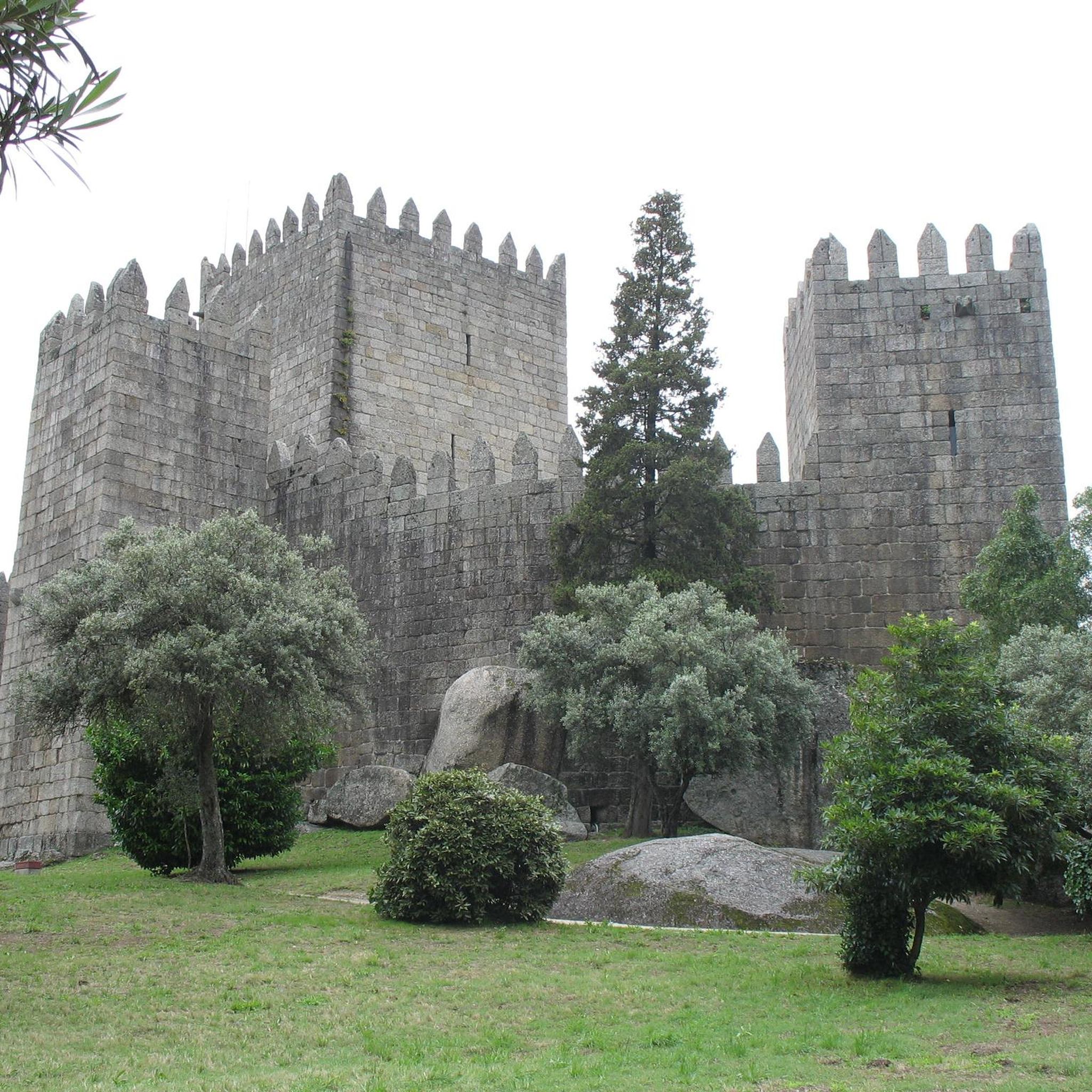
The region offers a rich historical and cultural backdrop. Near Guimarães, a UNESCO World Heritage Site, you can visit the Palace of the Dukes of Braganza, explore the Guimarães Castle Park, or wander through Oliveira Square. Many routes also pass through traditional villages, offering a glimpse into local life.
Are there any scenic viewpoints or natural attractions along the touring cycling routes?
Absolutely. The routes often traverse green corridors and river valleys, providing picturesque scenery. For panoramic views, areas like Penha Park near Guimarães offer stunning vistas. The nearby Douro River also features prominently in cycling options, with paths offering scenic views. Consider the Guimarães Greenway – Toural Square loop from Arões (São Romão) for varied landscapes.
What do other touring cyclists enjoy about the routes around Fareja?
The routes in Fareja are highly rated by the komoot community, with an average score of 4.5 stars from over 65 reviews. Cyclists often praise the diverse landscapes, the presence of dedicated cycling paths like the ecopistas, and the opportunity to combine outdoor activity with cultural exploration in nearby historical towns.
How long do touring cycling routes around Fareja typically take?
The duration of routes varies depending on their length and difficulty. For example, the popular Monte de Perna de Galo – Ecopista Guimarães–Fafe loop from Covas, which is 46.8 km, typically takes around 3 hours. Longer routes, such as the Igreja Nova de São José – Toural Square loop from Covas (70.3 km), can take over 5 hours.
What is the best time of year for touring cycling in Fareja?
The region generally offers pleasant conditions for cycling for much of the year. Spring and autumn provide mild temperatures and lush landscapes, ideal for touring. Summer can be warm, but routes along rivers or through shaded green corridors offer relief. Winter cycling is also possible, though some routes might be less accessible depending on weather conditions.
Can I combine touring cycling with coastal views near Fareja?
While Fareja itself is inland, the nearby city of Porto offers extensive coastal cycle paths, particularly along the Douro River estuary and stretching south. These routes provide stunning sea views and pass through charming fishing villages, making for a great day trip to combine with your inland cycling adventures.
Are there any long-distance cycling options that pass through or near Fareja?
Yes, for those interested in long-distance cycling, the EuroVelo 1, also known as the Atlantic Coast Route, traverses Portugal's coastline. While it doesn't pass directly through Fareja, its proximity to the coast means you can easily access sections of this major European cycling route from the wider region, offering extensive touring possibilities.
Where can I find parking for touring cycling routes near Fareja?
Many of the touring cycling routes around Fareja start from towns and villages like Covas, Arões (São Romão), or Fafe, where public parking is generally available. When planning your route on komoot, you can often find information about suitable starting points and parking options near the trailheads.
Most popular routes around Fareja
Most popular attractions around Fareja

Get inspired with the komoot mobile app


Explore more
Browse the best Cycling routes in other regions.
