Attractions and Places To See around Saffig - Top 20
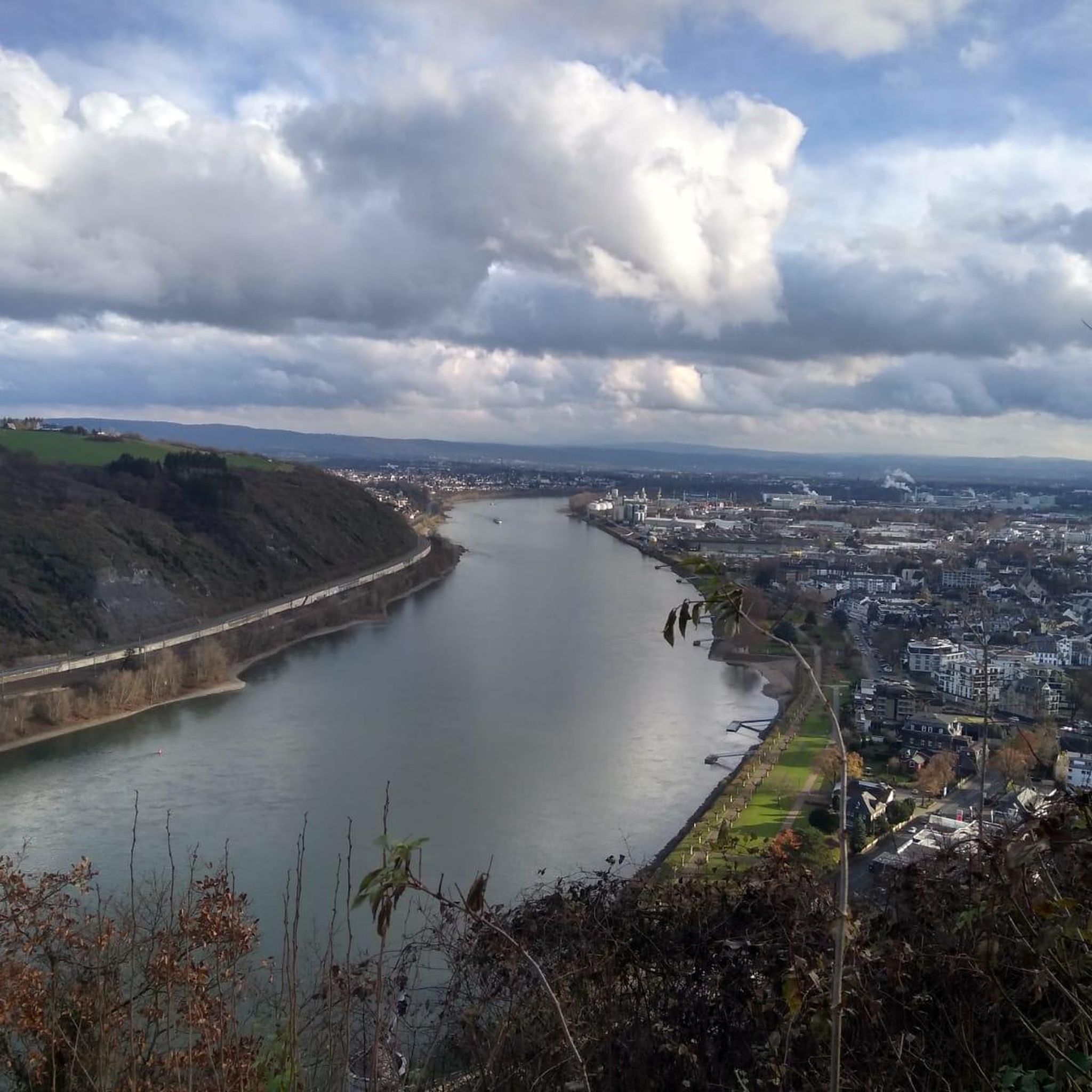
Best attractions and places to see around Saffig include a variety of historical landmarks, cultural sites, and natural points of interest. The region is situated within the eastern Eifel volcanic field, showcasing a landscape shaped by geological activity. These sites reflect the town's history, including its connection to the Counts von der Leyen. Visitors can explore a blend of architectural heritage and natural features.
Best attractions and places to see around Saffig
- The most popular attraction is Winninger Hamm Vineyards…
Last updated: August 2, 2026
Winninger Hamm Vineyards
Highlight • Natural
Translated by Google •
Tip by

Winningen – Historic Old Town
Highlight • Settlement
Translated by Google •
Tip by

Sign up now to discover places like this
Get recommendations on the best single tracks, peaks, & plenty of other exciting outdoor places.
Sign up for free
Winninger Pritty Vineyards
Highlight (Segment) • Natural
Translated by Google •
Tip by

Niederburg Castle Ruins (Kobern-Gondorf)
Highlight • Castle
Translated by Google •
Tip by

Laacher See Lakeside Trail
Highlight • Trail
Translated by Google •
Tip by

Sign up for free to discover even more attractions around Saffig.
Sign up for free
Already have an account?
Start today with a free account
Your next adventure awaits.
Login or Signup

Tips from the Community

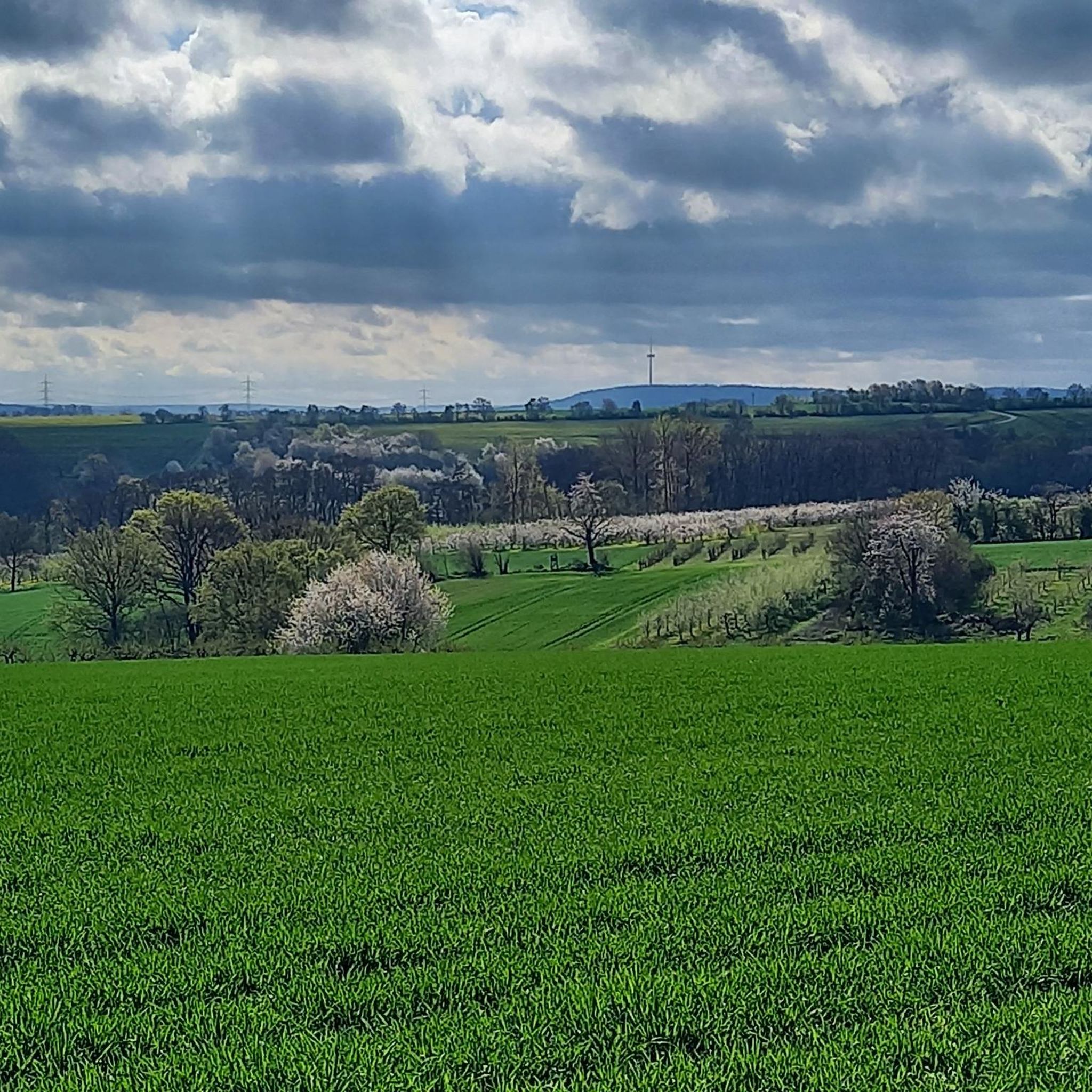
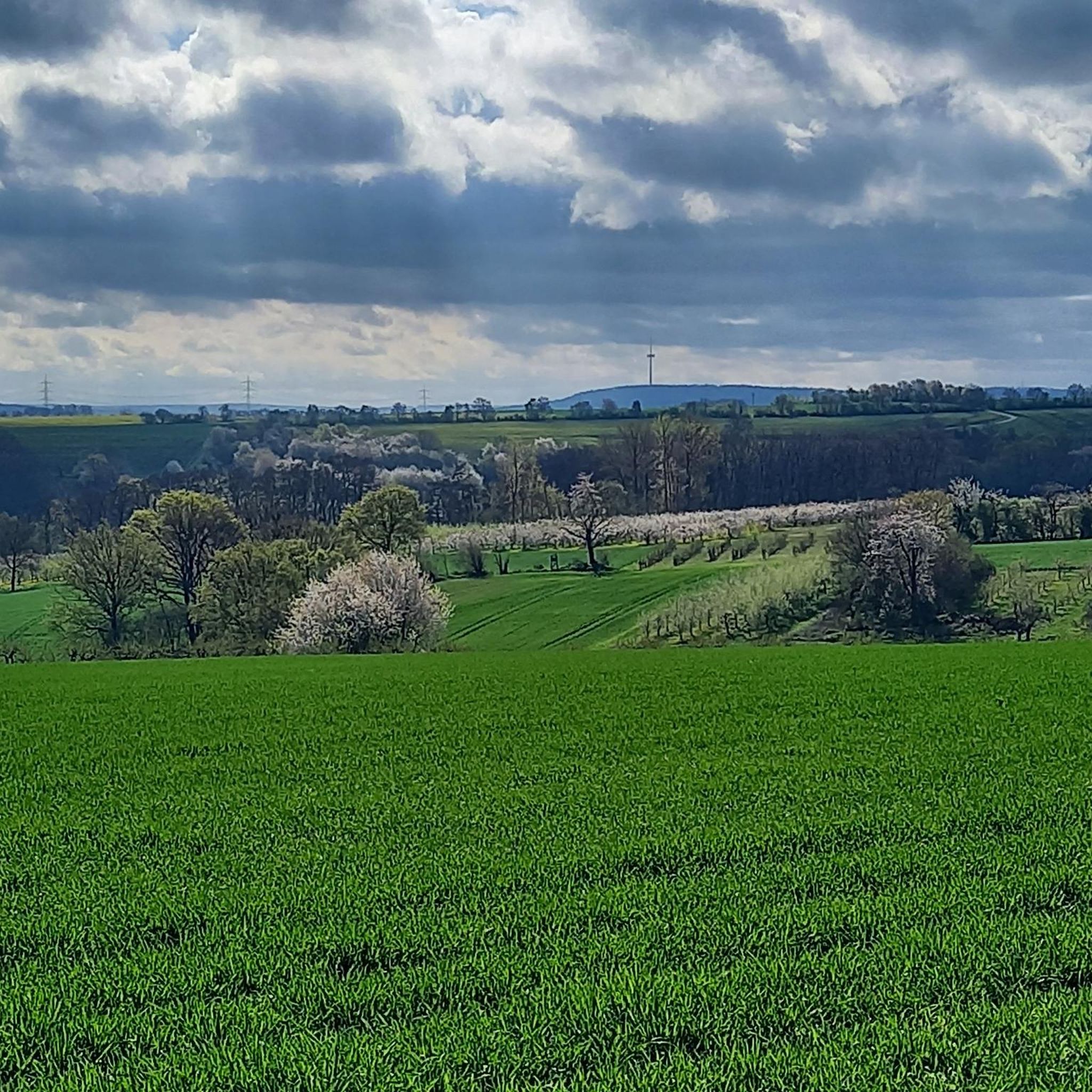
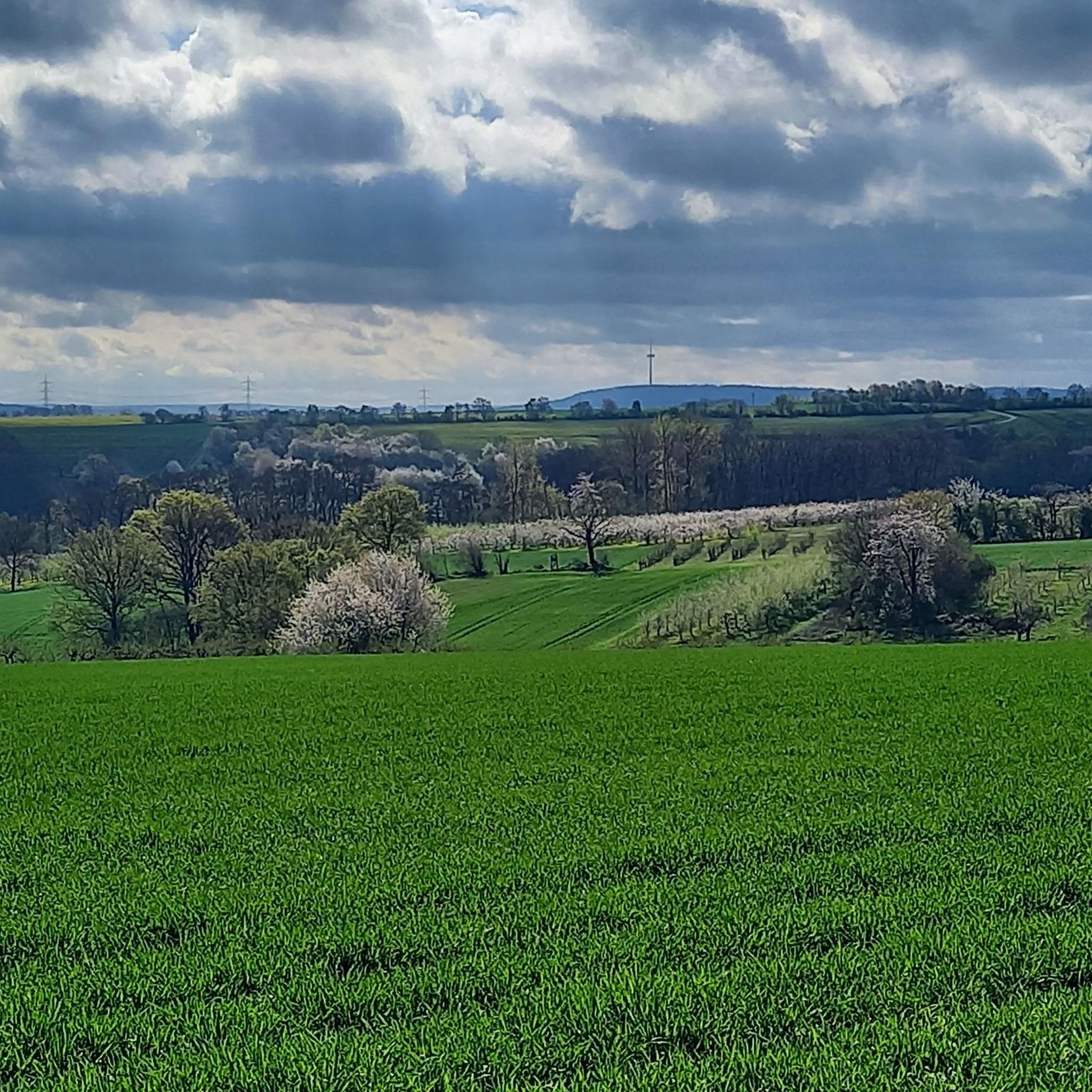
Good cycle path along the vineyards with a wonderful view of the vineyards 👌
6
0

The castle was built at the beginning of the 12th century on Celtic fortifications. It was first mentioned in 1195, when the then lord of the castle granted it as a fief to the Archbishop of Trier. The castle is visible from afar.
4
0
Wonderful vineyards - the cycle path goes right past them.
6
0

The castle ruins are worth seeing, but the town centre is also worth seeing.
2
0


Magnificent view of the vineyards 👌
5
0

It takes about 10-15 minutes to walk from the town to the castle ruins. There are also several paths that lead there. One is even a via ferrata. It is very picturesque and there is a beautiful view from the top.
5
0
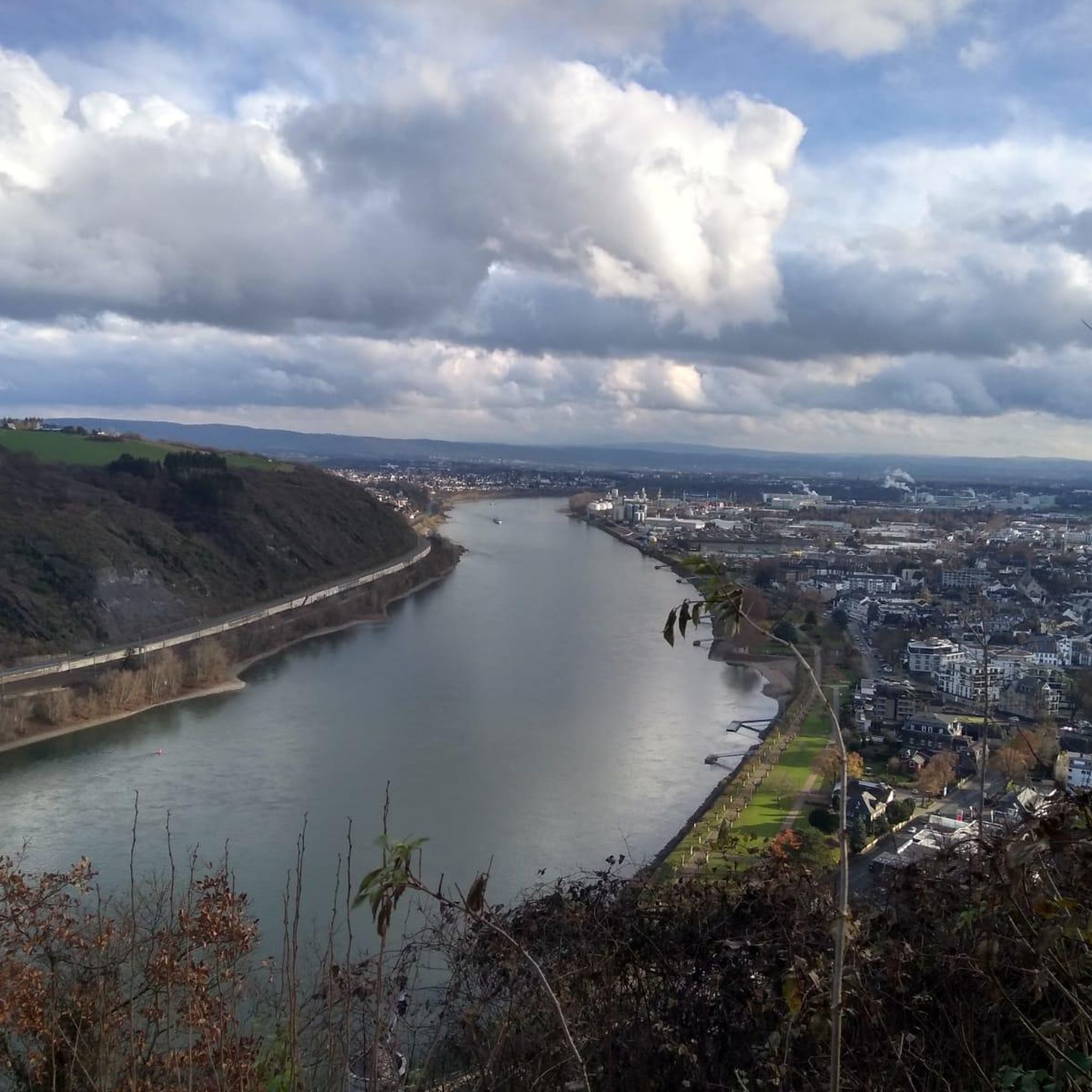
A stop here is also worthwhile for a beautiful view of the Moselle valley
6
0
Frequently Asked Questions
What historical and cultural sites can I explore in Saffig?
Saffig offers a rich blend of historical and cultural sites. You can visit the Baroque Church of St. Cäcilia, a landmark designed by Balthasar Neumann, or the unique Saffig Synagogue, which has been restored and actively holds services. Don't miss the Kreuzberg with Portico and the "Seven Sorrows of Mary", featuring 18th-century architecture and tuff statues. A stroll along Main Street (Hauptstraße) reveals historic half-timbered and volcanic rock houses.
Are there any significant natural attractions around Saffig?
Yes, Saffig is situated within the Vulkanregion Laacher See, an eastern Eifel volcanic field. This region's landscape is shaped by millions of years of geological activity, featuring volcanic crater lakes (Maare), tuffs, and ancient lava flows. You can also explore the Saffig Fields and Small Woods, which offer scenic circular routes with views of the village and the Baroque Church of St. Cäcilia.
What kind of outdoor activities can I do near Saffig?
The area around Saffig is excellent for outdoor activities. You can find various routes for hiking, cycling, and mountain biking. For example, there are easy hiking trails like the "Wayside Cross Saffig – Benches with Countryside View loop" or the "Traditional Orchard by the Wayside loop." Cyclists can enjoy routes such as the "Koblenz Gate, Andernach – Andernach Castle and City Gate loop." For more options, explore the hiking guide, cycling guide, or MTB trails guide for Saffig.
Where can I find family-friendly attractions in the Saffig area?
For family-friendly outings, consider visiting Winningen – Historic Old Town, a picturesque wine village with charming streets. Another option is the Nette Viaduct and Tunnel, which offers an entertaining route through tunnels and over viaducts, often enjoyed by families.
What is the Museum im Schlosspark Saffig about?
The Museum im Schlosspark Saffig, located in the guesthouse of the Barmherzige Brüder Saffig, showcases thousands of years of cultural and settlement history of the Saffig castle park, the municipality, and the Pellenz region. Notable exhibits include a Roman cult bread from the 2nd century AD (Germany's oldest bread find), an Etruscan beaked jug, and finds from Roman country villas and a large Frankish burial ground. The surrounding castle park, partly designed by Peter Josef Lénné, features a Baroque grotto pavilion and a pond with a volcanic spring. You can find more information at Museumsportal RLP.
Can I visit the Saffig Synagogue?
Yes, the Saffig Synagogue, dating back to the 19th century, is a significant rural house of prayer that reflects the former Jewish life in the Pellenz region. It is unique in Rhineland-Palatinate for being the only synagogue where services are actively held again after renovation. Built in 1858, it serves as a memorial and meeting place since its restoration in 1991. For more details, you can visit Museumsportal RLP.
Are there good viewpoints to enjoy the scenery around Saffig?
Absolutely. The Saffig Fields and Small Woods circular route offers fantastic views of the village and the Baroque Church of St. Cäcilia. Additionally, the Niederburg Castle Ruins (Kobern-Gondorf) provide a magnificent view of the Moselle Valley. Another popular spot is the View of the Moselle Valley Bridge, offering a wonderful perspective of the motorway bridge.
What is special about the Winninger Hamm Vineyards?
The Winninger Hamm Vineyards are renowned for their Riesling wine. Experts consider the Riesling grown on these slate terraces to be among the best wines globally. It is also the smallest single vineyard in Winningen, making it a unique and highly regarded natural site.
What do visitors particularly enjoy about the attractions around Saffig?
Visitors frequently praise the picturesque nature of the region, especially the charming wine village of Winningen – Historic Old Town with its narrow, cozy streets and half-timbered houses. The stunning views from places like the Niederburg Castle Ruins and the engaging journey through tunnels and over viaducts at the Nette Viaduct and Tunnel are also highly appreciated.
What is the best time of year to visit Saffig?
The region around Saffig, including the Moselle Valley, is particularly beautiful during the spring and autumn months. Spring offers blooming landscapes and pleasant temperatures for hiking and cycling, while autumn brings vibrant fall colors to the vineyards and forests, making it ideal for scenic tours and wine festivals.
Are there any unique historical features like the Kreuzberg?
Yes, the Kreuzberg with Portico and the "Seven Sorrows of Mary" is a unique historical feature southeast of Saffig. It includes a pillared hall (portico) built by the Counts von der Leyen in the 18th century. The path leading to it is lined with numerous wayside shrines, including approximately three-meter-high tuff statues of the "Seven Sorrows of Mary" donated in 1804. To this day, processions take place here during the Easter season.
Most popular routes around Saffig
Most popular attractions around Saffig

Get inspired with the komoot mobile app


Explore more
Still not found the Highlight you’re looking for? See guides of the top attractions in other regions:
