The best cycling routes around Goães
4.0
(15)
166
riders
9
rides
Touring cycling routes around Goães, a village in Portugal's Minho region, are characterized by diverse natural landscapes. The area is situated between the Homem and Cávado rivers, offering routes along riverbanks and through verdant valleys. Proximity to the Peneda-Gerês National Park provides access to rugged mountain ranges, dense forests, and varied terrain suitable for cycling. The region features a mix of rolling hills and more challenging ascents.
Best touring cycling routes around Goães
- The most popular touring cycling route is…
Last updated: May 6, 2026
4.0
(4)
64
riders
42.7km
03:13
320m
320m
Moderate bike ride. Good fitness required. Mostly paved surfaces. Suitable for all skill levels.
5.0
(3)
9
riders
33.9km
02:08
380m
380m
Moderate bike ride. Good fitness required. Mostly paved surfaces. Suitable for all skill levels.

Sign up for free
7
riders
69.7km
04:41
980m
990m
Hard bike ride. Very good fitness required. Mostly paved surfaces. Suitable for all skill levels.
5
riders
36.0km
02:51
460m
460m
Hard bike ride. Very good fitness required. Mostly paved surfaces. Suitable for all skill levels.
4
riders
61.8km
04:23
1,180m
1,180m
Hard bike ride. Very good fitness required. Mostly paved surfaces. Suitable for all skill levels.
Get access to more routes and recommendations from other explorers.
Sign up for free
Already have an account?
Our route recommendations are based on thousands of hikes, rides, and runs completed by other people on komoot.
Start today with a free account
Your next adventure awaits.
Login or Signup
Tips from the Community


Historical Context Origin of the name: The town of Ponte de Lima, the oldest in Portugal, derives its name from the bridge that crosses it. Way of St. James: The bridge is an important crossing point on the Portuguese Way of St. James. Legend: The legend of the Lima River, which runs under the bridge, tells that the Romans believed it to be the river of forgetfulness, which would have given rise to the myth that people who crossed it would forget their past lives.
2
0
The bridge that gives the Lima Bridge its name is actually a combination of two structures: a Roman section, built in the 1st century, and a medieval section, expanded in the 14th century. It crosses the Lima River and is one of the town's most emblematic monuments. Characteristics of the bridge Roman section: The remaining Roman section consists of five arches, and its construction is linked to the military road that connected the cities of Braga and Astorga. Medieval section: The medieval portion of the bridge is larger and was built to connect to the Roman section, extending the structure over the river. Material: The bridge is built of granite, using the Roman technique of "quadratum" and "vittatum" masonry.
2
0

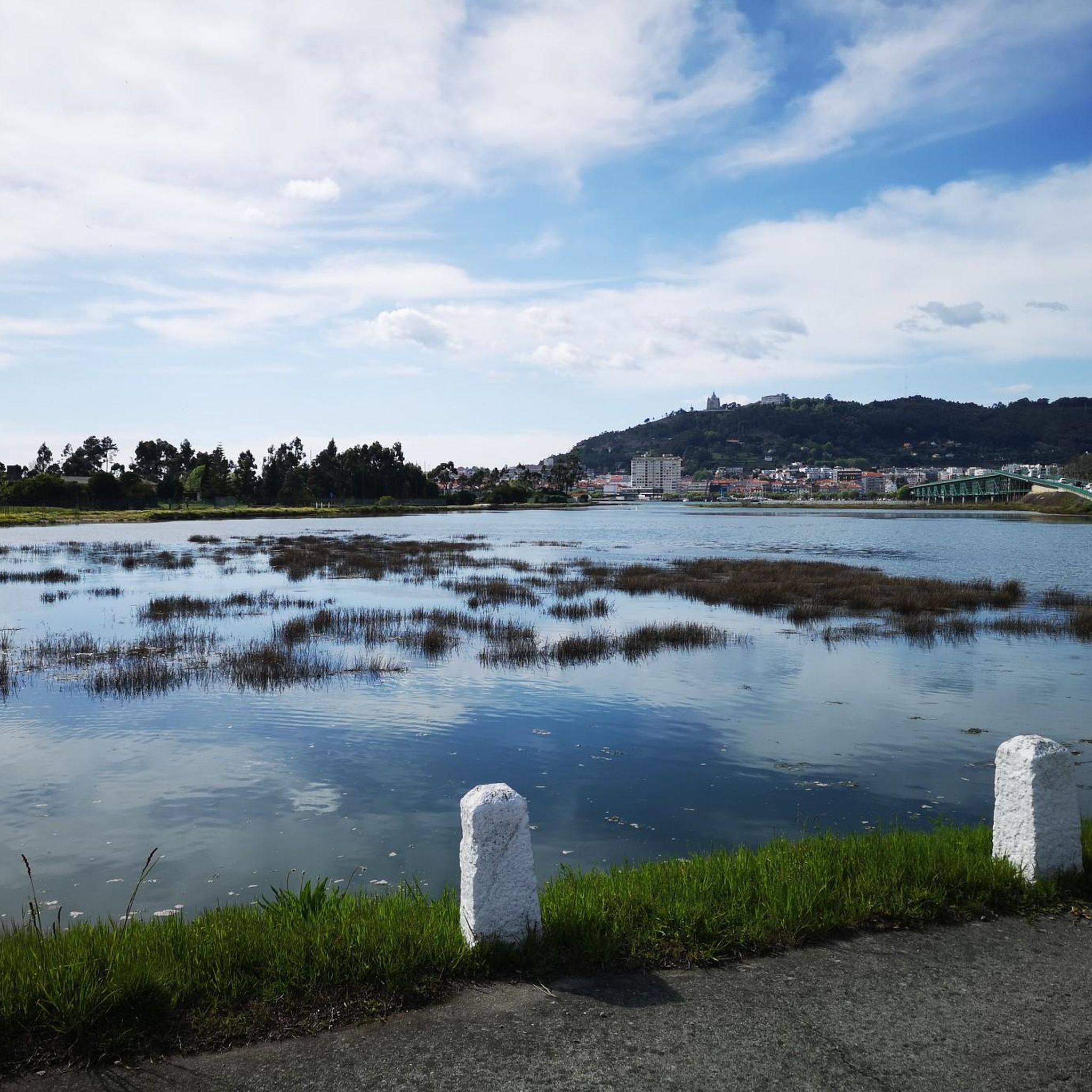
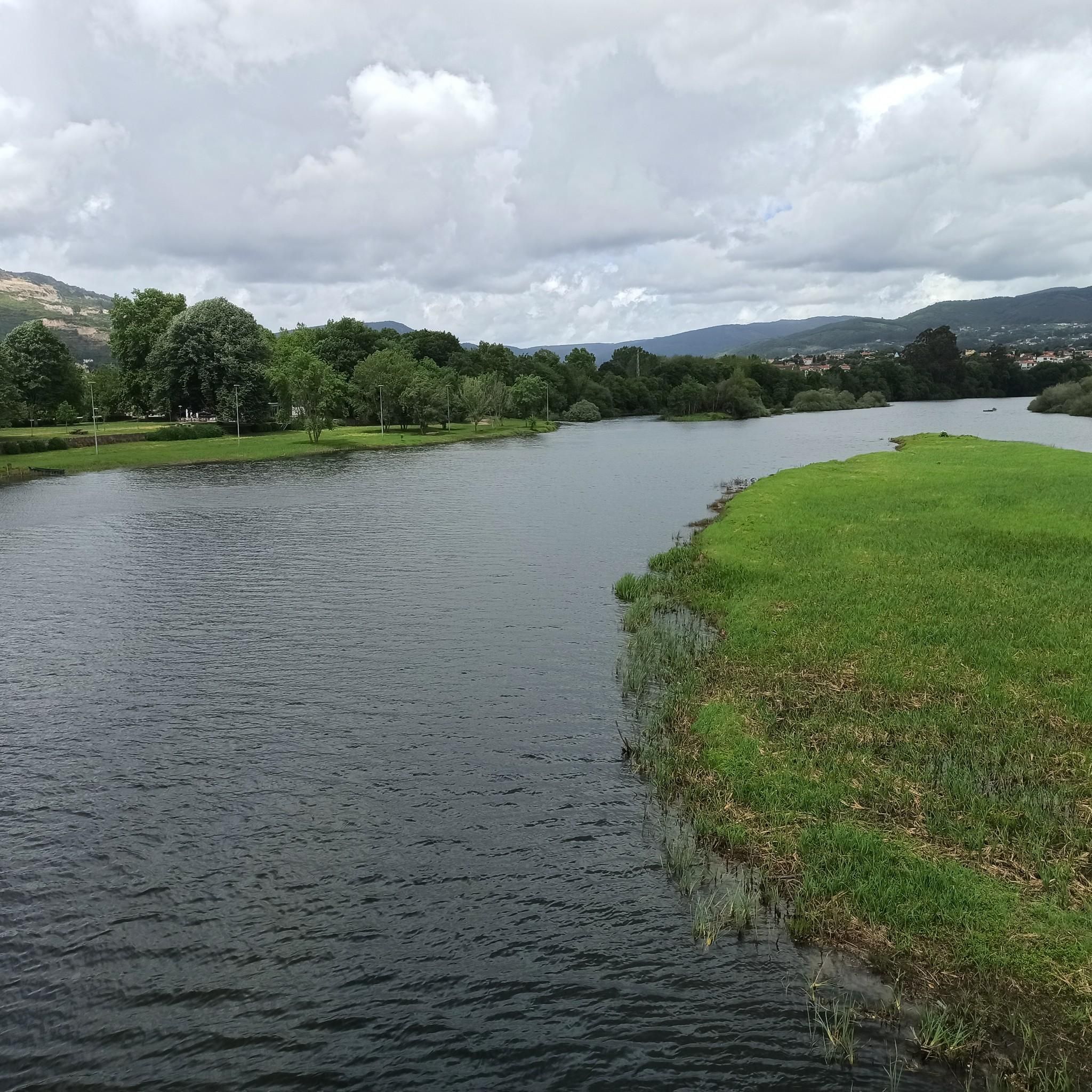
A city bathed by the Lima River, with walking trails in the area and good food.👍🥾🇵🇹
1
0

In the nerve center of the town.
2
1
The main attraction of the town.
2
0


The Bridge over the Lima River in Ponte de Lima is an authentic work of art that combines medieval and Roman styles and is classified as a national monument. The bridge has two distinct sections, one Roman and one medieval.
1
0
Frequently Asked Questions
What kind of terrain can I expect on touring cycling routes around Goães?
Touring cycling routes around Goães offer a diverse landscape, from verdant valleys and lush riverbanks along the Homem and Cávado rivers to more challenging ascents in the surrounding mountains. You'll find a mix of rolling hills and rugged terrain, especially closer to the Peneda-Gerês National Park.
How many touring cycling routes are available in the Goães area?
There are 9 touring cycling routes around Goães listed on komoot, catering to various skill levels. These include 5 moderate routes and 4 more difficult options, ensuring there's something for every touring cyclist.
Are there any family-friendly touring cycling routes near Goães?
While specific 'easy' routes are not highlighted, many of the moderate routes along riverbanks and through valleys can be suitable for families with some cycling experience. The region's generally peaceful roads and scenic views make for enjoyable rides. Consider routes like the Bico Bridge – Parque Perez loop from Vila Verde, which offers views of the Cávado River and rural landscapes.
What are some notable natural features or landmarks I might see while cycling around Goães?
The region is rich in natural beauty. You'll encounter crystal-clear rivers, dense forests, and stunning mountain views. The area is close to the Peneda-Gerês National Park, known for its impressive waterfalls like Arado and Tahiti, and ancient Roman roads. Within Goães itself, you might pass by the impressive Eucalyptus of Moure.
Are there any circular touring cycling routes in Goães?
Yes, many of the touring cycling routes around Goães are designed as loops, allowing you to start and finish in the same location. Examples include the popular Bico Bridge – Parque Perez loop from Vila Verde and the Felinhos River Beach – Bico Bridge loop from Lage.
What do other touring cyclists enjoy most about cycling in Goães?
The touring cycling routes in Goães are highly rated by the komoot community, with an average score of 4.1 stars from over 10 reviews. Cyclists often praise the diverse natural landscapes, the peaceful riverbank rides, and the opportunity to explore traditional villages and historic areas at their own pace.
Can I find challenging touring cycling routes in the Goães area?
Absolutely. For experienced touring cyclists seeking a challenge, there are 4 difficult routes available. These routes feature significant elevation gains and longer distances, such as the Roman Bridge of Ponte de Lima – Ponte de Lima loop from Lage, which covers over 70 km with nearly 1000 meters of ascent.
Are there any historical or cultural points of interest along the cycling routes?
Yes, the region is rich in history. Cyclists can discover ancient stone villages, historic monasteries, and even Roman-era sites like the Via Nova (Geira Roman Road) within the nearby Peneda-Gerês National Park. Around Goães, you might encounter the Azulejo Shrine of Saint James the Greater or a Camino de Santiago Signpost and Rest Area, reflecting the area's pilgrimage heritage.
What is the best time of year to go touring cycling in Goães?
The Minho region, where Goães is located, generally offers pleasant cycling conditions for much of the year. Spring and autumn provide mild temperatures and lush scenery, ideal for touring. Summer can be warm, but routes along riverbanks or through shaded forests offer cooler options. Winters are typically mild but can bring more rain.
Are there any specific routes that offer views of the Cávado River?
Yes, several routes in the area provide excellent views of the Cávado River. The Bico Bridge – Parque Perez loop from Vila Verde is a popular choice that offers scenic vistas of the river and its surrounding rural landscapes.
Are there any amenities like cafes or pubs along the touring cycling routes?
While specific amenities are not detailed for every route, the routes often pass through or near traditional villages. These villages typically offer local cafes, restaurants, or small shops where you can refuel and experience local hospitality. It's always a good idea to carry sufficient water and snacks, especially on longer or more remote sections.
What is the typical duration for a touring cycling route in Goães?
The duration varies significantly by route and your cycling pace. Moderate routes like the Felinhos River Beach – Bico Bridge loop from Lage typically take around 2 to 3 hours. More difficult and longer routes, such as the Roman Bridge of Ponte de Lima – Ponte de Lima loop from Lage, can take upwards of 4 to 5 hours to complete.
Most popular routes around Goães
Most popular attractions around Goães

Get inspired with the komoot mobile app


Explore more
Browse the best Cycling routes in other regions.
