The best cycling routes around Espinhosela
4.5
(31)
172
riders
27
rides
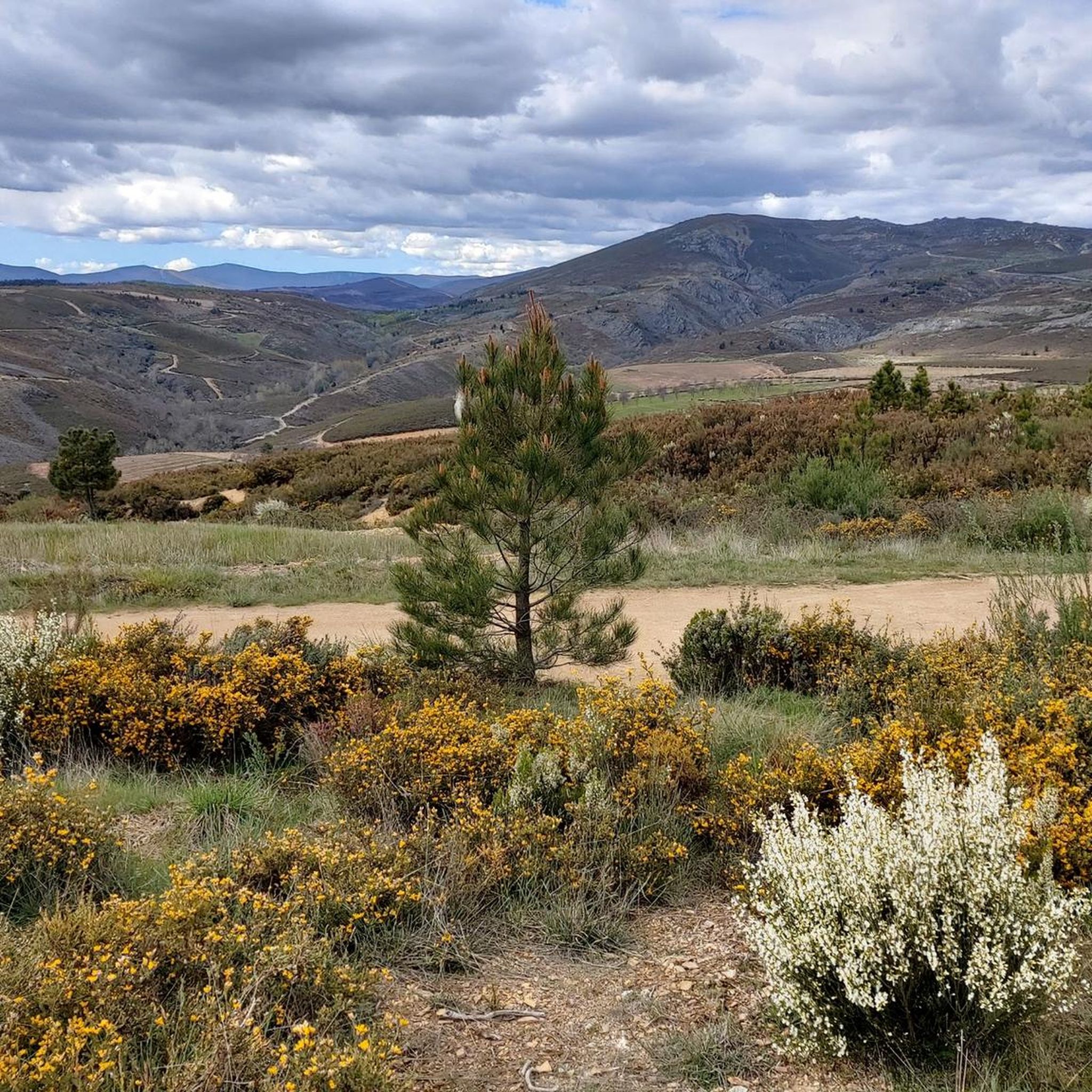
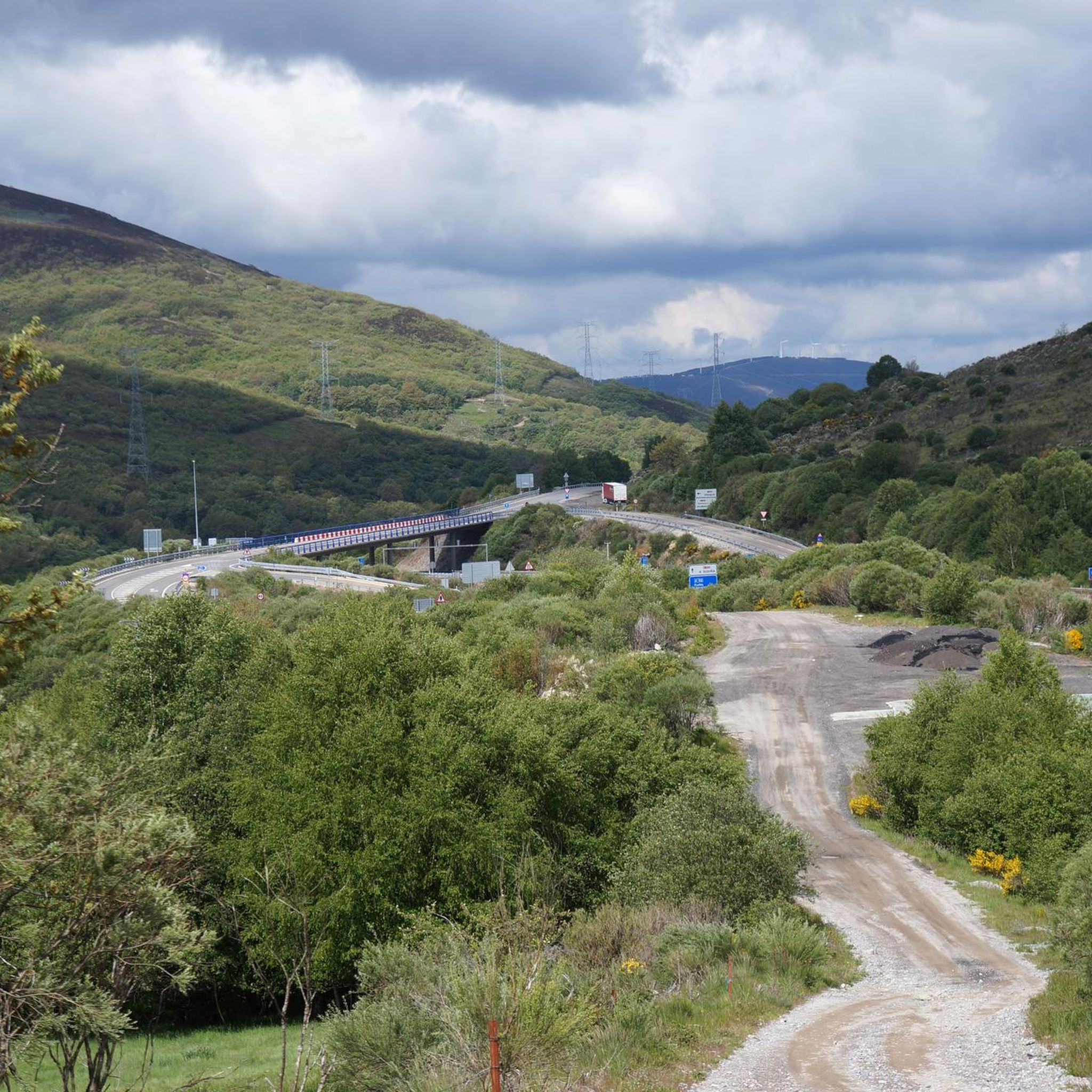
Touring cycling routes around Espinhosela traverse a landscape characterized by varied elevations and rural settings. The region features rolling hills and valleys, with routes often connecting small villages and historical points of interest. Cyclists can expect a mix of paved roads and quieter country lanes, offering diverse terrain for touring. The area's topography provides both challenging climbs and more gentle sections, catering to different cycling preferences.
Best touring cycling routes around Espinhosela
- The most popular touring cycling route is Old…
Last updated: November 2, 2026
4.8
(6)
32
riders
30.0km
02:06
500m
500m
Hard bike ride. Very good fitness required. Mostly paved surfaces.
4.1
(8)
19
riders
35.8km
02:31
630m
630m
Hard bike ride. Very good fitness required. Mostly paved surfaces.

4.3
(7)
24
riders
32.5km
02:14
530m
530m
Hard bike ride. Very good fitness required. Mostly paved surfaces.
5.0
(1)
7
riders
21.0km
01:23
320m
320m
Moderate bike ride. Good fitness required. Mostly paved surfaces.
4.0
(3)
9
riders
27.6km
01:55
540m
540m
Hard bike ride. Very good fitness required. Mostly paved surfaces.
Get access to more routes and recommendations from other explorers.
Already have an account?
Our route recommendations are based on thousands of hikes, rides, and runs completed by other people on komoot.
Start today with a free account
Your next adventure awaits.

Tips from the Community

Small hamlet in the middle of the park with approx. 100 inhabitants
14
0

The modern Sé Nova (Cathedral of Our Lady Queen) was inaugurated in 2001. It is located on Avenida Eng. Amaro da Costa, slightly outside the old town center (but only 1 km from the Sé Velha). It is the first cathedral built in Portugal in the 21st century. It has a contemporary and bold architecture (designed by the architect Vassalo Rosa), with a polygonal shape and a very spacious and bright interior. Behind the altar, there is a huge ceramic panel by the artist Mário Silva that is worth admiring.
2
0
Bragança Castle, located in northeastern Portugal, is one of the most impressive and well-preserved medieval castles in the country. Keep: At 33 meters high, it is one of the most imposing in Portugal. Inside, it houses the Bragança Military Museum, where you can see a vast collection of light weaponry, from the 12th century to the First World War. From the top of the tower, there is a breathtaking view over the old city, the new part of Bragança, and the surrounding mountains (Montesinho, Sanábria). The Princess Tower is an old residential outbuilding (Alcáçova Tower) famous for a tragic love legend. In the citadel, you can stroll through the streets within the walls, where the medieval atmosphere remains almost intact.
3
0
The Church of Santa Maria, also known as the Church of Our Lady of Sardão, is considered the oldest church in Bragança and is a must-see for anyone visiting the Citadel. Located within the walls, it is in a privileged setting, right next to the famous Domus Municipalis and a few steps from the castle's Keep. Baroque Facade: The entrance stands out for its beautiful portal flanked by two Solomonic (twisted) columns decorated with vines and bunches of grapes, a detail much praised by visitors. Pay particular attention to: The Painted Ceiling: Upon entering, look up. The ceiling of the central nave features a perspective painting (trompe-l'œil) representing the Assumption of the Virgin, full of vibrant colors. It is, without a doubt, the "wow" element of the interior. High Altar: Dedicated to Saint Mary Magdalene, with a 17th-century image. Also note the Figueiredos Chapel, rich in gilded woodcarving.
0
0

The Bragança Cathedral was designed by the architect Vassalo Rosa and was inaugurated in 2001, being the first cathedral built in the 21st century. It is a 10,000 square meter space, with seating arranged in an amphitheatre and a pentagonal design of the surrounding area, which distinguishes the contemporary architecture of the monument. Dedicated to Our Lady Queen, it reflects the region in which it is located, from the construction materials, the vegetation of the gardens and even the orientation of the doors. Inside, the tabernacle has the geographical shape of the district and the expression lines of Christ drawn on the ceramic panel by Mário Silva, behind the main altar, reveal a Northeastern style.
7
0
Classified as a National Monument in 1910, the castle that stands before our eyes today occupies an area of 3.2 hectares and has an approximate perimeter of 670 meters. Its walled section, with an irregular oval layout, is punctuated by pyramidal battlements and highlighted by 23 towers, of which 10 are turrets, 2 have a hexagonal plan, and 11 are quadrangular. Currently, access to the Keep is via the north-facing side, through an external staircase made of schist masonry, attached to the tower's outer structure. This is flanked by seven magnificent vaulted brick turrets (three to the east, three to the west, and one to the south), which join the wall section on the northern slope of the fortification. Inside, the Military Museum, officially founded in 1983, occupies the four floors, sixteen rooms, terrace, and crypt of the Keep, as well as the entire exterior space bordered by the turrets, including the Princess Tower. This museum possesses a collection of great historical value, allowing visitors to follow the evolution of light weaponry from the 16th century to the mid-20th century. It seeks to promote the appreciation, enrichment, and exhibition of the historical-military heritage attributed to it and to disseminate the cultural values linked to military history. Visitors can also climb to the crenellated terrace to contemplate the marvelous landscapes, overlooking the Nogueira, Montesinho, and Coroa mountain ranges, the peaks of Sanábria, and the Leonese lands.
7
0
Bragança Castle, one of the most characteristic examples of medieval architecture, was built in 1409 on the orders of king João I on foundations dating back to the times of the first king of Portugal, Afonso Henriques. Formed by an imposing keep and a double wall, it has stood up well to the tests of time. The central parade ground, known as the citadel or old town and where the church of Santa Maria and the Domus Municipalis are to be found, retain its medieval lines with narrow streets and small whitewashed houses. Inside the 17-metre wide and 33-metre tall Keep, there are some notable gothic features including the battlements, the railed windows and the stone carved arms of the Casa Real de Avis (Royal House of Avis), founded by king João I. Also inside, there is the Military Museum. Heading up to the top floor is well worth it if only for the wonderful views out over the city and surrounding countryside. Fifteen towers and three gateways complete the walls. The Torre da Princesa (Tower of the Princess), a former belonging of the Casa dos Alcaides stores the legend of a princess taken prisoner. There is also the Porta da Vila (Town Gateway) that welcomes in visitors to the castle.
6
0

The parish church of Santa Maria is located in the historic center of Bragança. Dating back to the 16th century, the church combines various architectural styles, with an emphasis on Manueline and Baroque. The façade is simple, but the interior is impressive, with its main altarpiece featuring gilded carvings, historic tiles, and beautiful sacred paintings.
1
0
Frequently Asked Questions
How many touring cycling routes are available around Espinhosela?
There are over 30 touring cycling routes around Espinhosela, offering a variety of experiences for cyclists. These routes traverse a landscape characterized by varied elevations and rural settings.
What is the general difficulty level of touring cycling routes in Espinhosela?
The touring cycling routes in Espinhosela are predominantly challenging, with 23 routes rated as difficult. There are also 6 moderate routes and at least one easy option, catering to different skill levels.
Are there any beginner-friendly touring cycling routes in Espinhosela?
While many routes in Espinhosela feature significant elevation changes, there is at least one easy touring cycling route available. Cyclists new to the area should check route details for specific difficulty ratings to find the most suitable option.
What kind of terrain can I expect on touring cycling routes in Espinhosela?
Cyclists can expect a mix of paved roads and quieter country lanes. The region features rolling hills and valleys, providing diverse terrain with both challenging climbs and more gentle sections.
Are there any circular touring cycling routes around Espinhosela?
Yes, many of the touring cycling routes around Espinhosela are designed as loops. For example, the Bogani Bicycle Parking loop from Bragança is a difficult 32.5 km route with over 500 meters of elevation gain, offering a comprehensive tour of the area.
What are some notable attractions I can see along the touring cycling routes?
Several routes pass by interesting landmarks. You might encounter historical sites like Bragança Castle or Domus Municipalis de Bragança. Natural highlights include the European chestnut (Castanea sativa) and the Biological Park of Vinhais.
What do other touring cyclists enjoy most about cycling in Espinhosela?
The touring cycling routes in Espinhosela are highly rated by the komoot community, with an average score of 4.5 stars from over 20 reviews. Cyclists often praise the varied terrain, the rural landscapes, and the connections to historical points of interest that define the region's routes.
Are there any touring cycling routes that offer expansive views?
Yes, many routes in the region provide expansive views, especially those with significant climbs. The Gondesende loop from Gondesende, for instance, is a difficult 27.6 km route with over 500 meters of elevation gain, likely offering scenic vistas as it traverses the hilly landscape.
What is the best season for touring biking in Espinhosela?
Given the varied elevations and potential for challenging climbs, spring and autumn generally offer the most pleasant conditions for touring biking in Espinhosela. Temperatures are milder, and the natural scenery is often at its most vibrant. Summer can be warm, and winter may bring colder, wetter weather.
Are there options for longer touring cycling routes in Espinhosela?
Yes, Espinhosela offers several longer routes for touring cyclists. For example, the Gondesende – Old Cathedral of Bragança loop from Gondesende is a difficult 36.5 km path with over 600 meters of elevation gain, ideal for those seeking a more extended ride.
What should I consider packing for a touring bike trip in Espinhosela?
Due to the varied terrain and potential for elevation changes, it's advisable to pack layers of clothing suitable for different weather conditions. Essential items include a repair kit, sufficient water, snacks, and navigation tools. Given the rural nature of some routes, planning for limited access to amenities is also recommended.
Most popular attractions around Espinhosela

Get inspired with the komoot mobile app


Explore more
Browse the best Cycling routes in other regions.
