Attractions and Places To See around Rio De Onor - Top 20
Best attractions and places to see around Rio De Onor include a unique border village situated within the Montesinho Natural Park. This region offers a blend of natural landscapes, cultural heritage, and historical landmarks. Rio De Onor is known for its communal traditions and its division between Portugal and Spain, with the Onor River flowing through it. The area provides opportunities to explore traditional villages and vast natural spaces.
Best attractions and places to see around Rio De Onor
- The…
Last updated: July 29, 2026
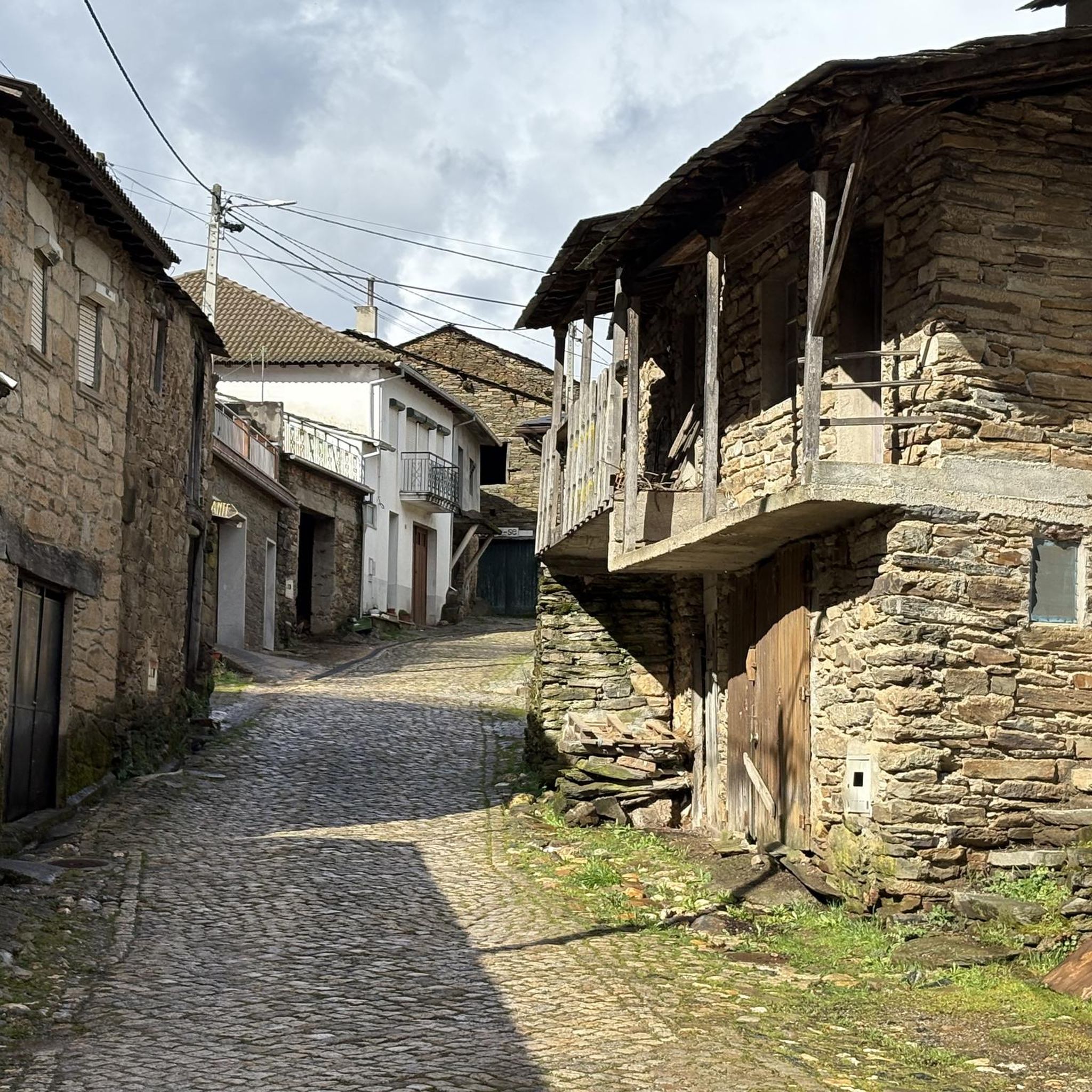
Rio de Onor Village
Highlight • Settlement
Translated by Google •
Tip by

Montesinho Village
Highlight • Settlement
Translated by Google •
Tip by

Sign up now to discover places like this
Get recommendations on the best single tracks, peaks, & plenty of other exciting outdoor places.
Sign up for free
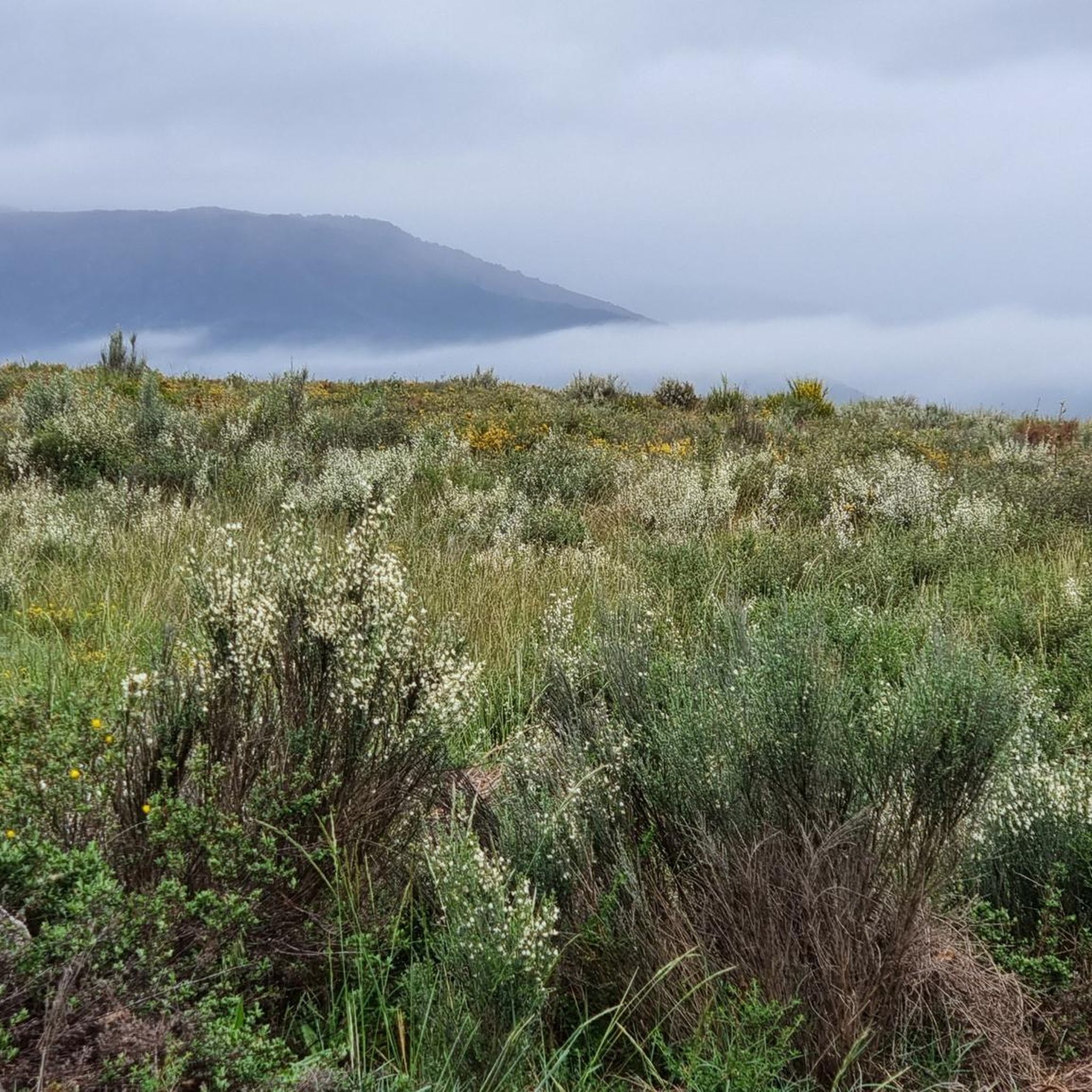
Scenic landscape in Parque Natural de Montesinho
Highlight • Natural Monument
Translated by Google •
Tip by

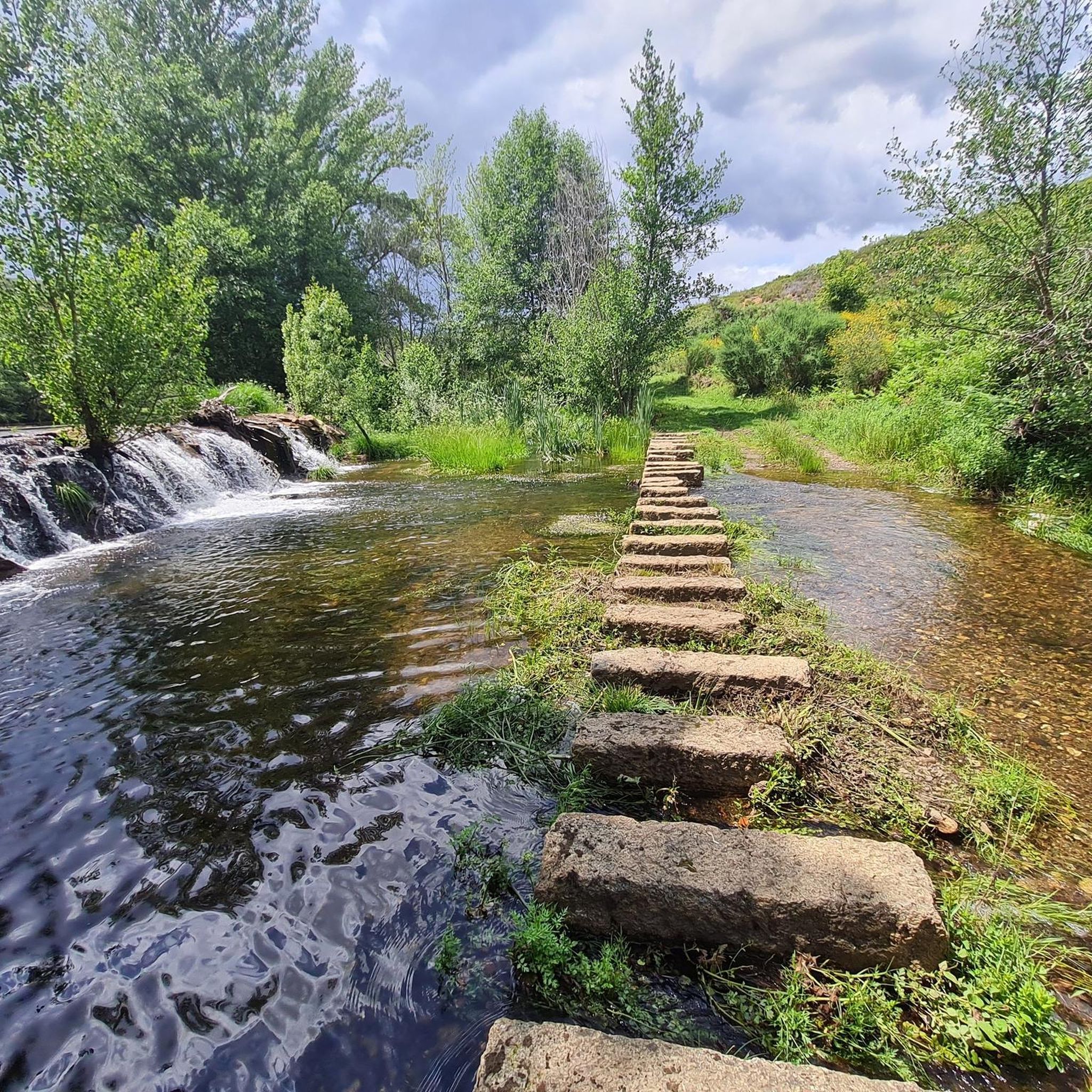
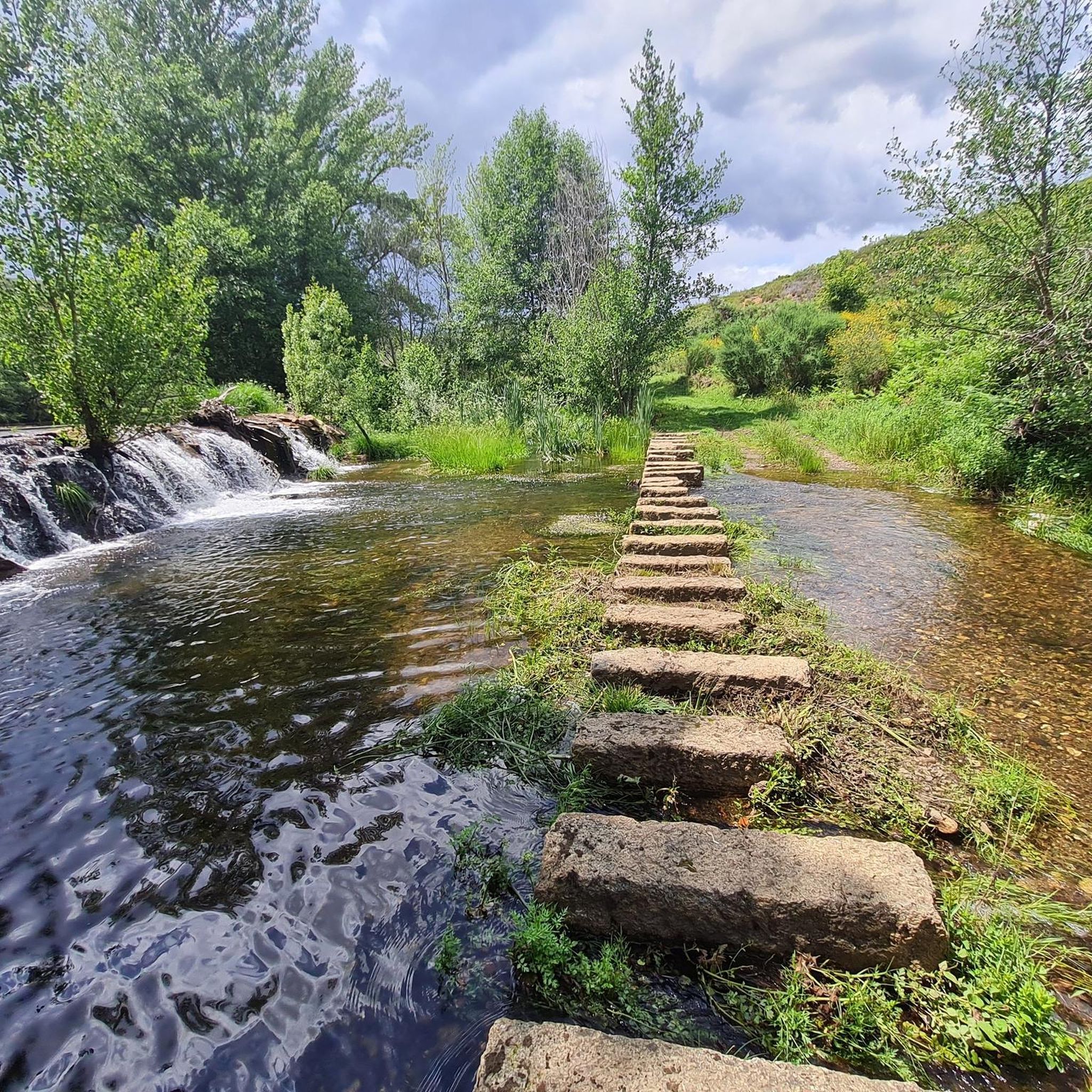
Weir and Boardwalk of the Rio Onor
Highlight • River
Translated by Google •
Tip by

França
Highlight • Settlement
Translated by Google •
Tip by

Sign up for free to discover even more attractions around Rio De Onor.
Sign up for free
Already have an account?
Start today with a free account
Your next adventure awaits.
Login or Signup
Tips from the Community

Rio de Onor is not just a beautiful village; it's a "living museum" of a way of life that has almost disappeared in Europe. It's worth visiting because it is possibly the village with the most fascinating social history in Portugal. Here are the 4 main reasons to go there: 1. It's a Community Village ("Communitarianism") This is Rio de Onor's great trademark. For centuries, the village lived under a system of total sharing among neighbors, something very rare: Sharing of Goods: The bread oven, the watermill, and even the village bull belonged to everyone. The "Rod of Justice": Decisions and fines for infractions in the village were marked on a wooden rod, managed by the "judge" elected by the people. You can see this history explained at the Casa do Touro (House of the Bull), a small, unmissable museum in the village. 2. One Village, Two Countries Rio de Onor is a village bisected by the international border. On this side is Rio de Onor (Portugal); on the other side is Rihonor de Castilla (Spain). For the inhabitants, the border never really existed: they share land, livestock, and even speak their own dialect (Rionorês), an ancient mixture of Portuguese and Castilian. It's very curious to cross from one country to the other on foot in the middle of the main street. 3. The Schist Landscape and Nature Located in the Montesinho Natural Park, the village is visually stunning. The houses are made of dark schist with wooden balconies, typical of Trás-os-Montes, and are very well preserved. The Onor River, which crosses the village, has clear waters and creates a very pleasant natural river beach in the summer, perfect for picnics. 4. The "Roman" Bridge The old stone bridge (which is actually from the 19th century, despite its popular name) is the village's postcard image. The reflection of the arches in the water with the schist houses in the background creates one of the most photogenic landscapes in Northern Portugal. Visiting Rio de Onor is like stepping back in time and understanding how communities survived in isolation in the mountains, supporting each other. It's a lesson in life and history in an incredible natural setting.
2
0

The trail follows the banks of the River Onor until it takes you to a charming weir, or small dam, where you can cross the river with the water murmuring beneath your feet. An idyllic spot, where the landscape is dazzling and the sound of the stream soothes you.
2
0

Rio de Onor is a sleepy little village right on the Portugal/Spain border. The drive through it is a challenging one and absolutely not recommended for larger campervans.
3
1

The Montesinho Natural Park covers an area of approximately 75 thousand hectares and is located in the Terra Fria Transmontana region, in the extreme northeast of Portugal, bordering the Spanish communities of Galicia and Castile-Leon. It covers the territories of two municipalities, namely Bragança and Vinhais. As a curiosity, you should know that there are more than 90 villages within the Montesinho Natural Park and that the highest point in the park is the Serra do Montesinho, whose peak is 1,486 metres above sea level.
2
0
The Montesinho Natural Park covers an area of approximately 75 thousand hectares and is located in the Terra Fria Transmontana region, in the extreme northeast of Portugal, bordering the Spanish communities of Galicia and Castile-Leon. It covers the territories of two municipalities, namely Bragança and Vinhais. As a curiosity, you should know that there are more than 90 villages within the Montesinho Natural Park and that the highest point in the park is the Serra do Montesinho, whose peak is 1,486 metres above sea level.
3
0
Small village in the Montesinho National Park. From here you can follow the old levadas to the river and there is also an excellent river beach...
3
0
Rio de Onor is one of the most emblematic villages in Bragança and the Montesinho Natural Park, and was elected the 7th Wonder of Portugal in 2017 – a village in a protected area. Crossing the border with Spain, on one side is Rio de Onor, and on the other, Rihonor de Castilla, which is why it is said to be “one village, two countries”!
5
0

Beautiful population center located at the foot of França in the middle of the Montesinho National Park. Green, round hills only crossed by towns like this!
3
0
Frequently Asked Questions
What natural features can I explore in the Rio de Onor area?
The region is nestled within the vast Montesinho Natural Park, known for its rugged landscapes and diverse flora and fauna. You can enjoy the tranquil environment of the Scenic landscape in Parque Natural de Montesinho, characterized by natural formations and quiet beauty. The Onor River, also known as Contensa, flows through the village, offering clear waters and a pleasant natural setting, including a river beach near França.
What historical and cultural sites are there in Rio de Onor?
The village of Rio de Onor Village itself is a significant cultural site, renowned for its communal spirit and well-preserved traditions. Key landmarks include the 19th-century Roman Bridge, the Mother Church, and the traditional schist and slate houses. The Casa do Touro museum offers an immersive experience into the village's unique communal practices, showcasing items like the 'stick of truth' and a documentary on its history. You can also see the historic Community Mill and Oven, testaments to the shared resources system.
What makes Rio de Onor village unique?
Rio de Onor Village holds a unique status as it straddles the international border between Portugal and Spain, with locals considering themselves part of a single, unified community. They even speak a unique dialect called 'rionorês,' a blend of Portuguese and Spanish. The village is also famous for its communal practices, such as the 'vezeira' system of shared land and rotating herds, and the traditional 'carabelho' locks on doors, symbolizing community trust.
Are there family-friendly attractions around Rio de Onor?
Yes, several attractions are suitable for families. Exploring the unique border village of Rio de Onor Village with its traditional houses and communal history can be an engaging experience. Nearby, Montesinho Village and França are also considered family-friendly settlements within the natural park, offering opportunities for gentle walks and enjoying the natural surroundings.
Where can I find the best views of the Montesinho Natural Park?
For expansive vistas of the surrounding natural park, visit the View of the Montesinho Hills. This viewpoint offers breathtaking scenery of the 75,000-hectare park, which includes Serra do Montesinho, its highest point at 1,486 meters above sea level. The Scenic landscape in Parque Natural de Montesinho also provides quiet and relaxing natural beauty with its unique rock formations.
What kind of outdoor activities can I do near Rio de Onor?
The Montesinho Natural Park offers numerous opportunities for outdoor activities. You can explore a variety of cycling routes, including road cycling, mountain biking, and touring bicycle options. For detailed routes and maps, check out the guides for Road Cycling Routes around Rio De Onor, MTB Trails around Rio De Onor, and Cycling around Rio De Onor.
Are there specific cycling routes available around Rio de Onor?
Yes, there are various cycling routes catering to different preferences. For road cycling, you can find challenging routes like the 'Montesinho Natural Park Loop from Bragança' or 'Peña Mira and Rio de Onor Loop from Puebla de Sanabria'. Touring cyclists might enjoy 'Rio de Onor from Puebla de Sanabria' or 'Old Cathedral of Bragança – Rio de Onor Village loop from Bragança'. You can find more details and maps in the Cycling around Rio De Onor guide.
Can I find mountain biking trails in the Montesinho Natural Park?
Absolutely. The Montesinho Natural Park offers several mountain biking trails, ranging from moderate to difficult. Examples include 'Linarejos and Rihonor de Castilla from Robledo' and 'Puebla de Sanabria desde Robledo'. These trails allow you to explore the rugged terrain and natural beauty of the park. For a comprehensive list and maps, refer to the MTB Trails around Rio De Onor guide.
What is the best time of year to visit Rio de Onor?
Rio de Onor and the Montesinho Natural Park offer beauty throughout the year, but the best time often depends on your preferred activities. Spring and autumn provide pleasant temperatures for hiking and exploring the villages, with vibrant natural colors. Summers are generally warm and sunny, ideal for enjoying the river beach. Winters can be cold, but offer a unique, serene experience of the traditional villages.
Are there other traditional villages to visit nearby?
Within the Montesinho Natural Park, there are over 90 villages, each with its own charm. Besides Rio de Onor Village, you can visit Montesinho Village, which is another settlement within the park. França is also a beautiful population center located at the foot of França, offering green, round hills and an excellent river beach.
What makes the traditional houses in Rio de Onor unique?
The traditional houses in Rio de Onor are a distinctive feature of the village's heritage. Constructed from schist and slate, they typically have two stories. Historically, the ground floor was used for livestock and agricultural products, while the upper floor housed families, often featuring an outside staircase and a balcony. This architectural style reflects the traditional Trás-os-Montes way of life and the close relationship between villagers and their land.
What is the 'Casa do Touro' and what can I learn there?
The Casa do Touro, or House of the Bull, is a museum in Rio de Onor that tells the story of the village's unique communal practices. It was formerly where the community bull was kept. Today, it offers an immersive experience, utilizing augmented reality to showcase past community life, including the communal bull and boys' festivals. Important exhibits include the chain that once closed the village after April 25th and the 'stick of truth' (rod of justice), along with a documentary about the village's history.
Most popular routes around Rio De Onor
Most popular attractions around Rio De Onor

Get inspired with the komoot mobile app


Explore more
Still not found the Highlight you’re looking for? See guides of the top attractions in other regions:
