Attractions and Places To See around São Martinho De Angueira - Top 13
Best attractions and places to see around São Martinho De Angueira include historical sites, traditional architecture, and natural features within the International Douro Natural Park. This region, situated near the border with Spain, offers insights into its mining past and prehistoric settlements. Visitors can explore a landscape characterized by the Douro River's dramatic cliffs and local stone constructions. The area provides opportunities to discover both cultural heritage and natural landmarks.
Best attractions and places to see around São Martinho De…
Last updated: July 28, 2026
Molinos de los Tejeros
Highlight • Monument
Translated by Google •
Tip by

Molino de los Carbajos
Highlight • Structure
Translated by Google •
Tip by
Sign up now to discover places like this
Get recommendations on the best single tracks, peaks, & plenty of other exciting outdoor places.
Sign up for free
Traditional Stone Architecture of Rabanales
Highlight • Settlement
Translated by Google •
Tip by
Peña el Pingón Cave and Bridge
Highlight • Cave
Translated by Google •
Tip by

Alcanices 🇪🇦
Highlight • Settlement
Translated by Google •
Tip by

Sign up for free to discover even more attractions around São Martinho De Angueira.
Sign up for free
Already have an account?
Start today with a free account
Your next adventure awaits.
Login or Signup
Popular around São Martinho De Angueira
Tips from the Community

Rabanales is known in the Aliste region for preserving a historic center with abundant examples of traditional stone architecture, a hallmark of western Zamora. This architecture is characterized by its robustness, its integration with the landscape, and the use of local materials. The traditional houses and buildings are constructed primarily with local stone, especially granite, which provides solidity and a distinctive rustic aesthetic.
2
0
Peña el Pingón is a prominent natural landmark on the hiking trails of Alcañices. Located in a spectacular setting, it is one of the most highly recommended spots by both local and visiting hikers. At the base of Peña el Pingón, or in its immediate vicinity, lies a cave, seamlessly integrated into the surrounding rocky landscape. It adds to the area's charm and is a popular stopping point on hiking routes.
2
0
Alcañices is a great getaway if you enjoy towns with medieval history, nature, and a relaxed pace of life. Its location in the Aliste region, near the Portuguese border, gives it a unique character.
2
0

Alcañices is 21 km from the Quintanilha border and was the site of an important event in Portuguese history. On September 12, 1297, in the town of Alcañices, province of Zamora, one of the most important treaties between Portugal and Spain was signed. It was a border agreement intended to resolve several ongoing conflicts between Portugal and Castile, preventing minor territorial disputes from dragging the two countries into a larger war. The treaty was signed between the King of Portugal, D. Dinis, and the King of Castile, Ferdinand IV, and followed a period of tension between the two crowns, during which several military incursions from both sides and various points of contention had raised the risk of a general confrontation. It was, therefore, an agreement for the mutual cession of border positions and the recognition of a dividing line between the territories of the two countries.
4
0
The Molino de los Carbajos is an old mill located in the Aliste region, near Fonfría, in the province of Zamora. This mill is a popular point of interest for hiking and nature lovers. It is located on a marked trail that runs from Brandilanes to Castro, following the white and yellow signs. The Molino de los Carbajos is perfect for a short excursion and to enjoy the natural beauty of Aliste.
5
0
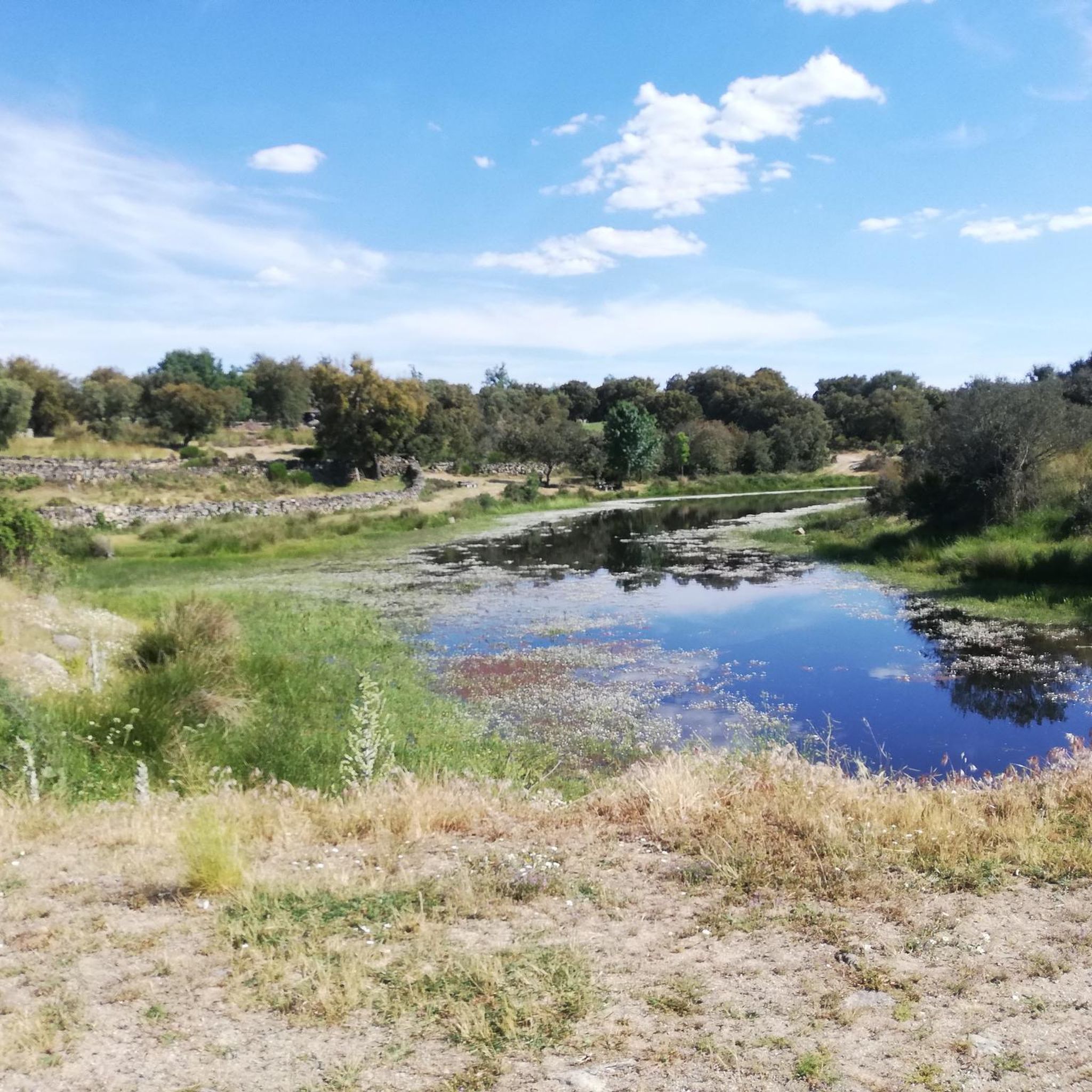
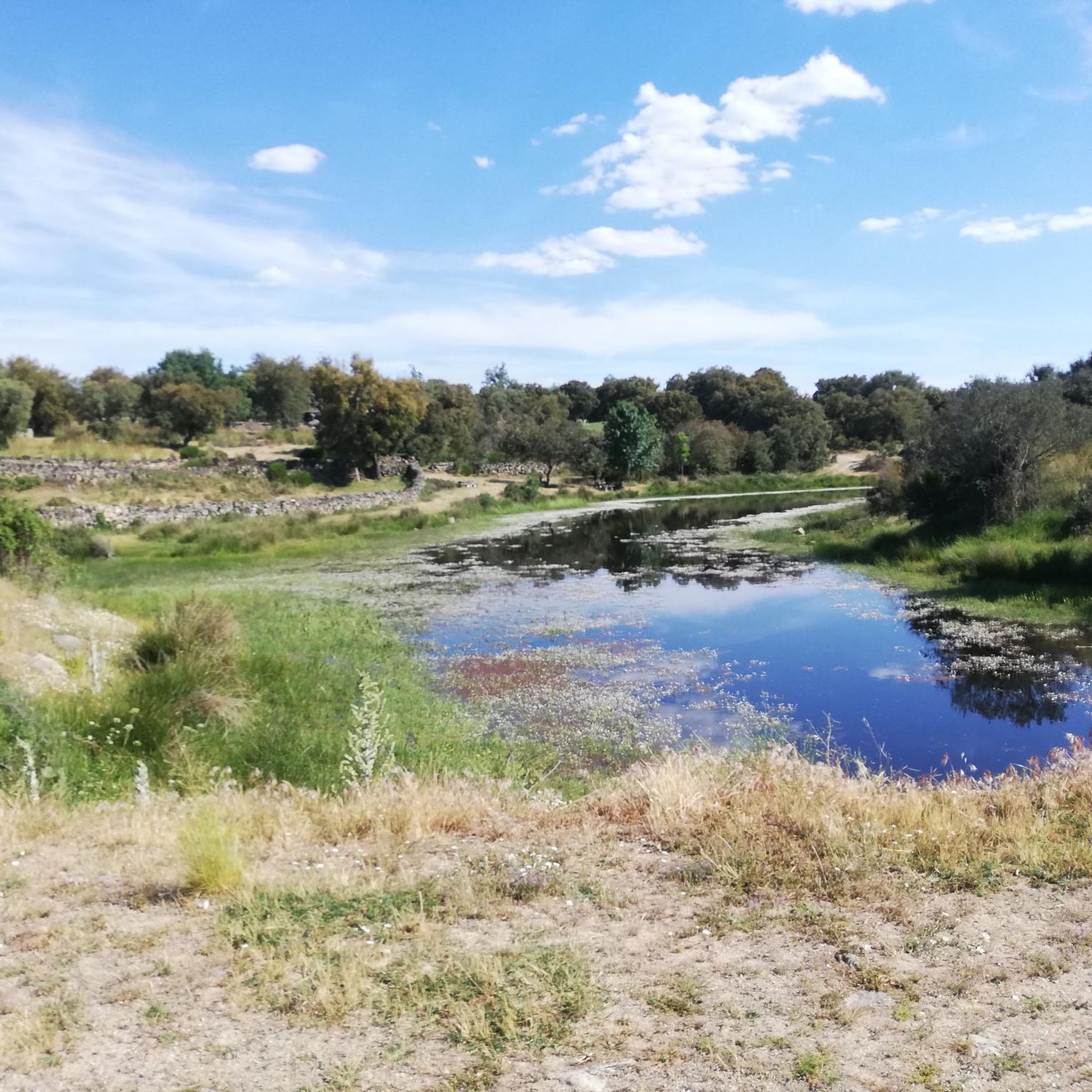
The Molino de los Tejeros is located on the hiking route that goes from Castro de Alcañices to Brandilanes, in the Aliste region, Zamora. This route, known as the Rivera de los Molinos, is famous for its natural beauty and its ethnological heritage, since along the route you can see several old water mills.
8
0

Rabanales is a small town located in the Aliste region with the typical traditional local architecture of masonry buildings.
1
1

At this point of the route we find the El Pingón rock located in a spectacular environment, just like the kilometers that lie ahead of us. In the place there is a cave and a picturesque bridge.
3
0
Frequently Asked Questions
What natural landmarks can I explore around São Martinho De Angueira?
The region is home to the spectacular Peña el Pingón Cave and Bridge, a prominent natural landmark set in a stunning environment. It features a cave and a picturesque bridge, making it a popular stop on hiking routes. Additionally, São Martinho de Angueira is situated within the expansive International Douro Natural Park, known for its wild, rugged landscapes and dramatic cliffs carved by the Douro River.
Are there any historical or cultural sites to visit in the area?
Yes, the area is rich in history. You can explore the traditional Traditional Stone Architecture of Rabanales, which showcases robust constructions made with local granite. The main church of São Martinho de Angueira, Igreja de São Pedro, features two altarpieces, including one in the Joanine style. The Alcanices 🇪🇦 settlement itself holds historical significance, being the site of an important treaty between Portugal and Castile in 1297. You can also see the Clock Tower of Alcañices, one of the remaining sections of the old town wall.
What kind of outdoor activities are available near São Martinho De Angueira?
The scenic surroundings of São Martinho De Angueira are ideal for outdoor enthusiasts. You can find numerous routes for hiking and cycling. For road cycling, explore routes like 'Salto de Castro e Moveros — circular pelo Parque Natural do Douro Internacional' or 'Alcanices - tour around Sejas de Aliste and Rabano de Aliste'. Mountain biking options include 'the Anguerira river from Alcañices — circular route through the Serapicos highlands — the Arribes del Duero Natural Park' or 'Grisuela y Rabanales desde Alcañices — circular por la Ribera del río Mena'. You can find more details on these and other routes in the Road Cycling Routes around São Martinho De Angueira and MTB Trails around São Martinho De Angueira guides.
Are there any family-friendly attractions in the area?
The Clock Tower of Alcañices is categorized as family-friendly, offering a glimpse into the region's history. Exploring the traditional stone architecture in Rabanales or the natural beauty of the International Douro Natural Park can also be engaging for families who enjoy walking and discovery.
What is the significance of the traditional stone architecture in the region?
The Traditional Stone Architecture of Rabanales, characteristic of the Aliste region, is notable for its robustness and integration with the landscape. These buildings are primarily constructed with local materials like granite, giving them a distinctive rustic aesthetic and reflecting the historical building practices of the area.
What is the International Douro Natural Park known for?
The International Douro Natural Park, where São Martinho de Angueira is located, is renowned for its wild and rugged landscapes. It features dramatically steep cliffs carved by the Douro River, which forms part of the border between Portugal and Spain. The park is a haven for diverse flora and fauna, including various birds of prey, making it an excellent spot for nature observation.
Can I learn about the mining history of São Martinho de Angueira?
Yes, the area has a significant mining past. The Estátua do Mineiro (Statue of the Miner), erected in 2009 at the village entrance, commemorates the local miners and the historical tin and tungsten mines that operated in the area from 1850 to 1990. This landmark serves as a tribute to the region's industrial heritage.
Are there any ancient settlements or archaeological remains nearby?
The region is rich in ancient history, with evidence of prehistoric or proto-historic settlement. Traces of two ancient fortified settlements, known as 'castros' (Pisão and Rebullhal), have been identified. Rock engravings and metallic artifacts, including a sword, have also been discovered in the vicinity, indicating a long human presence in the area.
What makes the settlement of Alcañices historically important?
Alcanices 🇪🇦 is historically significant as the location where the Treaty of Alcañices was signed on September 12, 1297. This treaty was a crucial border agreement between the King of Portugal, D. Dinis, and the King of Castile, Ferdinand IV, resolving territorial conflicts and establishing a dividing line between the two kingdoms.
What is the best way to experience the natural beauty of the Douro River cliffs?
The best way to experience the dramatic cliffs of the Douro River within the International Douro Natural Park is by exploring the numerous hiking and cycling routes available. These trails often offer stunning viewpoints and allow you to immerse yourself in the rugged landscapes and observe the diverse wildlife, including birds of prey.
What is São Martinho de Angueira itself like as a settlement?
São Martinho de Angueira is a settlement located in this border area, characterized by a collection of small, linked towns. It serves as a gateway to the region's historical sites, traditional architecture, and the natural beauty of the International Douro Natural Park.
Are there any specific churches or religious sites of interest?
The main church of São Martinho de Angueira is the Igreja de São Pedro (Saint Peter's Church). It is notable for its two altarpieces, particularly the main altar in the Joanine style, adorned with Solomon columns, rose garlands, and an inverted pyramid design. The altar of Nossa Senhora do Rosário also displays similar architectural details.
Most popular routes around São Martinho De Angueira

Get inspired with the komoot mobile app


Explore more
Still not found the Highlight you’re looking for? See guides of the top attractions in other regions:
