The best road cycling routes around Pêro Viseu
4.8
(38)
1,345
riders
94
rides
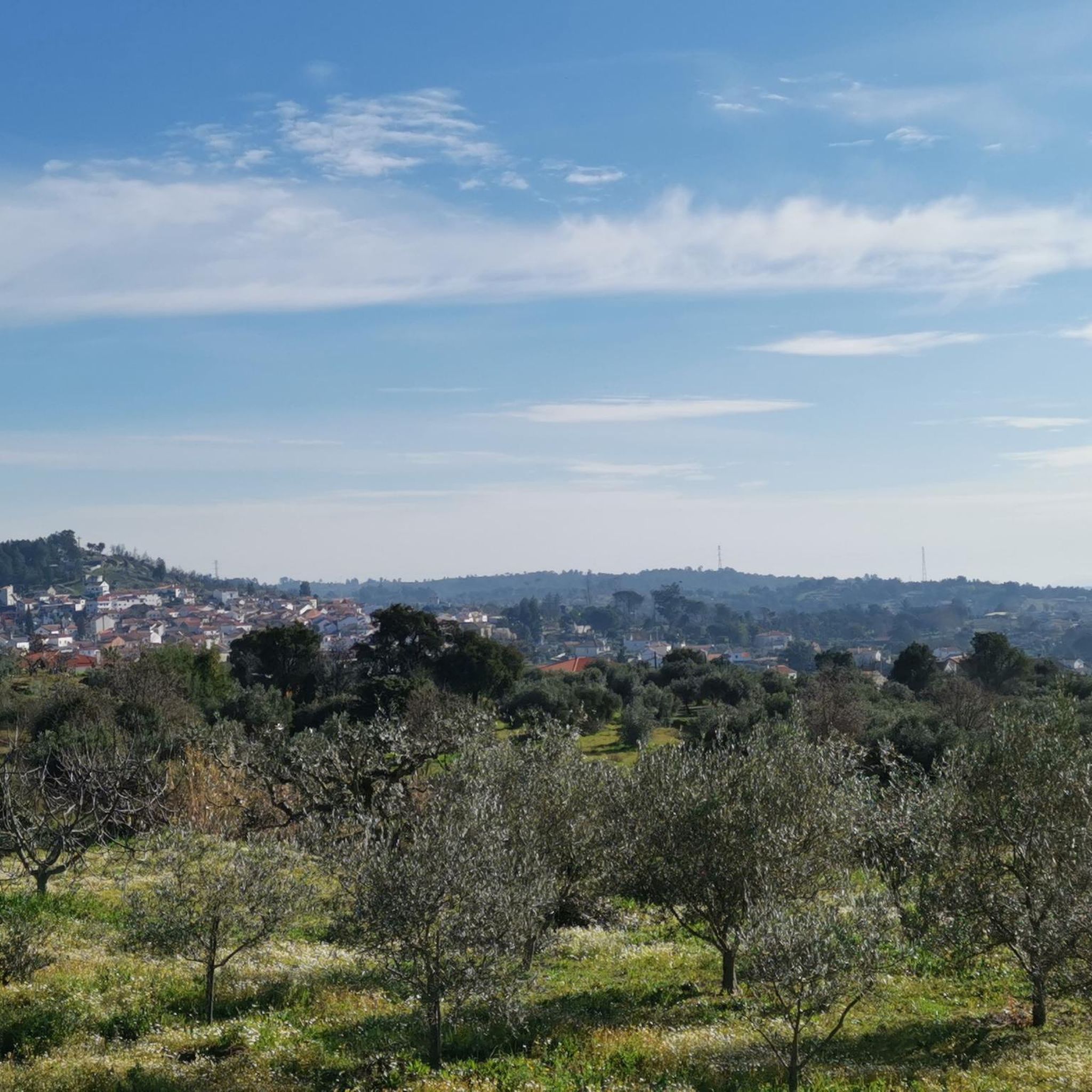
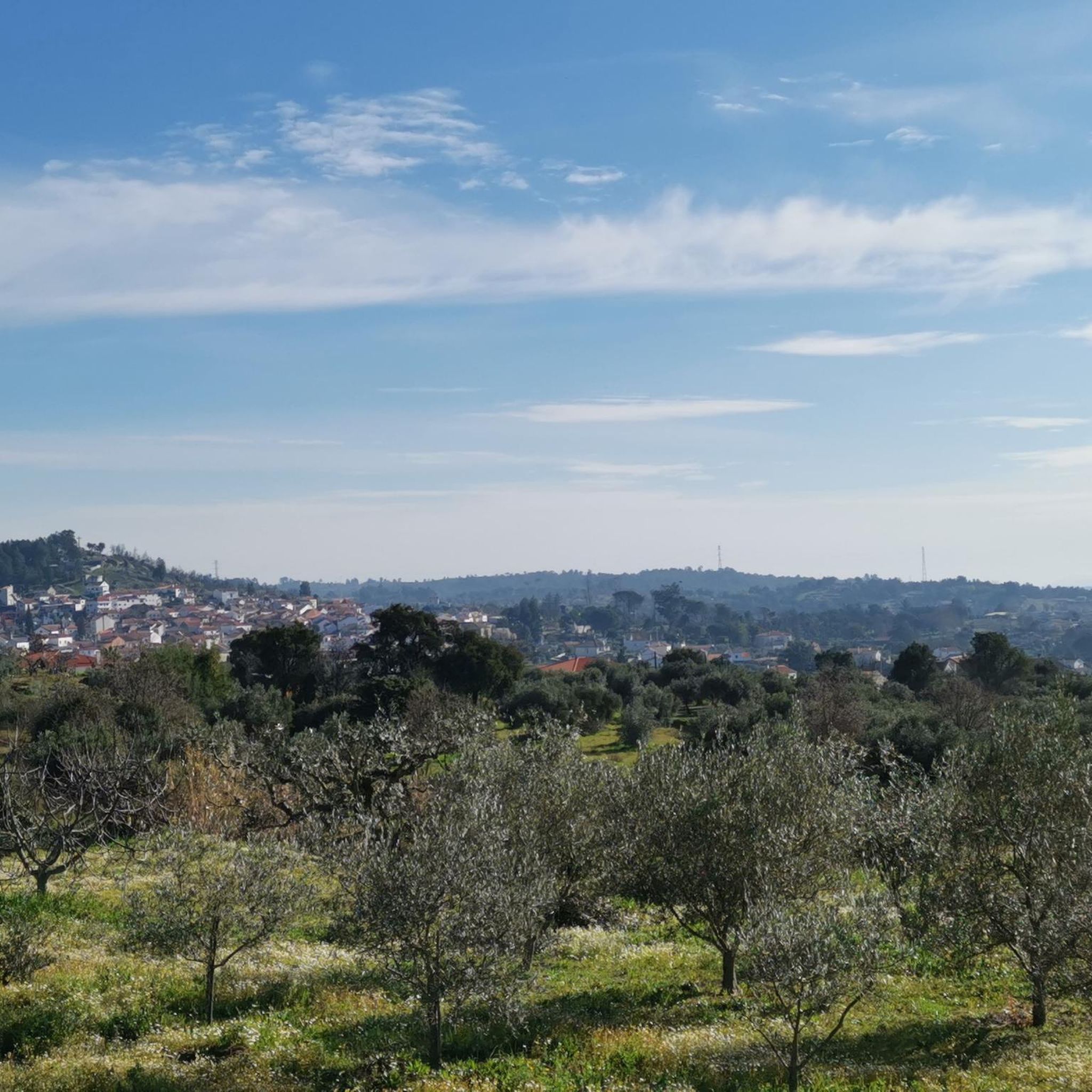
Road cycling routes around Pêro Viseu traverse a diverse landscape, from the rolling hills and river valleys of the Viseu region to the challenging climbs of the Serra da Estrela mountains. The area features varied terrain, including the accessible Ecopista do Dão, a converted railway line offering flat, traffic-free sections. Cyclists can find routes winding through wooded areas, terraced farmland, and quiet villages, providing a mix of ascents and descents.
Best road cycling routes around Pêro Viseu
- The most popular…
Last updated: May 11, 2026
4.5
(4)
149
riders
55.8km
03:55
1,760m
1,760m
Hard road ride. Very good fitness required. Some segments of this route may be unpaved and difficult to ride.
4.8
(5)
35
riders
116km
05:31
1,400m
1,400m
Hard road ride. Very good fitness required. Some segments of this route may be unpaved and difficult to ride.

Sign up for free
5.0
(1)
27
riders
43.9km
02:06
560m
560m
Moderate road ride. Good fitness required. Some segments of this route may be unpaved and difficult to ride.
17
riders
52.4km
02:33
720m
720m
Moderate road ride. Good fitness required. Mostly well-paved surfaces and easy to ride.
5.0
(2)
16
riders
84.6km
03:48
860m
860m
Moderate road ride. Good fitness required. Some segments of this route may be unpaved and difficult to ride.
Get access to more routes and recommendations from other explorers.
Sign up for free
Already have an account?
Our route recommendations are based on thousands of hikes, rides, and runs completed by other people on komoot.
Start today with a free account
Your next adventure awaits.
Login or Signup


Tips from the Community

The Torre is the highest point of Continental Portugal, at 1,993 meters above sea level. It is located in the heart of the Serra da Estrela Natural Park and serves as the dividing line between the municipalities of Seia, Manteigas, and Covilhã. To reach the round 2,000 meters, King D. João VI had a stone monument built at the top of the plateau in the early 19th century.👍🥾
0
0
Cântaro Magro is one of the "commonplaces" of the Serra da Estrela mountain range, whose summit rises to 1928 m altitude, deserving a visit at any time of year. Viewed from west to east, its silhouette resembles a pitcher. In summer, its rocky face is interrupted by small terraces of soil, where some of the rarest botanical jewels of the mountain range grow. In winter, it is covered in snow and ice which, as they melt, form ephemeral waterfalls. These recall the overflowing liquid from the pitchers carried on the heads of women when, in the past, they went to the fountains. #CISE #VisitSeia #ParqueNaturaldaSerradaEstrela
0
0

Offering breathtaking views of the southeastern slopes of the Serra da Estrela, Cova da Beira, and the charming city of Covilhã, the Varanda dos Carqueijais, which rises 1,130 meters above sea level, is a stunning suspended viewpoint, magnificently perched in the heart of the surrounding natural landscape. The suspended walkway was the best way to provide an excellent experience for visitors, creating a kind of amphitheater, a balcony overlooking the inspiring natural landscape. This viewpoint is an integral part of the viewpoint route, developed by the Municipality of Covilhã, with the aim of promoting the region's natural heritage.
0
0

Penamacor, once one of the most imposing border fortresses, still bears traces of its military importance. The medieval castle, classified as a National Monument, stands as a testament to the ancient defensive line of Beira. Amidst narrow streets and walls, memories of the Jewish quarter, a refuge for Jews expelled from Spain in 1492, also emerge. In this context, Penamacor is above all the birthplace of António Ribeiro Sanches, a physician, philosopher, and medical reformer who served Catherine of Russia.
2
0
São Vicente da Beira was founded in 1173, when King Afonso Henriques named it in honor of the saint's relics arriving in Lisbon. It received a charter in 1195 from King Sancho I, who wanted to repopulate these lands, nearly deserted after the Muslim invasions. Between renewed charters and stories of the nobles who lived here, the parish became one of the most important in the region, preserving the weight of its medieval memory to this day.
1
0

The Serra da Estrela Natural Park is something truly special. This 1,000-square-kilometer park, spread across six municipalities, was the first and currently the largest protected natural park in Portugal. It is home to the highest point on the Portuguese mainland, the country's only ski slope, the source of two important rivers, and a fascinating, alpine-like landscape formed by glaciers.
5
1

At exactly 1993 meters above sea level, Torre is the highest point in mainland Portugal, where the only ski resort is located. The landscape on the upper plateau of the Serra da Estrela is like a sprinkling of granite rocks over low scrub and patches of snow and ice, which the sun threatens to melt soon in the summer and which always returns the following winter. In winter, it sometimes becomes inaccessible.
6
0
Frequently Asked Questions
What types of road cycling routes can I find in Pêro Viseu?
Pêro Viseu offers a diverse range of road cycling routes, from the largely flat and traffic-free Ecopista do Dão, ideal for leisurely rides, to challenging mountain climbs in the Serra da Estrela Natural Park. You'll find routes winding through rolling hills, wooded areas, terraced farmland, and quiet villages, providing a mix of ascents and descents for all skill levels.
Are there any easy or family-friendly road cycling routes in the region?
Yes, for easier rides, the Ecopista do Dão is an excellent choice. This 49-kilometer converted railway line is largely flat and traffic-free, making it suitable for families and those seeking a relaxed cycling experience. It offers picturesque views along the Dão River and passes through charming old train stations and picnic spots.
Where can I find challenging road cycling routes with significant climbs?
For experienced road cyclists seeking a challenge, the Serra da Estrela Natural Park, located nearby, offers demanding routes with significant climbs. You can tackle ascents like the iconic 'Torre', the highest point in mainland Portugal, or the demanding 'Folgosinho'. A good example is the difficult Cântaro Magro – Serra da Estrela loop from Tortosendo, which features substantial elevation gain.
What is the best time of year for road cycling in Pêro Viseu?
The Viseu region generally experiences pleasant weather for cycling from spring through autumn. Spring (April-May) and early autumn (September-October) often provide comfortable temperatures and beautiful scenery. Summer can be warm, especially in lower elevations, but the higher altitudes of Serra da Estrela offer cooler conditions. Winter can bring colder temperatures and snow to the mountains, making it more suitable for experienced riders prepared for such conditions.
Are there any long-distance road cycling routes available?
Yes, the region is part of the broader network that includes the Historical Villages of Portugal Grand Cycle Route, a 700-kilometer route connecting twelve historically significant locations. Locally, you can find longer routes like the difficult São Vicente da Beira – Roman Bridge loop from Tortosendo, which covers over 113 kilometers and offers varied scenery.
What do other road cyclists enjoy most about cycling in Pêro Viseu?
The road cycling routes in Pêro Viseu are highly rated by the komoot community, with an average score of 4.8 stars from over 30 reviews. Cyclists often praise the diverse terrain, from the scenic river valleys to the challenging mountain passes, and the opportunity to explore quiet villages and historical sites. The mix of accessible and demanding routes is also frequently highlighted.
Can I find circular road cycling routes in Pêro Viseu?
Yes, many of the road cycling routes in Pêro Viseu are designed as loops, allowing you to start and end in the same location. Examples include the Cântaro Magro – Serra da Estrela loop from Tortosendo and the Roman Bridge loop from Tortosendo, offering convenient options for exploring the region.
Are there opportunities to experience local culture or find cafes along the routes?
Cycling through Pêro Viseu often leads you through numerous quiet villages, providing a taste of authentic Portuguese rural life. These villages can offer opportunities to stop, experience local culture, and some may have basic cafes where you can refuel. The region is also known for its traditional products like cheese, wine, and olive oil, which you might encounter along your ride.
How many road cycling routes are available in Pêro Viseu?
There are nearly 100 road cycling routes available in the Pêro Viseu region on komoot. This includes a wide range of options, with 6 easy routes, 37 moderate routes, and 51 difficult routes, ensuring there's something for every skill level.
Are there any historical or cultural attractions accessible by road bike?
Absolutely. The region is rich in history. You can cycle along routes that pass through charming villages and historical sites. The broader area is connected by the Historical Villages of Portugal Grand Cycle Route, offering a unique opportunity to explore ancient castles and military defense walls. Locally, routes like the São Vicente da Beira – Roman Bridge loop from Tortosendo incorporate historical landmarks such as a Roman Bridge.
What kind of scenery can I expect while road cycling in Pêro Viseu?
You can expect highly varied and beautiful scenery. Routes often feature panoramic views of mountains like Serra do Caramulo and Serra da Estrela, river valleys, and 'green tunnels' of vegetation, especially along the Ecopista do Dão. You'll also pass through wooded areas, terraced farmland, vineyards, and traditional Portuguese villages, offering a rich visual experience.
Most popular routes around Pêro Viseu

Get inspired with the komoot mobile app


Explore more
Browse the best Road cycling routes in other regions.
