Attractions and Places To See around Erpel - Top 20
Best attractions and places to see around Erpel are found in this historic medieval town situated on the Rhine. Nestled at the foot of the Erpeler Ley and near the Siebengebirge, Erpel offers a blend of historical landmarks and natural beauty. The town is characterized by its well-preserved historic center with half-timbered houses and significant structures from the 17th and 18th centuries. Visitors can explore its rich history and scenic landscapes along the Rhine.
Best attractions and places to see…
Last updated: August 2, 2026
Drachenfels Castle Ruins
Highlight • Castle
Translated by Google •
Tip by

Lion castle ruins
Highlight • Castle
Translated by Google •
Tip by

Sign up now to discover places like this
Get recommendations on the best single tracks, peaks, & plenty of other exciting outdoor places.
Sign up for free
View of Drachenburg Castle
Highlight • Viewpoint
Showing Translation
Tip by

Siegfried Pulpit
Highlight • Viewpoint
Showing Translation
Tip by

Stenzelberg Rock Formations
Highlight • Natural Monument
Geologically, the Stenzelberg is a …
Translated by Google •
Tip by

Sign up for free to discover even more attractions around Erpel.
Sign up for free
Already have an account?
Start today with a free account
Your next adventure awaits.
Login or Signup

Tips from the Community

Climbing on the Stenzelberg has been expressly forbidden since June 2005. Previously, the Rhein-Sieg district had tolerated climbing, although the Stenzelberg, like the entire Siebengebirge, had been designated as a nature reserve (NSG) since 1920. The climbing ban became necessary due to the new nature reserve ordinance in the course of the recognition of the Siebengebirge as FFH area 5309-301 (Fauna-Flora-Habitat) of the European Union. In particular, the occurrence of the wall lizard was concerned and egg-laying sites at the foothills of the fields were destroyed. Despite the ban, climbing continued illegally after 2005. The path to the rocks was therefore closed by the forestry department.
13
0

An absolute highlight of our hike. Just great to look at.
13
0

The Stenzelberg is geologically a spring dome from the volcanic rock Latit. The rising magma did not reach the earth's surface here, but got stuck in the surrounding tuff cover rock. The softer tuff was later eroded away, exposing the harder latite. The Stenzelberg has been used as a quarry since the 11th century, in which quartz latite rock was mined. The Heisterbach Abbey also operated a quarry on the Stenzelberg. The quarried material was also used to build the monastery buildings and the abbey church. Furthermore, rock from the Stenzelberg was used for the Propsteikirche in Oberpleis, the Nikolauskapelle in Heisterbacherrott and the Bonn Minster, and later also for the churches in Niederdollendorf, in Oberdollendorf and in Asbach. The operation of the quarry ended in 1931. Source: https://www.kuladig.de/Objectansicht/O-FJK-20100630-0032
14
0

The Stenzlberg offers rugged rocks, exciting views, history and beautiful narrow paths.
15
0

A bizarre rocky landscape in the Siebengebirge.
13
0
Has its appeal even in fog.
13
0

The Stenzelberg is a 287 meter high mountain in the Siebengebirge and is located southwest of the Heisterbacherrott district of Königswinter near the Heisterbach monastery. Geologically, the Stenzelberg is a spring dome from the volcanic rock Latit, whereby the rising magma did not reach the earth's surface, but got stuck in the surrounding tuff cover rock. Erosion later eroded the softer tuff and exposed the harder latite. The Stenzelberg has been used as a quarry for quartz latite since the 11th century. The stone was used, among other things, for the Propsteikirche in Oberpleis, the Nikolauskapelle in Heisterbacherrott and the Bonn Minster, and later also for the churches in Niederdollendorf, Oberdollendorf and Asbach. Quarrying ended in 1931.[3] After the closure of the quarries, a characteristic landscape developed on the Stenzelberg, which offers the special flora and fauna of a dry biotope. (Info taken from https://de.wikipedia.org/wiki/Stenzelberg)
21
0

Great rocks with a great view of the Rhine
13
0
Frequently Asked Questions
What historical sites can I explore in Erpel?
Erpel is rich in history. You can wander through the Historic Town Center with its well-preserved medieval layout and half-timbered houses. Key landmarks include the St. Severinus Church, the Historic Town Hall, and the ancient town gates like the Neutor and Rheintor with Fronhof. Don't miss the Historic Bridge Towers of the Bridge of Remagen, which played a significant role in World War II.
Are there any natural attractions or scenic viewpoints in Erpel?
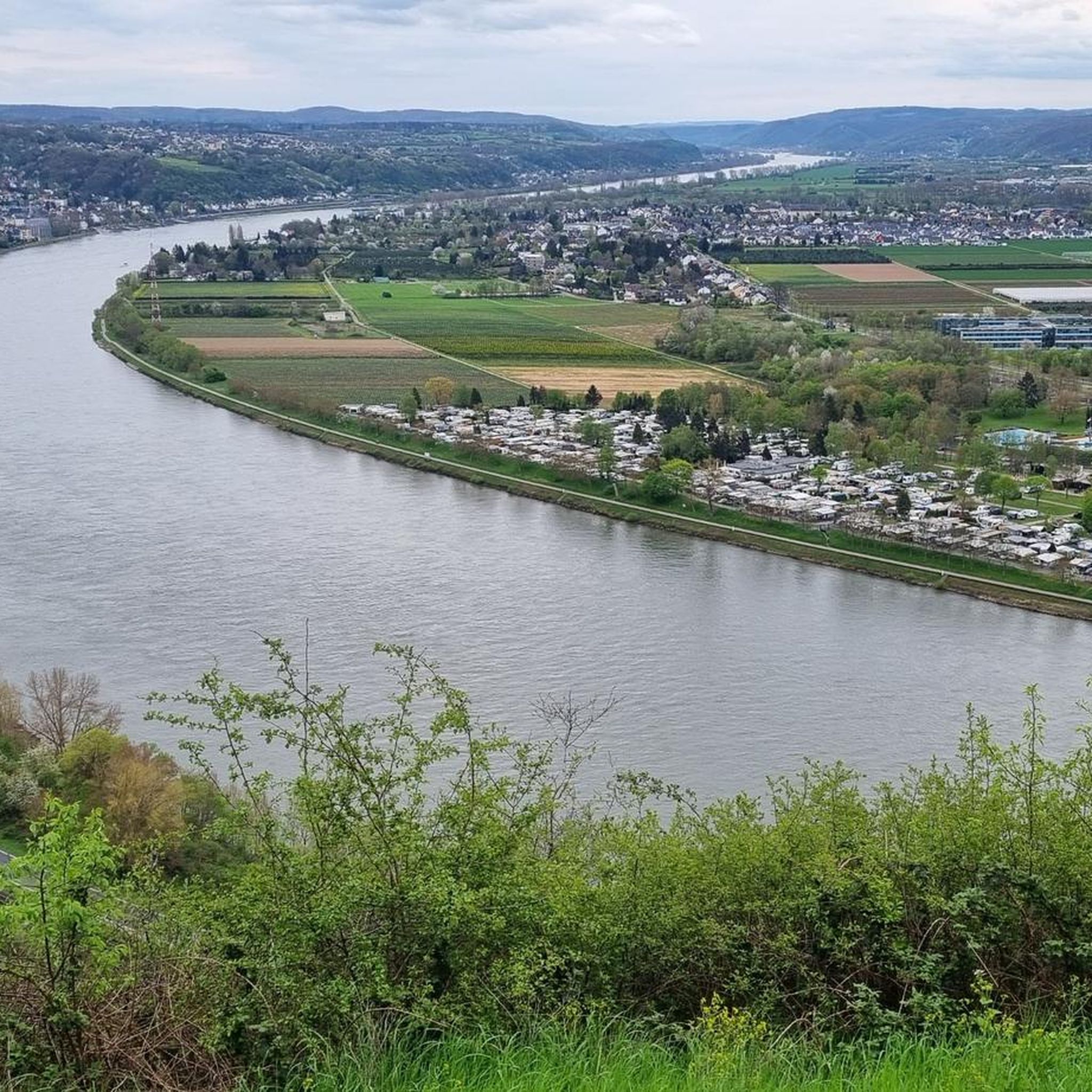
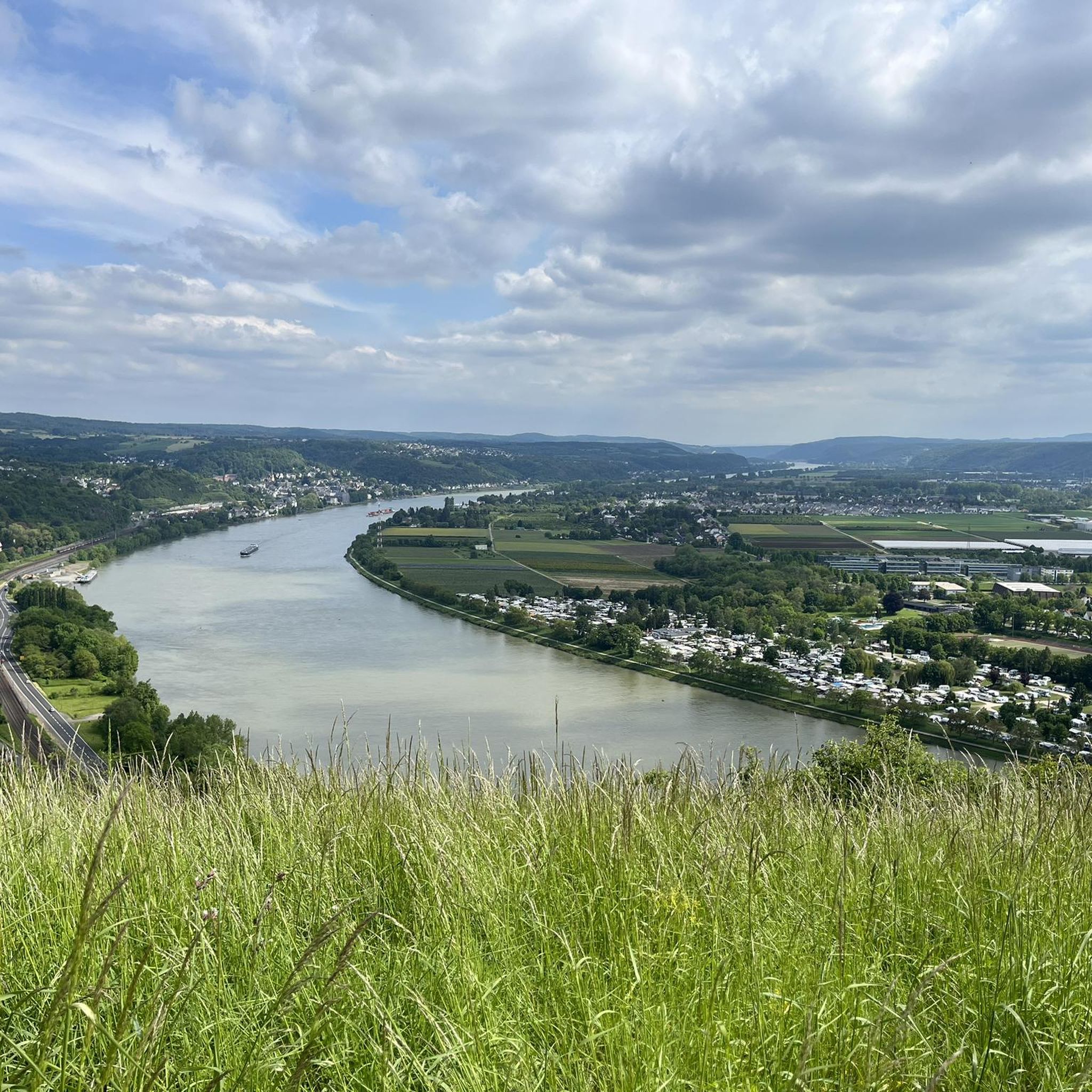
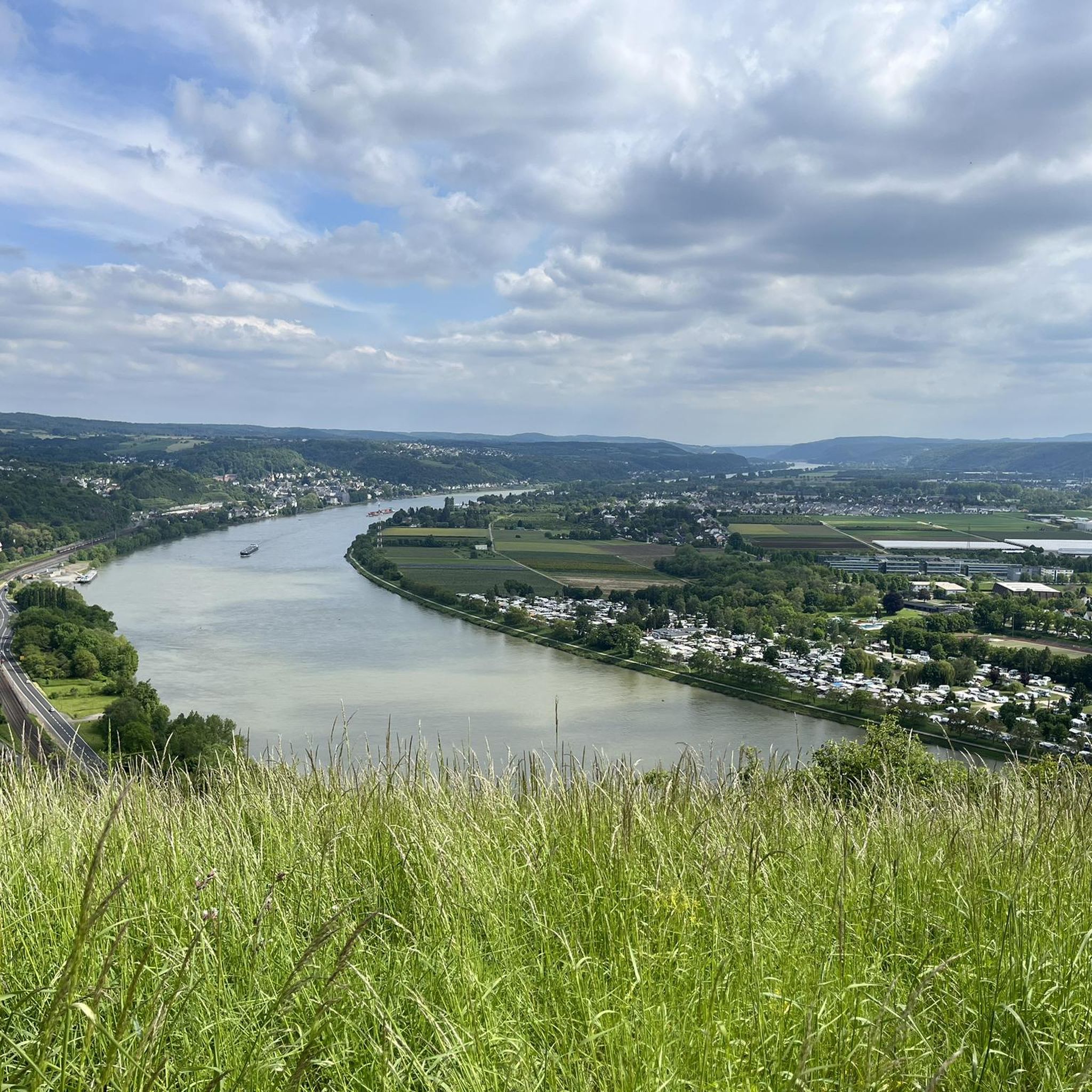
Absolutely! The Erpeler Ley offers scenic views and is deeply tied to the town's origins. You can also enjoy a stroll along the Rhine Promenade. For breathtaking vistas, visit the Lion castle ruins, which provide a quiet place with a great view of the Rhine Valley and the Siebengebirge. Another popular spot is the View of Drachenburg Castle, offering perspectives of the castle and the Rhine Valley, sometimes even the Cologne skyline on clear days. The Stenzelberg Rock Formations also provide a unique natural landscape with rugged rocks and narrow paths.
What outdoor activities can I do near Erpel?
Erpel is an excellent base for outdoor enthusiasts. You can find numerous routes for cycling, hiking, and running. For cycling, explore routes like the 'Erpel Old Town – View of Linz am Rhein loop' or the 'Neutor (Erpel) – Erpel Old Town loop'. Hikers can enjoy trails such as the 'View of Apollinariskirche – Unkel Waterfall loop'. Runners have options like the 'View of Apollinariskirche – Prison Tower Unkel loop'. You can find more details and routes in the dedicated guides for Cycling around Erpel, Waterfall hikes around Erpel, and Running Trails around Erpel.
Are there family-friendly attractions around Erpel?
Yes, several attractions around Erpel are suitable for families. The Lion castle ruins are considered family-friendly and offer a great view. The Rhine Promenade is also perfect for a leisurely family stroll. Exploring the historic town center with its half-timbered houses can be an engaging activity for all ages.
What is the best time to visit Erpel for outdoor activities?
The region around Erpel is beautiful throughout the year. Spring and autumn offer pleasant temperatures for hiking and cycling, with vibrant foliage or blooming landscapes. Summer is ideal for enjoying the Rhine promenade and outdoor cafes. Even winter walks can be charming, especially along the Rhine, though some trails might be more challenging.
Where can I find information about the history of Erpel's buildings?
Erpel's history is deeply embedded in its architecture. The Historic Town Center, with structures from the 17th and 18th centuries, provides a visual timeline. The St. Severinus Church dates back to 1240-1250, and the Rheintor was built around 1589. For detailed information on specific cultural monuments, you might find resources on local history or heritage websites. For a broader overview of cultural monuments in Erpel, you can consult resources like Wikipedia's list of cultural monuments in Erpel.
What do visitors enjoy most about the attractions around Erpel?
Visitors particularly appreciate the stunning panoramic views, the historical ambiance, and the natural beauty. For instance, the Lion castle ruins are praised for their 'fabulous view' extending from the Koblenz TV Tower to the Cologne Cathedral. The Stenzelberg Rock Formations are loved for their 'picturesque rocky landscape' and 'exciting views'. The blend of medieval charm and scenic river landscapes is a recurring highlight.
Are there any specific natural monuments to see?
Yes, the Stenzelberg Rock Formations are a notable natural monument. This 287-meter-high mountain in the Siebengebirge is known for its rugged rocks and unique dry biotope, providing habitat for specific flora and fauna. It also offers beautiful narrow paths and historical significance as a former quarry.
Can I see castles from viewpoints near Erpel?
Yes, you can! The View of Drachenburg Castle offers excellent perspectives of the magnificent Drachenburg Castle. Additionally, from the Lion castle ruins, you can enjoy a broad view that often includes distant castles and the wider Rhine Valley landscape.
What is the significance of the Bridge of Remagen towers in Erpel?
The Historic Bridge Towers of the Bridge of Remagen in Erpel are a poignant reminder of World War II. These towers were part of the Ludendorff Bridge, which was the first Allied crossing over the Rhine in 1945. Despite heavy destruction during the war, Erpel has largely retained its characteristic appearance, and these towers stand as a historical landmark.
Are there any easy walking routes suitable for all fitness levels?
While many routes offer varying difficulties, the Rhine Promenade provides a gentle and accessible walk along the river. For cycling, the 'Erpel Old Town – View of Linz am Rhein loop' is rated as easy, suggesting parts of it could be suitable for a relaxed walk. Always check the specific route details for elevation and terrain to match your fitness level.
Where can I find cafes or restaurants in Erpel?
Erpel's Historic Town Center, particularly around the Market Square and along Kölner Straße, is where you'll find local cafes and restaurants. These establishments often blend into the charming atmosphere of the half-timbered houses, offering a pleasant spot to relax after exploring the town.
Most popular routes around Erpel
Most popular attractions around Erpel

Get inspired with the komoot mobile app


Explore more
Still not found the Highlight you’re looking for? See guides of the top attractions in other regions:
