Attractions and Places To See around Granja Do Ulmeiro - Top 7
Attractions and places to see around Granja Do Ulmeiro reveal a region with historical depth and natural features. The area is notable for its past as an important railway junction and for archaeological findings, including Roman tombs and artifacts near the Main Church, suggesting an ancient Roman settlement. Granja Do Ulmeiro is also strategically located near significant cultural sites in Montemor-o-Velho and Coimbra, offering a diverse range of experiences.
Best attractions and places to see around Granja Do Ulmeiro
- The most popular attractions is Montemor-o-Velho Castle, a castle that dates largely from the late 14th century, though references to its existence go back to the High Middle Ages. Inside its walls, visitors can find remnants of the old Medieval Palace and the Church of Santa Maria da Alcáçova.
- Another must-see spot is Castelo de Montemor-o-Velho, a castle and historical site. This well-kept castle ruin is free to visit, with parking available directly in front of the entrance.
- Visitors also love Old Santana Ferreira train station, a man-made monument. This closed interchange on the Figueira da Foz branch line historically served the towns of Santana and Ferreira-a-Nova.
- Granja Do Ulmeiro is known for its historical sites, castles, and unique cycling routes. The region offers a variety of attractions to see and explore, from ancient ruins to railway landmarks.
- The attractions around Granja Do Ulmeiro are appreciated by the komoot community, with 21 upvotes and 6 photos shared by visitors.
Last updated: October 4, 2026
Montemor-o-Velho Castle
Highlight • Castle
Within the walls are remains of the old Medieval Palace, where the death of Dona Inês de Castro was reportedly decided, as well as the Church of Santa Maria da Alcáçova, founded in 1095 but restored in the 16th century. During the Arab occupation, materials imported from Córdoba arrived at Montemayur Castle, including capitals dating back to the Caliphate period, one of which is now part of the collection of the Machado de Castro National Museum in Coimbra. Later, the castle would play a recognized strategic role during the Christian reconquest of the territory.
(Source: turismodocentro.pt)
Translated by Google •
Tip by

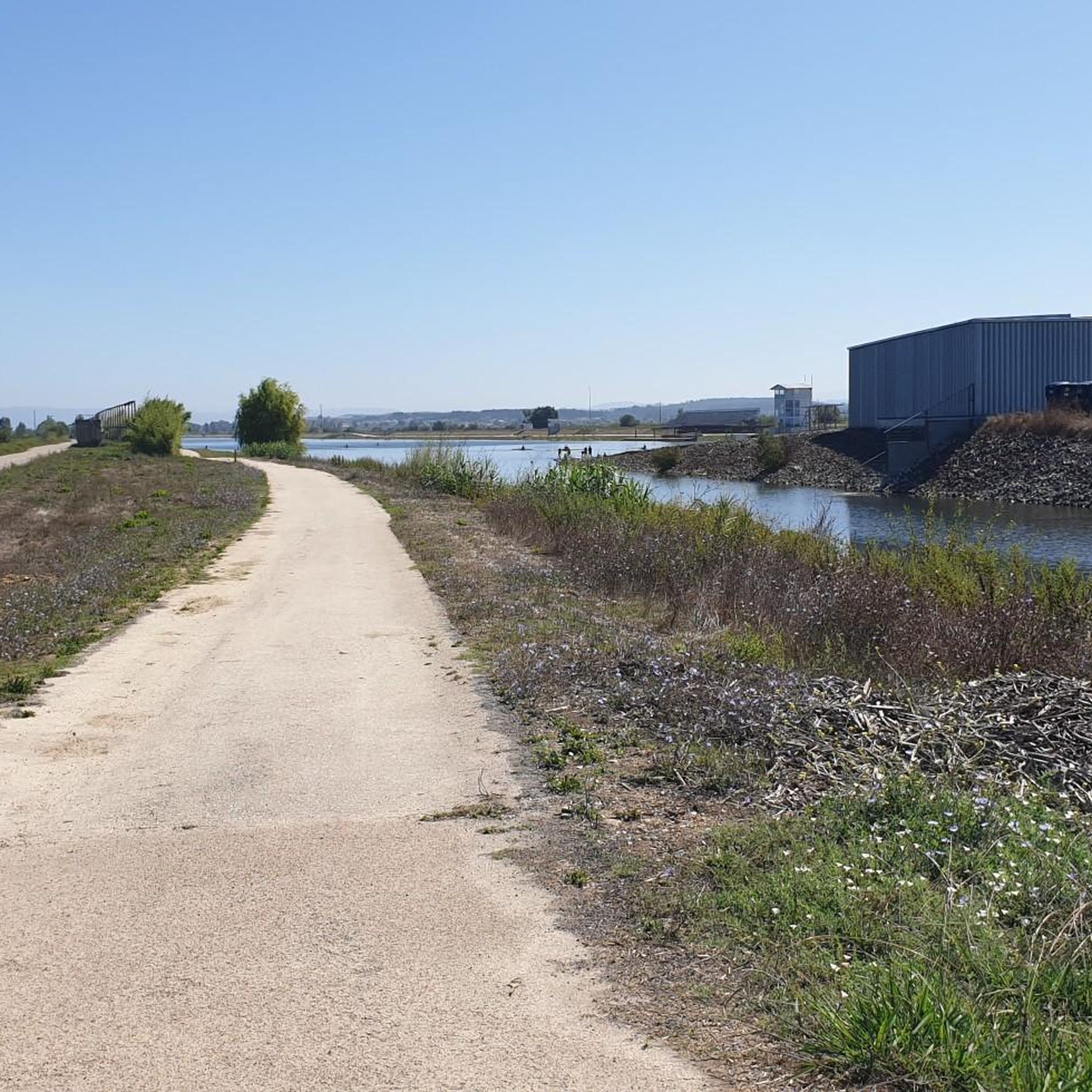
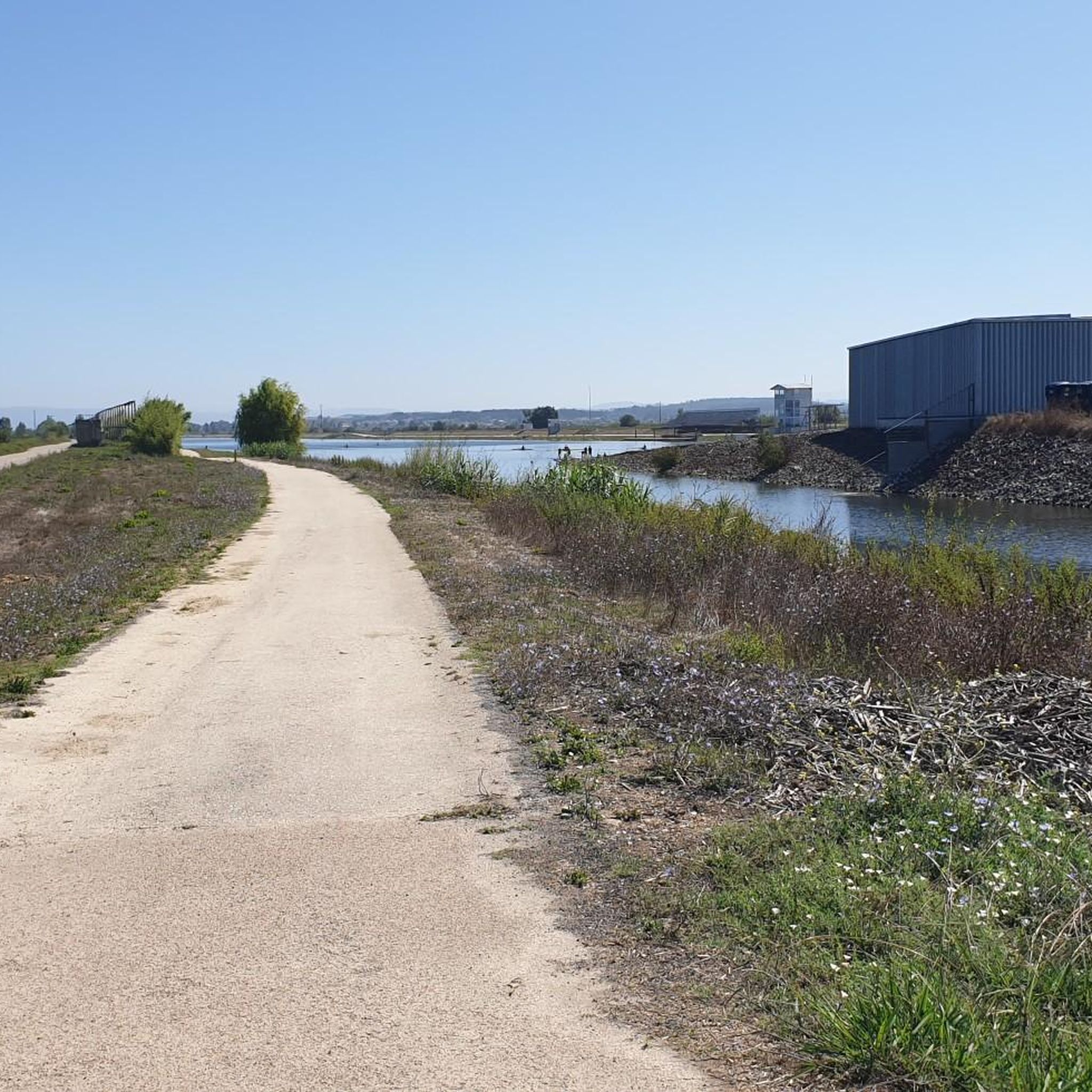
Potholes galore
Highlight • Cycleway
Translated by Google •
Tip by

Sign up now to discover places like this
Get recommendations on the best single tracks, peaks, & plenty of other exciting outdoor places.
A road full of potholes with no view, but with a way out
Highlight (Segment) • Trail
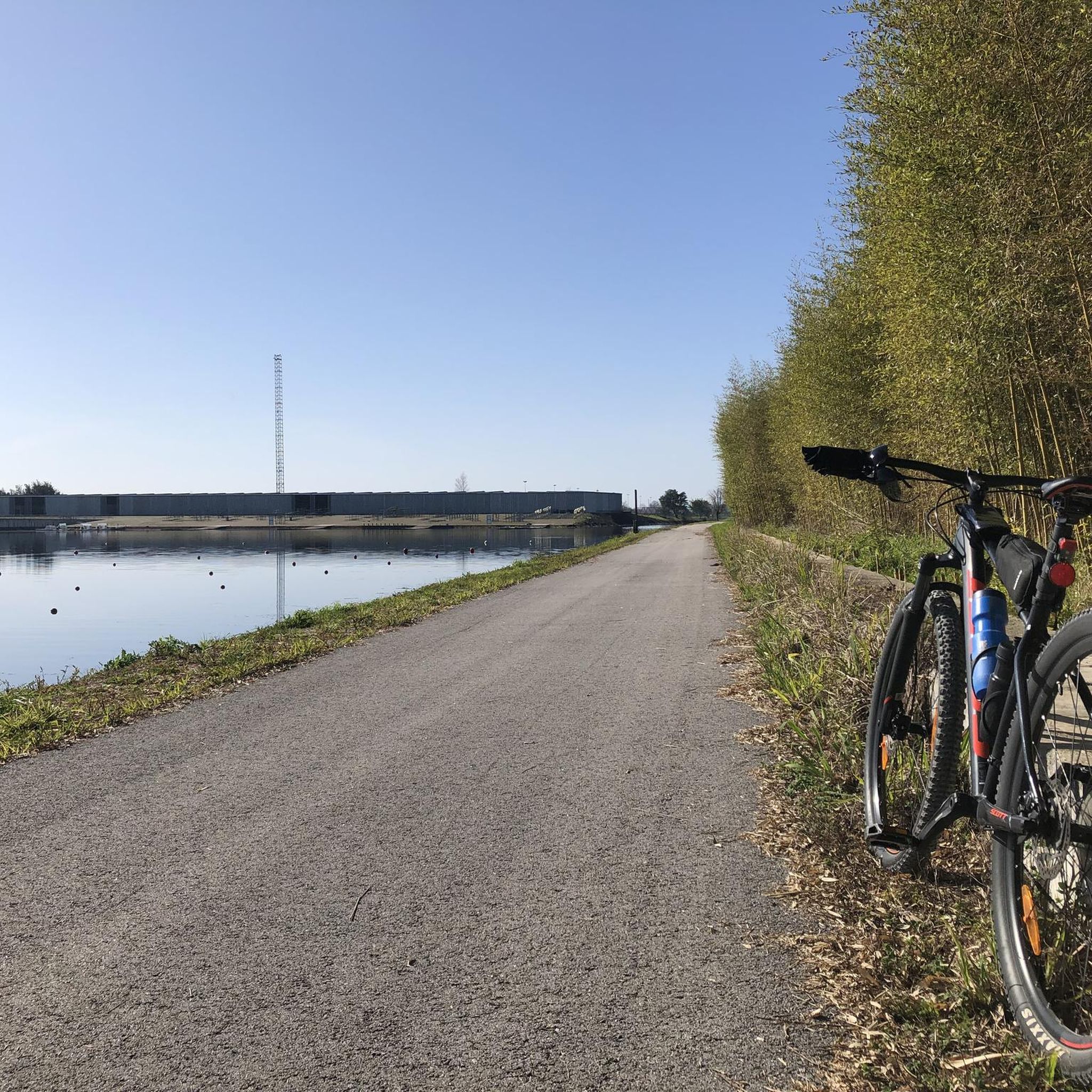
But there's a trick. If you climb the embankment, you can ride on the grass next to the canal – beautiful. And then you get a view, too.
Translated by Google •
Tip by

Old Santana Ferreira train station
Highlight • Monument
Translated by Google •
Tip by
Paço dos Duques de Cadaval
Highlight • Historical Site
The name of the object was copied from Google maps. A very interesting place.
Translated by Google •
Tip by

Sign up for free to discover even more attractions around Granja Do Ulmeiro.
Already have an account?
Start today with a free account
Your next adventure awaits.

Tips from the Community

Santana-Ferreira station, originally known as Montemor or Montemor, is a closed interchange on the Figueira da Foz branch line, which served the towns of Santana and Ferreira-a-Nova, in the municipality of Figueira da Foz, Portugal. (Source: Wikipedia)
12
0
Santana-Ferreira stop, originally known as Montemor or Montemor, is an interface closed on the Figueira da Foz branch line, which served the towns of Santana and Ferreira-a-Nova, in the municipality of Figueira da Foz, in Portugal.
13
0
Although there are references to its existence as early as the High Middle Ages, what remains today dates from the late 14th century. Within the walls are remains of the old Medieval Palace, where the death of Dona Inês de Castro was reportedly decided, as well as the Church of Santa Maria da Alcáçova, founded in 1095 but restored in the 16th century. During the Arab occupation, materials imported from Córdoba arrived at Montemayur Castle, including capitals dating back to the Caliphate period, one of which is now part of the collection of the Machado de Castro National Museum in Coimbra. Later, the castle would play a recognized strategic role during the Christian reconquest of the territory. (Source: www.turismodocentro.pt)
14
0

Palace of the Dukes of Cadaval / Palace of Infante D. Pedro / Palace of the Counts of Tentúgal. The name of the object was copied from Google maps. A very interesting place.
0
0

Tough progress with the touring bike!
3
0
After Figueira da Foz, the EV1 follows the Rio Mondego. The approximately 20 km long route is full of potholes. It's not a problem for bicycles, but progress is rather tough!
2
0

It's quiet, yes, but it's a constant slalom course of potholes. What's more, the view is partially obstructed on both sides: on one side by the embankment leading up to the canal, and on the other by vegetation. But there's a trick. If you climb the embankment, you can ride on the grass next to the canal – beautiful. And then you get a view, too.
5
0
Frequently Asked Questions
What historical sites can I explore within Granja do Ulmeiro itself?
Granja do Ulmeiro has its own historical points of interest. You can visit the Main Church, where archaeological findings including Roman tombs and vessels were discovered, suggesting an ancient Roman settlement. The Granja do Ulmeiro Railway Station also serves as a landmark, reflecting the area's past importance as a railway junction.
Are there any significant castles or historical fortresses nearby?
Yes, a prominent historical site nearby is Montemor-o-Velho Castle. This impressive fortress dates largely from the late 14th century, with references to its existence going back to the High Middle Ages. Inside, you can find remnants of the old Medieval Palace and the Church of Santa Maria da Alcáçova.
What Roman-era attractions are there in the region?
Beyond the Roman archaeological findings near Granja do Ulmeiro's Main Church, the region is home to the significant Conimbriga Ruins near Coimbra. These represent one of the largest Roman settlements excavated in Portugal and offer a fascinating glimpse into ancient Roman life.
What cultural attractions can I find in nearby cities like Coimbra?
Coimbra, a short distance away, offers a wealth of cultural sites. Highlights include the stunning Baroque Library (Biblioteca Joanina) at the University of Coimbra, the historical park Portugal dos Pequenitos with miniature monuments, the Santa Cruz Church, and the Old Cathedral of Saint Mary of Coimbra (Sé Velha de Coimbra).
Where can I find natural swimming spots or river beaches?
For a refreshing natural spot, you can visit Praia Fluvial da Ereira, a river beach located in the nearby area of Verride. It's a pleasant point of interest for enjoying the outdoors.
What kind of outdoor activities, like cycling or mountain biking, are available near Granja do Ulmeiro?
The area around Granja do Ulmeiro offers various outdoor activities. For cycling, you can explore routes like the 'Former coastal mine – Figueira da Foz loop from Montemor' or the 'Statue of Pedro Teixeira – Montemor-o-Velho Castle loop'. Mountain biking enthusiasts can try trails such as the 'Montemor-o-Velho Castle – Abandoned Maiorca Halt loop'. You can find more details on these and other routes in the Cycling around Granja Do Ulmeiro and MTB Trails around Granja Do Ulmeiro guides.
Are there opportunities for running or walking trails?
Yes, there are several running and walking trails available. You can find routes like the 'Running loop from Sebal e Belide' or the 'Montemor-o-Velho Castle loop from Montemor-o-Velho'. These trails offer different distances and difficulty levels for various preferences. More options are detailed in the Running Trails around Granja Do Ulmeiro guide.
What family-friendly attractions are available in the Granja do Ulmeiro region?
Beyond the historical exploration of Castelo de Montemor-o-Velho, which is considered family-friendly, a notable attraction for families in the wider region is Portugal dos Pequenitos in Coimbra. This park features miniature versions of Portuguese monuments and traditional houses, offering an engaging experience for children.
Are any of the attractions accessible for visitors with disabilities?
Yes, Castelo de Montemor-o-Velho is noted as being accessible for people with disabilities, with an escalator available for entry. It's always advisable to check specific accessibility details for other attractions directly before your visit.
What do visitors particularly enjoy about the Montemor-o-Velho Castle?
Visitors appreciate Montemor-o-Velho Castle for being a very well-kept historical site that is completely free to visit. Its accessibility, including parking directly in front of the entrance and an escalator for those with disabilities, is also highly valued. The castle offers a glimpse into medieval history and a strategic role during the Christian reconquest.
What is the Old Santana Ferreira train station, and why is it an attraction?
The Old Santana Ferreira train station is a closed interchange on the Figueira da Foz branch line. It historically served the towns of Santana and Ferreira-a-Nova. It's considered an attraction due to its historical significance as a man-made monument reflecting the region's railway heritage.
What is the best time of year to visit Granja do Ulmeiro and its surroundings?
The region generally enjoys a mild climate. Spring (April-May) and early autumn (September-October) are often ideal for visiting, offering pleasant temperatures for exploring historical sites and engaging in outdoor activities without the peak heat of summer or the cooler, wetter conditions of winter.
Most popular routes around Granja Do Ulmeiro

Get inspired with the komoot mobile app


Explore more
Still not found the Highlight you’re looking for? See guides of the top attractions in other regions:
