Attractions and Places To See around Soure - Top 20
Attractions and places to see around Soure, a town in central Portugal, offer a blend of historical significance and natural beauty. The region features ancient landmarks, serene natural landscapes, and a rich cultural heritage. Visitors can explore historical sites, enjoy outdoor activities in natural parks, and experience local traditions.
Best attractions and places to see around Soure
- The most popular attractions is Buracas do Casmilo, a cave known for its landscapes of rare natural beauty. This site features unique…
Last updated: October 4, 2026
Conímbriga Roman Ruins
Highlight • Historical Site
Translated by Google •
Tip by

Roman Ruins of Conímbriga
Highlight • Historical Site

Sign up now to discover places like this
Get recommendations on the best single tracks, peaks, & plenty of other exciting outdoor places.
Lapiás do Casmilo
Highlight • Natural Monument
Translated by Google •
Tip by
Pilgrim Rest Stop Jinago
Highlight • Rest Area
Translated by Google •
Tip by
Montemor-o-Velho Castle
Highlight • Castle
Translated by Google •
Tip by

Sign up for free to discover even more attractions around Soure.
Already have an account?
Start today with a free account
Your next adventure awaits.

Tips from the Community

391.088 km to Santiago de Compostela
1
0
A pilgrim's resting place, designed with a lot of love, stamp, drinks, everything is there on the Caminho Portugues
1
0

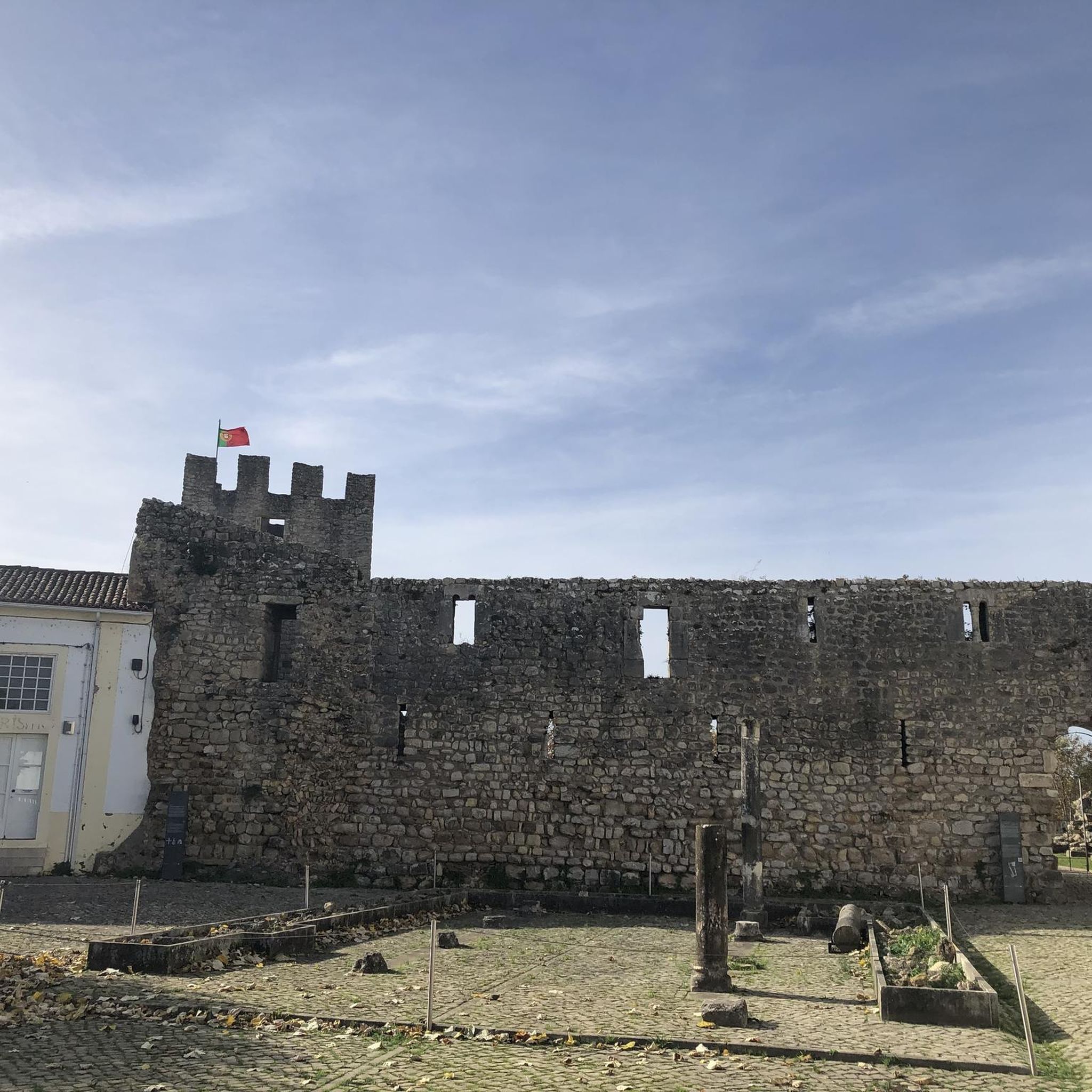
Conímbriga, an ancient city of Lusitania, is the most impressive Roman complex in Portugal, a place where history still breathes among its baths, forum, amphitheater, and uniquely delicate mosaics, such as those in the famous House of Fountains. Although only a small part has been excavated, the grandeur the city held throughout its almost six centuries under Roman rule is evident. The second wall, hastily erected with stone taken from entire buildings, reveals a time of threat and decline, a prelude to the abandonment that followed the Suebian invasions. Today, among fallen columns and pavements that still gleam in the sun, Conímbriga continues to intrigue and amaze, preserving in its ruins the stories that time has almost erased.
2
0

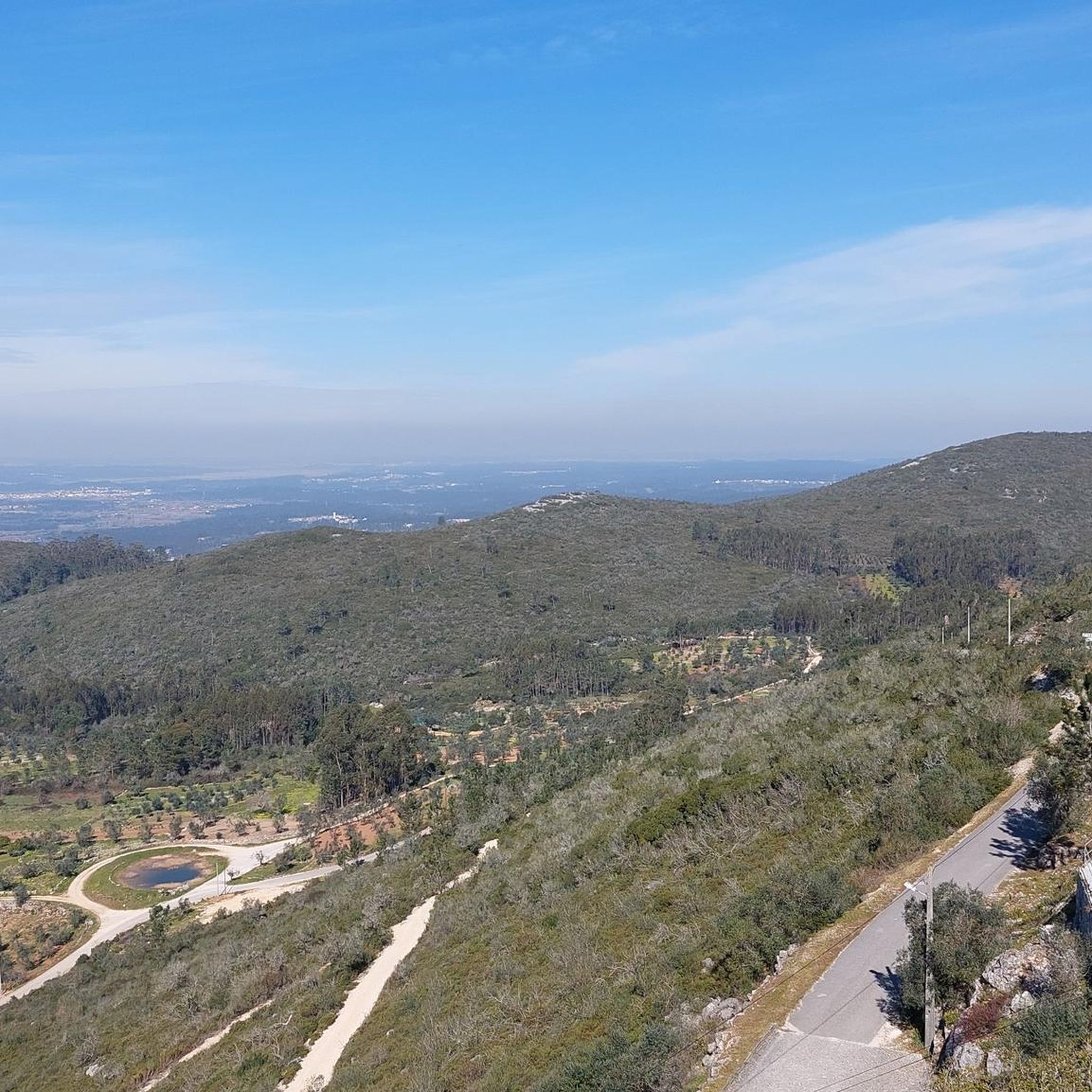
✨ Circular route with landscapes of rare natural beauty; 🏞️ Lapiaz, dolines and unique rock formations in Portugal; 🌿 Buracas do Casmilo and Bosque do Vale dos Covões were the highlights of the day; 📸 Ideal for photography, geological observation and contemplation; 🍂 A perfect trail for autumn, with the valley painted in golden tones.
1
0

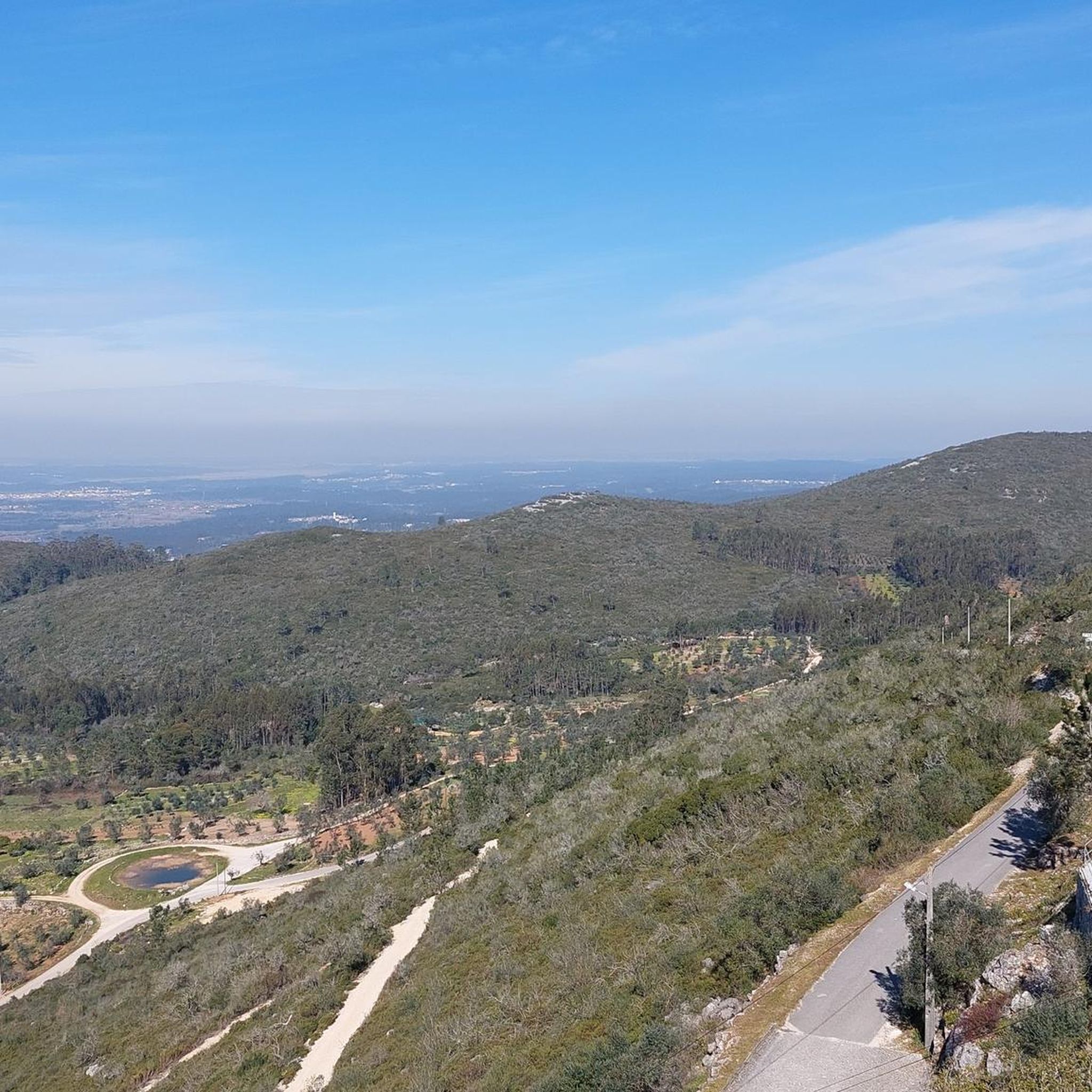
Here, you can rest and get your pilgrim's notebook stamped. Restore your physical and spiritual energy to continue your journey.👍
6
0
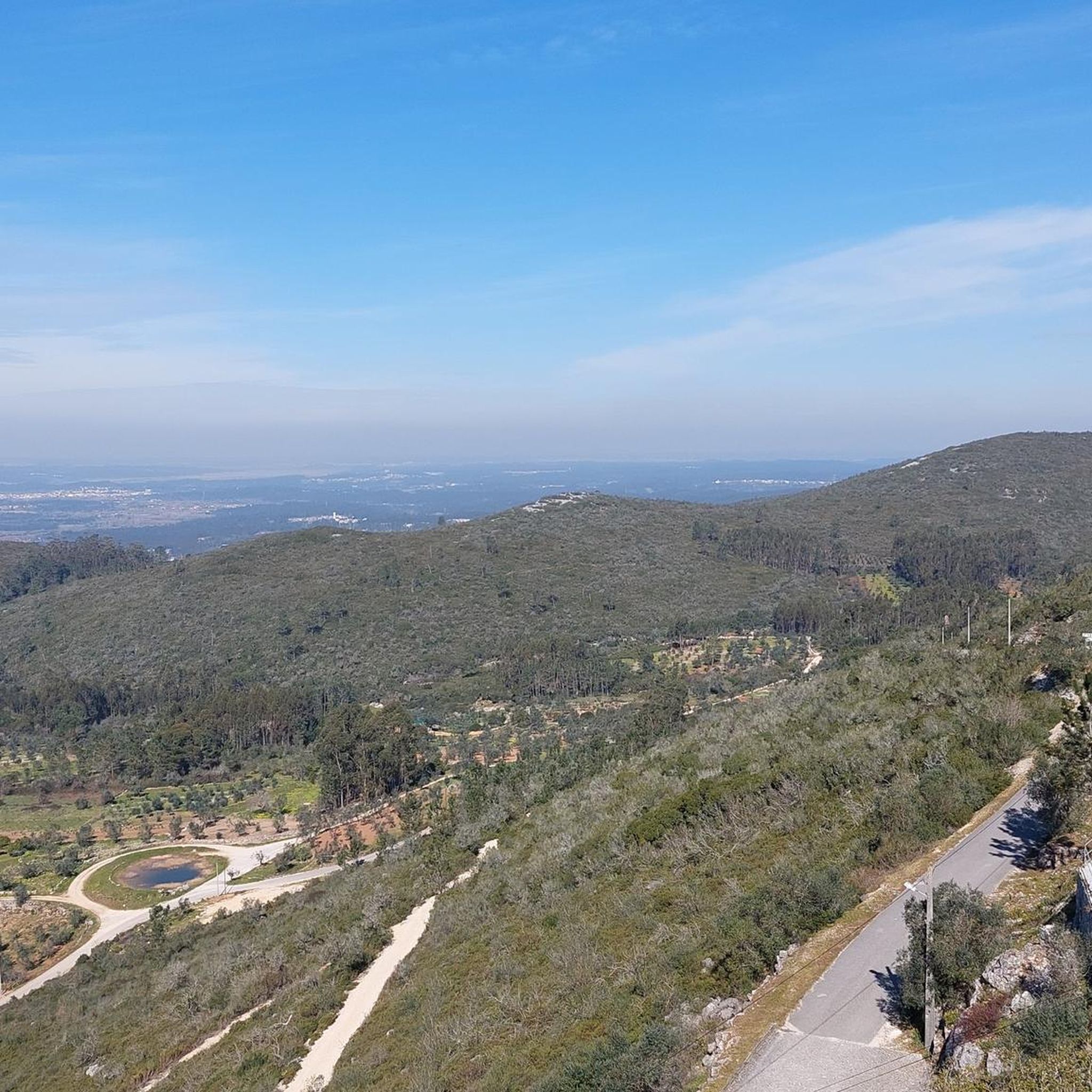
A place to rest and relax. You can even get your pilgrim's notebook stamped. 👍
6
0
Frequently Asked Questions
What historical sites can I explore in and around Soure?
Soure and its surroundings are rich in history. You can visit the impressive Montemor-o-Velho Castle, which played a strategic role during the Christian reconquest. The town itself features the remnants of the ancient Castelo de Soure, offering panoramic views, and significant religious architecture like the Igreja Matriz de Nossa Senhora da Graça and the Igreja da Misericórdia de Soure. For a deeper dive into ancient history, the nearby Conímbriga Roman Ruins present Portugal's most impressive Roman complex, complete with baths, a forum, and delicate mosaics.
Are there any natural attractions or viewpoints near Soure?
Absolutely. Nature lovers can explore the unique geological formations of Buracas do Casmilo, known for its rare natural beauty, lapiaz, and dolines. Another stunning natural feature is the Poios Canyon, one of Portugal's largest fluviokarstic canyons, offering monumental slopes and breathtaking landscapes. Additionally, the Parque Natural das Serras de Aire e Candeeiros, located just outside Soure, provides opportunities to enjoy rare flora and fauna. For scenic vistas, consider visiting the Senhora da Estrela Viewpoint.
What kind of outdoor activities can I do near Soure?
The region around Soure is excellent for outdoor enthusiasts. You can find numerous trails for various sports. For mountain biking, explore routes like the 'Mãe de Água de Alcabideque – Conímbriga Roman Ruins loop' or the 'Serra do Sicó Viewpoint – Sol da Sicó Brewery loop.' Runners can enjoy trails such as the 'Castelo de Soure loop' or the challenging 'Lapiás do Casmilo – Buracas do Casmilo loop.' Road cyclists have options like the 'Castelo de Soure – Soure Castle loop.' You can find more details and routes in the dedicated guides for MTB Trails around Soure, Running Trails around Soure, and Road Cycling Routes around Soure.
Are there family-friendly attractions in the Soure area?
Yes, several attractions around Soure are suitable for families. The Conímbriga Roman Ruins are a great educational and engaging experience for all ages, allowing families to walk through ancient history. The natural beauty of Buracas do Casmilo can also be an exciting exploration for families who enjoy nature and unique landscapes. The Parque Natural das Serras de Aire e Candeeiros offers gentle trails and opportunities for children to connect with nature.
What is the best time of year to visit Soure for outdoor activities?
The region's climate makes spring (April to June) and autumn (September to October) ideal for outdoor activities. During these seasons, the weather is generally mild and pleasant, perfect for hiking, cycling, and exploring historical sites without the intense heat of summer. Autumn, in particular, offers beautiful scenery with valleys painted in golden tones, especially around natural areas like Buracas do Casmilo.
What kind of terrain can I expect on hiking trails near Soure?
The terrain around Soure is varied. The municipality's flatter areas are dominated by the fertile alluvial basins of the Anços, Arunca, and Pranto rivers. However, the Serrana Area, integrating the sub-region of Sicó, is more mountainous. Trails can range from easy paths along riverbanks to more challenging routes with significant elevation changes, especially when exploring areas like the Parque Natural das Serras de Aire e Candeeiros or the Poios Canyon, which features rugged, steep geography.
What are some unique geological features to see in the Soure region?
The Soure region is notable for its karst landscapes. The Buracas do Casmilo is a prime example, showcasing unique rock formations including lapiaz and dolines. The Poios Canyon is another significant fluviokarstic canyon, patiently sculpted by water over centuries, resulting in monumental slopes and a dramatic landscape. These sites are excellent for geological observation and photography.
Are there any cultural events or traditions in Soure?
Soure has a vibrant local culture, rich in cultural associativism. The municipality is home to active groups dedicated to folklore, theater, philharmonics, and music schools. Traditional festivals and pilgrimages are also an integral part of Soure's cultural fabric, offering visitors a chance to experience authentic local traditions.
What do visitors enjoy most about the attractions around Soure?
Visitors frequently praise the blend of historical depth and natural beauty. The Conímbriga Roman Ruins are often highlighted for their impressive scale and well-preserved mosaics, offering a captivating journey into the past. The Buracas do Casmilo is cherished for its 'landscapes of rare natural beauty' and unique rock formations, making it ideal for photography and contemplation. The strategic views from Montemor-o-Velho Castle are also a popular draw.
Can I find archaeological remains from ancient civilizations in Soure?
Yes, Soure boasts archaeological remains from both the Neolithic and Roman periods. These findings indicate a long history of human occupation in the area, attributed to its favorable natural conditions. While the Conímbriga Roman Ruins are the most prominent example of Roman presence nearby, the town of Soure itself holds evidence of earlier settlements, contributing to its rich historical tapestry.
Are there any specific tips for visiting the Conímbriga Roman Ruins?
When visiting the Conímbriga Roman Ruins, it's highly recommended to allocate enough time to explore the baths, forum, amphitheater, and especially the delicate mosaics, such as those in the famous House of Fountains. A visit to the on-site museum is also worthwhile to see artifacts and objects found during excavations. Although only a part of the city has been excavated, its grandeur is evident, telling stories of its almost six centuries under Roman rule.

Get inspired with the komoot mobile app


Explore more
Still not found the Highlight you’re looking for? See guides of the top attractions in other regions:
