The best road cycling routes around Arraiolos
4.3
(3)
230
riders
4
rides
Road cycling routes around Arraiolos traverse a landscape characterized by gentle undulations and quiet country roads. The region features rolling plains, cork oak forests, expansive olive groves, and picturesque vineyards. Cyclists can also find routes near the Divor Dam and sections of old railway lines converted into trails, offering serene paths away from traffic. This terrain provides varied riding experiences without being overly challenging, making it accessible for different fitness levels.
Best road cycling routes around Arraiolos
- The most popular…
Last updated: October 28, 2026
3.5
(2)
47
riders
58.2km
02:44
400m
400m
Moderate road ride. Good fitness required. Some segments of this route may be unpaved and difficult to ride.
4.0
(1)
43
riders
30.1km
01:19
170m
170m
Moderate road ride. Some segments of this route may be unpaved and difficult to ride.

5.0
(1)
20
riders
101km
04:18
600m
600m
Moderate road ride. Good fitness required. Mostly well-paved surfaces and easy to ride.
7
riders
75.6km
03:19
640m
640m
Moderate road ride. Good fitness required. Mostly well-paved surfaces and easy to ride.
5.0
(1)
5
riders
45.2km
02:00
360m
360m
Moderate road ride. Good fitness required. Mostly well-paved surfaces and easy to ride.
Our route recommendations are based on thousands of hikes, rides, and runs completed by other people on komoot.

Tips from the Community

The Monumento de Homenagem ao Emigrante (Homage to the emigrant) in Torre de Coelheiros, a freguesia located in the municipality of Évora in Portugal, is a work dedicated to celebrating the courage, work, and sacrifices of the citizens who left their home country in search of a better future.
1
0

The Monument to the Emigrant, also known as "The Farewell", is located in the parish of Torre de Coelheiros, in the municipality of Évora, and was inaugurated on July 22, 2017. The work perpetuates the sacrifice and effort of several generations of local inhabitants who left their homeland in search of better living conditions abroad.
17
0

Vimieiro was a municipal seat between 1257 and 1855. Two charters are known, the first granted by D. Francisco Bruno Neves, Bishop of Évora, in 1257, and the second by D. Manuel I, King of Portugal, in 1512. In 1801, it consisted of the parishes of the town and Santa Justa. It then had 1,819 inhabitants and an area of 266 km². In 1849, it consisted only of the parish of the town. It was suppressed by the administrative reform of 1855, consequently losing its status as a town, a fact that the coat of arms with a mural crown of four visible towers still marks today.
2
0

The cathedral is a must-visit when in Évora. The entrance fee is very reasonable! First, climb the tower and enjoy a fantastic view from the roof of the cathedral. As you descend into the cloister, the beautiful yellow light from the window immediately catches your eye. Simply fascinating!
1
0
Giraldo Square is the main square in the city of Évora. It has undergone several changes over the years. Not so long ago, a traffic policeman stood there, directing the direction of Rua Cinco de Outubro, when cars circulated here and around the square. It was a parking lot and passenger pick-up point for a large fleet of taxis. It was the venue for meetings and business dealings among local farmers every Tuesday. Nowadays, it is largely occupied by the terraces of the surrounding restaurants and pastry shops. 👍🥾
6
0
Road with good surface and little traffic.
13
0

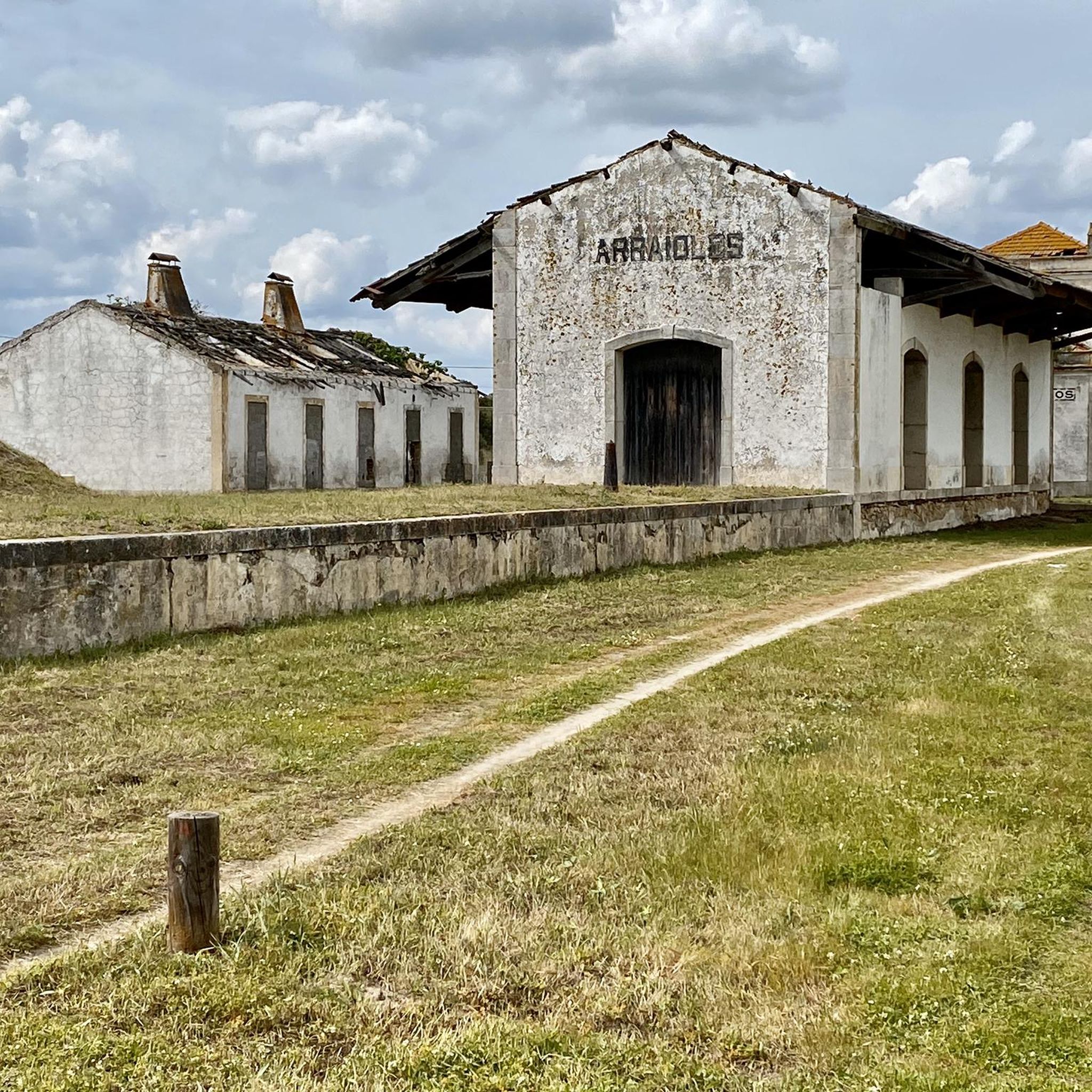
Arraiolos is a pleasant Alentejo town, whose foundation dates back to the second century BC. The mediaeval castle was built at the orders of D. Dinis (1279-1325), although the town soon spread beyond its walls. An important part of the town's artistic heritage is the sixteenth-century Salvador church, with some extremely beautiful paintings. The name of this town is well known internationally thanks to the famous Arraiolos carpets, which are produced here by the local craftsmen and women, having been referred to in documents as long ago as the sixteenth century. Some art historians have devoted themselves to studying and characterising this art, which has continued to grow in importance over the years. The types of pattern that are used can be divided into three distinct periods: the first period (in the eighteenth century) was based on compositions that betrayed the decorative influences of Persian carpets (these are considered to be amongst some of the finest examples); the second period (again in the eighteenth century) brought popularly inspired designs, such as figures or animals; and the third period (at the end of the eighteenth century and continuing into the nineteenth century) brought less dense and much more stylised patterns.
5
0

In the historic center of the tranquil town of Évora stands the Roman Temple of Évora. The city's landmark is often also called the Temple of Diana, but historically has nothing to do with the Roman goddess of the hunt. A dedication to the highest deity Jupiter is more likely. The Roman Temple of Évora was probably built in the 1st century AD during the reign of Emperor Augustus and later modified under Emperor Claudius. The magnificent structure reflects Roman architecture with Corinthian-style columns.
3
0
Frequently Asked Questions
What kind of terrain can I expect on road cycling routes around Arraiolos?
Road cycling routes around Arraiolos feature a landscape of gentle undulations and quiet country roads. You'll traverse rolling plains, iconic cork oak forests, expansive olive groves, and picturesque vineyards. The terrain offers varied riding experiences without being overly challenging, making it suitable for different fitness levels.
Are there any easy or beginner-friendly road cycling routes in Arraiolos?
While the routes around Arraiolos are generally moderate to difficult, the region's gentle undulations make it accessible. For a moderate option that connects to a historic city, consider the Giraldo Square – Évora Public Library loop from Arraiolos, which is 34.9 miles (56.1 km) long.
What cultural landmarks or attractions can I see while road cycling near Arraiolos?
Many routes offer glimpses of the region's rich history and culture. You can cycle past the distinctive Arraiolos Castle, which provides panoramic views. Some routes also lead towards Évora, a UNESCO World Heritage city, where you can see ancient sites like the Roman Temple. The town of Arraiolos itself is known for its charming whitewashed houses and the Arraiolos Rug Interpretive Center.
Are there any scenic viewpoints or natural features along the road cycling routes?
Yes, the routes offer numerous scenic views. You'll cycle through vast open plains, cork oak forests, and olive groves. The area around the Divor Dam also provides tranquil spots and a newly constructed wooden walkway, the Passadiço de Arraiolos, which is suitable for cycling. Some paths utilize old railway lines, offering quiet and scenic routes through peaceful valleys.
What is the best time of year for road cycling in Arraiolos?
The mild climate of the Alentejo region makes mid-September to early June the most comfortable period for cycling. During these months, temperatures are ideal. Summer months can be very hot, so it's advisable to cycle early in the morning or late in the afternoon if visiting then.
Are there any circular road cycling routes around Arraiolos?
Yes, many routes in the area are designed as loops. For example, the Arraiolos Railway Station – Perfect Road loop from Arraiolos is a moderate 27.8-mile (44.7 km) circular route that takes you through the scenic countryside.
What do other road cyclists enjoy most about road cycling in Arraiolos?
The area is highly rated by the komoot community, with an average score of 3.5 stars. Reviewers often praise the quiet country roads, the serene countryside, and the beautiful agricultural landscapes, including cork oak forests and olive groves, which provide a peaceful and engaging cycling experience.
Are there any longer or more challenging road cycling routes for experienced riders?
For experienced riders seeking a challenge, the Arraiolos – Arraiolos Railway Station loop from Arraiolos is a difficult 47.6-mile (76.6 km) trail. This route leads through cork oak forests and olive groves, offering a more demanding ride with significant elevation gain.
Can I find routes that connect Arraiolos with the city of Évora?
Yes, there are routes that connect Arraiolos with the historic city of Évora. A popular option is the Giraldo Square – Évora Public Library loop from Arraiolos, which takes you through the Alentejo's agricultural landscapes to Évora and back.
Are there any specific routes that utilize old railway lines for cycling?
Yes, some routes in the region utilize old railway lines that have been converted into 'Rails to Trails.' These paths, like sections of the Ecopista of the Ramal de Mora: Évora – Arraiolos, offer quiet and scenic paths through cork trees and olive groves, allowing cyclists to experience the peaceful valleys of the Alentejo.
What is the typical elevation gain on road cycling routes around Arraiolos?
The routes around Arraiolos feature gentle undulations rather than steep climbs. For example, the Évora City Walls – Roman Temple of Évora loop from Canaviais, a 62.5-mile (100.6 km) route, has an elevation gain of approximately 592 meters, providing a good workout without extreme ascents.
Most popular routes around Arraiolos
Most popular attractions around Arraiolos

Get inspired with the komoot mobile app


Explore more
Browse the best Road cycling routes in other regions.
