The best walks and hikes around Arcos
4.4
(7)
28
hikers
5
hikes
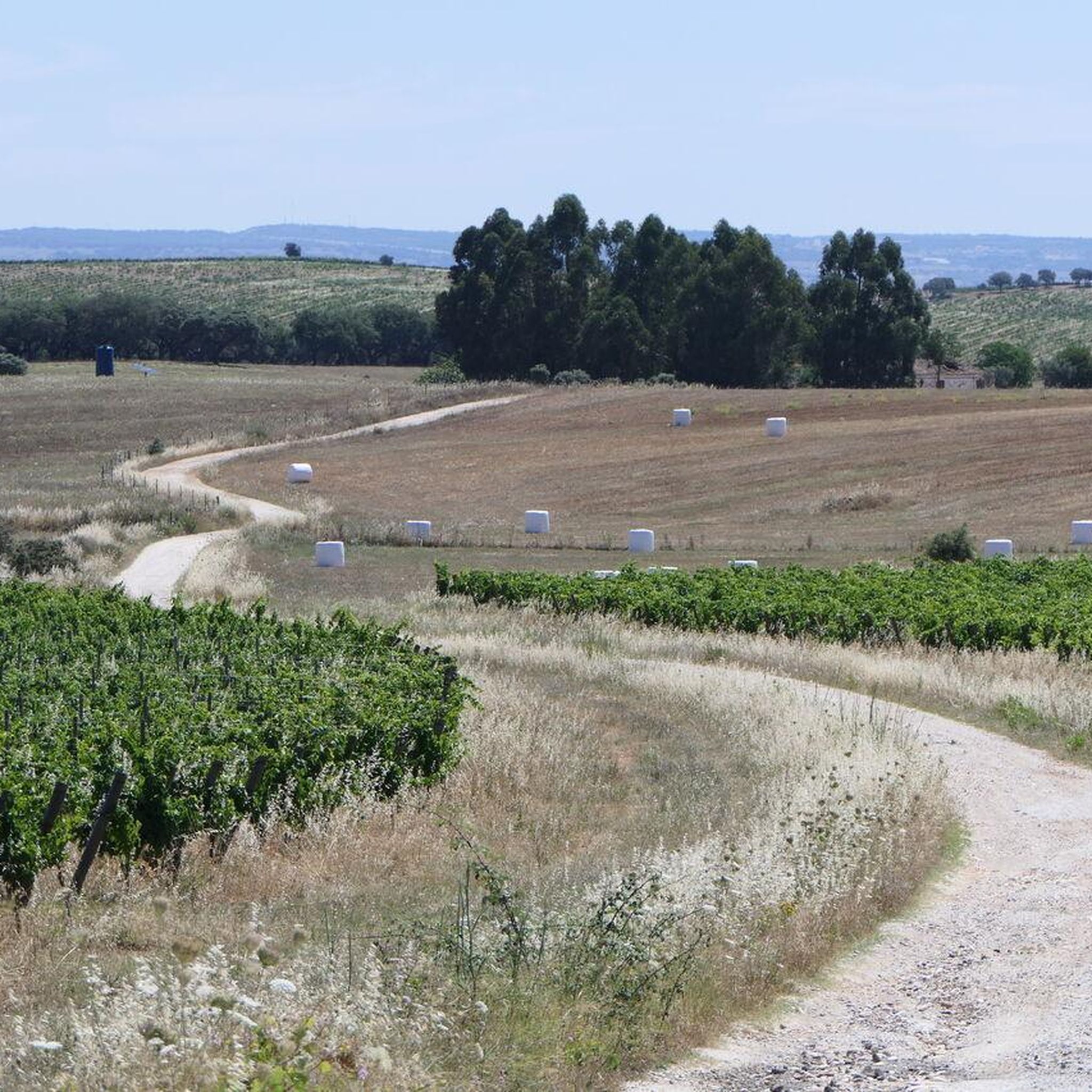
Hiking around Arcos features a diverse landscape, characterized by rolling hills and varied terrain suitable for different activity levels. The region offers a mix of open countryside and paths leading through historical towns. Trails often connect points of interest, providing both natural scenery and cultural insights.
Best hiking trails around Arcos
- The most popular hiking route is Statue of Queen Saint Isabel – Estremoz Castle loop from Estremoz, an easy 4.0 miles (6.5 km) trail that takes 1 hour 45 minutes to complete. This route offers a gentle exploration around historical landmarks.
- Another top favourite among local hikers is Estremoz Castle – Gadanha Fountain, Estremoz loop from Estremoz, a moderate 7.2 miles (11.6 km) path. This trail provides a longer journey through the local landscape, connecting points of interest.
- Local hikers also love the Vila Viçosa Bandstand – Vila Viçosa Bullring loop from Vila Viçosa, a 5.7 miles (9.1 km) trail leading through varied terrain, often completed in about 2 hours 30 minutes.
- Hiking around Arcos is defined by rolling hills, open countryside, and paths connecting historical towns. The network offers options for different ability levels, from easy strolls to more moderate excursions.
- The routes in Arcos are highly rated by the komoot community with an average score of 4.4 stars from over 7 reviews. More than 20 hikers have used komoot to explore Arcos's varied terrain.
Last updated: May 11, 2026
3.8
(4)
9
hikers
11.3km
03:03
150m
150m
Moderate hike. Good fitness required. Easily-accessible paths. Suitable for all skill levels.
5.0
(2)
8
hikers
6.69km
01:48
90m
90m
Easy hike. Great for any fitness level. Easily-accessible paths. Suitable for all skill levels.

Sign up for free
6
hikers
9.11km
02:30
150m
150m
Moderate hike. Good fitness required. Easily-accessible paths. Suitable for all skill levels.
4.0
(2)
5
hikers
10.2km
03:06
350m
350m
Moderate hike. Good fitness required. Easily-accessible paths. Suitable for all skill levels.
1
hikers
Easy hike. Great for any fitness level. Easily-accessible paths. Suitable for all skill levels.
Our route recommendations are based on thousands of hikes, rides, and runs completed by other people on komoot.
Start today with a free account
Your next adventure awaits.
Login or Signup

Tips from the Community

Hexagonal bandstand, good condition. It usually serves as the stage for the Philharmonic Orchestra during the Festa dos Capuchos and other celebrations.
2
0
Is privately owned and cannot be visited.
2
0
The statue of D. Álvaro de Abranches da Câmara (or Álvaro Coutinho da Câmara), a key figure in the proclamation of King João IV as King of Portugal in 1640, was created in 1888 by the sculptor José Pereira Lima dos Santos for the House of Braganza.
2
0

One of the arts that you shouldn't miss when visiting Estremoz is the Production of Clay Figures from Estremoz, which has been part of the National Inventory of Intangible Cultural Heritage since 2014 and has been a UNESCO Intangible Cultural Heritage of Humanity since 07-12-2017. This city is also home to the Cavalry Regiment No. 3, which, with its soldiers, has brought a lot of activity to a small city in the Alentejo countryside over the years.
1
0

At the top of the Serra d’Ossa, at an altitude of 650 metres, stands the Alto de São Gens. Among the ruins of the old chapel dedicated to the saint, memories of an occupation that dates back more than three millennia, to the Bronze and Iron Ages, echo. This archaeological site, shrouded in legend and symbolism, was later associated by the monks of the Congregation of São Paulo with the mythical Mount of Venus, the refuge of Viriato, the legendary Lusitanian leader who, according to tradition, descended from here to confront the Romans.
0
0
The monument, which faces the Ducal Palace, stands on a platform of six steps and dominates the otherwise completely empty square. The equestrian statue of King João IV, located in the Praça do Paço Ducal, is a bronze work by the sculptor Francisco Franco (1885-1955). Franco began work on the statue in 1938, building on sketches he had made in Italy in 1925. The statue was completed and erected in 1943.
3
0
The Royal Convent of the Wounds of Christ, as it is also known, was built in 1514 by D. Jaime as a pantheon for the Duchesses of Bragança. Today it belongs to the Pousada Convento. The interior of the church, classified as a National Monument since 1944, along with the cloister of the convent, is entirely covered with polychrome tiles dating from 1626. The main altar is rich in gilded carvings and paintings from the 16th century.
1
0

partial view of Estremoz castle
3
0
Frequently Asked Questions
How many hiking trails are available around Arcos de la Frontera?
There are 5 hiking trails documented on komoot around Arcos de la Frontera, offering a range of experiences from easy strolls to more moderate excursions.
What types of landscapes can I expect to see while hiking near Arcos de la Frontera?
Hiking around Arcos de la Frontera offers a diverse landscape. You can expect dramatic cliffside views overlooking the Guadalete River, serene paths along the riverbanks, and trails that serve as a gateway to the rugged terrain of the Sierra de Grazalema Natural Park. The area also features the nearby Embalse de Arcos (Arcos Reservoir) and unique geological formations like the Cueva del Higueral.
Are there easy hiking trails suitable for beginners or families in Arcos de la Frontera?
Yes, there are 2 easy hiking routes around Arcos de la Frontera. One excellent option is the Statue of Queen Saint Isabel – Estremoz Castle loop from Estremoz, which is 4.0 miles (6.5 km) long and offers a gentle exploration around historical landmarks. Another easy route is the CraftBBS – Ducal Palace of Vila Viçosa loop from Borba, covering 2.6 miles (4.2 km).
Are there any moderate hiking options for a longer challenge around Arcos de la Frontera?
Yes, for those seeking a longer challenge, there are 3 moderate hiking routes. The Estremoz Castle – Gadanha Fountain, Estremoz loop from Estremoz is a popular choice, extending 7.2 miles (11.6 km) through the local landscape. Another moderate option is the Vila Viçosa Bandstand – Vila Viçosa Bullring loop from Vila Viçosa, which is 5.7 miles (9.1 km) long.
What do other hikers say about the trails around Arcos de la Frontera?
The routes around Arcos de la Frontera are highly rated by the komoot community, with an average score of 4.4 stars from over 7 reviews. Hikers often praise the diverse terrain, which includes rolling hills and paths connecting historical towns, offering both natural scenery and cultural insights.
Are there any circular hiking routes around Arcos de la Frontera?
Yes, many of the trails around Arcos de la Frontera are circular, offering convenient starting and ending points. Examples include the Statue of Queen Saint Isabel – Estremoz Castle loop from Estremoz and the Estremoz Castle – Gadanha Fountain, Estremoz loop from Estremoz. The town itself also offers scenic circular walks through its charming old quarter and along viewpoints.
Can I find trails that offer views of the town or surrounding area?
Absolutely. Arcos de la Frontera is famous for its dramatic cliffside location, offering breathtaking panoramic views. Many trails and town walks lead to various viewpoints (Miradores) such as Mirador de Peña Nueva, Mirador de Abades, and Mirador Plaza del Cabildo, providing spectacular vistas of the town and the Guadalete River valley.
What historical sites or landmarks can I explore on a hike near Arcos de la Frontera?
Hiking near Arcos de la Frontera allows you to discover several historical sites and landmarks. You can find trails that pass by impressive structures like Estremoz Castle and the Statue of Queen Saint Isabel. The charming old town of Arcos itself, with its whitewashed houses and winding streets, is a historical landmark to explore on foot.
Are there any trails that lead to natural attractions like caves or reservoirs?
Yes, the region offers trails to significant natural attractions. The Alto de São Gens loop from Casas is a moderate route that takes you through varied terrain. Additionally, the Cueva del Higueral, a four-million-year-old geological formation, is accessible via a straightforward hiking route, and the Embalse de Arcos (Arcos Reservoir) is nearby, offering complementary water-based activities.
What is the best time of year to hike around Arcos de la Frontera?
The best time to hike around Arcos de la Frontera is typically during the spring (March to May) and autumn (September to November) months. During these periods, the weather is mild and pleasant, making for comfortable hiking conditions. Summers can be very hot, while winters are generally mild but can have occasional rain.
Are there opportunities for wildlife spotting on trails near Arcos de la Frontera?
The diverse landscapes around Arcos de la Frontera, particularly near the Guadalete River and within the Sierra de Grazalema Natural Park, offer opportunities for wildlife spotting. Keep an eye out for various bird species, and if you're lucky, you might spot some of the local fauna that inhabit the more secluded areas.
Can I combine hiking with other activities like visiting nearby towns or attractions?
Absolutely. Arcos de la Frontera is an excellent base for combining hiking with cultural exploration. Many trails connect to or pass near historical towns and attractions. For instance, you can explore the Town of Borba or visit the Praça da República de Vila Viçosa, integrating your hikes with visits to charming local communities and their landmarks.
Most popular routes around Arcos
Most popular attractions around Arcos

Get inspired with the komoot mobile app


Explore more
Browse the best Hikes in other regions.
