The best road cycling routes around Nossa Senhora Da Vila
4.3
(4)
72
riders
6
rides
Road cycling routes around Nossa Senhora Da Vila traverse an area characterized by undulating terrain and open countryside, offering varied experiences for cyclists. The landscape features gentle ascents and descents, with some routes including more challenging road bike climbs. Cyclists can explore both rural settings and areas near historic towns.
Best road cycling routes around Nossa Senhora Da Vila
- The most popular road cycling route is Giraldo Square – Évora Public Library loop from Arraiolos, a 34.9 miles (56.1…
Last updated: October 5, 2026
3.5
(2)
47
riders
58.2km
02:44
400m
400m
Moderate road ride. Good fitness required. Some segments of this route may be unpaved and difficult to ride.
5.0
(2)
7
riders
46.2km
02:14
600m
610m
Moderate road ride. Good fitness required. Mostly well-paved surfaces and easy to ride.

8
riders
76.6km
03:23
640m
640m
Hard road ride. Good fitness required. You may need to push your bike for some segments of this route.
4
riders
44.7km
01:58
350m
360m
Moderate road ride. Good fitness required. Mostly well-paved surfaces and easy to ride.
4
riders
28.8km
01:22
340m
340m
Moderate road ride. Good fitness required. Mostly well-paved surfaces and easy to ride.
Our route recommendations are based on thousands of hikes, rides, and runs completed by other people on komoot.
Start today with a free account
Your next adventure awaits.

Tips from the Community

3. Transition to Adults and Integration into the National Network (2004–Present) Name Change: In 2004, the institution extended its assistance to the adult population and changed its official designation to Hospital S. João de Deus. Continuing Care: In 2009, it formally integrated into the National Network of Integrated Continuing Care (RNCCI), providing specialized convalescence, rehabilitation, and palliative care services. 75 Years of History: The institution celebrated its 75 years of mission, marked by community events organized by the Montemor-o-Novo City Council and the Archdiocese of Évora.
10
0
1. Foundation and Children's Focus (1947–1956) [1] The Construction: Construction began in 1947 and the original building was inaugurated in 1950 as the S. João de Deus Children's Hospital. The adjoining church was completed in 1954. Initial Mission: The hospital was created to provide a national response for children suffering from poliomyelitis (infantile paralysis) and congenital malformations. Impact: By 1956, it had served around a thousand children, most of them from the south of the country. 2. Pioneering Physical Rehabilitation (1956–1969) Gulbenkian Support: Starting in 1956, the Calouste Gulbenkian Foundation began to subsidize the institution. This financial support allowed for the construction of a new hospital building in 1966. Multidisciplinary Approach: In 1969, the pioneering Hydrotherapy service was inaugurated. By combining a gymnasium, electrotherapy, and orthopedic workshops for prosthesis manufacturing, it became one of the first units in Portugal focused on integrated physical rehabilitation.
10
0
The São João de Deus Hospital, in Montemor-o-Novo, was inaugurated on October 3, 1950, as a children's hospital to treat children and victims of polio. It pays homage to João Cidade (Saint John of God), born in this Alentejo town in 1495.
13
0
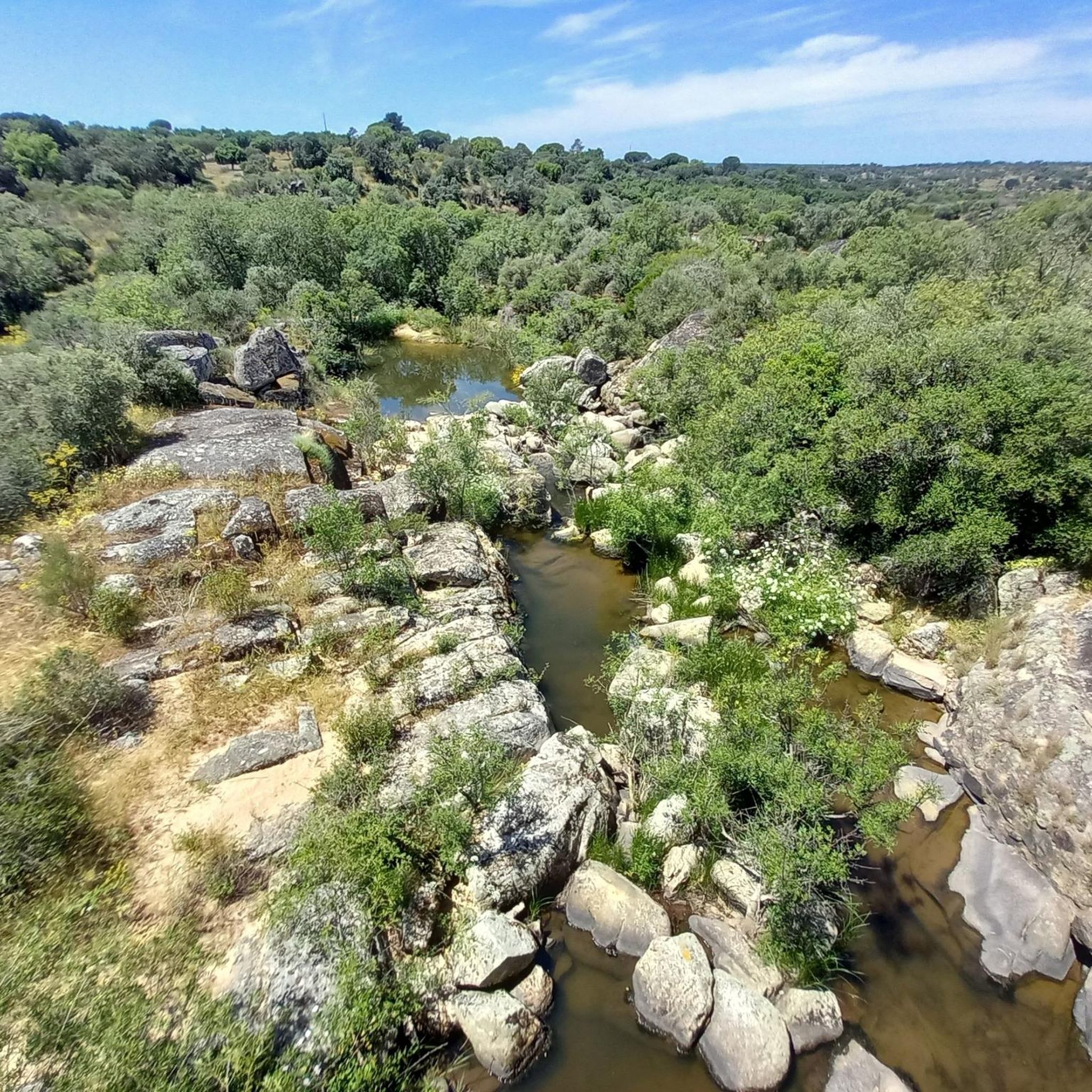
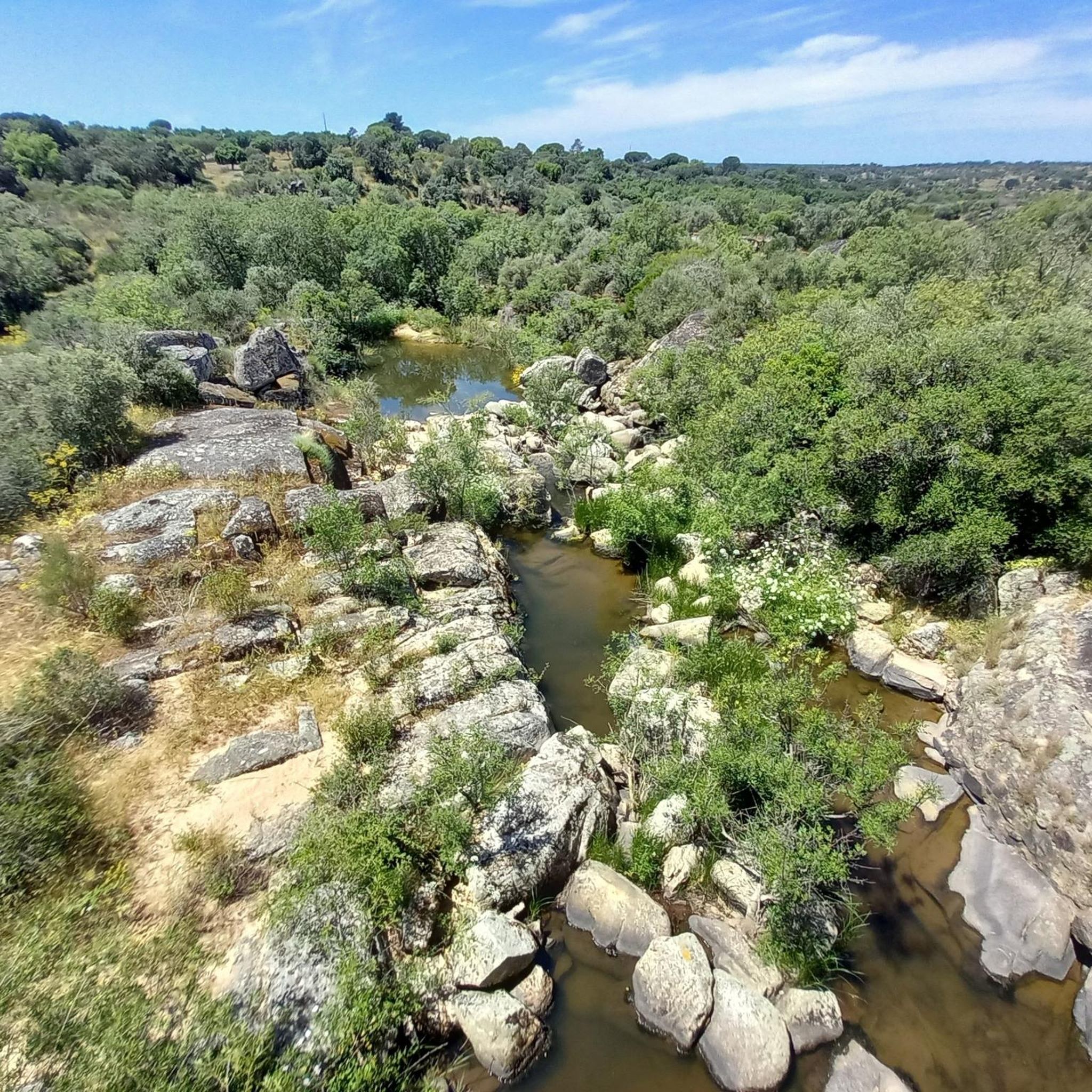
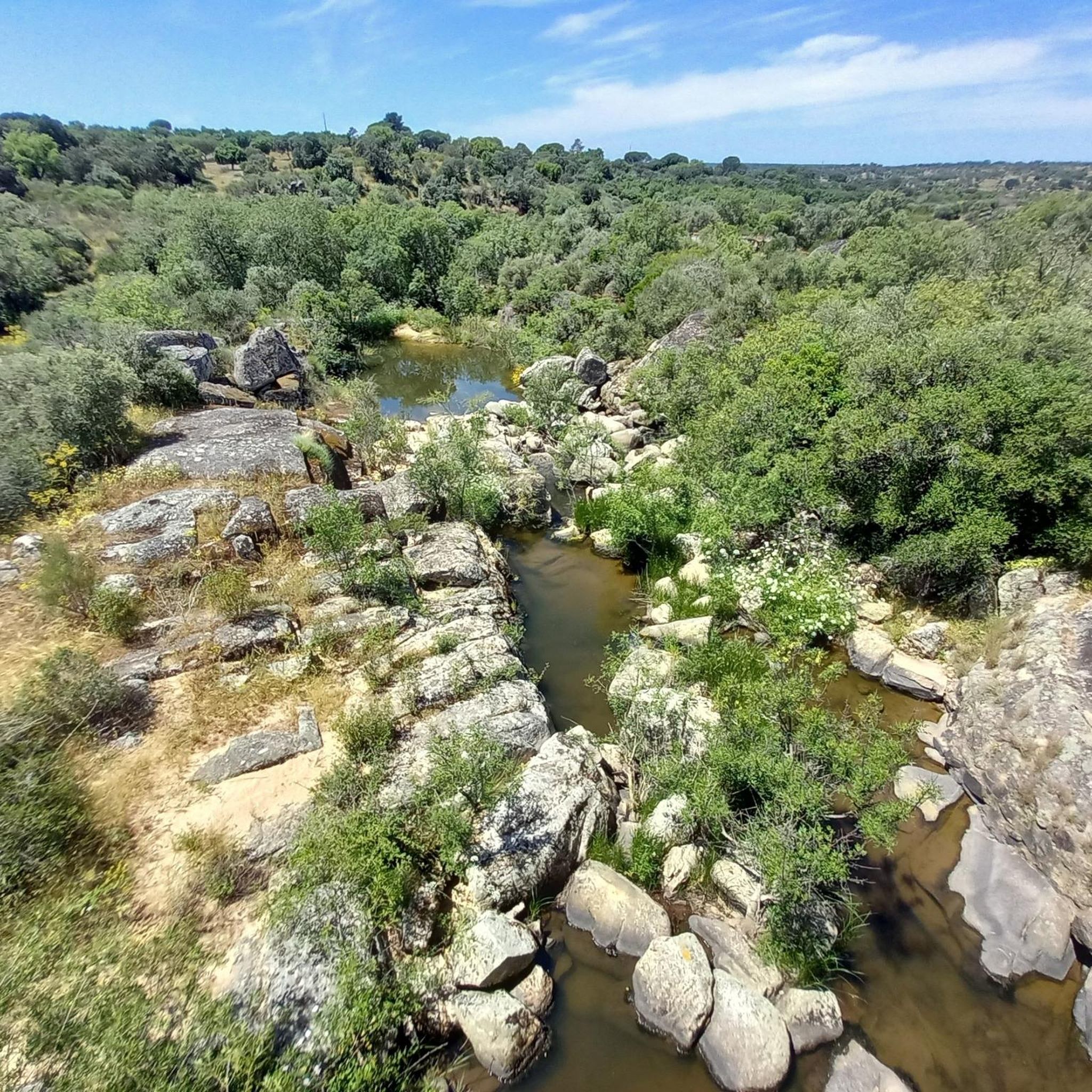
Excellent place to rest, located halfway between Montemor-o-Novo and Évora. This place has a fountain, W.C., and a café-restaurant. The Fonte de Patalim and the stream Water is the central element that shaped human survival and settlement in this rural area. Geography: The region is crossed by the Ribeira de Patalim, a watercourse that has guaranteed the fertility of the fields over the centuries. Stopping point: The Fonte de Patalim has served for generations as a vital supply and rest point for those traveling through the region. The Venda do Patalim and the Royal Route Being located on the connecting axis between Montemor-o-Novo and Évora, the area developed a commercial aspect and support for travelers. Historical inn: Historical documents reveal the existence of the Venda do Patalim, a place for lodging and trade. Royal Passage: In May 1619, the entourage of King Philip III of Portugal (Philip IV of Spain) passed precisely by the Venda do Patalim on their way to Montemor-o-Novo.
17
0

Vimieiro was a municipal seat between 1257 and 1855. Two charters are known, the first granted by D. Francisco Bruno Neves, Bishop of Évora, in 1257, and the second by D. Manuel I, King of Portugal, in 1512. In 1801, it consisted of the parishes of the town and Santa Justa. It then had 1,819 inhabitants and an area of 266 km². In 1849, it consisted only of the parish of the town. It was suppressed by the administrative reform of 1855, consequently losing its status as a town, a fact that the coat of arms with a mural crown of four visible towers still marks today.
2
0

The cathedral is a must-visit when in Évora. The entrance fee is very reasonable! First, climb the tower and enjoy a fantastic view from the roof of the cathedral. As you descend into the cloister, the beautiful yellow light from the window immediately catches your eye. Simply fascinating!
1
0
Giraldo Square is the main square in the city of Évora. It has undergone several changes over the years. Not so long ago, a traffic policeman stood there, directing the direction of Rua Cinco de Outubro, when cars circulated here and around the square. It was a parking lot and passenger pick-up point for a large fleet of taxis. It was the venue for meetings and business dealings among local farmers every Tuesday. Nowadays, it is largely occupied by the terraces of the surrounding restaurants and pastry shops. 👍🥾
6
0
Road with good surface and little traffic.
13
0
Frequently Asked Questions
How many road cycling routes are available in Nossa Senhora Da Vila?
There are 6 road cycling routes around Nossa Senhora Da Vila, offering a variety of experiences for cyclists. These include 4 moderate and 2 difficult routes.
Are there easy road cycling routes suitable for beginners in Nossa Senhora Da Vila?
While the guide primarily features moderate and difficult routes, the region's undulating terrain means even moderate routes like the Arraiolos – Arraiolos loop from Arraiolos (28.8 km) can be a good starting point for those looking to build endurance. The landscape generally features gentle ascents and descents.
Are there challenging road bike climbs in Nossa Senhora Da Vila?
Yes, Nossa Senhora Da Vila offers routes with more challenging road bike climbs. For instance, the Arraiolos – Arraiolos Railway Station loop from Arraiolos is rated as difficult, featuring significant elevation changes over its 76.6 km distance.
What are some options for long-distance road cycling in Nossa Senhora Da Vila?
For longer rides, the Arraiolos – Arraiolos Railway Station loop from Arraiolos covers 76.6 km, providing an extensive tour through rural areas. Another substantial option is the Giraldo Square – Évora Public Library loop from Arraiolos at 56.1 km.
Are there circular road cycling routes in Nossa Senhora Da Vila?
All the featured road cycling routes in Nossa Senhora Da Vila are circular loops, designed to bring you back to your starting point. Examples include the Giraldo Square – Évora Public Library loop from Arraiolos and the Dolmen of Monfurado – View of Montemor-o-Novo loop from Montemor-o-Novo.
What historical landmarks can I see along road cycling routes in Nossa Senhora Da Vila?
Many routes pass by significant historical sites. You can explore places like Montemor-o-Novo Castle and Arraiolos Castle. The Giraldo Square – Évora Public Library loop from Arraiolos offers a blend of cultural interest and open road cycling.
Are there any natural monuments to explore while road cycling in the area?
Yes, the region is home to impressive natural and historical monuments. Cyclists can find routes near sites such as the Almendres Cromlech, the Almendres Menhir, and the Great Dolmen of Zambujeiro, offering unique points of interest during your ride.
Can I find road cycling routes with scenic viewpoints in Nossa Senhora Da Vila?
Absolutely. The region's open countryside and rolling hills provide numerous scenic vistas. The Dolmen of Monfurado – View of Montemor-o-Novo loop from Montemor-o-Novo is specifically noted for its scenic viewpoints across the landscape.
What do other road cyclists enjoy about the routes in Nossa Senhora Da Vila?
The road cycling routes in Nossa Senhora Da Vila are highly rated by the komoot community, with an average score of 4.25 stars from over 3 reviews. Cyclists often praise the varied terrain, the blend of cultural interest with open road cycling, and the opportunity to explore historic towns and rural settings.
What is the best time of year for road cycling in Nossa Senhora Da Vila?
The Alentejo region, where Nossa Senhora Da Vila is located, generally offers pleasant cycling conditions during spring (March to May) and autumn (September to November) when temperatures are milder. Summers can be very hot, and winters can be cooler and wetter, though still often suitable for cycling on clear days.
Are there road cycling routes that pass by places to stop for refreshments?
Many routes in Nossa Senhora Da Vila traverse areas near historic towns and villages, which typically offer opportunities for cafe stops or refreshments. Routes starting and ending in places like Arraiolos or Montemor-o-Novo, such as the Arraiolos Railway Station – Perfect Road loop from Arraiolos, will have amenities available.
What are the parking options for road cyclists in Nossa Senhora Da Vila?
For routes starting from towns like Arraiolos or Montemor-o-Novo, you can typically find public parking facilities. It's advisable to check local parking regulations in these towns before your ride. Many routes begin and end in easily accessible areas.
Most popular routes around Nossa Senhora Da Vila
Most popular attractions around Nossa Senhora Da Vila

Get inspired with the komoot mobile app


Explore more
Browse the best Road cycling routes in other regions.
