The best road cycling routes around Santiago Do Escoural
4.7
(4)
110
riders
7
rides
Road cycling routes around Santiago Do Escoural traverse a landscape characterized by rolling plains and gentle hills, typical of Portugal's Alentejo region. The terrain features extensive cork oak woodlands and olive groves, providing scenic sections for cyclists. Proximity to the Serra de Monfurado suggests varied elevation profiles, offering both gradual ascents and descents. This blend of natural features creates diverse road cycling experiences.
Best road cycling routes around Santiago Do Escoural
- The most popular road cycling route is Valverde –…
Last updated: May 15, 2026
4.3
(3)
48
riders
51.7km
02:26
510m
510m
Moderate road ride. Good fitness required. Mostly well-paved surfaces and easy to ride.
21
riders
85.1km
04:01
730m
730m
Moderate road ride. Good fitness required. Some segments of this route may be unpaved and difficult to ride.

Sign up for free
14
riders
109km
05:03
920m
920m
Hard road ride. Very good fitness required. Some segments of this route may be unpaved and difficult to ride.
5.0
(1)
7
riders
46.7km
02:18
660m
660m
Moderate road ride. Good fitness required. Mostly well-paved surfaces and easy to ride.
3
riders
131km
05:44
1,160m
1,160m
Hard road ride. Very good fitness required. Mostly well-paved surfaces and easy to ride.
Get access to more routes and recommendations from other explorers.
Sign up for free
Already have an account?
Our route recommendations are based on thousands of hikes, rides, and runs completed by other people on komoot.
Start today with a free account
Your next adventure awaits.
Login or Signup

Tips from the Community

Vimieiro was a municipal seat between 1257 and 1855. Two charters are known, the first granted by D. Francisco Bruno Neves, Bishop of Évora, in 1257, and the second by D. Manuel I, King of Portugal, in 1512. In 1801, it consisted of the parishes of the town and Santa Justa. It then had 1,819 inhabitants and an area of 266 km². In 1849, it consisted only of the parish of the town. It was suppressed by the administrative reform of 1855, consequently losing its status as a town, a fact that the coat of arms with a mural crown of four visible towers still marks today.
2
0

A dolmen to which a house was attached. It consists of a burial chamber, of whose original structure 7 upright stones are still visible in situ. Two of the upright stones are embedded in the walls of the building. From the original corridor of the dolmen, one upright stone remains on the right side, on which a wall rises, not showing any traces of the mound. Since the dolmen has always been part of the daily life of the inhabitants of the house, it has been used for various domestic purposes such as a chicken coop, rabbit hutch and, currently, a storage place. The resident of Monte do Estanque even made a fire inside the dolmen. (Source: Wikipedia) The dolmen is located about 200 meters from the national road 2, but it is very well signposted.
12
0

In the historic center of the tranquil town of Évora stands the Roman Temple of Évora. The city's landmark is often also called the Temple of Diana, but historically has nothing to do with the Roman goddess of the hunt. A dedication to the highest deity Jupiter is more likely. The Roman Temple of Évora was probably built in the 1st century AD during the reign of Emperor Augustus and later modified under Emperor Claudius. The magnificent structure reflects Roman architecture with Corinthian-style columns.
3
0
Fake ruins in the public garden of Évora
5
0
The town of Vimieiro, as a “land of music and musicians”, intends to promote a project of national scope, with the creation of a museum space on philharmonic music with a musical training component that allows the preservation of knowledge and traditions in this area and, simultaneously, the holding of “artistic residencies”, as well as the construction of an auditorium where the arts of music and speech can take place, valuing music teaching, the holding of workshops and other activities that the final plan should include. (Source: www.tribunaalentejo.pt )
14
0

This Renaissance-style aqueduct was built between 1532 and 1537 and eventually supplied the entire population of Évora with clean drinking water. The city is located in an arid region with little rainfall throughout the year, so water had to be brought from a lake and a river several kilometers away. It connected the fountains over a distance of 18 km.
4
3
Previously, a shirt factory of the "Melka" brand operated here for many years.
9
0

Religious site with panoramic views over Montemor-o-Novo. The Sanctuary of Our Lady of the Visitation is a 16th century chapel in the Manueline-Mudejar style. It is believed that the chapel was built in 1516, following the institution of the cult of Our Lady of the Visitation, included in the Ordinances of D. Manuel I. There are several documents referring to the feast of Our Lady of the Visitation in both 1530 and 1543. There is even a note of payment in the amount of 640 reais to the revelers of the procession, issued by the city council. In the 17th century, the Confraternity of the Slaves of Our Lady of the Visitation was established.
6
0
Frequently Asked Questions
How many road cycling routes are available around Santiago do Escoural?
There are 7 road cycling routes available around Santiago do Escoural on komoot. These routes cater to various skill levels, including 4 moderate and 3 difficult options.
What kind of terrain can I expect on road cycling routes in Santiago do Escoural?
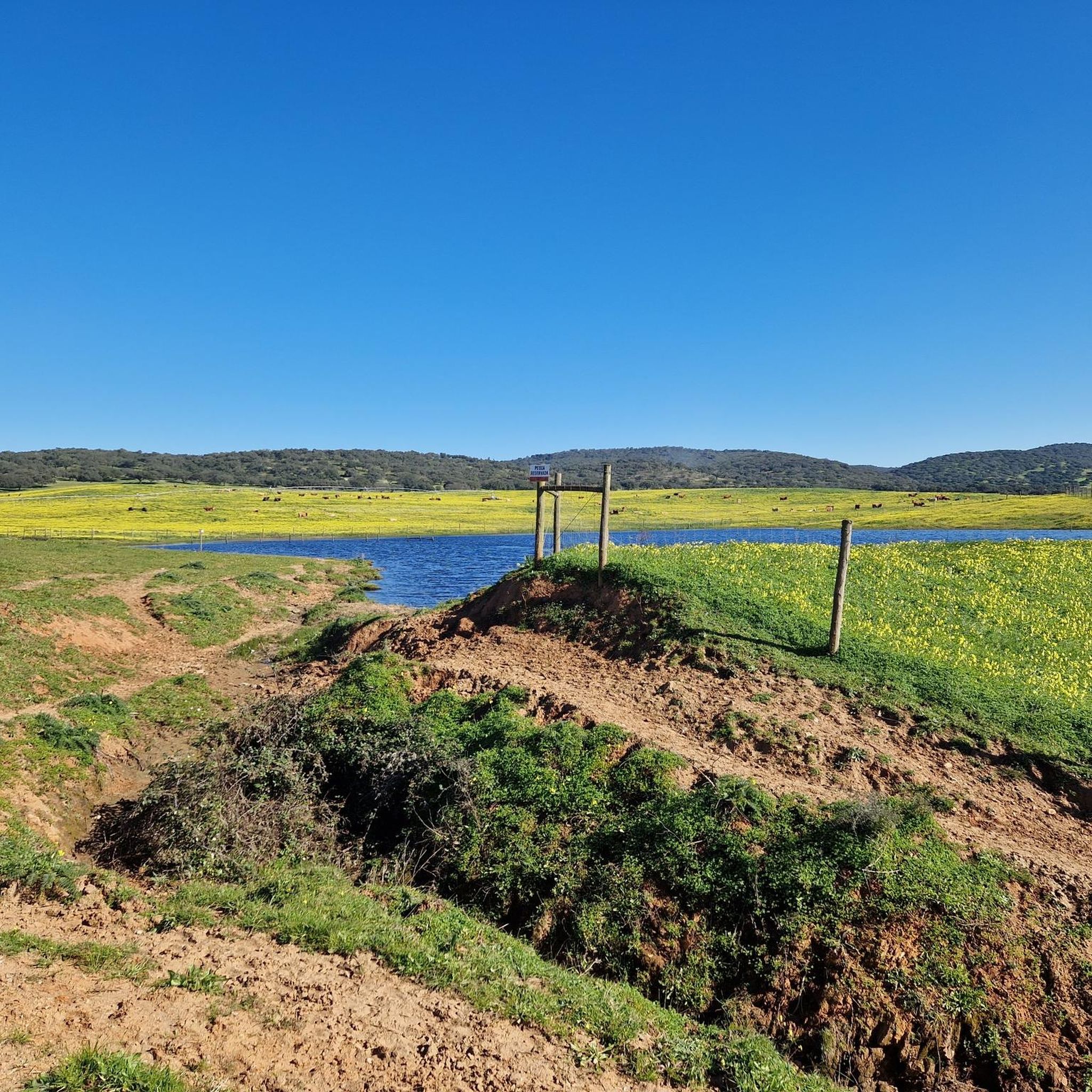
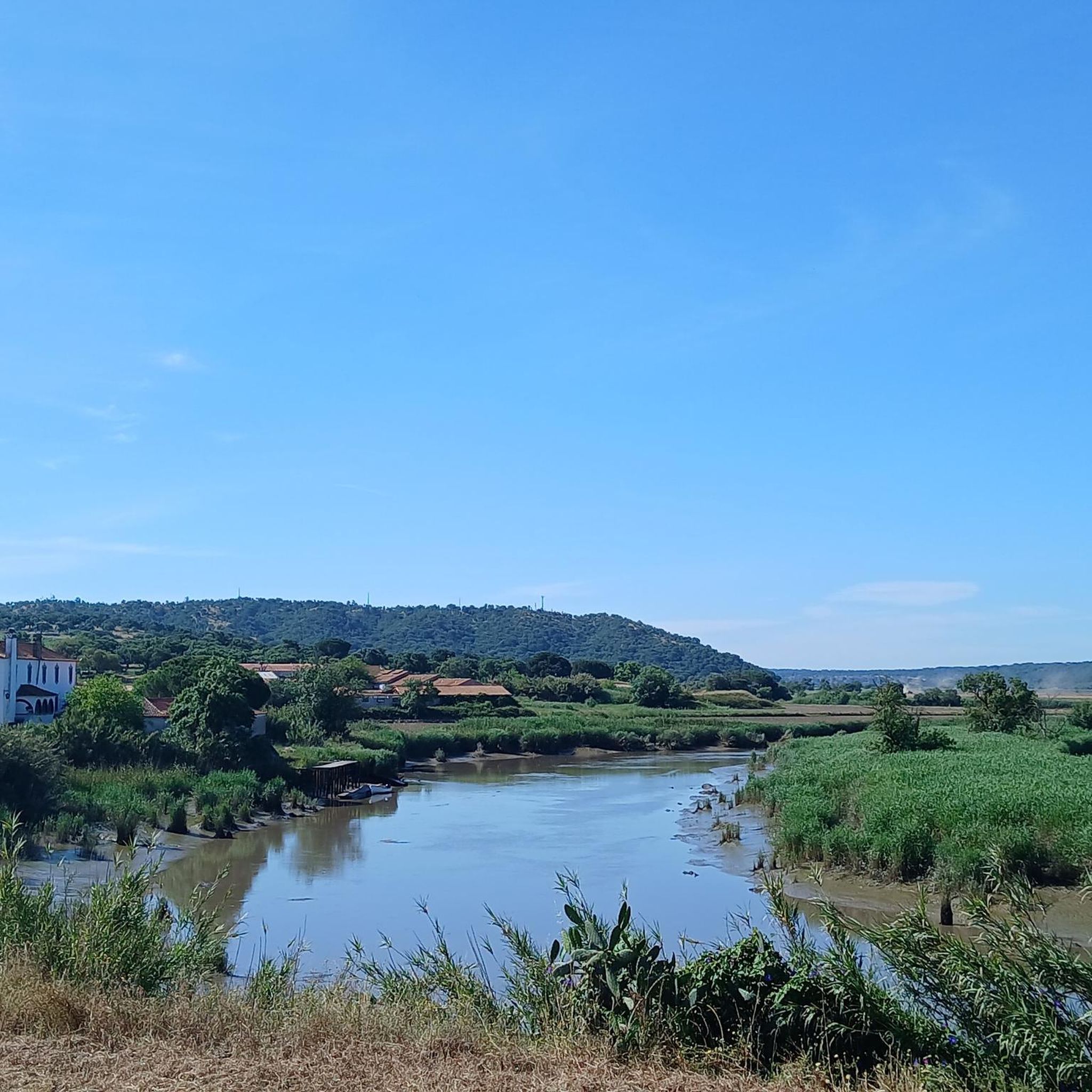
The region around Santiago do Escoural is characterized by rolling plains and gentle hills, typical of the Alentejo landscape. You'll cycle through extensive cork oak woodlands and olive groves, offering picturesque scenery. Proximity to the Serra de Monfurado also means some routes may feature more varied elevation profiles, including gradual ascents and descents.
What is the best time of year for road cycling in Santiago do Escoural?
The Alentejo region generally offers pleasant cycling conditions for much of the year. Spring and autumn are ideal, with milder temperatures. Summers can be hot, especially in the middle of the day, while winters are generally mild but can have more rainfall.
Are there road cycling routes suitable for beginners in Santiago do Escoural?
While there are no routes specifically graded as 'easy' in the current selection, the region's rolling plains offer routes with gradual ascents and descents that can be manageable for those with some cycling experience. The 4 moderate routes provide a good starting point for improving fitness.
Are there challenging road cycling routes for experienced cyclists?
Yes, experienced cyclists looking for a challenge will find 3 difficult routes around Santiago do Escoural. For instance, the Évora Public Garden – Roman Temple of Évora loop from Évora is a 51.1-mile (82.2 km) trail with significant elevation gain, often completed in about 4 hours 2 minutes.
Can I find long-distance road cycling routes in the area?
Yes, there are several longer routes available. The Roman Temple of Évora – Checkpoint 3, Évora loop from Évora is a substantial 66.2-mile (106.6 km) route, offering an extended ride through the Alentejo countryside.
Are there circular road cycling routes around Santiago do Escoural?
All the road cycling routes listed are circular loops, allowing you to start and finish at the same point. Examples include the Valverde – Évora City Walls loop from Évora and the Dolmen of Monfurado – View of Montemor-o-Novo loop from Montemor-o-Novo.
What historical landmarks can I explore along road cycling routes near Santiago do Escoural?
The region is rich in history. You can encounter significant megalithic structures like the Almendres Cromlech and the Almendres Menhir. The Montemor-o-Novo Castle is another important medieval site. For a deeper dive into prehistory, the Escoural Cave, a significant archaeological site with Paleolithic rock art, is also nearby. More information can be found at visitmontemornovo.com.
Are there any natural features or scenic viewpoints to see while cycling?
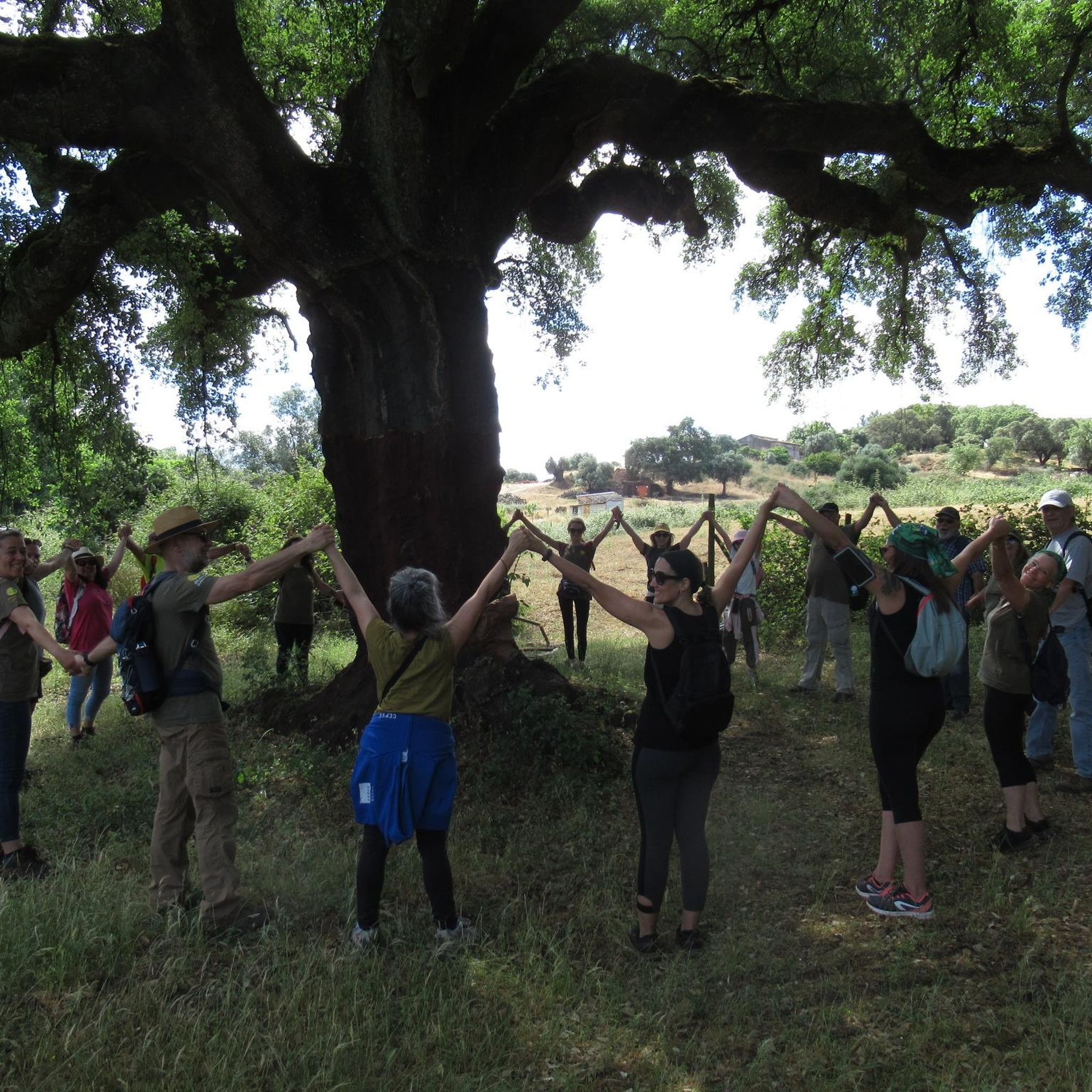
Absolutely. The routes often pass through picturesque cork oak woodlands, such as the Cork Oaks on the Way to the Menhir, and vast olive groves. The rolling plains themselves offer expansive views of the traditional Alentejo landscape. You might also spot the Great Cork Oak, a notable natural monument.
What do other road cyclists say about the routes in Santiago do Escoural?
The road cycling routes around Santiago do Escoural are highly rated by the komoot community, with an average score of 4.7 stars from over 4 reviews. More than 100 road cyclists have used komoot to explore the varied terrain, often praising the scenic beauty of the cork oak woodlands and olive groves.
Is there parking available for cyclists near the routes?
While specific parking areas for cyclists are not detailed in the route descriptions, Santiago do Escoural and nearby towns like Évora and Montemor-o-Novo typically offer public parking options where you can leave your vehicle before starting your ride.
Are there family-friendly road cycling options in Santiago do Escoural?
The routes around Santiago do Escoural are generally moderate to difficult, featuring rolling terrain and longer distances. While not specifically designated as 'family-friendly' for young children, families with older, experienced cycling members may enjoy the less challenging moderate routes, especially those focusing on scenic, quieter roads.
Where can I find cafes or accommodation near the cycling routes?
Santiago do Escoural and the larger nearby towns like Évora and Montemor-o-Novo offer various cafes, restaurants, and accommodation options. These towns serve as excellent bases for exploring the region by bike, providing places to refuel and rest after your rides.
Most popular routes around Santiago Do Escoural
Most popular attractions around Santiago Do Escoural

Get inspired with the komoot mobile app


Explore more
Browse the best Road cycling routes in other regions.
