Attractions and Places To See around Almeida - Top 11
Attractions and places to see around Almeida, a fortified town in the Centro region of Portugal, are centered around its historical significance and unique star-shaped fortress. Located in the Guarda district near the Spanish border, the area is characterized by its military architecture and the natural landscape of the Côa Valley. Visitors can explore a variety of landmarks that reflect centuries of history and strategic importance. The region offers a blend of cultural sites and natural features for exploration.
Best…
Last updated: July 15, 2026
Almeida Castle
Highlight • Castle
Translated by Google •
Tip by

Historic Village of Almeida
Highlight • Historical Site
Translated by Google •
Tip by

Sign up now to discover places like this
Get recommendations on the best single tracks, peaks, & plenty of other exciting outdoor places.
Sign up for free
Fort of the Concepción and Redoubt of San José
Highlight • Castle
Translated by Google •
Tip by

Real Fuerte de la Concepción
Highlight • Historical Site
Translated by Google •
Tip by

Leomil
Highlight • Settlement
Translated by Google •
Tip by
Sign up for free to discover even more attractions around Almeida.
Sign up for free
Already have an account?
Start today with a free account
Your next adventure awaits.
Login or Signup


Tips from the Community

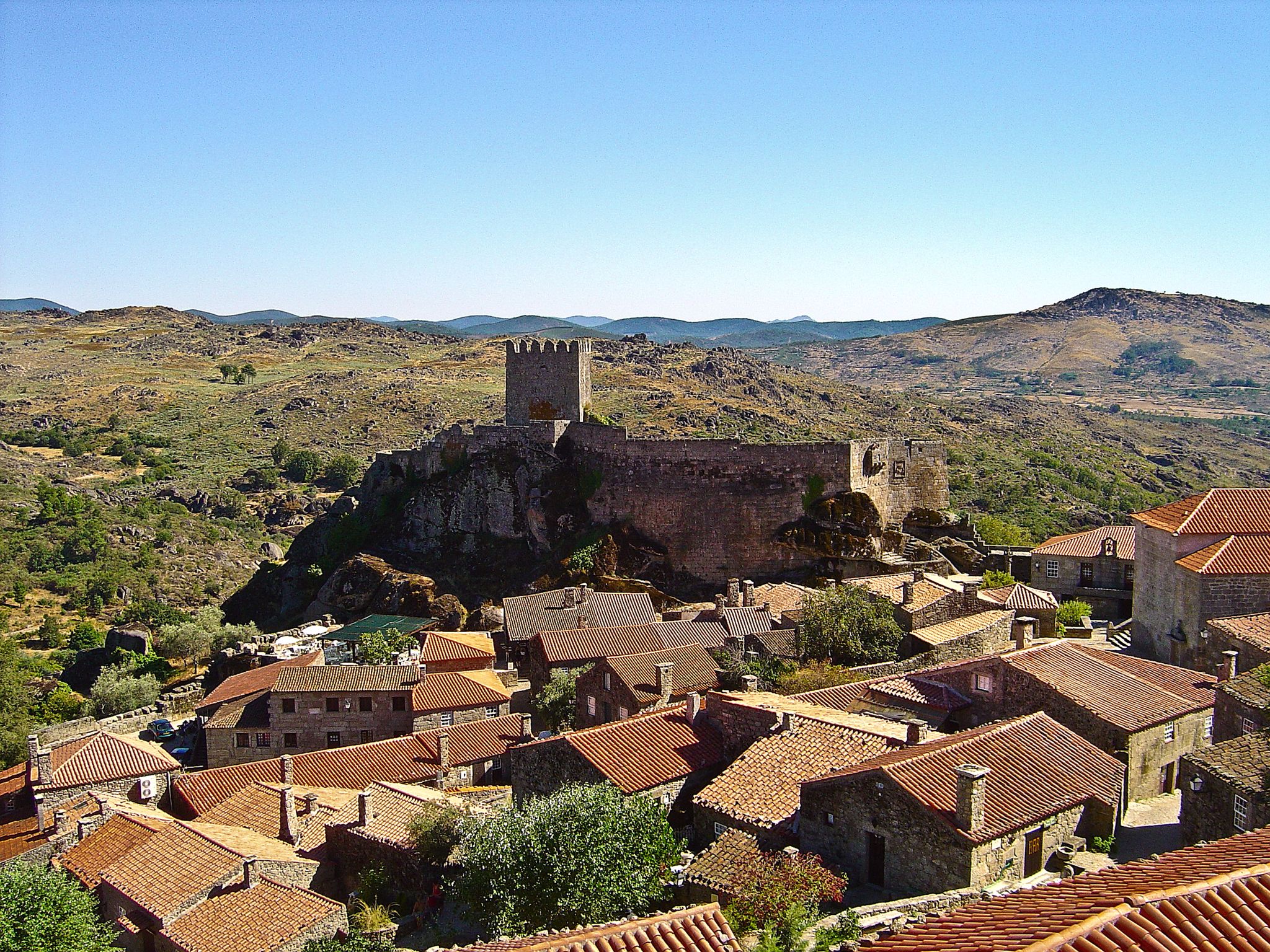
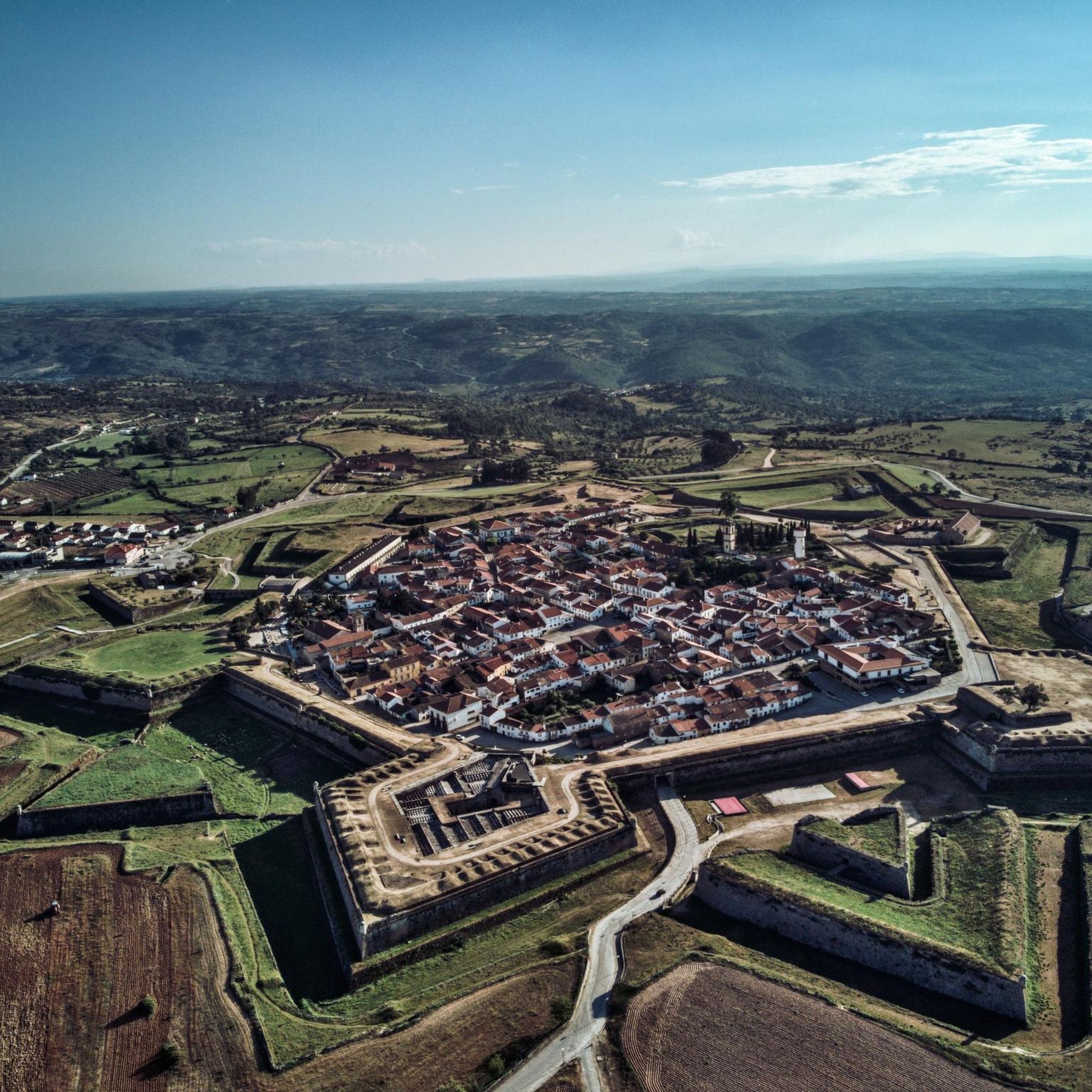
Almeida stands on the plateau like a table set for history: "Al-Mêda" was the name given to it by the Arabs. Previously, it had been a Lusitanian, Roman, and then Christian fort, conquered in 1190 and definitively Portuguese in 1297. Around the medieval castle grew the town, still marked by the Puerta do Sol. After the Restoration, the town transformed into a veritable war machine: the six-pointed star-shaped fortress, with bastions, ravelins, and underground galleries that served as both shelter and prison. It was the scene of decisive battles, devastated by the explosion of 1810 and contested in the liberal wars, always rising from the ruins.
3
0
Leomil was born in the 9th century, when the king awarded the warrior Leodmiro for his fights against the Moors. From the 13th century onward, it became the only Portuguese commandery of the Order of Roncesvalles, in Navarre, which administered it for six centuries. From chickens and wheat paid in rent to vast estates spread across the country, Leomil prospered under this unique rule. Today, few inhabitants remain, and agriculture continues to mark the rhythm of this village where markers bearing the initials "RV" (Roncesvalles) still survive, a living memory of the ancient order.
2
0

The Almeida Fort, originally founded as a castle in the 12th century, is one of the best-preserved fortifications in Portugal. It played an important role throughout its history, particularly during the Napoleonic Wars. It was heavily damaged during the Siege of Almeida in 1810 but was later rebuilt. The star fort is known for its bastions and deep moats, which were once intended to provide protection against invaders.
3
1

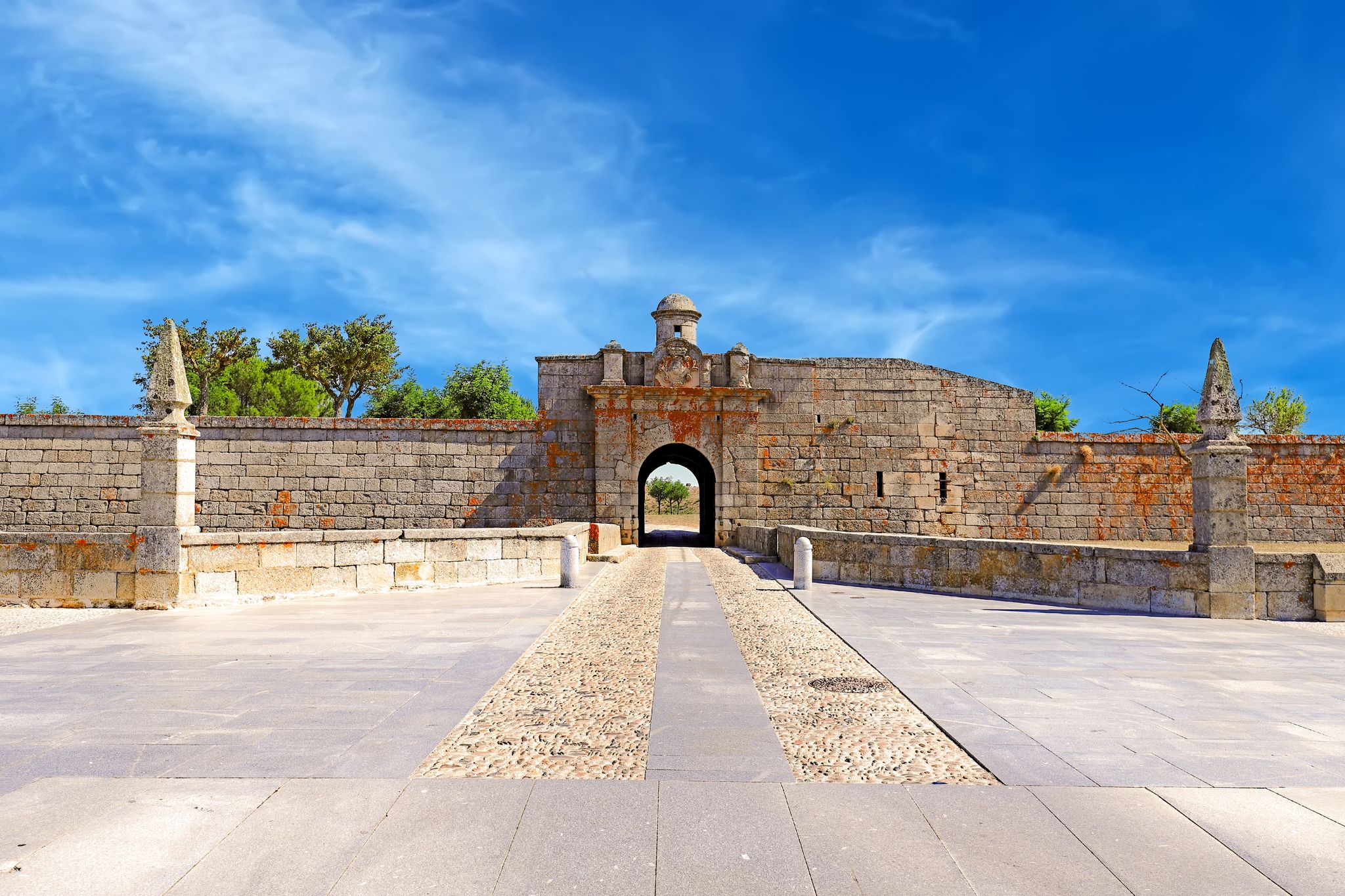
Armed conflicts between borders have been the daily bread in these areas between the two countries. It was built in the 17th century and currently has more than three centuries of history, where its walls are still standing. Currently, it is rehabilitated and is a hotel.
0
2

The refurbishment and reconversion project of this 17th-century fortress won, in 2014, the prize for the best restoration of a military building in Spain. What are now luxury rooms on the Spanish-Portuguese border could house 1,500 infantrymen and 200 horses at his creation. The fort had two phases. The first, in the 17th century, when after the uprising in Lisbon that deposed Philip of Habsburg, it was built to serve as a base for an army that would recover Portugal. The Second, in the 18th century, when it was rebuilt to oppose the Portuguese stronghold of Almeida. During the war of independence, it was partially blown up and, for much of the 19th century, the surrounding inhabitants took advantage of it as a quarry until its sale to the private sector gave rise to the current construction.
1
0

If you walk around the wall you have a nice view and you get an impression of the defenses.
1
0
Frequently Asked Questions
What is the most significant historical landmark in Almeida?
The defining symbol of Almeida is its impressive 17th-century star-shaped fortress, part of the Historic Village of Almeida. This perfectly preserved example of Vauban-style military engineering features a 12-bastion hexadecagon structure, surrounded by moats and ramparts, offering panoramic views over the Côa Valley and the Spanish border. It played a crucial role in Portugal's history, especially during the Napoleonic Wars.
Are there any museums in Almeida that focus on its military history?
Yes, the Almeida Military Museum (Museu Histórico Militar) is housed in a former barracks within the fortress. It offers a fascinating journey through the region's defensive history, with collections of historical weapons, military uniforms, and strategic maps. The museum provides an immersive educational experience focusing on pivotal moments like the Napoleonic invasions and the dramatic sieges.
What natural features can I explore near Almeida?
The Côa River and Valley, just a few miles from Almeida, offer a serene escape into untouched nature with marked trails through rolling hills and dense forests. It's ideal for photography and leisurely walks. Additionally, the Douro International Natural Park, a UNESCO heritage site, is part of the wider natural surroundings, offering opportunities for exploring broader natural landscapes.
What kind of outdoor activities can I do around Almeida?
Almeida and its surroundings are excellent for cycling. You can find various routes, including the 'Green Route of Almeida — Historic Villages of Portugal' for a moderate ride, or more challenging options like the 'Walled Cities Trail (GR-80)'. For more details on cycling routes, visit the Cycling around Almeida guide.
Are there any family-friendly attractions in Almeida?
The entire Historic Village of Almeida is considered family-friendly, offering an engaging experience for all ages to explore the star-shaped fortress, its ramparts, and the historical town center. Walking through the narrow, cobbled streets and learning about the town's past can be an educational and enjoyable activity for families.
What are some other notable historical buildings or sites within Almeida?
Beyond the main fortress, you can explore the remains of Almeida Castle, which was significantly damaged during the French siege of 1810. The town also features the 18th-century Clock Tower, the Misericórdia Church, and the Matriz Church, built by the Templars. Walking through the historic center, you'll also discover numerous emblazoned houses, reflecting the town's historical nobility.
Is there a specific time of year when Almeida hosts special events?
Yes, Almeida is known for its Historical Reenactment of the Siege of Almeida, typically held in August. This event features costumed performances, medieval markets, and military demonstrations, attracting many visitors and allowing them to experience history in a lively and immersive way.
Can I visit historical fortifications near Almeida that are not part of the main fortress?
Absolutely. Just across the border, you can visit the Fort of the Concepción and Redoubt of San José. This 17th-century fortress has been rehabilitated and stands as another significant historical landmark, showcasing the region's strategic importance and military architecture.
What is the best way to experience the historical atmosphere of Almeida?
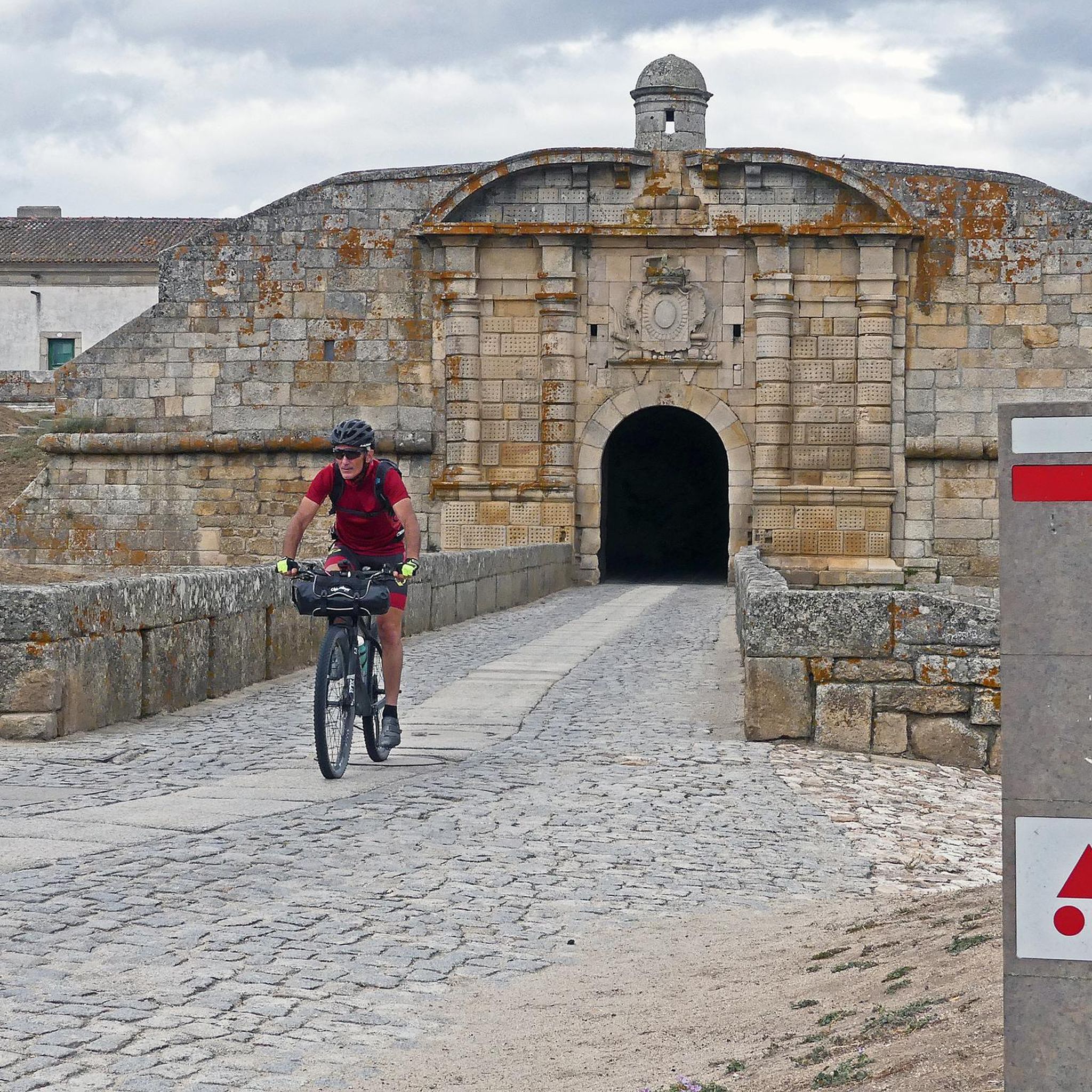
The best way to experience Almeida's historical atmosphere is by walking through its well-preserved historic center. Explore the narrow, cobbled streets, admire the granite houses and quaint squares like Praça do Liberdade, and imagine life within the fortified walls. Don't miss the imposing Saint Francis and Saint Anthony Gates, which served as principal entrances to the fortress.
Are there any lesser-known historical villages or settlements worth visiting near Almeida?
Yes, the settlement of Leomil, born in the 9th century, offers a glimpse into a unique past. It was once the only Portuguese commandery of the Order of Roncesvalles for six centuries. Today, you can still find markers bearing the initials 'RV' (Roncesvalles), a living memory of the ancient order, in this quiet village.
What is the typical duration needed to explore Almeida's main attractions?
To thoroughly explore the star-shaped fortress, including its ramparts, gates, the Military Museum, and to wander through the historic center, you should allocate at least half a day. If you wish to visit nearby sites like the Fort of the Concepción or explore some of the natural trails, a full day or even a weekend would be more suitable.
Most popular routes around Almeida

Get inspired with the komoot mobile app


Explore more
Still not found the Highlight you’re looking for? See guides of the top attractions in other regions:
