The best road cycling routes around Carvalhal Meão
202
riders
8
rides
Road cycling around Carvalhal Meão offers diverse mountainous terrain and winding roads with generally smooth asphalt. The region is characterized by significant elevation gains, dense forests, and clear rivers, providing varied experiences for cyclists. Routes often traverse the Serra da Lousã mountain range, presenting challenging ascents and fast descents. This area is ideal for cyclists seeking to test their limits amidst picturesque landscapes.
Best road cycling routes around Carvalhal Meão
- The most popular road cycling route is Blue Cycle Path…
Last updated: May 15, 2026
27
riders
46.9km
02:18
580m
580m
Moderate road ride. Good fitness required. Mostly well-paved surfaces and easy to ride.
8
riders
73.1km
03:28
970m
970m
Hard road ride. Very good fitness required. Mostly well-paved surfaces and easy to ride.

Sign up for free
3
riders
67.1km
03:23
930m
930m
Hard road ride. Very good fitness required. Some segments of this route may be unpaved and difficult to ride.
4
riders
118km
05:51
1,720m
1,720m
Hard road ride. Very good fitness required. Mostly well-paved surfaces and easy to ride.
3
riders
Moderate road ride. Good fitness required. Some segments of this route may be unpaved and difficult to ride.
Get access to more routes and recommendations from other explorers.
Sign up for free
Already have an account?
Our route recommendations are based on thousands of hikes, rides, and runs completed by other people on komoot.
Start today with a free account
Your next adventure awaits.
Login or Signup
Popular around Carvalhal Meão
Tips from the Community

Sabugal Castle is one of the most imposing and well-preserved medieval fortifications in Portugal. It is known as the "Castle of the Five Corners" due to the unusual shape of its impressive pentagonal keep, the castle's most iconic feature. Its pentagonal (five-cornered) plan is considered unique in Portuguese military architecture. It is approximately 30 meters high and offers incredible views. The castle has a double ring of walls. You can walk along the ramparts on top of the walls for a panoramic view over the city and the Côa River. From the top, you can see the Côa River winding its way through the city and the natural landscape of the Serra da Malcata mountain range.
0
0
Sabugal, a town that deserves a visit to its castle and the entire surrounding area, especially the magnificent river beach on the Côa River.
0
0

Freineda, a small border village, welcomed Lord Wellington between late 1812 and the spring of 1813, during the Peninsular War. In a stone house next to the church, the general established his headquarters, while the rest of the general staff dispersed to neighboring villages. Although described at the time as poverty-stricken, the village became the scene of major military decisions. Today, it remains modest and small, but keeps the memory of that time alive: on the facade of the house where Wellington lived, a plaque commemorates his visit.
1
0
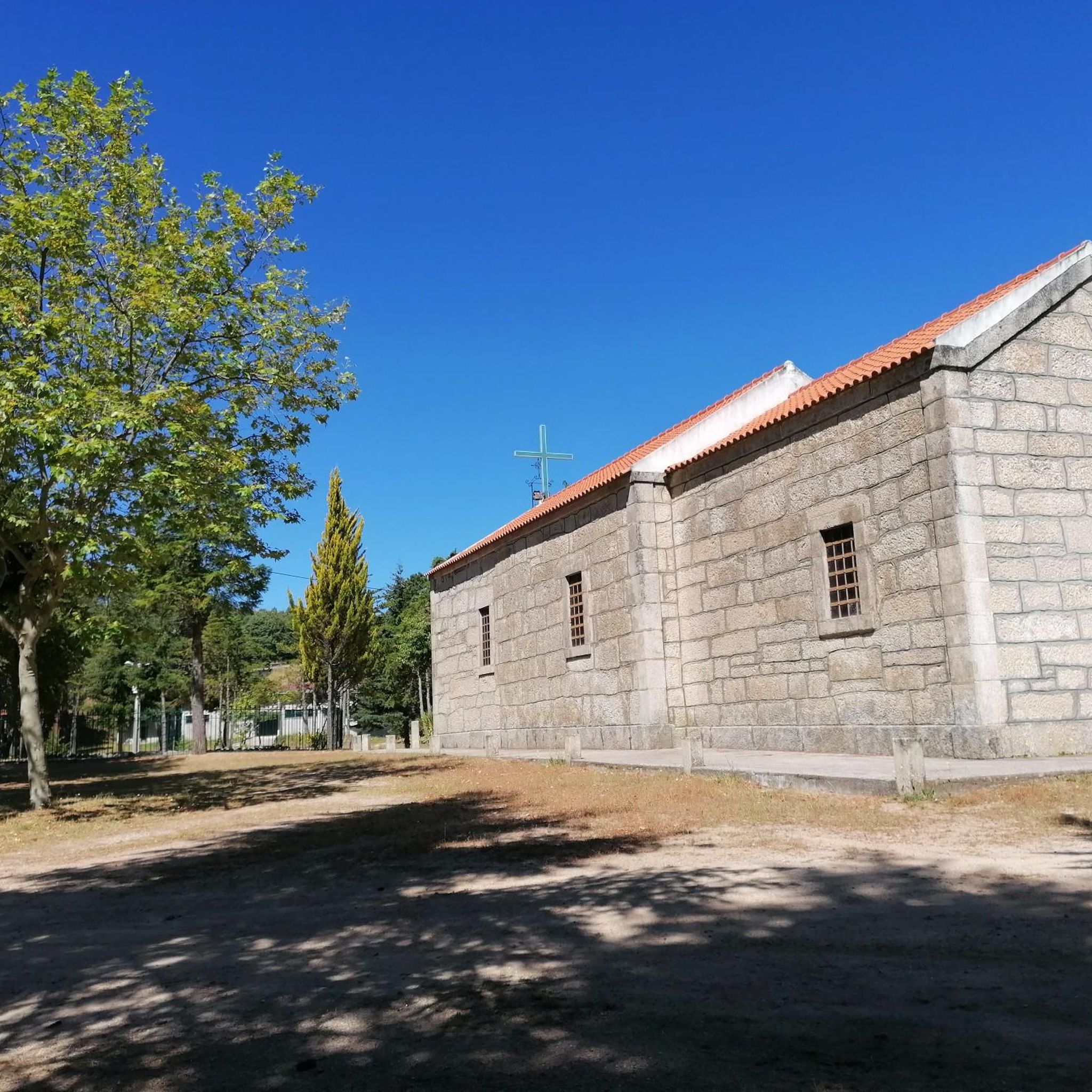
Malhada Sorda, a name evoking ancient sheepfolds and shepherds' huts, was born from the transhumance of cattle across the border. In the heart of the village stands the Church of São Miguel, dating from the late 16th century, flanked by a bell tower that once served as a prison and whose bells still echo manually during processions. Another landmark is the so-called Esnoga or Clock House, a recently restored 17th-century building, which popular tradition suggests may have been a secret synagogue.
1
0
Vilar Maior breathes history in every stone. From the 11th century until the Treaty of Alcanices in 1297, it passed from the Kingdom of León to Portugal under King Dinis, who reinforced the castle with the keep. Between medieval walls, the ruins of the Church of Santa Maria, the Manueline pillory, and prehistoric engravings, the place holds centuries of memory. Today, the streets descend from the old fortress to the plain, where manor houses, bridges, and churches continue to tell the long story of this border town.
2
0
Soito, also called Souto, is now a village, a title it acquired in 1999. The name comes from the chestnut trees that once graced the local landscape. As early as 1527, according to the Royal Register, this was the most important center of the municipality, with 160 residents.
1
0
Among the secret corners of Portugal, the Côa River is a discreet treasure. It rises in Fóios and flows through valleys and hills until it joins the Douro River in Vila Nova de Foz Côa. Even here, where it flows gently and seems like just a trickle, the valley reveals all its magic. It's the ideal place to rest for a moment, cool your feet, and let yourself be enveloped by the river's serenity before resuming your journey.
1
0
Built on the Côa River, Sabugal Castle preserves centuries of borders and memory. Once part of the Kingdom of León, it passed to Portugal in 1297 and became a strategic staging ground for the Portuguese-British troops during the Third French Invasion. Today, it continues to stand as a living testament to the long history of one of Europe's oldest nations.
1
0
Frequently Asked Questions
How many road cycling routes are available around Carvalhal Meão?
Komoot features 8 road cycling routes around Carvalhal Meão. These routes offer a mix of experiences, with 5 classified as moderate and 3 as difficult, catering to various fitness levels.
What kind of terrain can I expect on road cycling routes in Carvalhal Meão?
The region around Carvalhal Meão is characterized by diverse mountainous terrain, dense forests, and winding roads with generally smooth asphalt. You can expect significant elevation gains, challenging ascents, and fast descents, particularly when traversing areas like the Serra da Lousã mountain range.
Are there any routes suitable for advanced road cyclists looking for a challenge?
Yes, Carvalhal Meão offers several challenging routes for experienced cyclists. For instance, the Scenic Road Bend – View of Covilhã loop from Vila Fernando is a difficult 117.8 km route with nearly 1700 meters of elevation gain, providing a demanding experience. Another option is the Blue Cycle Path Near Viseu – Rio Diz Urban Park loop from Pega, which covers 73.1 km with over 960 meters of climbing.
What natural features or landmarks can I see along the road cycling routes?
Road cycling routes in this region often provide panoramic views over lush forests and valleys. You'll encounter deep valleys carved by rivers like the Ceira, Mondego, and Zêzere, which are central to the area's charm. The proximity to the Serra da Estrela UNESCO Geopark also means impressive mountain gradients and immersive natural experiences.
Are there any river beaches or places to cool off near the cycling routes?
Yes, Central Portugal is known for its beautiful river beaches (Praias Fluviais). These offer quiet spots for relaxation and swimming, often featuring clear, refreshing water, natural pools, and picnic areas. While not directly on every route, they are a significant natural attraction in the broader region.
What is the best time of year for road cycling in Carvalhal Meão?
While specific seasonal recommendations aren't provided, the presence of river beaches and clear rivers suggests that warmer months are ideal for enjoying the full range of outdoor activities, including cycling and cooling off. Spring and autumn generally offer pleasant temperatures for cycling in mountainous regions.
Are there any circular road cycling routes available?
Yes, many of the routes around Carvalhal Meão are designed as loops, offering circular journeys. Examples include the Blue Cycle Path Near Viseu – Rio Diz Urban Park loop from Vila Fernando and the Freineda – Vila Maior loop from Praia fluvial de Vale das Éguas, allowing you to start and finish at the same point.
What kind of views can I expect on the road cycling routes?
The cycling routes frequently offer sweeping panoramic views over the natural landscape, including lush forests, deep valleys, and the majestic mountains that define the region. The area's mountainous character ensures many scenic vistas.
Are there any moderate-difficulty routes for road cyclists?
Yes, there are several moderate routes. The Blue Cycle Path Near Viseu – Rio Diz Urban Park loop from Vila Fernando is a popular moderate route, covering 46.9 km with about 580 meters of elevation gain. Another moderate option is the Bridge over the Côa River – Soito loop from Praia fluvial de Vale das Éguas, which is 46.2 km long with similar elevation.
What do other road cyclists say about the routes in Carvalhal Meão?
Over 100 road cyclists have used komoot to explore Carvalhal Meão's varied terrain. They often praise the diverse mountainous landscapes, the winding roads with smooth asphalt, and the challenging ascents that test their limits amidst picturesque scenery.
Are there opportunities for altitude cycling near Carvalhal Meão?
Yes, the proximity to the Serra da Estrela, Portugal's highest mountain range, provides excellent opportunities for altitude cycling. This includes climbs to the Torre (1,993m), the highest point in mainland Portugal, making it an ideal area for training and experiencing striking high-altitude scenery.
Can I find routes that pass through historic villages?
The region is home to charming historic villages, often built with slate, that offer a glimpse into local culture and history. While specific routes are not detailed, the general character of the area connects mountain landscapes with rural scenery, suggesting opportunities to cycle through or near these traditional settlements.
Most popular routes around Carvalhal Meão

Get inspired with the komoot mobile app


Explore more
Browse the best Road cycling routes in other regions.
