The best road cycling routes around Moita
150
riders
8
rides
Road cycling routes around Moita are characterized by their proximity to the Tagus River estuary, offering scenic waterfront paths and diverse landscapes. The region features varied terrain, from flatter sections along the river to rolling hills, catering to different fitness levels. Moita has also invested in dedicated cycling infrastructure, including ciclovias, connecting urban centers with leisure areas. These routes often feature well-paved surfaces suitable for road bikes.
Best road cycling routes around Moita
- The most popular road cycling route is Sortelha – Loop from Sabugal, a 69.5 miles (111.8 km) trail that takes 5 hours 50 minutes to complete. This difficult route features significant elevation gain, making it suitable for experienced cyclists.
- Another top favourite among local road cyclists is Belmonte Pillory loop from Casteleiro, a moderate 24.4 miles (39.3 km) path. This route includes notable climbs, offering a balanced challenge with varied scenery.
- Local road cyclists also love the Belmonte Historic Village – At the base of Pedra Furada loop from Pedra Furada, a 24.0 miles (38.7 km) trail leading through varied terrain with moderate elevation, often completed in about 1 hour 52 minutes.
- Road cycling around Moita is defined by the Tagus River estuary, waterfront paths, and rolling hills. The network offers options for different ability levels, from moderate endurance rides to more challenging routes with significant climbs.
- The guide includes highly-rated routes that showcase the best of the region's landscape. More than 140 road cyclists have used komoot to explore Moita's varied terrain.
Last updated: May 15, 2026
112km
05:50
1,800m
1,790m
Hard road ride. Very good fitness required. Mostly well-paved surfaces and easy to ride.
10
riders
39.6km
02:07
650m
650m
Moderate road ride. Good fitness required. Mostly well-paved surfaces and easy to ride.

Sign up for free
2
riders
40.6km
02:14
820m
820m
Moderate road ride. Good fitness required. Mostly well-paved surfaces and easy to ride.
3
riders
Moderate road ride. Good fitness required. Mostly well-paved surfaces and easy to ride.
3
riders
59.6km
03:11
1,000m
1,000m
Hard road ride. Very good fitness required. Mostly well-paved surfaces and easy to ride.
Get access to more routes and recommendations from other explorers.
Sign up for free
Already have an account?
Our route recommendations are based on thousands of hikes, rides, and runs completed by other people on komoot.
Start today with a free account
Your next adventure awaits.
Login or Signup
Popular around Moita

Tips from the Community

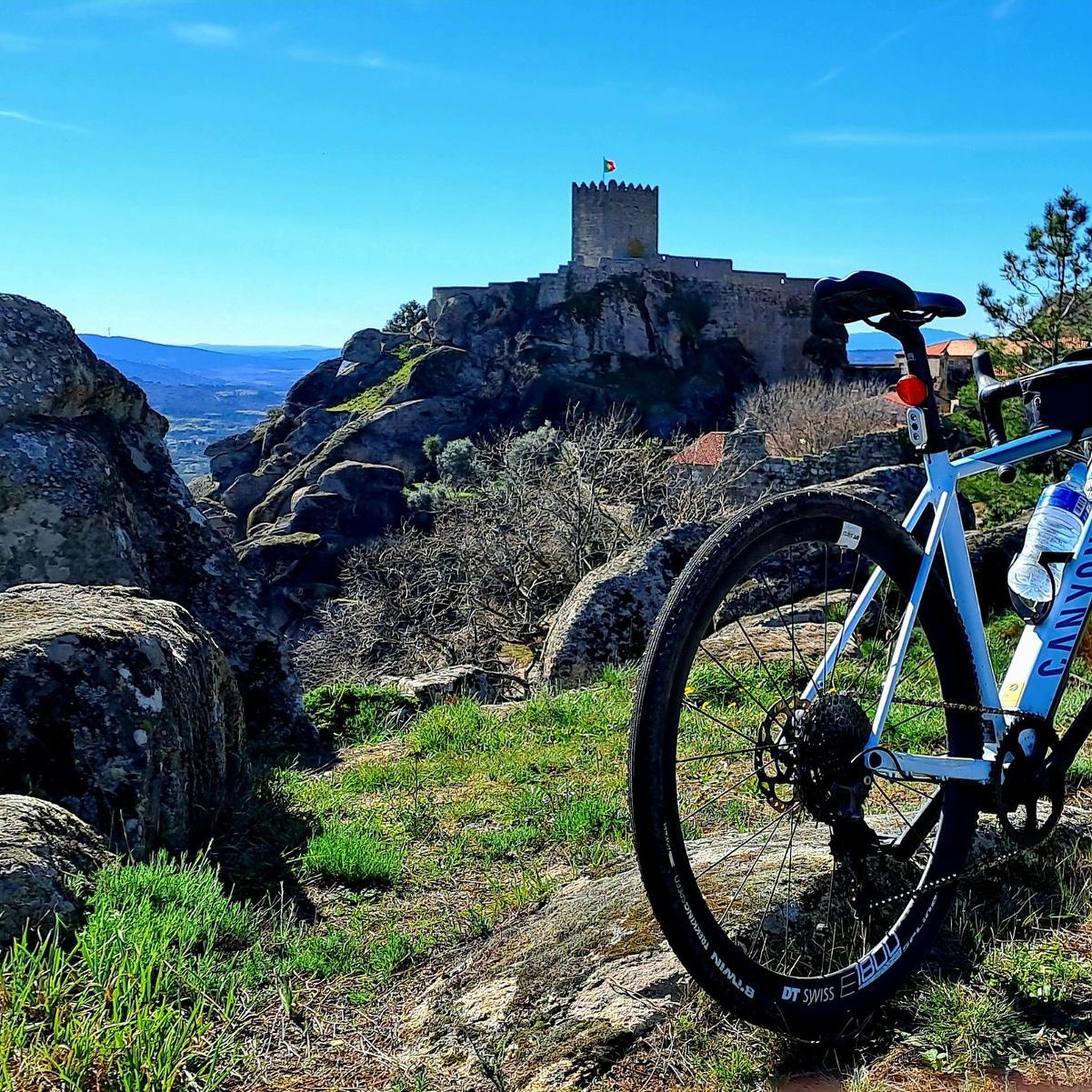
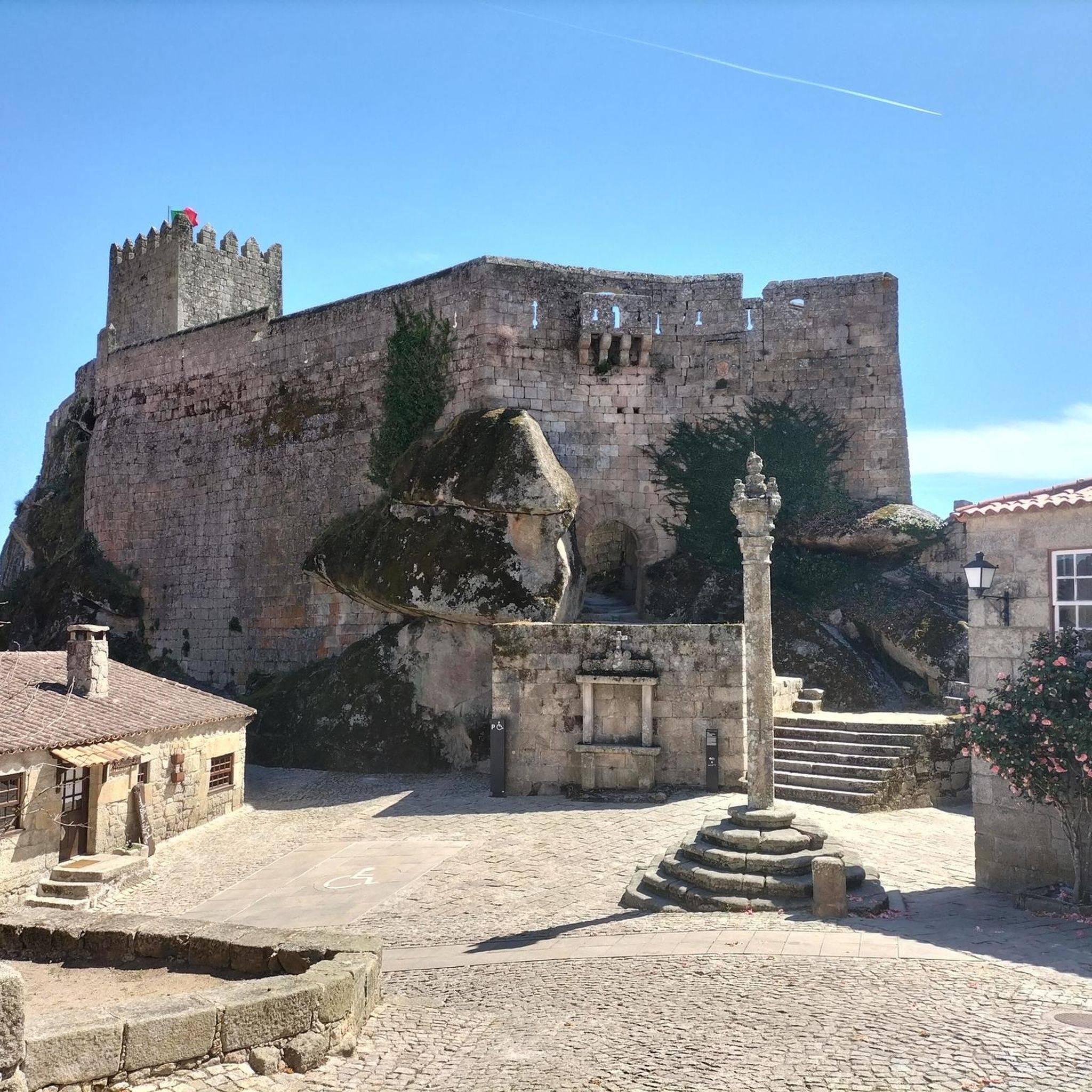
Sabugal Castle is one of the most imposing and well-preserved medieval fortifications in Portugal. It is known as the "Castle of the Five Corners" due to the unusual shape of its impressive pentagonal keep, the castle's most iconic feature. Its pentagonal (five-cornered) plan is considered unique in Portuguese military architecture. It is approximately 30 meters high and offers incredible views. The castle has a double ring of walls. You can walk along the ramparts on top of the walls for a panoramic view over the city and the Côa River. From the top, you can see the Côa River winding its way through the city and the natural landscape of the Serra da Malcata mountain range.
0
0
Sabugal, a town that deserves a visit to its castle and the entire surrounding area, especially the magnificent river beach on the Côa River.
0
0

Here in Vale Verdinho, between the imposing Serra da Pedra Furada and the hill crowned by Sortelha Castle, the landscape exudes serenity. The mountain range rises as a backdrop to countless trails, shaping the landscape with its imposing and tranquil presence.
1
0
On the banks of the river that gives it its name, Meimoa River Beach is an invitation to relax. Between shaded lawns, a natural pool, and futsal and beach soccer fields, there's plenty of space to have fun or simply relax. The bar with a terrace completes the perfect setting for cooling off on hot summer days.
1
0

This pillory was built in the 16th century in the Manueline style. It has been classified as a property of public interest since 1933.
1
0
Among the secret corners of Portugal, the Côa River is a discreet treasure. It rises in Fóios and flows through valleys and hills until it joins the Douro River in Vila Nova de Foz Côa. Even here, where it flows gently and seems like just a trickle, the valley reveals all its magic. It's the ideal place to rest for a moment, cool your feet, and let yourself be enveloped by the river's serenity before resuming your journey.
1
0
Built on the Côa River, Sabugal Castle preserves centuries of borders and memory. Once part of the Kingdom of León, it passed to Portugal in 1297 and became a strategic staging ground for the Portuguese-British troops during the Third French Invasion. Today, it continues to stand as a living testament to the long history of one of Europe's oldest nations.
1
0
Belmonte, one of the twelve Historic Villages of Portugal, is the home of Pedro Álvares Cabral and guardian of the country's largest Jewish community, a legacy that endured centuries of Inquisition. Between walls and memories, mystique and history abound, with the Serra da Estrela on one side and the Malcata Reserve on the other. The food completes the enchantment: Jewish flavors like fried offal coexist with broths, migas, esparregados, and traditional Beira sweets: rice pudding, papas de carolo, and filhós. Here, the landscape and the food merge into a delightful experience.
5
0
Frequently Asked Questions
What types of road cycling routes can I find around Moita?
Moita offers a diverse range of road cycling routes, characterized by their proximity to the Tagus River estuary. You'll find scenic waterfront paths, routes with rolling hills, and flatter sections suitable for endurance rides. The region caters to various fitness levels, from moderate to more challenging rides with significant elevation gains.
Are there dedicated cycling paths or ciclovias in Moita?
Yes, Moita has invested in dedicated cycling infrastructure, including approximately seven kilometers of ciclovias. These paths are designed to connect urban centers with leisure areas, such as the Rosário River Beach and José Afonso Park, both located along the Tagus River, enhancing accessibility and providing pleasant rides within the locality.
What kind of terrain should I expect on road cycling routes in Moita?
The terrain around Moita is varied. Many routes feature well-paved surfaces along the Tagus River estuary, offering expansive views. You can expect a mix of flatter sections, particularly closer to the river, and rolling hills, especially on routes that venture further inland. Some paths even incorporate unique wooden walkways.
Are there challenging road cycling routes for experienced cyclists in Moita?
Absolutely. For experienced cyclists seeking a challenge, Moita offers several difficult routes with significant elevation gain. An example is the Sortelha – Loop from Sabugal, which covers over 111 km with substantial climbing, making it suitable for those looking for a demanding ride.
What are some moderate road cycling options around Moita?
If you prefer a balanced challenge, Moita has several moderate routes. The Belmonte Pillory loop from Casteleiro is a popular choice, offering notable climbs and varied scenery over approximately 39 km. Another option is the Belmonte Historic Village – At the base of Pedra Furada loop from Pedra Furada, which also features moderate elevation over a similar distance.
What can I see or explore along the road cycling routes in Moita?
Cycling in Moita allows for exploration of both natural beauty and cultural sites. You can enjoy stunning views of the Tagus River estuary, observe diverse wildlife including flamingos, and pass through traditional villages. Notable attractions nearby include the Historic Village of Sortelha, Sabugal Castle, and the Bridge over the Côa River. The historic center of Moita itself also offers sites like the Chapel of São Sebastião.
Are there any circular road cycling routes available in Moita?
Yes, many of the road cycling routes around Moita are designed as loops, allowing you to start and end at the same point. Examples include the Sortelha – Loop from Sabugal and the Belmonte Pillory loop from Águas Radium, providing convenient options for exploring the region.
What is the best time of year for road cycling in Moita?
Moita's climate makes it suitable for road cycling for much of the year. The spring and autumn months generally offer pleasant temperatures for longer rides. Even in winter, the region can be a good option, with milder conditions compared to many other parts of Europe, though it's always advisable to check local weather forecasts.
Are there places to stop for refreshments along the routes?
While specific cafes and pubs along every route are not detailed, cycling through Moita and its surrounding traditional villages often provides opportunities for refreshment. The historic center of Moita itself boasts terraces and restaurants where you can take a break. Planning your route to pass through these villages can ensure convenient stops.
What do other road cyclists enjoy most about cycling in Moita?
Road cyclists frequently praise Moita for its picturesque location along the Tagus River estuary, offering stunning scenic waterfront rides. The variety of routes catering to different difficulty levels, from moderate endurance rides to more challenging climbs, is also highly appreciated. The generally well-paved surfaces and commitment to cycling infrastructure further enhance the experience.
Are there any family-friendly road cycling options in Moita?
While many routes involve varied terrain and some elevation, the dedicated ciclovias within Moita, connecting urban centers to leisure areas like Rosário River Beach and José Afonso Park, offer flatter and safer options that can be more suitable for families or those seeking a relaxed ride.
Most popular routes around Moita
Most popular attractions around Moita

Get inspired with the komoot mobile app


Explore more
Browse the best Road cycling routes in other regions.
