Attractions and Places To See around Travancinha - Top 7
Best attractions and places to see around Travancinha, a village in Portugal's Guarda District, offer a blend of historical sites, cultural landmarks, and natural features. Situated near the Serra da Estrela mountains, the area provides opportunities for outdoor exploration. Travancinha is characterized by its historical significance as a former county seat and its diverse landscapes.
Best attractions and places to see around Travancinha
- The most popular attractions is Lapa dos Dinheiros River Beach, a river beach nestled on the banks of the Caniça river. It offers clear water for swimming and is recognized as an accessible beach with facilities.
- Another must-see spot is Aqueduct of the Caniça Route, a man-made monument that forms part of the PR10 regional hiking trail. This route involves varied terrain and offers a challenging hiking experience.
- Visitors also love Lapa da Orca Dolmen, a historical site and one of Portugal's largest and best-preserved dolmens. Designated a National Monument, it features an intact main chamber and access corridor.
- Travancinha is known for its historical sites, natural features, and cultural landmarks. The region offers a variety of attractions to see and explore, from ancient monuments to river beaches and hiking trails.
- The attractions around Travancinha are appreciated by the komoot community, with more than 60 upvotes and 40 photos shared by visitors.
Last updated: October 4, 2026
Lapa dos Dinheiros River Beach
Highlight • Beach
The crystal-clear, inviting water is perfect for a refreshing dip. The beach, which has been awarded the title of accessible, has lifeguards and a bar, making the experience even more enjoyable.
Translated by Google •
Tip by

Aqueduct of the Caniça Route
Highlight (Segment) • Monument
Translated by Google •
Tip by

Sign up now to discover places like this
Get recommendations on the best single tracks, peaks, & plenty of other exciting outdoor places.
Lapa da Orca Dolmen
Highlight • Historical Site
Translated by Google •
Tip by

Anta da Palheira
Highlight • Historical Site
cm-carregal.pt/pages/1027?poi_id=129
ORCA/ANTA from PALHEIRA is located in the megalithic nucleus of Fiais/Ameal. It is a monument of considerable size, which can be placed, architecturally, within the large group of monuments of Beira. It has a polygonal chamber with nine pillars, with an elongated corridor. However, its peculiar characteristics make this monument the rarest and
most representative example of the circuit, given that
at a somewhat later and yet to be determined period, a considerable barn was built around its central structure, which is part of that farm. Thus, the dolmen remained incorporated within it and was used as a dwelling until the 1970s.
Translated by Google •
Tip by

Side Road to Torre (Serra da Estrela)
Highlight (Segment) • Trail
Translated by Google •
Tip by

Sign up for free to discover even more attractions around Travancinha.
Already have an account?
Start today with a free account
Your next adventure awaits.

Tips from the Community

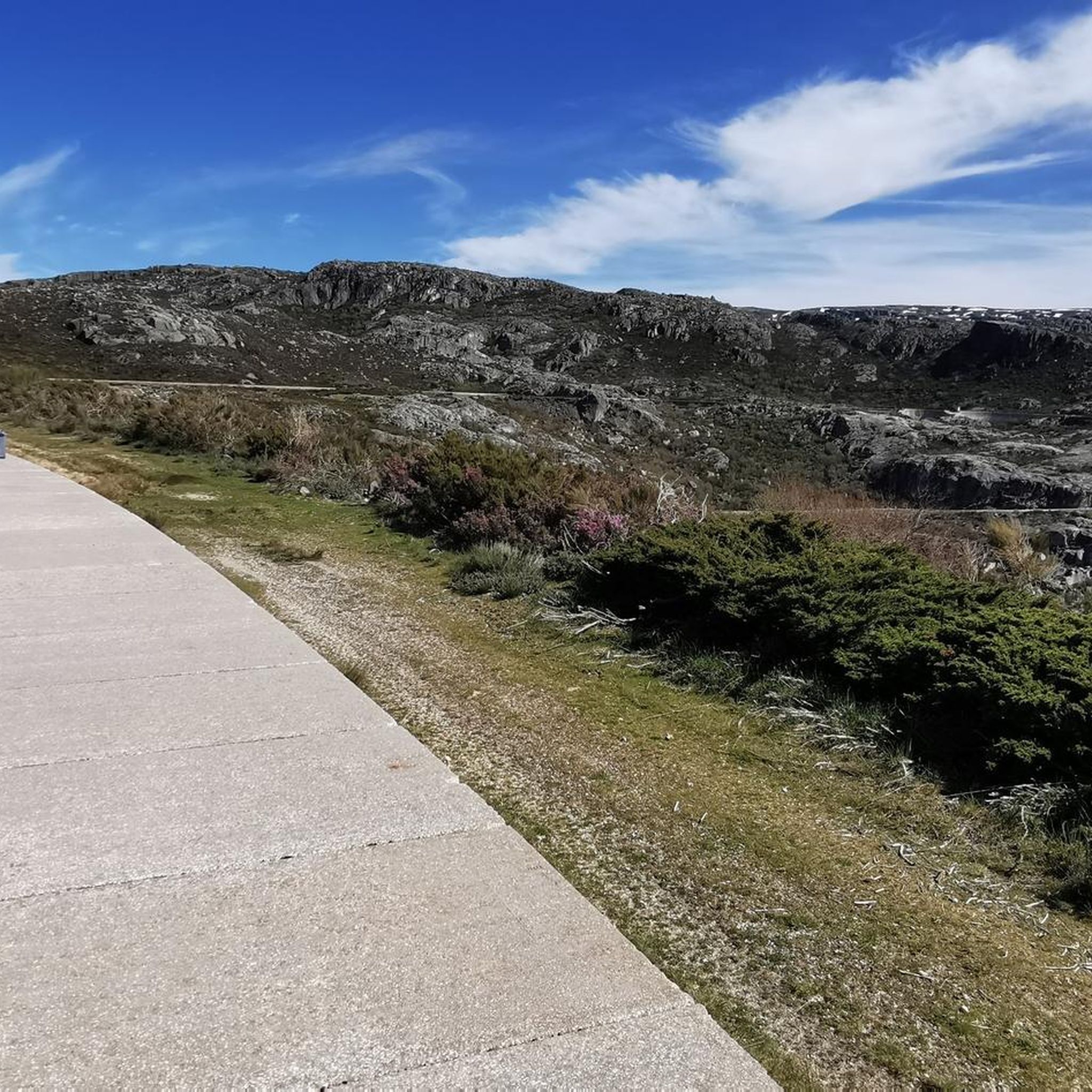
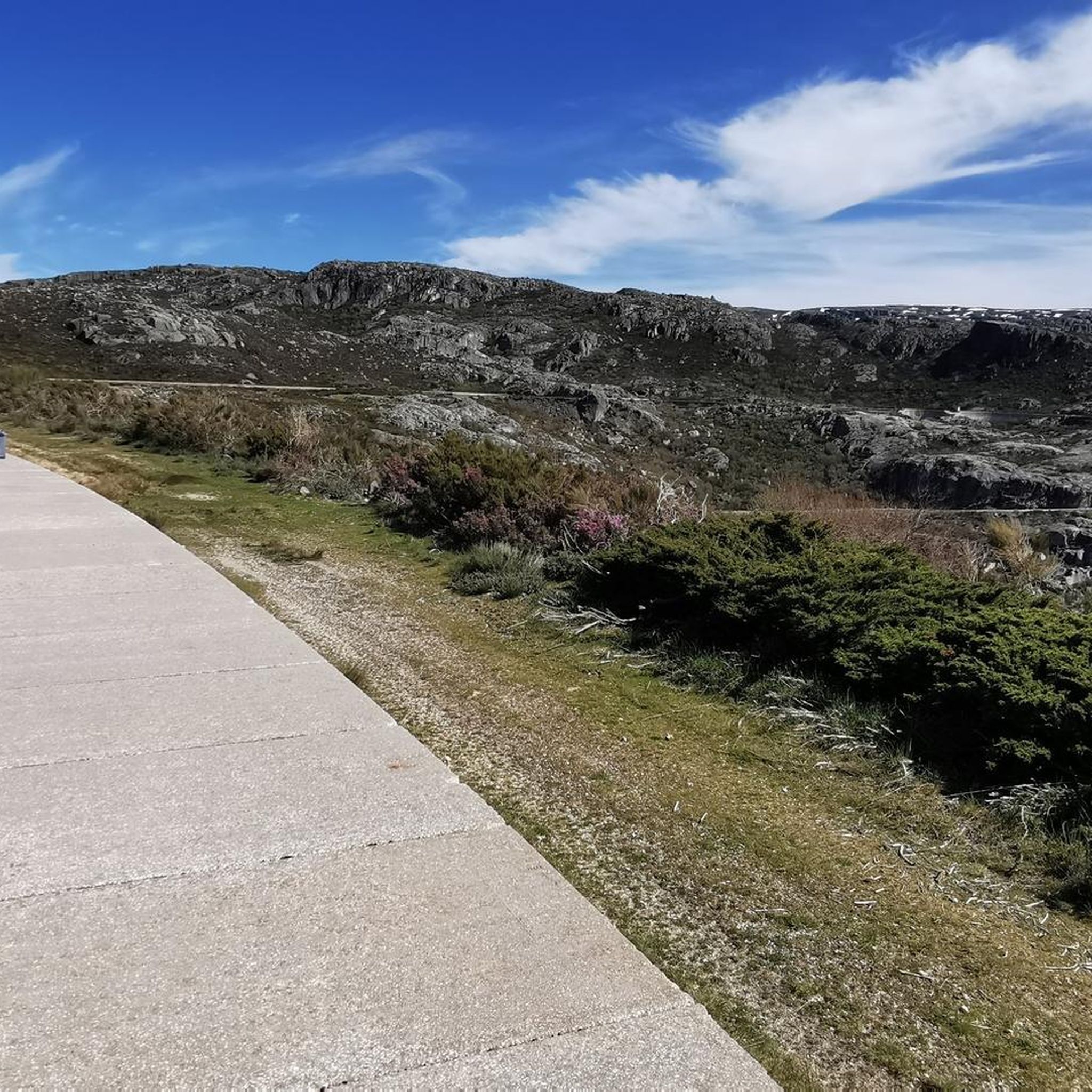
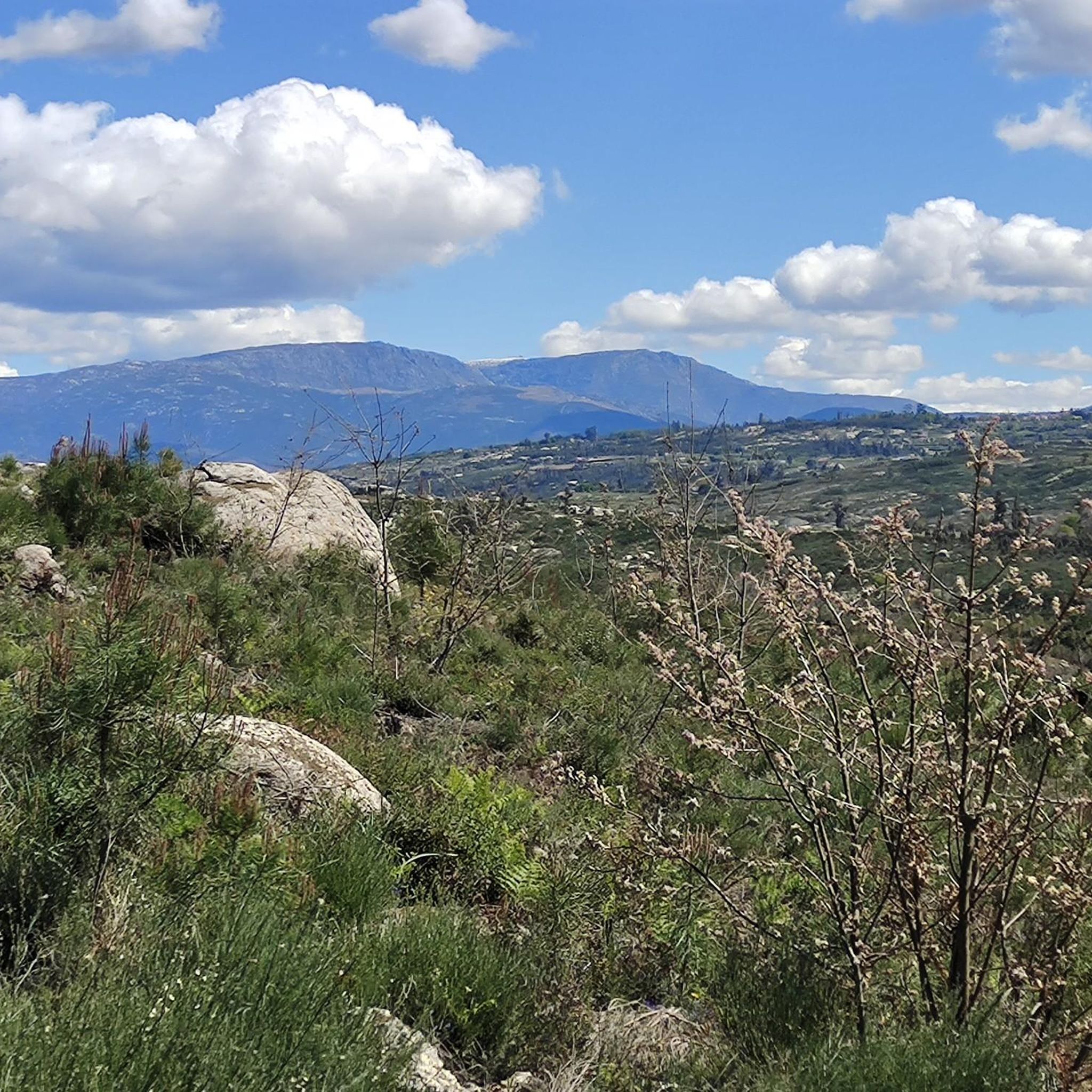
Did this route in June 2026. It is a very beautiful one, but cannot be fully walked as the path along the levada is closed further on and you therefore have to turn back. Despite this information, it was still a beautiful, challenging hike that I found worthwhile.
0
0
The route is still closed. We walked it anyway and it's really not easy. You practically have to climb up a mountainside. 😅 And we were glad it hadn't rained too much beforehand, otherwise the river crossings would not have been passable. Otherwise, in terms of landscape, it's one of the most beautiful hikes of my life. 😍 Sure-footedness, a bit of a sense of adventure, and good hiking boots are recommended.
0
0

Designated a National Monument since 1974, this structure retains the nine upright stones of its main chamber, which is three meters high, and the capstone (covering slab) practically intact. The access corridor to the chamber has 15 upright stones and preserves all the covering slabs, with the dolmen being inserted into a tumulus (or mound, which originally covered the entire stone structure of the monument) approximately 20 meters in diameter. Its construction is believed to have occurred during the Neolithic-Chalcolithic period (between the end of the Neolithic and the beginning of the Chalcolithic), corresponding to the end of the 4th millennium BC. The region where the Orca Dolmen is located shows traces of continuous human activity and occupation since the prehistoric period. It is situated in an area with orographic characteristics conducive to human settlement, being close to a watercourse (the Mondego River) and possessing vast hunting resources. We know that shepherding has been a source of livelihood and income for centuries for the populations of the region, situated on a livestock route between the highlands of the Serra da Estrela and the Mondego valley.
1
0
The Lapa dos Dinheiros river beach is in perfect harmony with nature. Located in the parish of Lapa dos Dinheiros, on the Caniça River, a right-bank tributary of the Alva River, this bathing area is nestled in a mountainous landscape dominated by the Lapa Souto (south of Lapa) and imposing granite outcrops. With clear water, very appealing for swimming, the beach boasts the award for accessible beach and has lifeguards and a bar available to visitors. The rugged terrain of the valley causes the river to form a succession of small waterfalls nearby. The Lapa Souto, in addition to its valuable collection of centuries-old chestnut trees, is also home to a high level of biodiversity. From the bridge, a pedestrian path leads to the Moura Hole and a viewpoint over the Caniça Waterfalls. The Buraco da Moura is a natural cave system created by the sliding and accumulation of large granite blocks, which formed a complex system of rooms and galleries. How to get there? Once in Seia, follow the EN231 to S. Romão. From there, continue uphill for about 5 km, toward Loriga/Lapa, until you find the sign for Lapa dos Dinheiros on the left. Once inside the town, simply follow the beach signs. Coordinates: 40º 23′ 07.0″ N / 7º 41′ 50.1″ W
1
0

This Orca/Anta is part of a tour circuit: PREHISTORIC CIRCUIT OF FIAIS/AZENHA in Carregal do Sal. https://www.cm-carregal.pt/pages/1027?poi_id=129 ORCA/ANTA from PALHEIRA is located in the megalithic nucleus of Fiais/Ameal. It is a monument of considerable size, which can be placed, architecturally, within the large group of monuments of Beira. It has a polygonal chamber with nine pillars, with an elongated corridor. However, its peculiar characteristics make this monument the rarest and most representative example of the circuit, given that at a somewhat later and yet to be determined period, a considerable barn was built around its central structure, which is part of that farm. Thus, the dolmen remained incorporated within it and was used as a dwelling until the 1970s.
2
0
Caution: collapsed path (also aqueduct) 2.5 km from the start. Possible but dangerous passage.
4
0

Nestled on the banks of the Caniça river, a tributary of the Alva river, this beach area is a haven in the middle of a mountainous landscape, where ancient chestnut trees and granite blocks shape the scenery. The crystal-clear, inviting water is perfect for a refreshing dip. The beach, which has been awarded the title of accessible, has lifeguards and a bar, making the experience even more enjoyable.
3
0

It is one of the largest dolmens in Portugal and one of the best preserved.
3
0
Frequently Asked Questions
What natural attractions can I explore near Travancinha?
Travancinha is surrounded by natural beauty. You can visit the Lapa dos Dinheiros River Beach, a serene spot on the Caniça river perfect for swimming. The area is also close to the Serra da Estrela Natural Park, offering diverse landscapes. Don't miss the Borceda Pillar, the highest point in Travancinha, which provides expansive views, or the picturesque Roman Bridge near Moinho do Buraco where the river has carved deep holes into the rock.
Are there historical sites to visit in and around Travancinha?
Yes, Travancinha boasts several historical sites. The Lapa da Orca Dolmen is one of Portugal's largest and best-preserved dolmens, designated a National Monument. You can also find the 16th-century Pelourinho de Casal, reflecting the village's past as a county seat, and the ancient Roman Bridge. Other notable historical structures include the Chamber House and Comenda House, along with vestiges of an old castro and rock-carved tombs in the surrounding Beira villages.
What kind of outdoor activities are available near Travancinha?
The region around Travancinha, especially within the Serra da Estrela Natural Park, is ideal for outdoor enthusiasts. You can enjoy hiking, cycling, and mountain biking. For specific routes, explore the hiking trails around Travancinha, or check out the MTB trails. The Aqueduct of the Caniça Route is a popular regional hiking trail offering a challenging experience.
Are there any family-friendly attractions in Travancinha?
Absolutely! The Lapa dos Dinheiros River Beach is recognized as an accessible beach with lifeguards and a bar, making it a great spot for families to relax and swim. The Lapa da Orca Dolmen is also considered family-friendly, offering an engaging historical experience. Additionally, Chão do Rio, a local rural tourism unit, offers family-friendly activities like photography workshops and mountain walks.
Where can I find panoramic views or viewpoints in Travancinha?
For breathtaking views, head to the Borceda Pillar, which offers panoramic vistas of three districts—Guarda, Coimbra, and Viseu—and several mountain ranges. Nearby, the Baloiço entre serras (Swing between mountains) provides a unique photo opportunity with stunning mountain backdrops. The Astronomical Viewpoint at Borceda is also an excellent spot for stargazing.
What is the best time to visit Travancinha?
Travancinha is enjoyable year-round. Spring and autumn offer pleasant weather for hiking and exploring natural and historical sites. Summer is perfect for enjoying the river beaches. During winter, its proximity to Serra da Estrela makes it a good base for winter sports enthusiasts when there's snow.
Are there any religious or cultural landmarks in Travancinha?
Travancinha has a rich religious heritage. The 18th-century Parish Church, dedicated to Our Lady of the Rosary, features a stone statue of St. Peter. You can also visit several chapels, including Our Lady of Virtues Chapel, Our Lady of Help' Chapel, St. Sebastian's Chapel, and Our Lady of Health Chapel. The Cruzeiro do Duplo Centenário (centenary cross) also adds to the village's cultural points of interest.
Can I find trails for running near Travancinha?
Yes, there are several trails suitable for running around Travancinha. You can find various options, including moderate and difficult routes, by exploring the running trails guide for Travancinha. These routes offer a great way to experience the region's natural beauty while exercising.
What are some unique natural rock formations or geological features in the area?
Beyond the general mountainous landscape, Travancinha features interesting geological formations. The Seixinha Cave offers views for contemplation, and you can observe Pedunculated Rocks, which are unique natural points of interest. The Penedo da Forca (Gallows Rock) is another notable rock formation with local significance.
Where can I experience traditional Portuguese cuisine in Travancinha?
Visitors can indulge in traditional Portuguese dishes at local eateries. Restaurante O Pátio is known for serving specialties like "cozido à portuguesa" made with locally sourced ingredients, offering an authentic taste of the region.
Are there any ancient paths or Roman remnants near Travancinha?
Yes, the area has historical connections to ancient routes. A path bordering the Chão do Rio property, also known as "Canada das Cerejeiras," is believed to be a Roman Path and part of an ancient road connecting Mangualde to Bobadela. Additionally, the Roman Bridge near Moinho do Buraco is a significant historical structure.
What is the significance of the Borceda Pillar?
The Borceda Pillar is a geodesic landmark that holds significant importance for its panoramic views. From this point, you can see three districts—Guarda, Coimbra, and Viseu—and several mountain ranges, including Estrela, Caramulo, and Lousã. It's also recognized as a prime location for astronomical observation, with an Astronomical Viewpoint nearby.
Most popular routes around Travancinha
Most popular attractions around Travancinha

Get inspired with the komoot mobile app


Explore more
Still not found the Highlight you’re looking for? See guides of the top attractions in other regions:
