Attractions and Places To See around Pousaflores - Top 20
Best attractions and places to see around Pousaflores include a blend of historical landmarks, natural beauty, and cultural sites. This charming locality in Portugal serves as a gateway to several noteworthy attractions within its immediate vicinity and the surrounding region. Visitors can explore religious monuments, medieval fortresses, and traditional villages, alongside natural features like river beaches and scenic viewpoints. The area offers diverse experiences for those interested in both cultural heritage and outdoor exploration.
Best attractions and places to see…
Last updated: May 21, 2026
Igreja de Alvaiázere
Highlight • Religious Site
Translated by Google •
Tip by

Fragas de São Simão River Beach
Highlight • Beach
Translated by Google •
Tip by
Sign up now to discover places like this
Get recommendations on the best single tracks, peaks, & plenty of other exciting outdoor places.
Sign up for free
Ponte da Cal
Highlight • Bridge
Translated by Google •
Tip by

Scenic viewpoint at Monte da Ovelha
Highlight • Viewpoint
Translated by Google •
Tip by

Hiking Shortcut to the Passadiços
Highlight (Segment) • Trail
Translated by Google •
Tip by
Sign up for free to discover even more attractions around Pousaflores.
Sign up for free
Already have an account?
Start today with a free account
Your next adventure awaits.
Login or Signup
Tips from the Community

The Parish Church of Alvaiázere is a temple dedicated to Saint Mary Magdalene. This religious building was likely built in the second half of the 16th century and underwent extensive remodeling in subsequent centuries, modifying part of its 16th-century structure. [https://www.outdooractive.pt/mobile/pt/poi/alvaiazere/igreja-matriz-de-alvaiazere/805548327/](https://www.outdooractive.pt/mobile/pt/poi/alvaiazere/igreja-matriz-de-alvaiazere/805548327/)
1
0

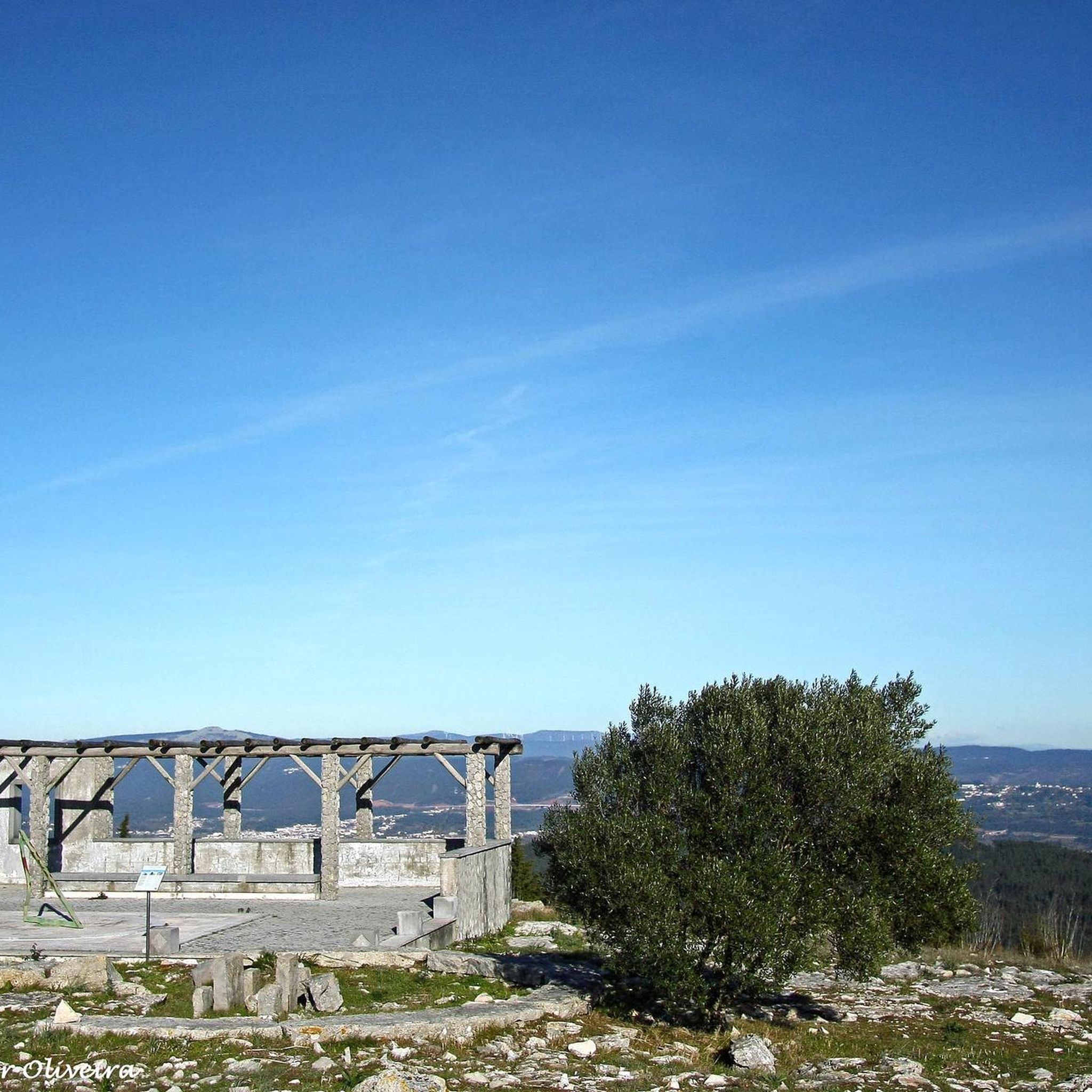
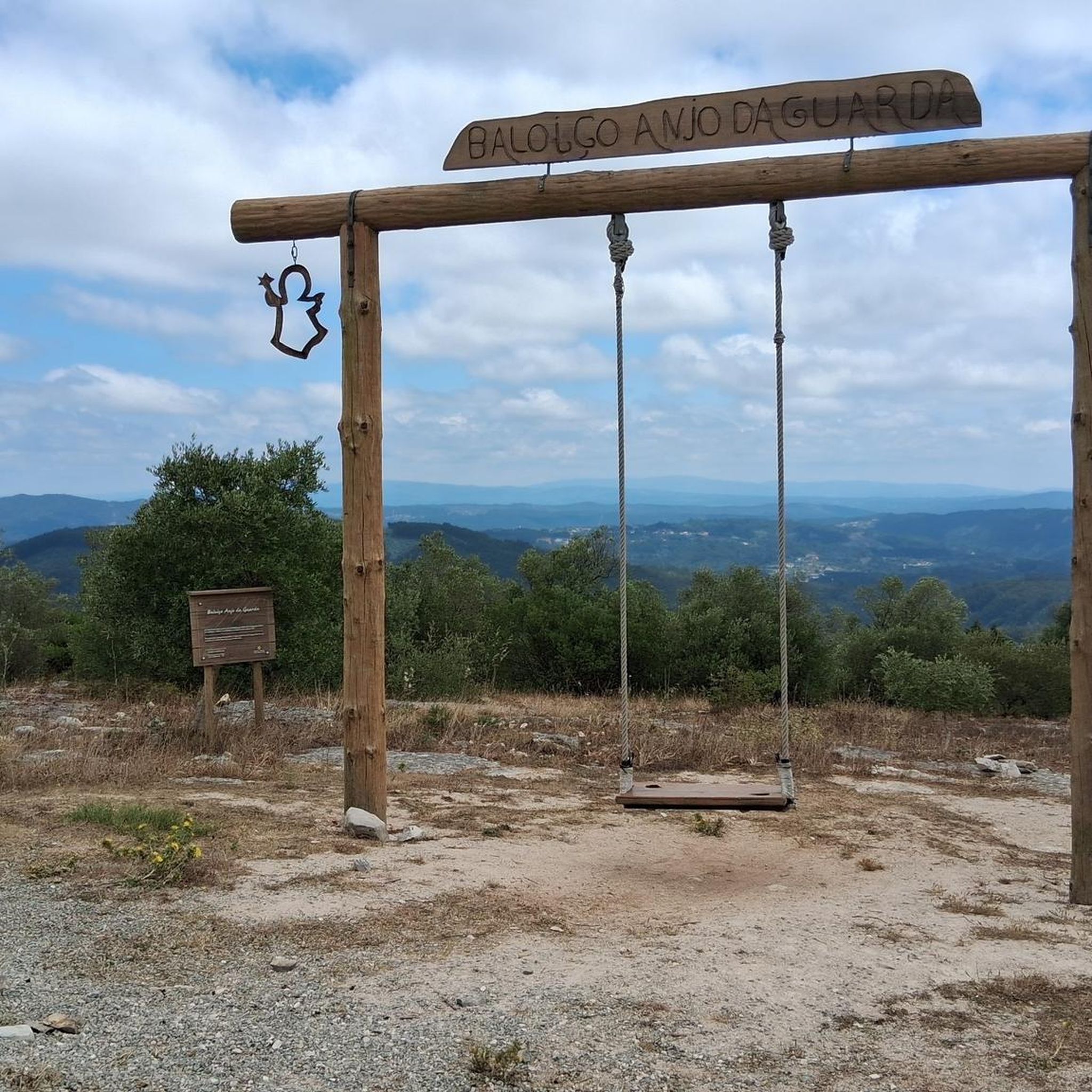
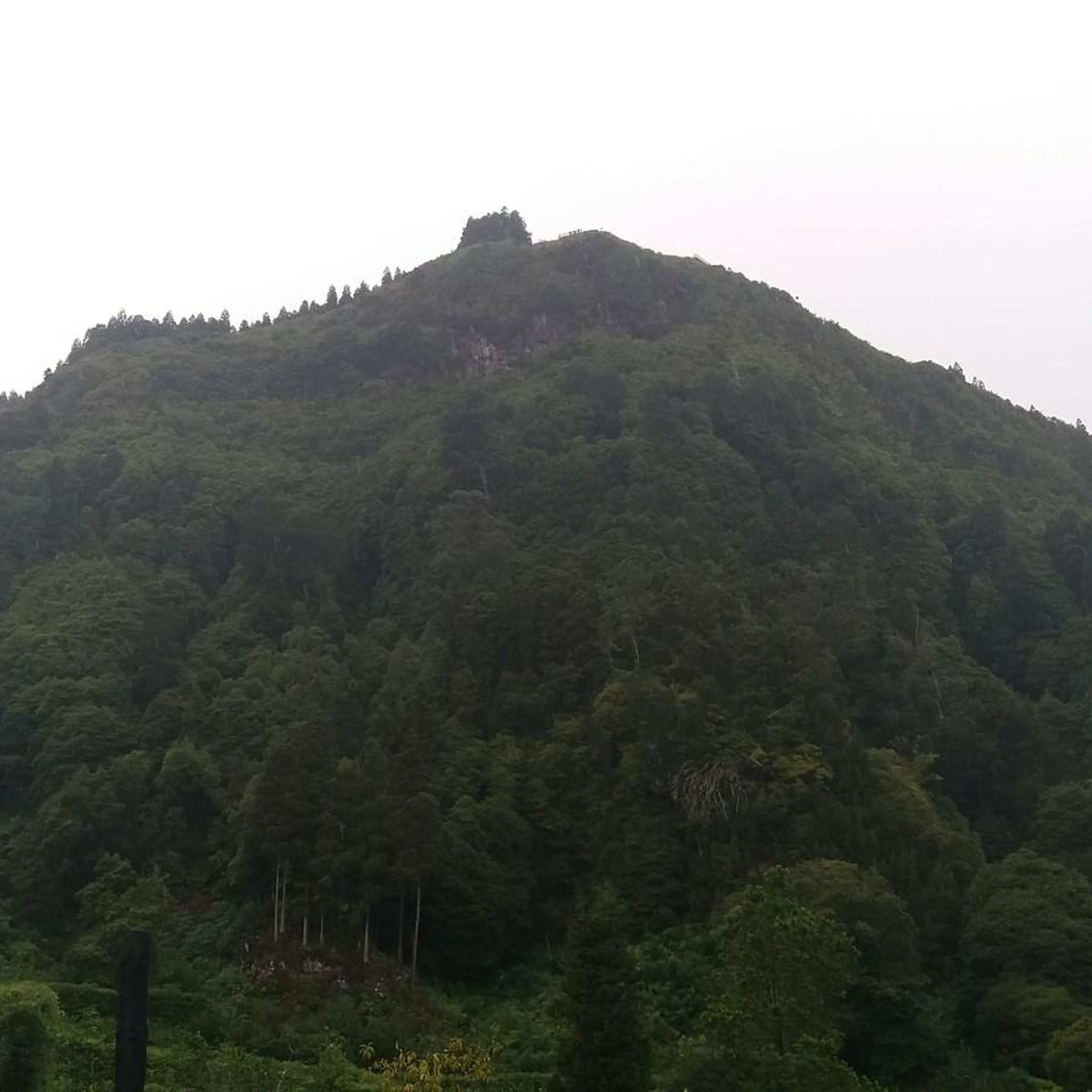
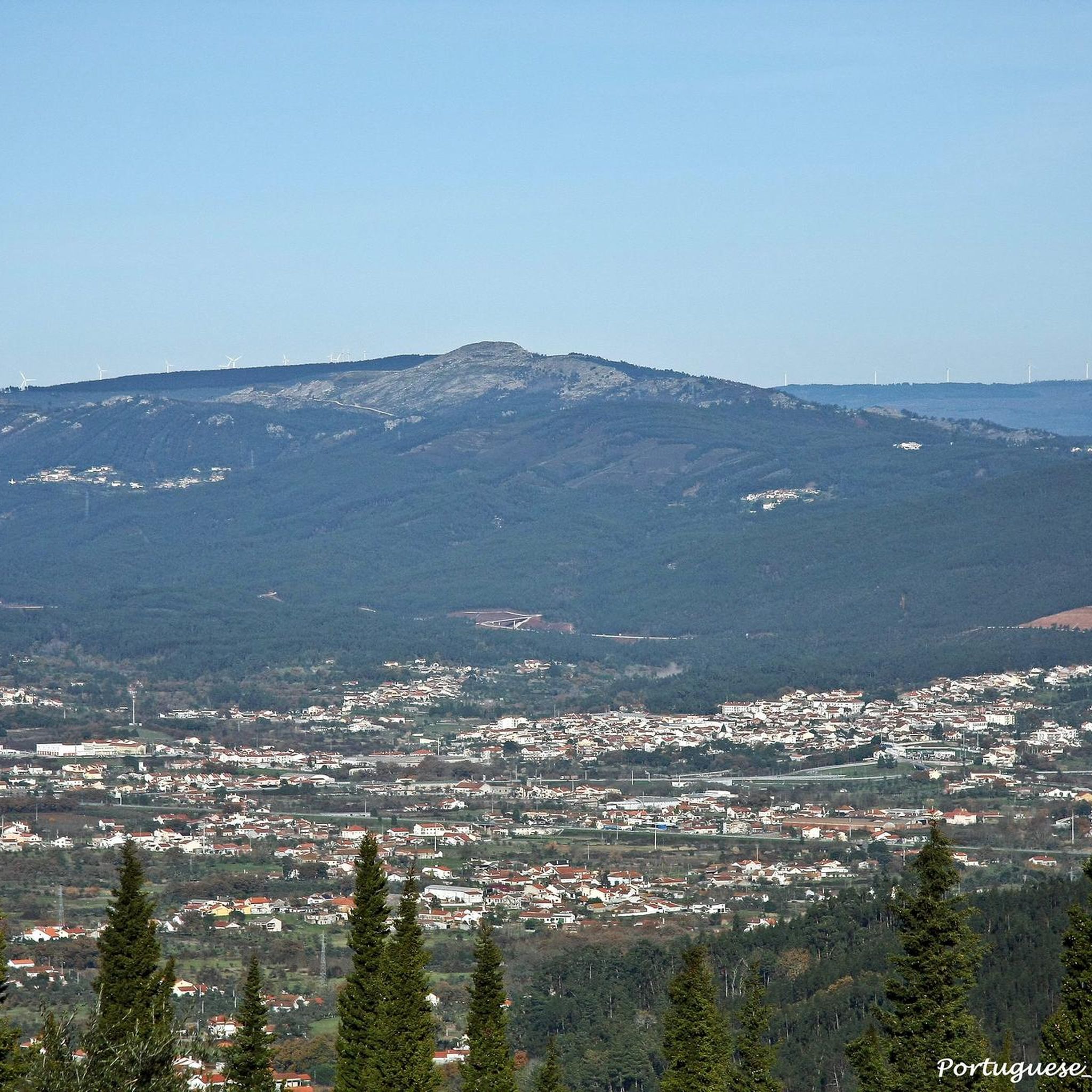
Known as Serra da Portela or Serra do Anjo da Guarda, this is a natural viewpoint overlooking the Pousaflores Valley, where the landscape is filled with life and aromas. Wild orchids, rupicolous plants, "cucas" (a type of gourd), wormwood, and the fresh scent of thyme, which wafts away with every step, flourish among the limestone rocks. Here, atop Monte da Ovelha, human presence has left its mark: traditional windmills, a small chapel dedicated to the Guardian Angel, the Stations of the Cross for Good Friday, and initiatives celebrating bread and cornbread. It's also a place made for lingering: sitting at a table, lighting a grill, or simply gazing out.
1
0
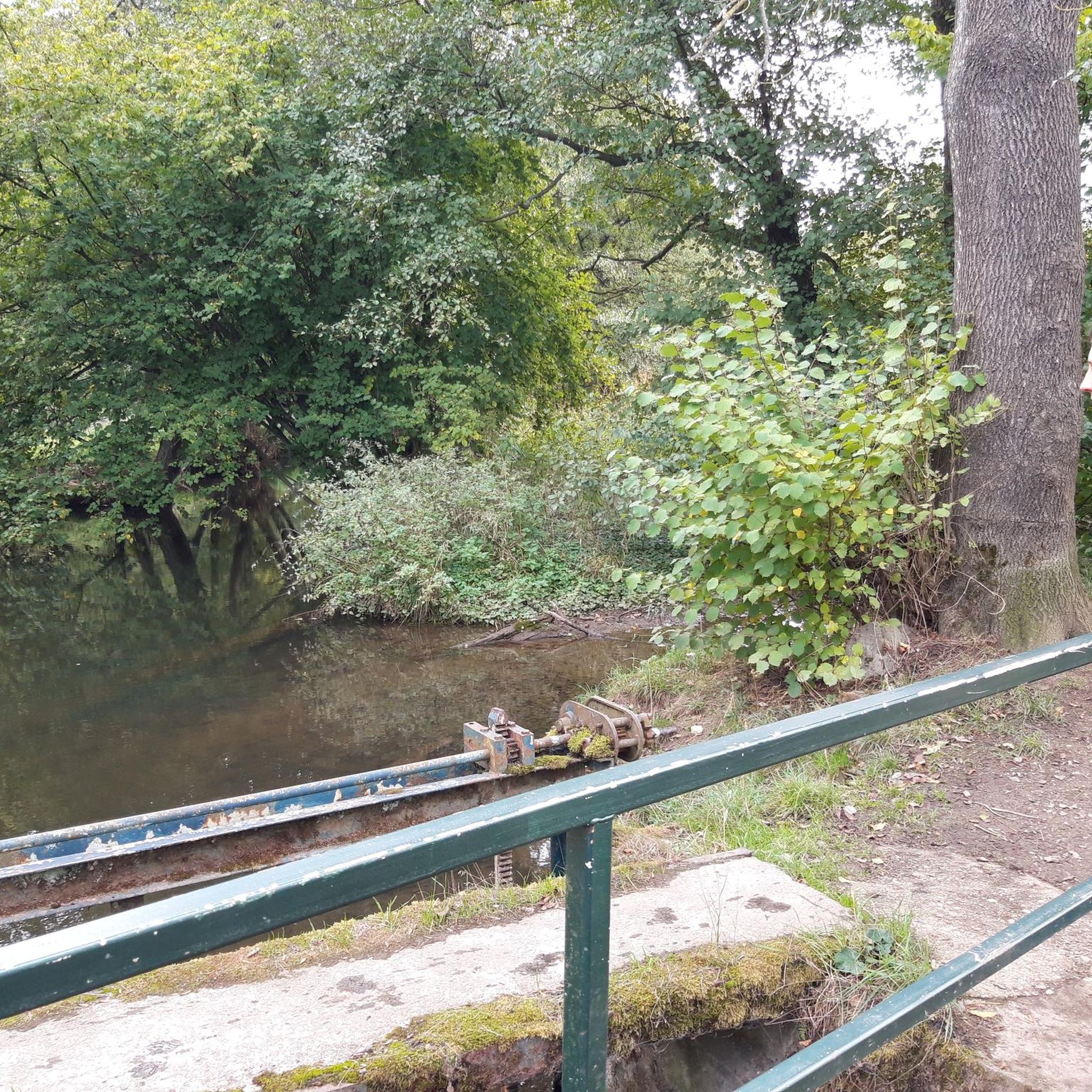
At the entrance to Ansião, the Ponte da Cal bridge crosses the serene Nabão River. Built in the 17th century, it formed part of the old road axis between Coimbra and Lisbon and reveals, beneath its two perfect arches, curious marks sculpted by time. Popular memory links it to the passage of Queen Saint Isabel, inspiration for the old bathing tanks next to the bridge (one for women, the other for men). Legend says that the waters became miraculous after the queen refreshed herself here, giving rise to the famous "holy baths". The small chapel was built to mark this devotion.
1
1

The Mother Church of Alvaiázere, officially known as the Parish Church of Santa Maria Madalena, is one of the main religious monuments in the municipality of Alvaiázere. It was built in the second half of the 16th century, although it has undergone significant renovations in subsequent centuries.
9
0
A charming historic bridge located in the municipality of Ansião, in the district of Leiria, Portugal. Probably built in the 17th century, this arched structure consists of two full arches and a gently sloping trestle deck. Beneath one of the arches is a stone basin, which, according to local tradition, was used by Queen Saint Isabel to bathe during her visits to the region.
5
1
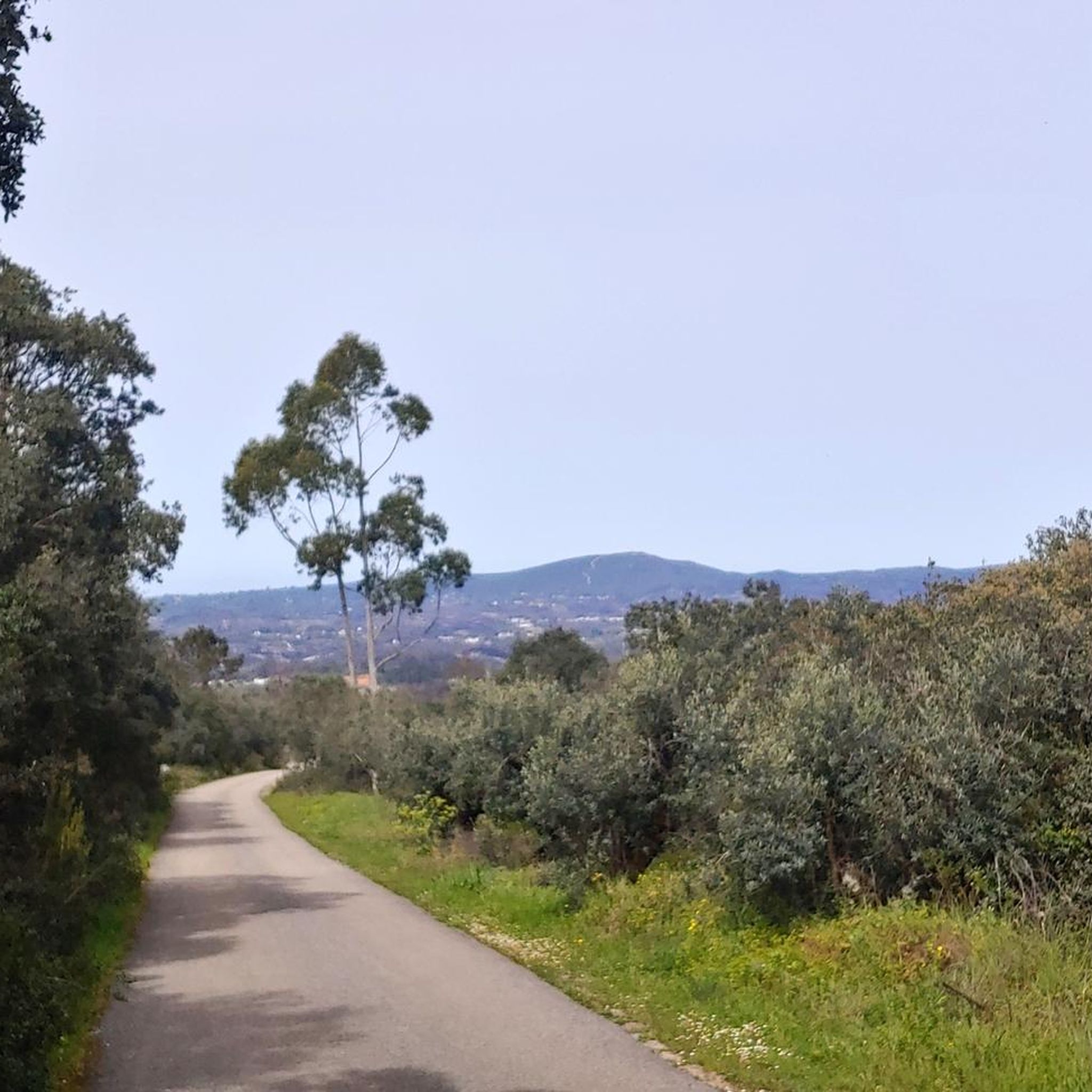
If you choose to explore this route, you'll be surrounded by nature, history, and breathtaking views. Enjoy your hike! 🏞️🚶♂️🥾🚵🌞
5
0

Monte da Ovelha offers a miradouro (lookout) with a breathtaking view of the vastness of the surrounding valleys and mountains. It is an ideal place to enjoy a pristine environment and pure air, with a panorama that captures the essence of the Portuguese rural landscape.
1
0
The Mother Church of Alvaiázere, also known as Igreja Matriz de Alvaiázere, is an important religious building located in the heart of the village of the same name in Portugal. It is a church whose construction dates back to the 15th century, although it was later influenced by Renaissance architecture and, in particular, Baroque (it is also referred to as the 18th century due to some of its characteristics).
1
0
Frequently Asked Questions
What natural attractions can I explore near Pousaflores?
You can discover several natural highlights, including the charming Fragas de São Simão River Beach, nestled in the Ribeira de Alge gorge with crystal-clear waters. Nearby, the Passadiços das Fragas de São Simão offers impressive landscapes along its walkways. Other natural spots include Praia fluvial de Aldeia Ana de Aviz, Nabão Green Park, and the Alvaiázere Pools.
Are there historical sites or cultural landmarks worth visiting around Pousaflores?
Yes, the area is rich in history. You can visit the Igreja de Alvaiázere, a religious building from the 16th century. Further afield, the UNESCO World Heritage site, the Convent of Christ in Tomar, is a significant historical and architectural marvel. The Castle of Penela, an 11th-century medieval fortress, also offers a glimpse into the region's past.
What kind of hiking trails are available near Pousaflores?
There are various hiking trails to suit different preferences. For example, the Fragas de São Simão Walkways offer a scenic route of about 4 km round trip, connecting the village of Casal de São Simão, the river beach, and a viewpoint. You can find more options, including easy and moderate trails like the 'Casal de São Simão loop from Aguda' or the 'Igreja de Alvaiázere loop from Alvaiázere', in the Hiking around Pousaflores guide.
Are there any family-friendly activities or places to visit?
Many of the natural attractions are suitable for families. The Fragas de São Simão River Beach is a great spot for relaxation and enjoying nature with children. The Ponte da Cal, a historic bridge with local legends, can also be an interesting stop. Exploring the traditional schist village of Casal de São Simão offers a unique cultural experience for all ages.
Where can I go for wild swimming or river beaches?
The most prominent spot for wild swimming and river beaches is the Fragas de São Simão River Beach, known for its crystal-clear waters. Another option is Praia fluvial de Aldeia Ana de Aviz, located near Figueiró dos Vinhos.
What do visitors particularly enjoy about the attractions in this area?
Visitors often praise the stunning natural landscapes, especially the impressive gorges and clear waters at Fragas de São Simão River Beach and the scenic views from the Passadiços das Fragas de São Simão. The historical significance of sites like the Igreja de Alvaiázere and the peaceful, pristine environment at viewpoints like Scenic viewpoint at Monte da Ovelha are also highly appreciated.
Is there a good time of year to visit Pousaflores for outdoor activities?
The region is generally pleasant for outdoor activities during spring and early autumn when temperatures are milder. Summer offers warm weather perfect for enjoying river beaches, while winter can be cooler but still suitable for exploring historical sites and less strenuous walks.
Are there any unique or 'hidden gem' attractions around Pousaflores?
Casal de São Simão, one of the 'Aldeias do Xisto' (schist villages), is a unique cultural gem offering a glimpse into traditional Portuguese village life. The Ponte da Cal, a 17th-century bridge with local legends about Queen Saint Isabel, is another charming, lesser-known historical spot.
Can I find any medieval castles or fortresses in the vicinity?
Yes, the Castle of Penela, located about 18.2 km from Pousaflores, is a notable medieval fortress dating back to the 11th century. It played a significant role in the region's defensive history.
What is the 'Aldeias do Xisto' and can I visit one near Pousaflores?
The 'Aldeias do Xisto' are a network of traditional Portuguese villages where buildings are primarily constructed from local schist stone. Casal de São Simão, approximately 8.3 km from Pousaflores, is one such village that you can visit to experience this unique architectural and cultural heritage.
Are there options for cycling or gravel biking around Pousaflores?
Absolutely. The surrounding area offers diverse terrain for cycling and gravel biking enthusiasts. You can find various routes, from challenging long-distance tours to moderate loops, in guides such as Gravel biking around Pousaflores and Cycling around Pousaflores.
Where can I find panoramic views of the region?
For breathtaking panoramic views, head to the Scenic viewpoint at Monte da Ovelha. This miradouro offers expansive vistas of the surrounding valleys and mountains, providing an ideal spot to appreciate the Portuguese rural landscape.
Most popular attractions around Pousaflores

Get inspired with the komoot mobile app


Explore more
Still not found the Highlight you’re looking for? See guides of the top attractions in other regions:
