The best cycling routes around Ota
4.4
(17)
203
riders
30
rides
Touring cycling routes around Ota are characterized by a landscape of rolling hills and significant elevation changes, offering challenging rides. The region features views of the Serra de Montejunto, a prominent mountain range, and includes areas with vineyards and historic sites. Terrain often involves sustained climbs and descents, suitable for experienced touring cyclists.
Best touring cycling routes around Ota
- The most popular touring cycling route is Quinta da Abrigada – View of Serra de Montejunto loop from Abrigada, a…
Last updated: July 21, 2026
14
riders
45.8km
04:01
780m
780m
Hard bike ride. Very good fitness required. Mostly paved surfaces. Suitable for all skill levels.
12
riders
28.2km
02:39
550m
550m
Hard bike ride. Very good fitness required. Mostly paved surfaces. Suitable for all skill levels.

Sign up for free
11
riders
Hard bike ride. Very good fitness required. Mostly paved surfaces. Suitable for all skill levels.
9
riders
61.9km
04:21
1,020m
1,020m
Hard bike ride. Very good fitness required. Mostly paved surfaces. Suitable for all skill levels.
8
riders
45.7km
03:35
1,190m
1,190m
Hard bike ride. Very good fitness required. Mostly paved surfaces. Suitable for all skill levels.
Get access to more routes and recommendations from other explorers.
Sign up for free
Already have an account?
Our route recommendations are based on thousands of hikes, rides, and runs completed by other people on komoot.
Start today with a free account
Your next adventure awaits.
Login or Signup
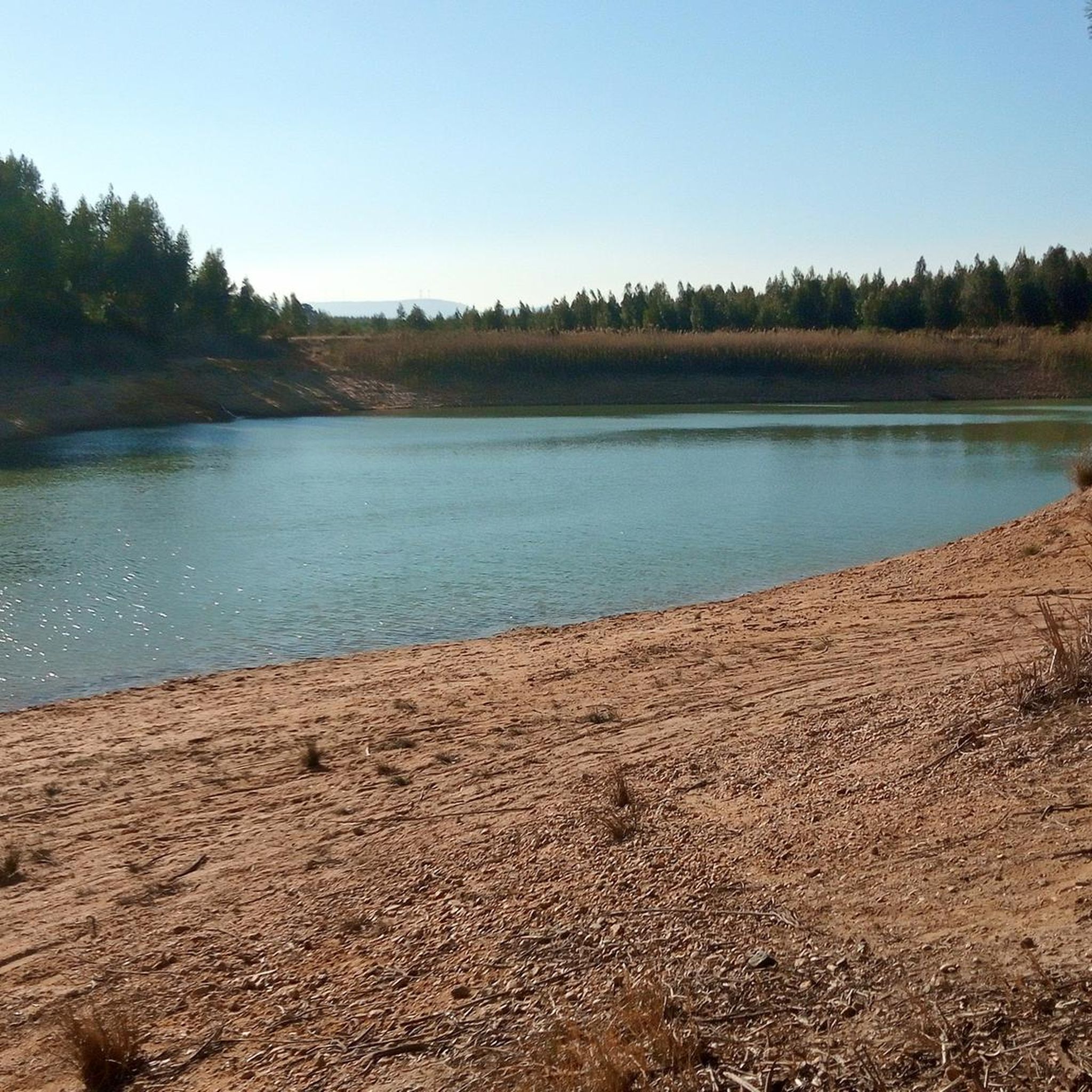

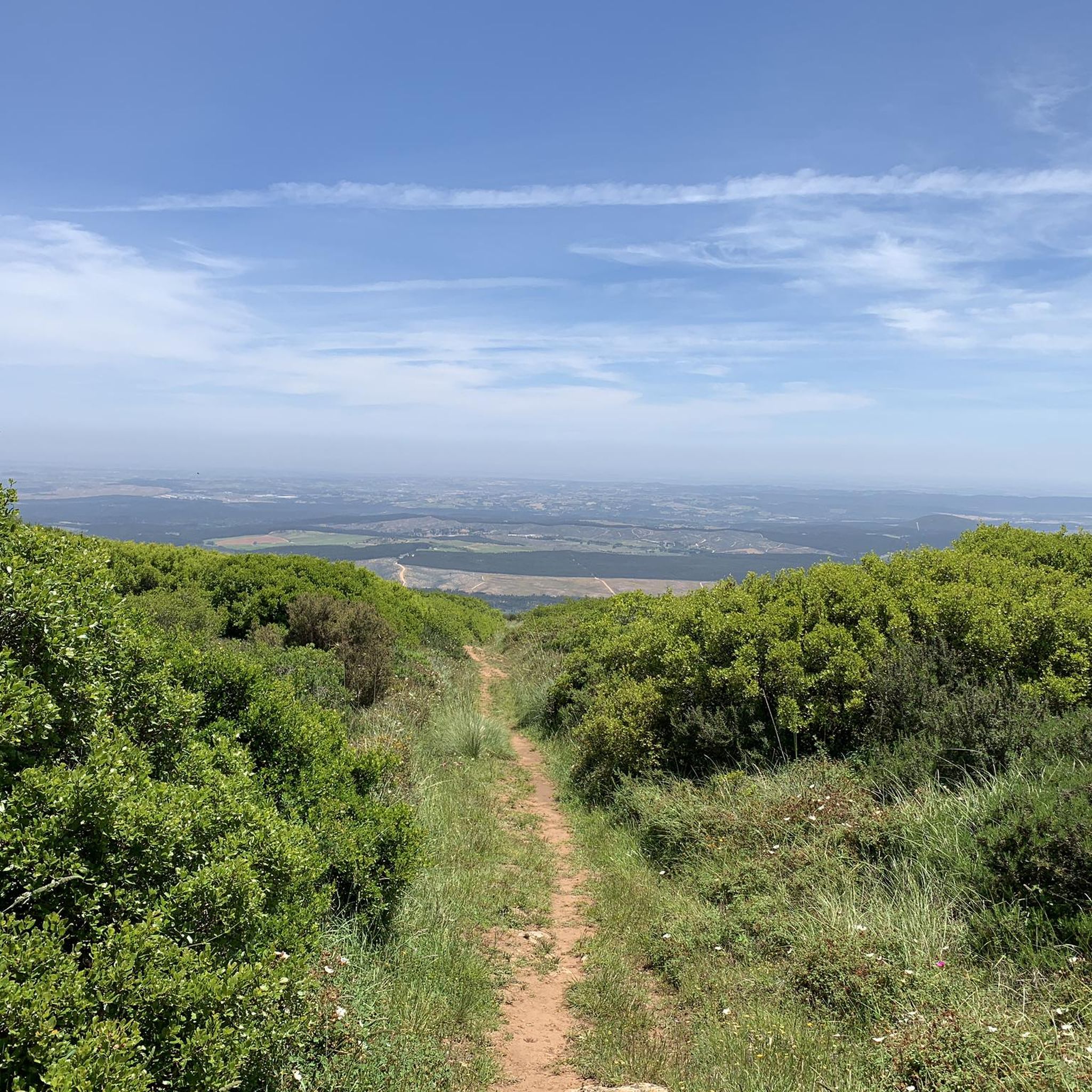
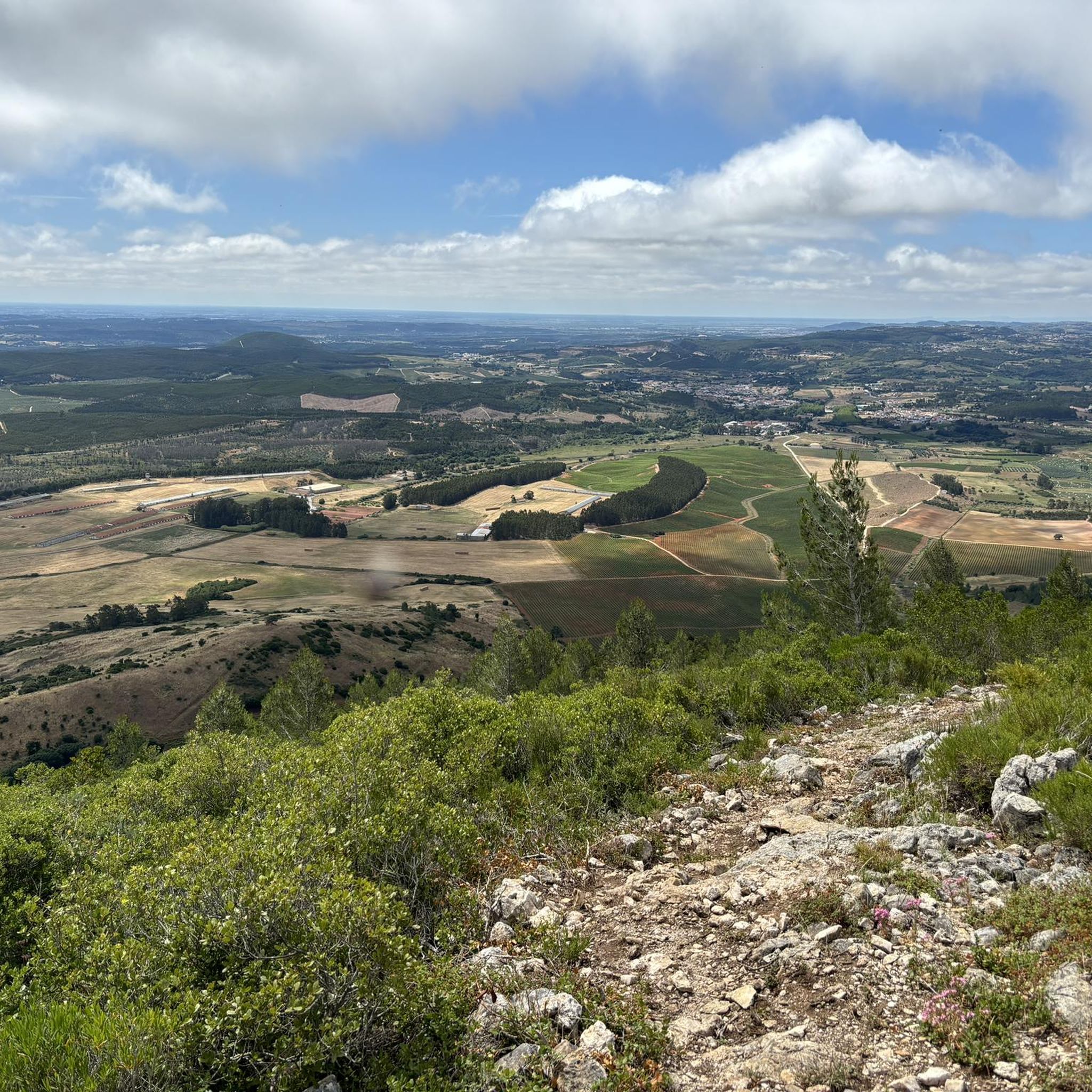
Tips from the Community

publication of the royal charter of 26 July 1811, which, in order to mitigate the devastating effects of the French invasions, prescribed, among many other measures, the distribution of seeds to farmers in order to re-establish cereal production. The Real Celeiro was active for over sixty years, between 1812 and 1873, but, quoting Guilherme Henriques, “it died, like all good institutions, annihilated by abuses”. The City Council now holds the archive of the old Celeiro, which, although not very voluminous, nevertheless allows us to reconstruct almost the entire history of this important local institution of the 19th century. Commissioned to be rebuilt by the Municipality of Alenquer in 2002, it opened its doors as the Wine Museum and headquarters of the Lisbon Wine Route in 2006. Its interior was remodeled and its museology project renewed at the end of 2018, and it reopened its doors to visitors in February 2019. (Source: www.alenquer.pt)
10
0

Famous climb to Montejunto from the Avenal side. The incline is very steep in the last 200 to 300 meters.
0
0
At this location at the top of the Serra de Montejunto, also known as "Torre" due to the various antennas that were installed there, is the Chapel of Our Lady of the Snows, which may have been built in the 13th century and remodelled and expanded during the 16th century and later. Inside, the altars covered with 17th century tiles and the altarpiece of the main altar, from the 18th century, stand out. Next to the Chapel of Our Lady of the Snows, are the ruins of what is considered to be the first Dominican Convent in Portugal, built in the 12th century and abandoned after the extinction of the religious orders, and is currently in ruins. Also nearby are the ruins of the Royal Ice Factory, classified as a National Monument. Here, in the 18th century, the Dominican monks took advantage of the climatic and geological conditions and opened large tanks connected by narrow passages, one part for the production of ice and the other for its preparation, storage and conservation. The ice was later transported to Lisbon, to supply the court and the café at Terreiro do Paço, later known as Martinho da Arcada (Fernando Pessoa's Café)
2
0
Dirt road with little traffic and which provides excellent views over the south side of the Serra de Montejunto.
0
0
Agricultural farm located in the town of Abrigada, which was once known as Amieiro because of the trees until the 16th century. The new name Abrigada seems to derive from "A Brigada" due to the presence of brigantes in this area, near the road that runs from Alenquer to Leiria at the end of the 16th century, during the period of the Portuguese wars of succession after the death of Cardinal-King Henry I of Portugal, or because it is an area sheltered from the natural elements of the geographical and climatic zone in which it is located. Source of historical information: Wikipedia
1
0
A very interesting stretch that provides beautiful views over the southern side of the Montejunto mountain range. It does tend to be very muddy during the rainy season.
0
0
Operating since April 2006 in a 19th-century building, the Wine Museum exhibits, offers tastings and allows the purchase of the best wines from the region. Around 20 producers from the Lisbon Wine Routes Association are represented.
5
0
The Alenquer Castle dates back to the Middle Ages, when the Moors dominated the area of the parish of Alenquer. The fortress was reused throughout history, from the period of King D. Afonso Henriques until D. João I, when the castle and walls were severely attacked due to a betrayal by the mayor of Alenquer.
2
0
Frequently Asked Questions
How many touring cycling routes are available around Ota?
There are over 30 touring cycling routes available around Ota, offering a diverse range of experiences for cyclists. The majority of these routes are considered moderate to difficult, catering to those who enjoy a challenge.
What is the general terrain like for touring cycling in Ota?
Touring cycling routes around Ota are characterized by a landscape of rolling hills and significant elevation changes. You can expect sustained climbs and descents, often with rewarding views of the Serra de Montejunto and surrounding vineyards. The terrain is generally suitable for experienced touring cyclists.
Are there any circular touring cycling routes in Ota?
Yes, many of the touring cycling routes in Ota are circular. For example, the Quinta da Abrigada – View of Serra de Montejunto loop from Abrigada is a popular 28.5-mile loop that offers substantial elevation gain and panoramic views.
Are there options for less experienced touring cyclists in Ota?
While Ota is known for its challenging terrain, there are a few easier sections available. Out of the 33 routes, 2 are rated as easy and 13 as moderate. These might offer a less strenuous introduction to the region's cycling, though significant elevation changes are still common.
What natural landmarks can I see while touring cycling around Ota?
The region offers several natural highlights. You can encounter the Serra de Montejunto Watchtower, offering expansive views, or explore the area around the Ota River. Other natural monuments include the Paúl de Manique do Intendente.
Are there any historical sites or cultural attractions accessible by touring bike in Ota?
Yes, Ota's touring cycling routes often pass by historic landmarks. You can explore routes that lead to the Alenquer Castle, a significant historical site. The Alenquer Wine Museum – Alenquer Castle loop from Ota is a great option to combine cycling with cultural exploration.
What makes touring cycling in Ota challenging?
Touring cycling in Ota is challenging due to its rolling hills and significant elevation changes. Routes frequently feature sustained climbs and descents, requiring good fitness and experience. For example, the View of Serra de Montejunto – View of the Serra de Montejunto loop from Abrigada involves over 900 meters of elevation gain.
What do other touring cyclists enjoy the most about touring cycling in Ota?
The area is highly rated by the komoot community, with an average score of 4.4 stars from over 16 reviews. Cyclists often praise the challenging terrain, the panoramic views of the Serra de Montejunto, and the blend of natural beauty with historic landmarks like Alenquer Castle.
What is the longest touring cycling route available in Ota?
One of the longer touring cycling routes is the Alenquer Wine Museum – Alenquer Castle loop from Ota, which spans approximately 38.7 miles (62.3 km) and includes nearly 1000 meters of elevation gain, making it a demanding ride.
Is Ota suitable for family touring cycling trips?
Given the prevalence of rolling hills and significant elevation changes, Ota's touring cycling routes are generally more suited for experienced cyclists. While there are a couple of 'easy' routes, families with young children or those seeking very flat, leisurely rides might find the terrain challenging. It's best to check individual route profiles for suitability.
Are there routes that focus on vineyard scenery in Ota?
Yes, the region around Ota is known for its vineyards. Many routes traverse areas with wine production, offering scenic views of the grapevines, especially in the areas surrounding Abrigada and Alenquer. While not explicitly named 'vineyard routes', the general landscape incorporates these features.
Most popular routes around Ota
Most popular attractions around Ota

Get inspired with the komoot mobile app


Explore more
Browse the best Cycling routes in other regions.
