The best walks and hikes around Alto Do Pina
4.6
(1486)
18,075
hikers
458
hikes
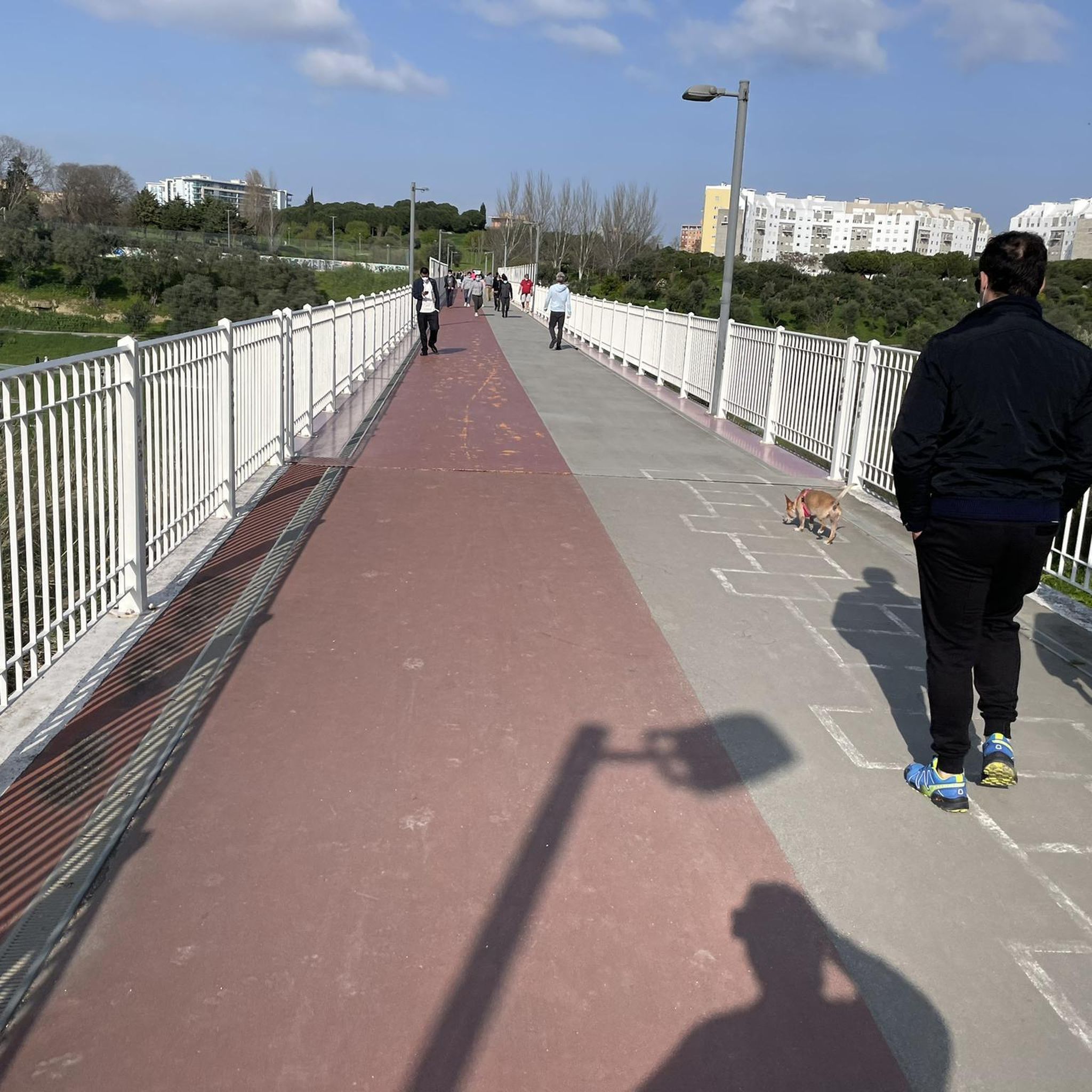
Hiking around Alto Do Pina primarily involves urban walks through Lisbon's city districts. The terrain is characterized by paved streets, historical landmarks, and varying city gradients, offering a mix of flat sections and gentle inclines. These routes provide opportunities to explore the city's architecture and cultural sites rather than natural landscapes. The area, formerly a civil parish, is now part of Areeiro, focusing on urban exploration.
Best hiking trails around Alto Do Pina
- The most popular hiking route is View…
Last updated: May 12, 2026
4.8
(12)
333
hikers
7.94km
02:10
120m
120m
Moderate hike. Good fitness required. Easily-accessible paths. Suitable for all skill levels.
4.5
(4)
95
hikers
7.81km
02:04
80m
80m
Moderate hike. Good fitness required. Easily-accessible paths. Suitable for all skill levels.

Sign up for free
42
hikers
Easy hike. Great for any fitness level. Easily-accessible paths. Suitable for all skill levels.
3.0
(1)
28
hikers
4.76km
01:14
20m
30m
Easy hike. Great for any fitness level. Easily-accessible paths. Suitable for all skill levels.
25
hikers
4.48km
01:11
40m
40m
Easy hike. Great for any fitness level. Easily-accessible paths. Suitable for all skill levels.
Get access to more routes and recommendations from other explorers.
Sign up for free
Already have an account?
Our route recommendations are based on thousands of hikes, rides, and runs completed by other people on komoot.
Start today with a free account
Your next adventure awaits.
Login or Signup
Tips from the Community

Halal charcoal grill for chicken and meat, with a very friendly, fast service. Fair prices off the beaten path. The restaurant extends over three dining rooms, also on the opposite side of the street.
0
0

Praça Dom Pedro IV, traditionally known as Rossio, is the heart of Lisbon's Baixa district and has been the city's main meeting place, center of commerce, and public life since the 13th century. It's a vibrant, historic square with distinctive architecture that makes it a must-see for any visitor.
11
1
The Santa Justa Lift, also known as the Elevador do Carmo, is a historic elevator built in the early 20th century to connect the Baixa district with Largo do Carmo. It is one of the most photographed architectural icons in the city. Built between 1900 and 1902, it was designed by the engineer Raoul Mesnier de Ponsard, considered a disciple of Eiffel.
11
0

The Column of Pedro IV stands majestically in the heart of the lively Rossio Square, crowned by a statue of the king watching over the vibrant scene. Surrounding it are the typical wave-patterned cobblestones, historic facades, and street cafes where you can relax and watch the world go by. It's a great spot for a short break and a few photos before continuing your stroll through Lisbon's old town.
3
0
The fountain in Praça Dom Pedro IV (better known as Rossio Square) is actually a set of two monumental Baroque bronze fountains, located symmetrically at the north and south ends of the square.
17
2

This is where tourism is bustling. As the name suggests, everything here is nice and flat. Here you'll find nice restaurants, shops, and a wealth of cultural history. The district was completely destroyed in the great earthquake of 1755 and then rebuilt with funds from the Portuguese colonies.
4
0
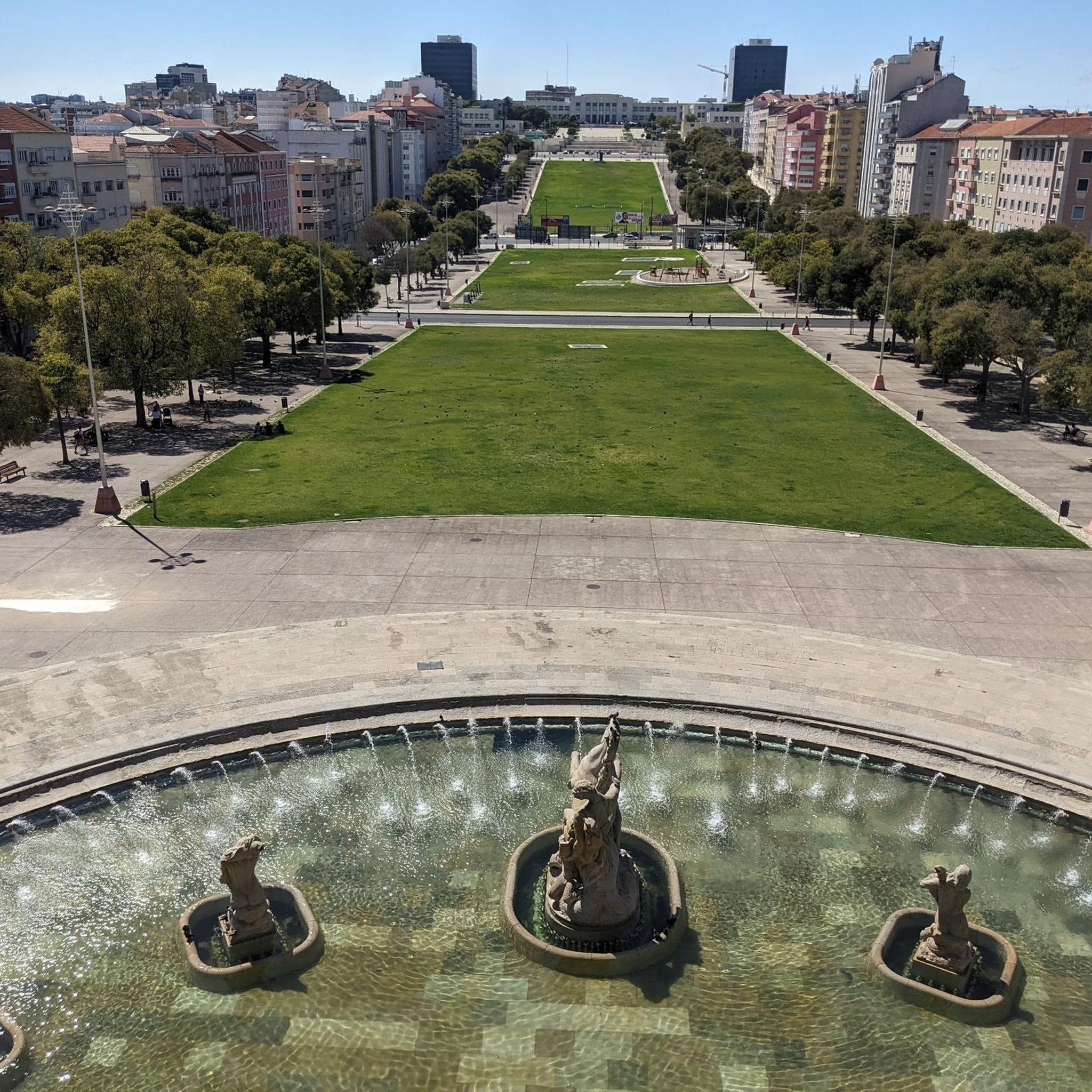
The Alameda Dom Afonso Henriques is a wide, landscaped avenue located in the heart of Lisbon, in the São João de Deus area, currently part of the parish of Areeiro. It is an iconic urban space that combines history, monumental architecture, and greenery.
3
1
In Lisbon, the Força Portugal Official Fan Shop has several stores located in central and tourist-friendly areas.
20
1
Frequently Asked Questions
What kind of hiking trails can I find around Alto do Pina?
Hiking around Alto do Pina primarily involves urban walks through Lisbon's city districts. The terrain is characterized by paved streets, historical landmarks, and varying city gradients, offering a mix of flat sections and gentle inclines. These routes focus on exploring the city's architecture and cultural sites rather than natural landscapes.
How many hiking routes are available in the Alto do Pina area?
There are over 460 hiking routes available around Alto do Pina. Most of these, around 300, are considered easy, with about 120 moderate routes and a smaller number of more challenging urban explorations.
What do other hikers enjoy most about the trails in Alto do Pina?
The urban routes in Alto do Pina are highly rated by the komoot community, with an average score of 4.5 stars from over 1,200 reviews. Hikers often praise the opportunity to explore Lisbon's historical cityscapes and architectural landmarks.
Are there any notable landmarks or attractions along the urban walking routes?
Yes, the urban routes often pass by significant landmarks. For instance, the View from the Rua Augusta Arch – Baixa district loop from Saldanha offers views of the Rua Augusta Arch. Other routes explore the Baixa district and central Lisbon, showcasing the city's rich history and architecture. You can also find nearby attractions like St. George's Castle and Belém Tower within the broader Lisbon area.
Are there any circular walking routes in Alto do Pina?
Yes, many of the routes around Alto do Pina are designed as loops. For example, the Campo Pequeno Bullring loop from Saldanha is an easy circular walk, and the Hiking loop from Alameda also offers a convenient circular path for urban exploration.
Can I find family-friendly walks in Alto do Pina?
Yes, many of the easy urban walks are suitable for families. Routes like the Tram 28 route in Lisbon – A Fassade Restaurante & Bar loop from Arroios are shorter and less strenuous, making them ideal for families with children to explore central Lisbon's sights.
Are there options for dog-friendly walks in the area?
While the immediate urban trails are generally dog-friendly on leash, for more natural, expansive dog-walking experiences, consider visiting Lisbon's larger green spaces like Monsanto Forest Park, which offers numerous trails through woodlands.
What are the best natural hiking areas accessible from Lisbon, near Alto do Pina?
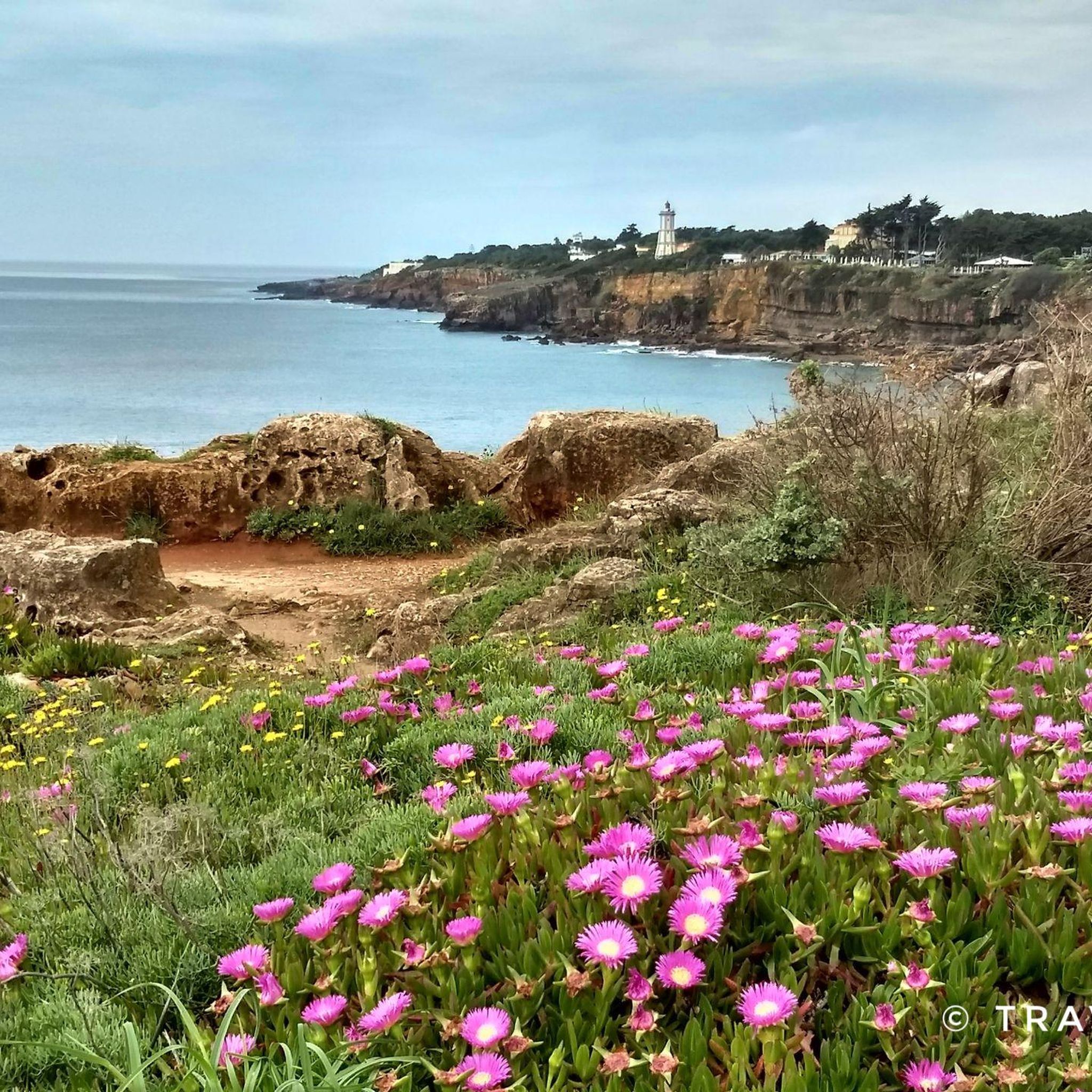
For natural hiking experiences beyond the urban environment, several excellent destinations are a short distance from Lisbon. These include the diverse landscapes of Sintra-Cascais Natural Park, the urban oasis of Monsanto Forest Park, the coastal trails of Arrábida Natural Park, and the scenic beaches of Costa de Caparica with its Arriba Fossil botanical reserve.
How can I reach natural parks like Sintra-Cascais or Monsanto Forest Park using public transport from Lisbon?
Sintra-Cascais Natural Park is easily accessible by train from Lisbon to Sintra or Cascais, with local buses connecting to various trailheads. Monsanto Forest Park, being within Lisbon, is well-served by city buses from various points, including areas near Alto do Pina.
Are there any specific viewpoints or natural features to look out for in the nearby natural parks?
Absolutely. In Sintra-Cascais Natural Park, you can visit Cabo da Roca for stunning ocean views or explore the lush forests and viewpoints within the Parque da Pena. Monsanto Forest Park offers scenic viewpoints of the Tagus River, particularly along its 'Blue Trail'. Arrábida Natural Park is known for its unique rock formations and secluded beaches where mountains meet the ocean.
When is the best time of year to go hiking in and around Lisbon?
The best time for hiking in the Lisbon region, including both urban walks and nearby natural parks, is typically during spring (March to May) and autumn (September to November). During these seasons, the weather is mild and pleasant, avoiding the intense heat of summer and the heavier rains of winter. This allows for comfortable exploration of both city sights and natural trails.
Are there any cafes or restaurants near the urban hiking routes in Alto do Pina?
As Alto do Pina is an urban area within Lisbon, you'll find numerous cafes, restaurants, and shops readily available along and near the walking routes. The Baixa district, a common feature of many trails, is particularly rich in dining options.
Most popular routes around Alto Do Pina
Most popular attractions around Alto Do Pina

Get inspired with the komoot mobile app


Explore more
Browse the best Hikes in other regions.
