The best walks and hikes around Estrela
4.5
(1599)
19,483
hikers
21
hikes
Hiking trails around Estrela are characterized by a landscape shaped by glacial origins, featuring granite outcrops, high plateaus, and numerous lagoons. The region, mainland Portugal's highest mountain range, offers varied terrain from extensive glacial valleys to unique rock formations. Hikers can explore diverse ecosystems within the Serra da Estrela Natural Park, which spans over 101,000 hectares.
Best hiking trails around Estrela
- The most popular hiking route is View of Ponte 25 de Abril – 25th of April Bridge loop from…
Last updated: May 30, 2026
4.7
(97)
1,269
hikers
19.6km
05:00
80m
80m
Hard hike. Very good fitness required. Easily-accessible paths. Suitable for all skill levels.
4.7
(115)
1,311
hikers
Hard hike. Very good fitness required. Easily-accessible paths. Suitable for all skill levels.

Sign up for free
4.7
(31)
244
hikers
20.8km
05:41
310m
310m
Hard hike. Very good fitness required. Easily-accessible paths. Suitable for all skill levels.
4.8
(4)
111
hikers
Easy hike. Great for any fitness level. Easily-accessible paths. Suitable for all skill levels.
4.8
(17)
141
hikers
12.6km
03:30
230m
230m
Moderate hike. Good fitness required. Easily-accessible paths. Suitable for all skill levels.
Get access to more routes and recommendations from other explorers.
Sign up for free
Already have an account?
Our route recommendations are based on thousands of hikes, rides, and runs completed by other people on komoot.
Start today with a free account
Your next adventure awaits.
Login or Signup

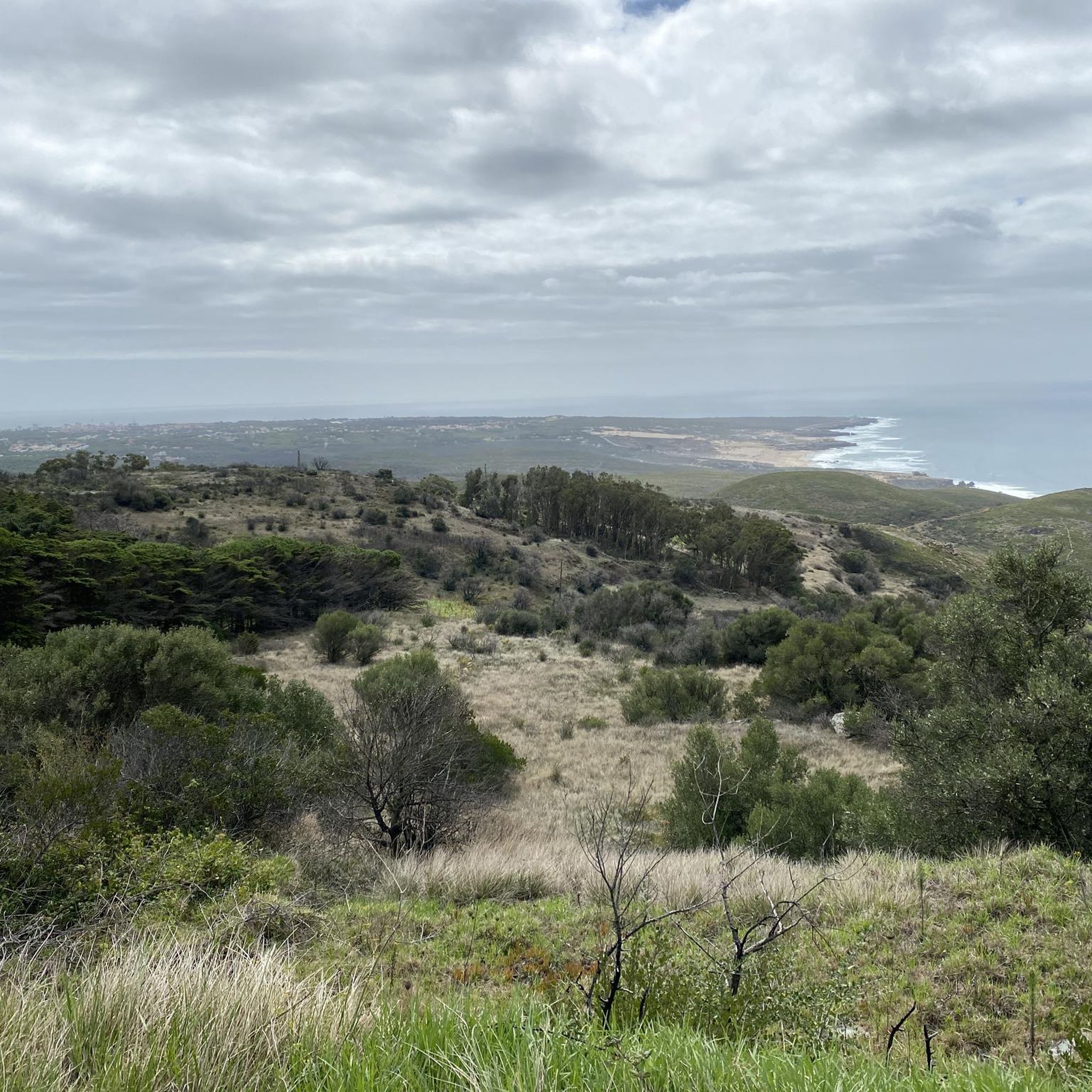
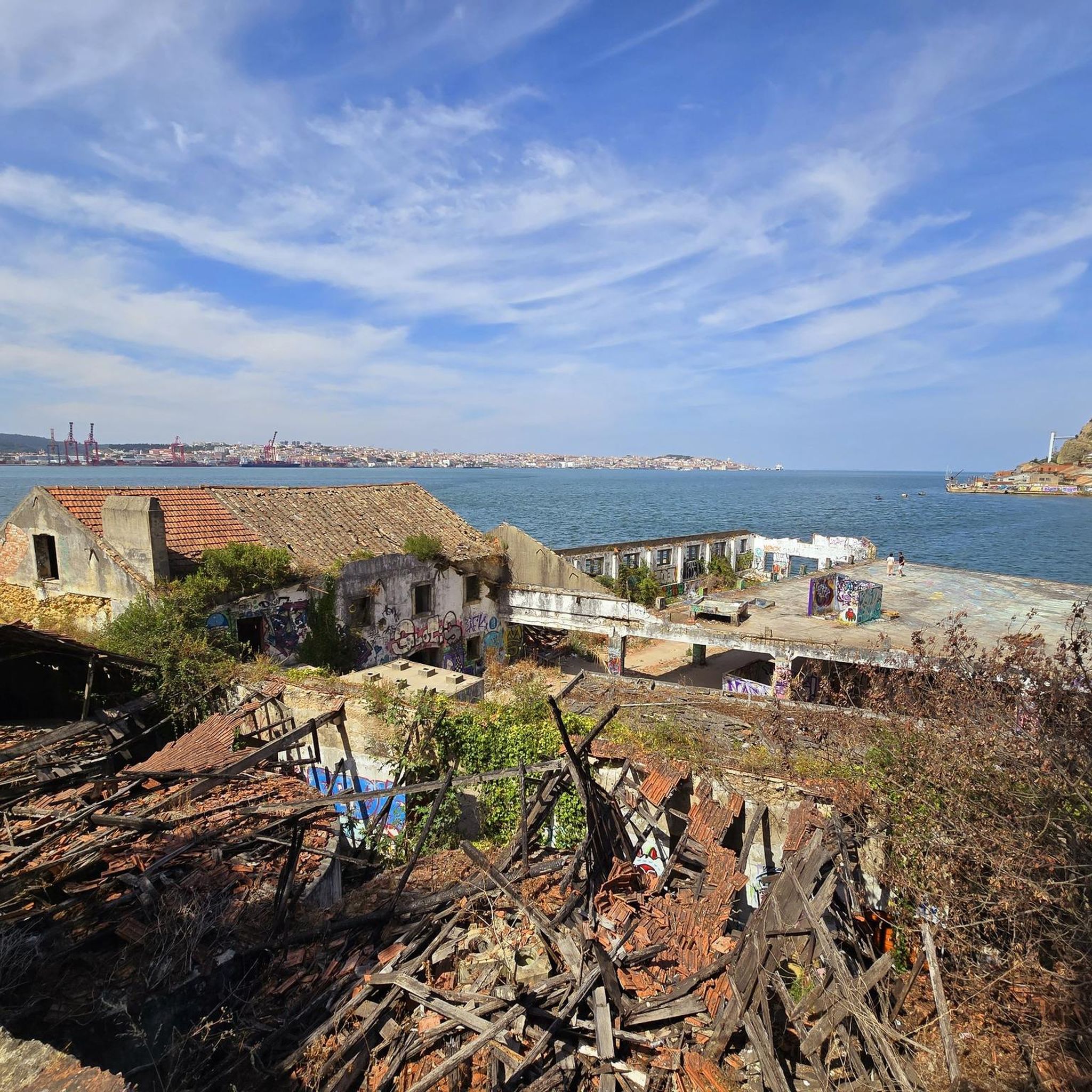
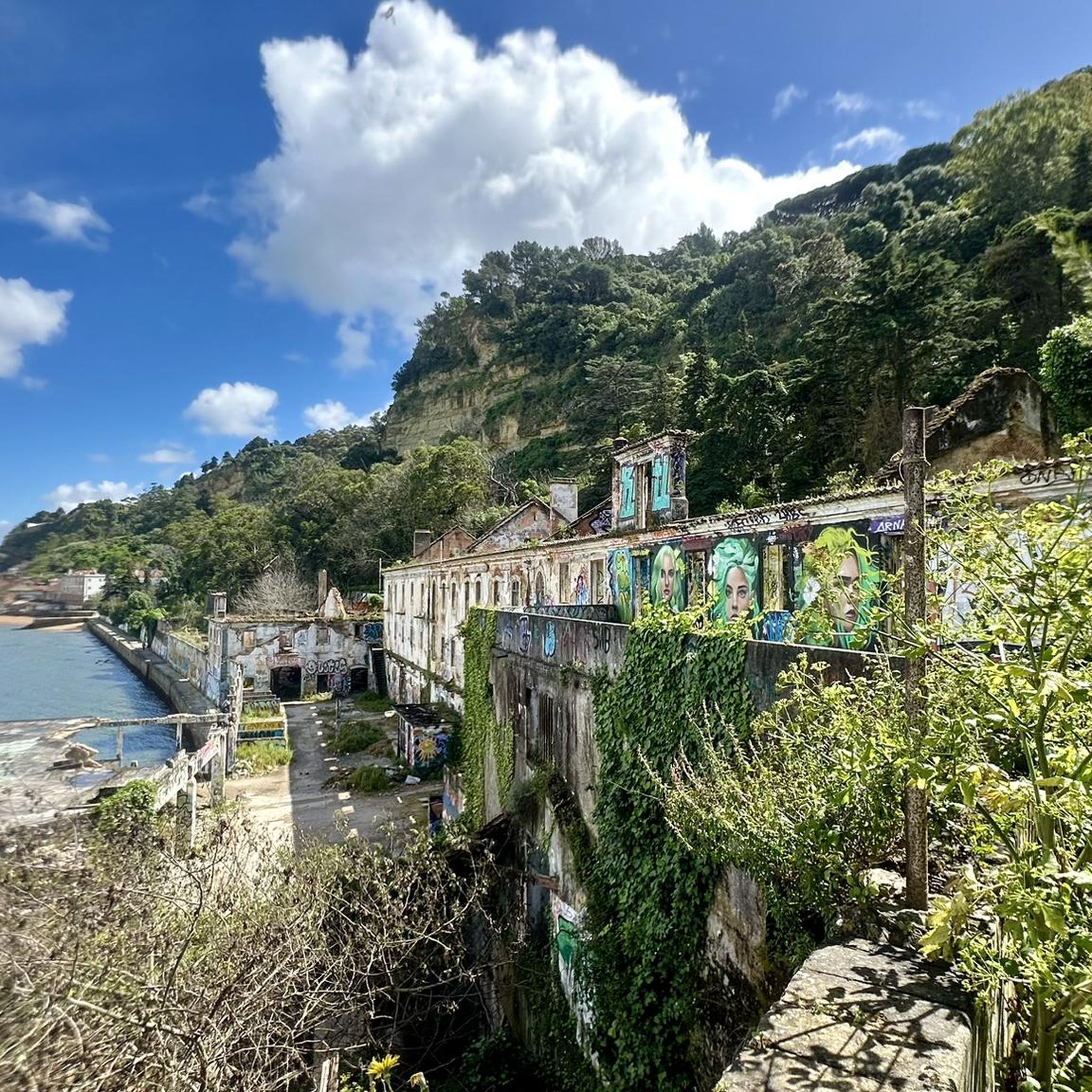
Tips from the Community

It is very photogenic from the most diverse perspectives. The history of this extraordinary bridge already begins in the late 19th century, when the first considerations for a crossing of the Tagus arose. However, it only became more concrete in the 1950s: in 1953, the government commissioned a committee with the planning, which finally recommended the construction of a bridge from the south bank of Lisbon to Cristo Rei in 1958. Construction work began on November 5, 1962, under the leadership of a consortium of the American US Steel Company. After almost four years of intensive work – up to 3,000 workers were employed at times – the bridge was inaugurated on August 6, 1966, in a solemn state ceremony.
1
0

La Travessa da Portuguesa is a small and historically charming street located in the center of Lisbon, in one of the most traditional areas of the city. Narrow, steep street with stairs, very typical of old Lisbon urbanism Mainly residential environment, with some restaurants and renovated buildings Very close to Elevador da Bica and Calçada da Bica Grande Traditional, photogenic atmosphere, strongly linked to the popular history of Lisbon.
2
0
Praça Dom Pedro IV, traditionally known as Rossio, is the heart of Lisbon's Baixa district and has been the city's main meeting place, center of commerce, and public life since the 13th century. It's a vibrant, historic square with distinctive architecture that makes it a must-see for any visitor.
11
1
The Santa Justa Lift, also known as the Elevador do Carmo, is a historic elevator built in the early 20th century to connect the Baixa district with Largo do Carmo. It is one of the most photographed architectural icons in the city. Built between 1900 and 1902, it was designed by the engineer Raoul Mesnier de Ponsard, considered a disciple of Eiffel.
11
0

Two-headed metal sculptures by Rogelio Abreu in honor of the doctors who fought during the pandemic.
2
0
A small area with industrial buildings. Here you'll find restaurants, bars, shops, artists' studios, and every Sunday from 10 am a small market with unusual products such as clothing, paintings, and jewelry.
2
1

The Santa Luzia viewpoint offers a breathtaking view over the rooftops of Alfama, the Tagus River, and the passing ships. Under the arcades and between the azulejo tiles, you'll always find a shady spot to relax. Perfect for a short break with a panoramic view before descending back into the maze of narrow streets.
4
0
The fountain in Praça Dom Pedro IV (better known as Rossio Square) is actually a set of two monumental Baroque bronze fountains, located symmetrically at the north and south ends of the square.
17
2
Frequently Asked Questions
What kind of terrain can I expect when hiking in Estrela?
Hiking in Estrela, or Serra da Estrela, means exploring a landscape profoundly shaped by glacial activity. You'll encounter dramatic glacial valleys like the Zêzere, extensive granite outcrops, high plateaus, and numerous lagoons. The terrain varies from rugged, rocky paths to more open, rolling highlands, offering a diverse experience within mainland Portugal's highest mountain range.
Are there easy hiking trails suitable for beginners or casual walkers in Estrela?
Yes, Estrela offers a good selection of easier trails. Out of the 21 available routes, 12 are classified as easy. An example is the View of Ponte 25 de Abril – 25th of April Bridge loop from Alcântara-Terra, which is 4.3 miles (6.9 km) long and takes about 1 hour 45 minutes to complete.
What unique natural features or landmarks can I see while hiking in Estrela?
The region is rich in unique natural features. You can explore impressive glacial valleys, granite formations like the iconic Cântaro Magro, and numerous glacial lagoons such as Lagoa Comprida and Lagoa dos Conchos, famous for its bell-mouth spillway. The highest point, Torre, offers panoramic views. For specific landmarks, consider visiting the Eduardo VII Park Viewpoint or the Sanctuary of Christ the King.
When is the best time of year to go hiking in Serra da Estrela?
The best hiking season in Serra da Estrela is typically from May to September. During these months, you can expect warmer days and less rain. The altitude helps keep the park pleasantly cool even during hot Portuguese summers, and on clear days, it's possible to see the coast from higher elevations. Spring also brings blooming wildflowers, adding to the scenic beauty.
Are there any waterfalls to visit on the hiking trails in Estrela?
Yes, the region features notable waterfalls. Poço do Inferno is a well-known waterfall that is often included as part of several hiking loops in the area, offering a refreshing natural attraction along your route.
Are there any family-friendly hiking options in Estrela?
While specific 'family-friendly' routes aren't explicitly detailed, the presence of 12 easy trails suggests many options suitable for families. These routes generally have lower elevation gains and shorter distances, making them more accessible for children and those seeking a relaxed outing. The diverse landscapes, including lakes and viewpoints, provide engaging scenery for all ages.
What do other hikers say about the trails in Estrela?
The trails in Estrela are highly regarded by the komoot community, holding an average rating of 4.5 stars from over 1,200 reviews. Hikers frequently praise the varied terrain, from glacial valleys to high-altitude plateaus, and the opportunity to explore diverse ecosystems within the Serra da Estrela Natural Park.
Are there any circular hiking routes in Estrela?
Yes, many of the trails in Estrela are designed as loops, allowing you to start and end at the same point. For example, the Lisbon Pillory – Bica Lift loop from Alcântara-Terra is a moderate 7.8-mile (12.5 km) path that forms a circular route through urban landscapes and historical landmarks.
What kind of wildlife might I encounter while hiking in Serra da Estrela?
The Serra da Estrela Natural Park is home to a rich biodiversity. You might spot mammals such as wolves, boars, otters, foxes, and genets. Birdwatchers can look out for golden eagles and peregrine falcons. The unique upper plateau and varied climate support distinct ecosystems, making wildlife spotting a possibility, especially in quieter areas.
Are there any traditional mountain villages to explore near the hiking trails?
Yes, the region is dotted with picturesque traditional mountain villages that offer a glimpse into local life and culture. Notable examples include Linhares da Beira, known for its 13th-century castle, and Piodão, often referred to as the 'Nativity Scene Village' due to its unique architecture. These villages can be excellent starting points or stops during your hiking adventures.
How many hiking routes are available in the Estrela region?
There are over 20 hiking routes available in the Estrela region, catering to various skill levels. This includes 12 easy, 5 moderate, and 4 difficult trails, ensuring options for everyone from casual walkers to experienced hikers.
What are some of the longer, more challenging hikes in Estrela?
For those seeking a challenge, Estrela offers several difficult routes. An example is the View from the Rua Augusta Arch – Monument to the Discoveries loop from Alcântara-Terra, which spans 13.5 miles (21.7 km) with significant elevation gain, typically taking over 5 hours to complete.
Most popular attractions around Estrela

Get inspired with the komoot mobile app


Explore more
Browse the best Hikes in other regions.
