The best walks and hikes around Lousa
4.4
(104)
553
hikers
20
hikes
Hiking around Lousa offers diverse trails within the Serra da Lousã mountain range, characterized by dense woodlands, varied flora, and rugged terrain. The region features numerous crystal-clear streams, tranquil ponds, and cascading waterfalls, including the Arouce River. Trails often connect picturesque Schist Villages, ancient settlements built from local stone, providing a blend of natural and cultural exploration. The landscape provides a range of elevation changes suitable for different hiking abilities.
Best hiking trails around Lousa
- The most popular hiking route…
Last updated: May 11, 2026
4.7
(6)
19
hikers
10.9km
03:15
320m
320m
Moderate hike. Good fitness required. Easily-accessible paths. Suitable for all skill levels.
5.0
(5)
17
hikers
12.1km
03:26
270m
270m
Moderate hike. Good fitness required. Easily-accessible paths. Suitable for all skill levels.

Sign up for free
3.0
(1)
6
hikers
4.08km
01:13
120m
120m
Easy hike. Great for any fitness level. Easily-accessible paths. Suitable for all skill levels.
4.0
(1)
18
hikers
9.14km
02:31
150m
150m
Moderate hike. Good fitness required. Easily-accessible paths. Suitable for all skill levels.
2.5
(4)
5
hikers
5.22km
01:27
100m
100m
Easy hike. Great for any fitness level. Easily-accessible paths. Suitable for all skill levels.
Get access to more routes and recommendations from other explorers.
Sign up for free
Already have an account?
Our route recommendations are based on thousands of hikes, rides, and runs completed by other people on komoot.
Start today with a free account
Your next adventure awaits.
Login or Signup
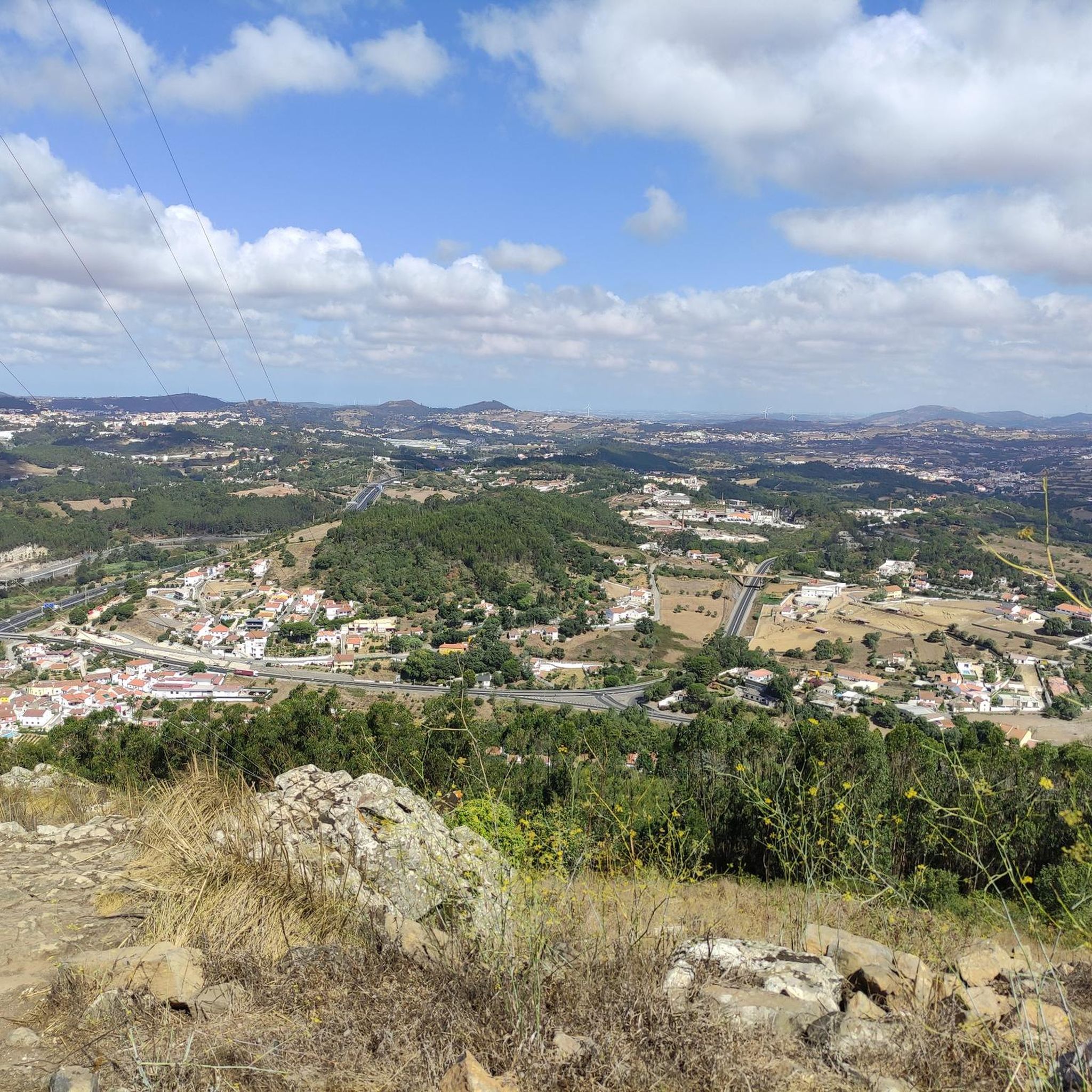
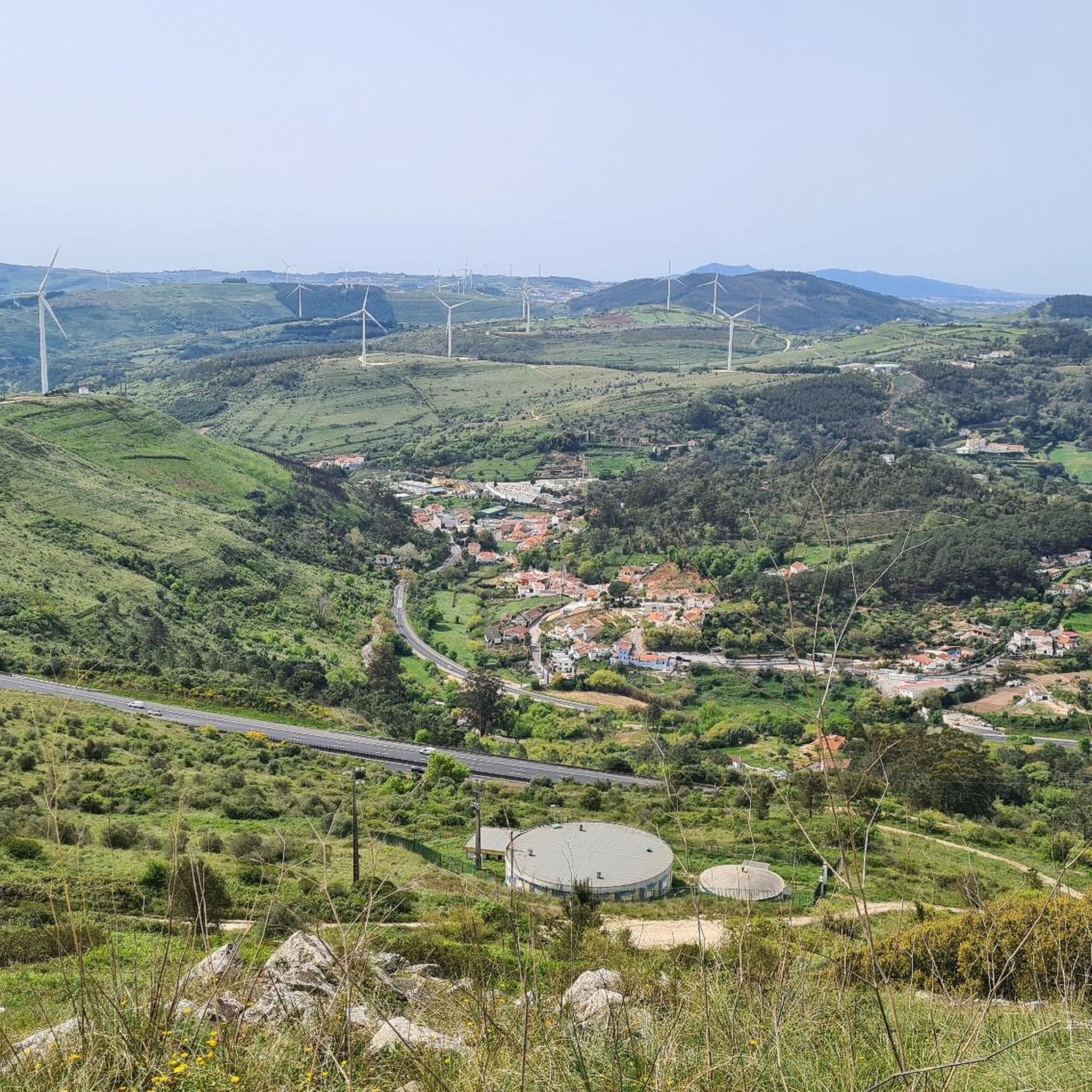
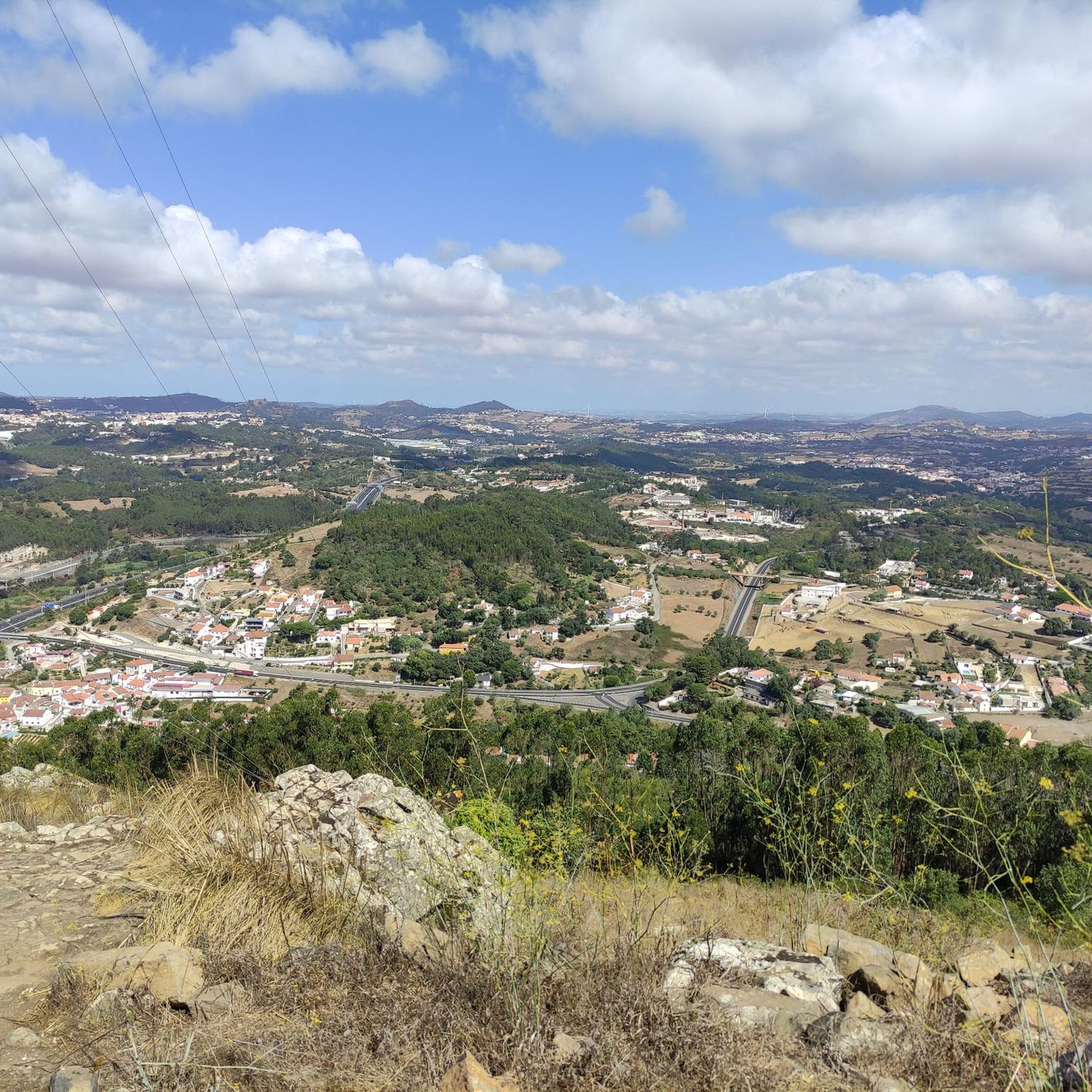
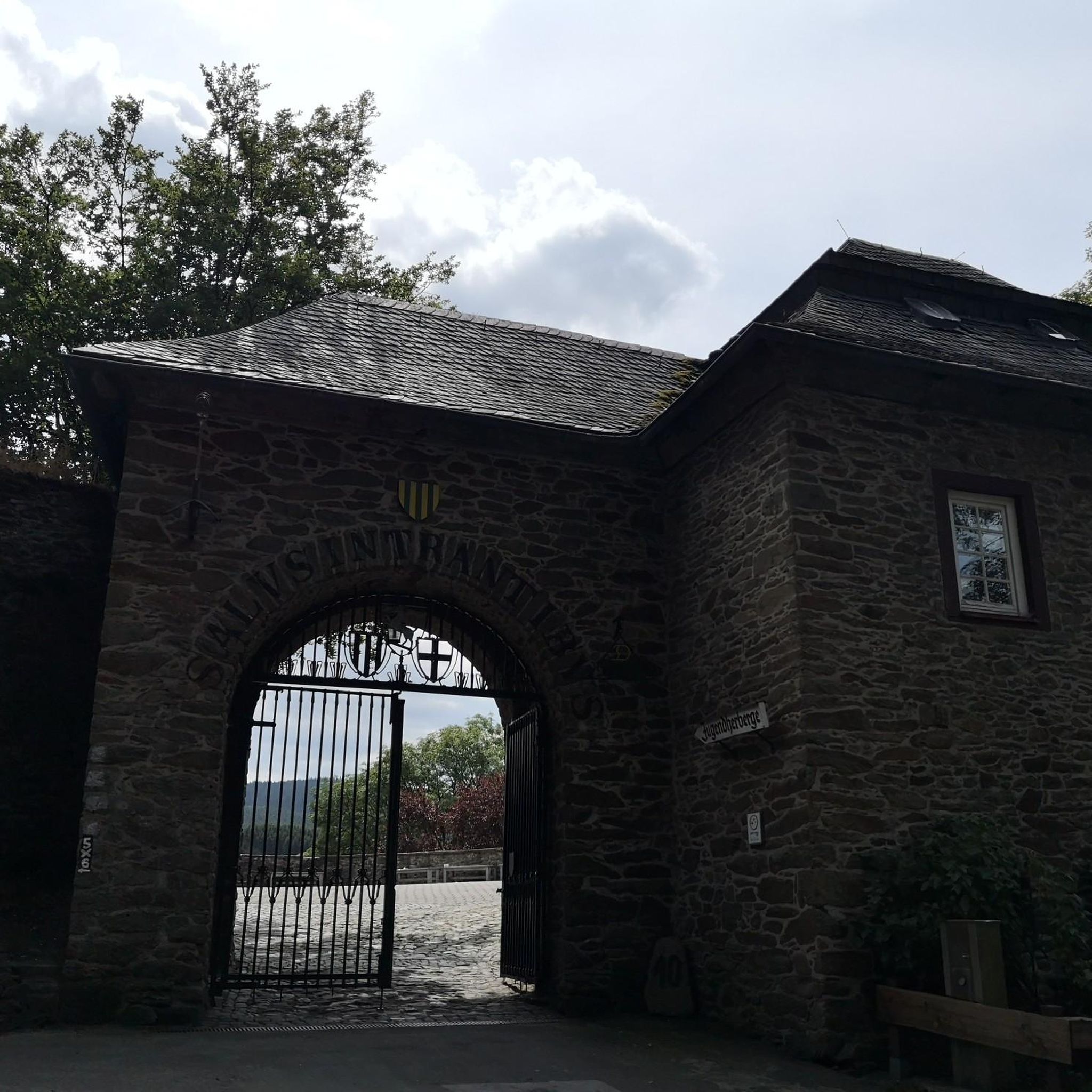
Tips from the Community

typical village living room, now rural tourism
0
0

Very nice and charming little village where you can find bed&breakfast hosts: https://www.aldeiadamatapequena.com
2
0

An abandoned mountain village that has been lovingly restored. The attempt to restore it and revive it with the help of tourism. Very beautiful and really worth seeing.
4
0

Necropolis caves of Vale da Calada: "The small village of Olelas, twenty or so kilometers from Lisbon, to the Northwest, and about 800m east of the Sabugo station, on the West railway line, to which it is connected by a path, is located at an altitude of 200m on a terrace on the slope of the Serra de Olelas, a series of small, extremely rocky hills, the northernmost of which can be seen the geodesic pyramid of the same name. Northeast of Olelas, between Cabeço do Norte and do Sul, Picôto, is excavated, as we said, a narrow valley called Vale da Calada, with steep slopes where the rock is bare in the upper parts and covered with kermes in the upper parts. lower altitudes. It is even this aspect that distinguishes the two hillocks from neighboring lands, which on the contrary are well used in different cultures and with some trees, making them stand out remarkably in the landscape for those visiting Sabugo station. These two rocky massifs, neatly cut out by the erosion that sculpted countless anfractuosities in them, have on their flanks that form the valley the three aforementioned caves of unequal importance. On the southern slope of the valley, Cova da Raposa, the largest of the three caves, has its double opening facing North and giving on a small terrace cut in half by a curious natural arch, carved in the rock, resembling a butante arch of a Gothic cathedral , quite wide at the top and tapering towards the base that deviates from the plumb to the west side." The two caves are separated, from the mouth to about 4m inland, by rock perforated on both sides and at various points by small openings, which cross it. Cova do Biguino, is a more regular cave, located on the north slope with the mouth facing southwest and opening onto a small terrace at a height greater than 10m above the Cova da Raposa border." - Removed from the website of the Union of Parishes of Almargem do Bispo, Pêro Pinheiro and Montelavar.
1
0


The climb coming from under Cheleiros and making a bend in Gravel is 🔝 legs 😅💪🏼🚵🏼♀️
1
0

A dozen houses make up this small rural settlement, made of whitewashed walls and stone slab floors. Aldeia da Mata Pequena is a paradise that invites you to rest and get in touch with nature outside Lisbon. It is a treasure trove of traditional architecture from the Saloia region, in the middle of the Penedo do Lexim Special Protection Zone, which the restoration work was keen to preserve. For those who stroll or stay in Aldeia da Mata Pequena the feeling is that of being in an open air museum, where the old way of life is preserved through smells, colors and traditions. The houses you find here are the best example of this, the result of a lot of research and collection work that conquers each of the visitors https://www.aldeiadamatapequena.com/
6
0
In the middle of the 18th century, the English royal navy sailed along the coast of Ericeira, when it was surprised by a storm. Feeling lost, they evoked their faith to Nossa Senhora da Piedade, holy protector of their fleet. So they made the promise of building a chapel at the highest point in exchange for their salvation. The Chapel of Nossa Senhora da Piedade was born in 1758 near Monte Marçabel. This is the story of the Sanctuary of the parish of Almargem do Bispo. To honor the patron saint, the inhabitants of various locations organize the already traditional festivities: Sabugo, Vale de Lobos, Sawmill and Tapada de Vale de Lobos, Tapada da Serra, Vale de Almornos, Almornos, Portela, Mancebas, Fonte Aranha and Olelas. We are a family owned and operated business. The people take to the streets and today Nossa Senhora da Piedade walks the streets of the parish. The tradition is old and has been going on for several years. This is the largest church celebration in the area and is quite old. Many people come to this party, and take the opportunity to keep promises. The population fills the enclosure and tastes delicious traditional Sintran foods
1
0
Frequently Asked Questions
How many hiking trails are available in Lousa?
Lousa offers a diverse network of over 20 hiking trails, catering to various skill levels. These routes traverse the rugged Serra da Lousã mountain range, dense woodlands, and connect charming Schist Villages.
What kind of terrain can I expect on hikes in Lousa?
Hiking in Lousa primarily involves the rugged terrain of the Serra da Lousã mountain range. You'll encounter dense woodlands, varied flora, and significant elevation changes. Trails often follow crystal-clear streams and lead through picturesque schist-built villages.
Are there hiking options for beginners or families in Lousa?
Yes, Lousa provides several easy and moderate hiking options suitable for beginners and families. These trails often feature gentler slopes and shorter distances, allowing for a pleasant exploration of the region's natural beauty and charming villages. There are 7 easy routes and 10 moderate routes available.
Are there challenging hikes for experienced trekkers in Lousa?
For experienced trekkers, Lousa offers several challenging routes with significant elevation gains and longer distances. An example is the Sanatório Albergaria – Gruta do Pego do Diabo loop from Anta do Alto da Toupeira, which covers over 18 km with substantial climbing, providing a rewarding experience for those seeking a more strenuous adventure.
What is the best time of year to go hiking in Lousa?
The Lousa region, due to its lush greenery and extensive rainfall, is beautiful year-round. However, spring (April-June) and autumn (September-November) generally offer the most pleasant hiking conditions with milder temperatures and vibrant landscapes. Summers can be warm, while winters are cooler but still suitable for hiking.
Can I see waterfalls while hiking in Lousa?
Yes, the Lousa landscape is rich with water features, including cascading waterfalls. Several trails incorporate these natural wonders. For example, the Nature Trail in Portugal – Barcarena Waterfall loop from Bucelas specifically features a waterfall. You can also explore highlights like the Anços Waterfall and Old Mill Ruins.
Are there any historical or cultural sites to explore on the trails?
Absolutely. Lousa is famous for its picturesque Schist Villages, ancient settlements built from local stone like Talasnal, Casal Novo, and Candal, which are often connected by hiking trails. You can also encounter historical landmarks such as the 11th-century Lousã Castle and the Sanctuary of Nossa Senhora da Piedade. The Mill Ruins – Bridge loop from Venda do Pinheiro is another route that passes through historical sites.
Are there circular hiking routes in Lousa?
Many of Lousa's hiking trails are designed as circular routes, allowing you to start and end at the same point without retracing your steps. Examples include the Nature Trail in Portugal – Barcarena Waterfall loop from Bucelas and the Lapiás da Maceira – Campo de Lápias loop from Pedra Furada, offering convenient exploration.
Are Lousa's hiking trails dog-friendly?
Many trails in Lousa are suitable for hiking with dogs, especially those through the dense forests and along river paths. However, it's always recommended to keep dogs on a leash, particularly in areas with wildlife or near livestock, and to check specific trail regulations before you go.
What amenities are available near the hiking trails in Lousa?
The charming Schist Villages, such as Talasnal and Candal, often provide amenities like accommodation, cafes, and restaurants, making them ideal rest stops for hikers. The town of Lousa itself also offers a wider range of services. It's advisable to carry sufficient water and snacks, especially on longer routes.
What do other hikers enjoy the most about hiking in Lousa?
The hiking experience in Lousa is highly rated by the komoot community, with an average score of 4.5 stars from over 100 reviews. Hikers frequently praise the region's stunning natural beauty, the unique charm of the Schist Villages, and the well-maintained trails that offer a blend of adventure and cultural immersion.
Are there any natural swimming spots along the hiking routes?
Yes, the region is known for its crystal-clear streams and tranquil ponds. The Praia Fluvial da Senhora da Piedade, a natural river beach near Lousã Castle, offers swimming pools framed by waterfalls and schist-built terraces, providing a refreshing stop during or after a hike.
Most popular routes around Lousa
Most popular attractions around Lousa

Get inspired with the komoot mobile app


Explore more
Browse the best Hikes in other regions.
