Attractions and Places To See around Oeiras E São Julião Da Barra - Top 20
Best attractions and places to see around Oeiras E São Julião Da Barra include a diverse range of historical landmarks, natural features, and cultural sites. Located along the Portuguese coastline where the Tagus River meets the ocean, the area offers a blend of historical significance and natural beauty. Visitors can explore ancient fortifications, elegant palaces, and extensive parks. The region provides various points of interest, from archaeological sites to modern marinas.
Best attractions and places to see around Oeiras E…
Last updated: July 29, 2026
Monument to the Discoveries
Highlight • Monument
Translated by Google •
Tip by

Belém Tower
Highlight • Monument
Translated by Google •
Tip by
Sign up now to discover places like this
Get recommendations on the best single tracks, peaks, & plenty of other exciting outdoor places.
Sign up for free
Monument to the Overseas Combatants 🏛️ Belém
Highlight • Monument
Translated by Google •
Tip by
Jerónimos Monastery
Highlight • Religious Site
Translated by Google •
Tip by
Caxias Beach
Highlight • Beach
Tip by

Sign up for free to discover even more attractions around Oeiras E São Julião Da Barra.
Sign up for free
Already have an account?
Start today with a free account
Your next adventure awaits.
Login or Signup
Popular around Oeiras E São Julião Da Barra

Tips from the Community

Located in the Belem district, it was inaugurated in 1994 to honor the Portuguese soldiers (10,000) who fought and died in the colonial wars.
2
0

The Monument to the Discoveries in Lisbon pays homage to Portuguese navigators. It represents the Age of Discovery, with statues of historical figures such as Henry the Navigator and Vasco da Gama. It is shaped like a caravel, symbolizing sea voyages.
5
0

The Monument to Overseas Combatants is a solemn tribute to the Portuguese soldiers who lost their lives during the Portuguese Colonial War (also known as the Overseas War), which took place between 1961 and 1974 in Africa.
21
0

there is so much to discover here
3
0
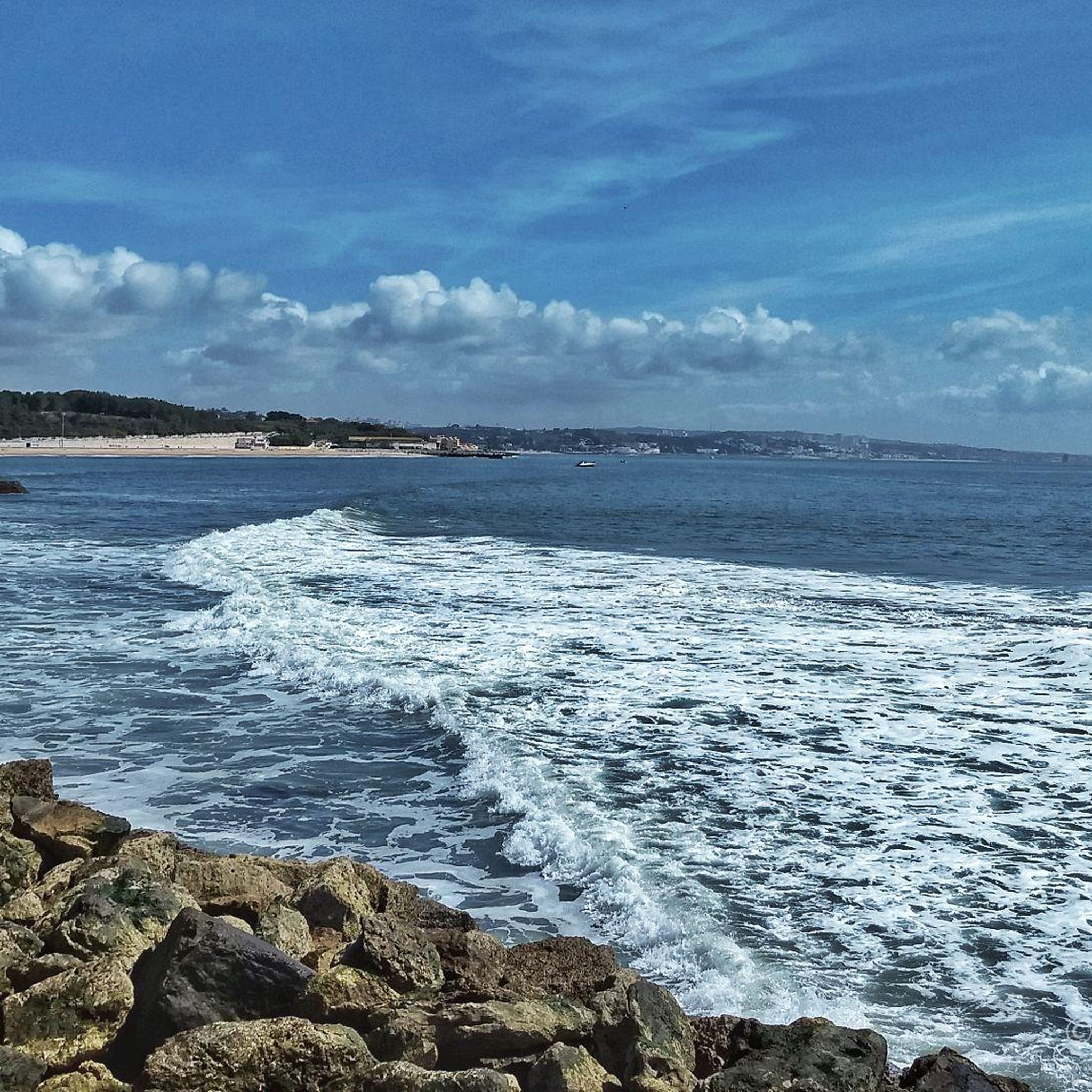
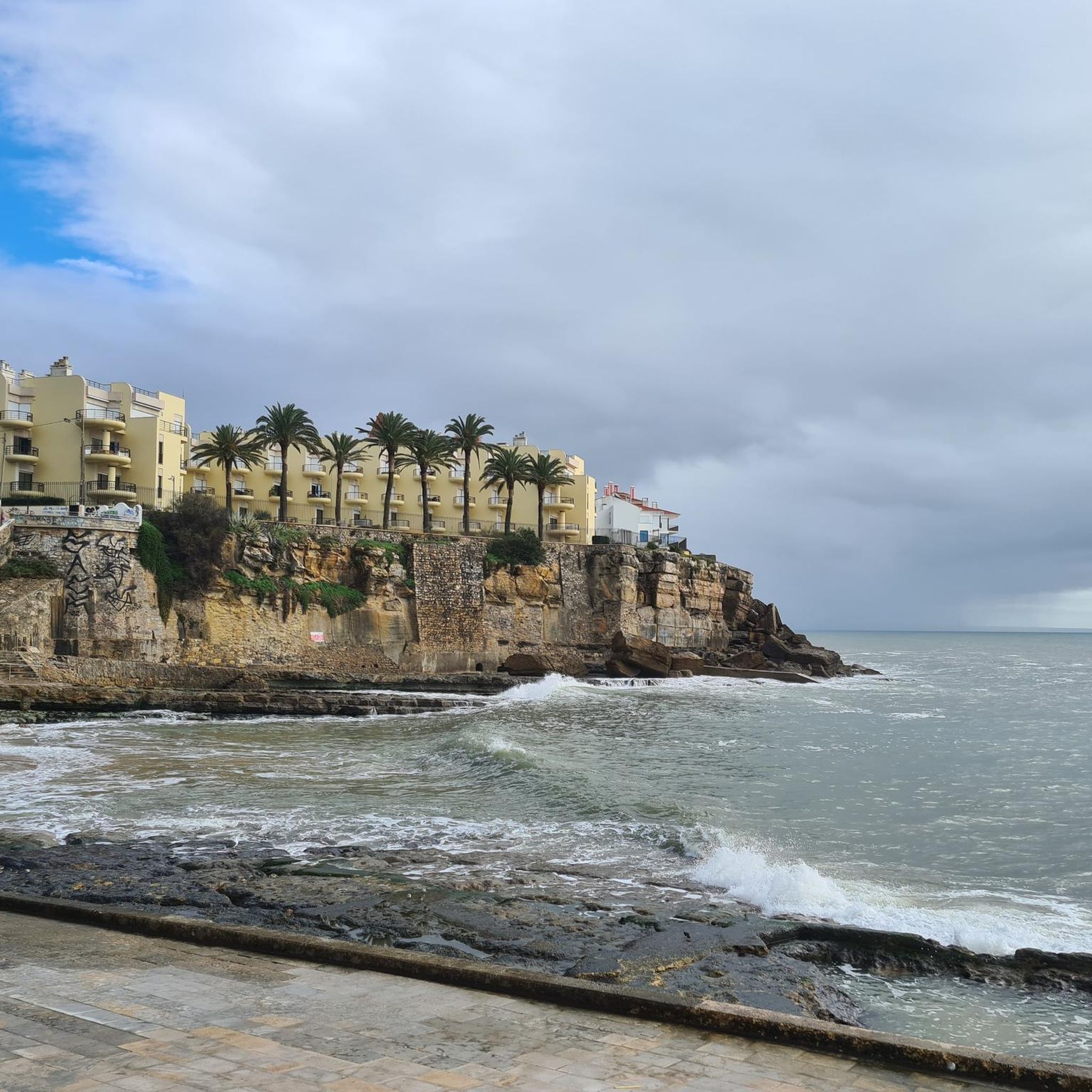
beautiful here along the Atlantic
2
0
The Belém Tower is one of the most iconic monuments in Lisbon, Portugal. Built between 1515 and 1519 by architect Francisco de Arruda, this Manueline-style tower was originally a fortress intended to protect the entrance to the port of Lisbon across the Tagus River. Over time, the tower also served as a tax collection center, a lighthouse, and a prison. In 1983, it was declared a UNESCO World Heritage Site along with the nearby Jerónimos Monastery.
17
3
The Belém Tower is a 16th-century military construction designed by Francisco de Arruda and Diogo de Boitaca. It played a crucial role during the Age of Discovery as a fortress and port. Throughout its history, it has served as a prison, lighthouse, and tax collection center. Along with the Jerónimos Monastery, it was declared a UNESCO World Heritage Site in 1983. I hope this information is useful to you! 😊
19
2
The Belém Tower is a 16th-century military construction designed by Francisco de Arruda and Diogo de Boitaca. It played a crucial role during the Age of Discovery as a fortress and port. Throughout its history, it has served as a prison, lighthouse, and tax collection center. Along with the Jerónimos Monastery, it was declared a UNESCO World Heritage Site in 1983. I hope this information is useful to you! 😊
25
1
Frequently Asked Questions
What historical sites can I explore in Oeiras E São Julião Da Barra?
Oeiras E São Julião Da Barra is rich in history. You can visit the imposing 16th-century Fort of São Julião da Barra, which played a crucial role in defending the Tagus River. Another significant site is the 18th-century Marquês de Pombal Palace and Gardens, a National Monument showcasing exquisite Pombaline architecture. Don't miss the Pelourinho de Oeiras, symbolizing the town's administrative autonomy. Further afield, you can explore the iconic Belém Tower and the Jerónimos Monastery, both UNESCO World Heritage Sites.
Are there family-friendly attractions in the area?
Yes, Oeiras E São Julião Da Barra offers several family-friendly attractions. The Poets' Park (Parque dos Poetas) is a vast green space with sculptures and playgrounds, perfect for a day out. The Vasco da Gama Aquarium provides an educational and entertaining experience for all ages. Additionally, many of the local beaches, like Caxias Beach, are great for families to enjoy the sun and sea. The Oeiras Ocean Swimming Pool is another popular spot during warmer months.
What natural features and beaches can I enjoy in Oeiras E São Julião Da Barra?
The region boasts a beautiful coastline where the Tagus River meets the ocean, featuring 12 beaches. Popular choices include Praia da Torre, Praia de Santo Amaro de Oeiras, Praia de Paço de Arcos, and Caxias Beach. The Oeiras seafront promenade (Passeio Marítimo de Oeiras) stretches for 5.5 kilometers, offering fantastic views and a perfect path for walking, cycling, or skating along the coast.
What cultural sites are available for visitors?
Oeiras E São Julião Da Barra has a vibrant cultural scene. The Poets' Park (Parque dos Poetas) is a unique outdoor museum dedicated to poetry and sculptural art. The former Gunpowder Factory (Fábrica da Pólvora) has been transformed into a cultural and leisure complex with gardens, restaurants, and an outdoor auditorium. The Egypt Palace Cultural Center also hosts various art exhibitions, performances, and workshops.
What outdoor activities can I do near these attractions?
The area around Oeiras E São Julião Da Barra is excellent for outdoor activities. You can enjoy easy walks along the coast or through parks. For more structured routes, consider exploring the easy hiking trails, such as the 'Heart Sculpture of Torre – Oeiras Marina loop' or the 'At Santo Amaro Station loop'. There are also running trails and gravel biking routes available for different fitness levels.
Are there any easy walking trails suitable for all ages?
Yes, the Oeiras seafront promenade (Passeio Marítimo de Oeiras) is a fantastic easy walk, offering flat terrain and scenic views along the coast. For more specific routes, you can find several easy hiking trails, including a 6 km loop from Oeiras to the Heart Sculpture of Torre and Oeiras Marina, or a 5.6 km loop from Paço de Arcos starting at Santo Amaro Station.
What is the best time of year to visit Oeiras E São Julião Da Barra?
The best time to visit Oeiras E São Julião Da Barra is generally during the spring (April to June) and early autumn (September to October) when the weather is pleasant, and the crowds are smaller. Summer (July and August) is also popular, especially for beach activities, but it can be hotter and more crowded. The mild climate makes it enjoyable for exploring historical sites and outdoor activities almost year-round.
Are there any archaeological sites in the vicinity?
Yes, the Leceia Archaeological Site is located nearby and is the largest archaeological site in the Lisbon area. It dates back to 3000 BCE, offering a fascinating glimpse into ancient history and the early settlements of the region.
Can I find cafes or restaurants along the Oeiras seafront promenade?
Yes, the Oeiras seafront promenade is dotted with various cafes and restaurants, especially near the beaches and the Oeiras Marina. These establishments offer a perfect opportunity to relax, enjoy a meal or a drink, and take in the beautiful coastal views while strolling along the promenade.
What do visitors enjoy most about Oeiras E São Julião Da Barra?
Visitors frequently appreciate the blend of historical significance and natural beauty. The well-preserved historical sites like the Fort of São Julião da Barra and the Marquês de Pombal Palace are highly regarded. The beautiful beaches and the scenic Oeiras seafront promenade are also major draws, offering opportunities for relaxation and outdoor activities. The community also enjoys the cultural offerings and family-friendly options available.
Is public transport available to reach the main attractions?
Yes, Oeiras E São Julião Da Barra is well-served by public transport, making it easy to access its attractions. The Cascais Line train connects Lisbon to Oeiras and many of its coastal attractions, including beaches and the promenade. Local bus services also operate within the municipality, providing access to inland sites like the Marquês de Pombal Palace and the Poets' Park.
Are there any specific viewpoints I should look for?
The Oeiras seafront promenade itself offers continuous scenic viewpoints along the Tagus River estuary and the Atlantic Ocean. From the Fort of São Julião da Barra, you can get expansive views of the coastline and the river mouth. Additionally, the areas around Belém Tower and the Monument to the Discoveries provide iconic vistas of the Tagus and Lisbon's maritime heritage.
Most popular routes around Oeiras E São Julião Da Barra
Most popular attractions around Oeiras E São Julião Da Barra

Get inspired with the komoot mobile app


Explore more
Still not found the Highlight you’re looking for? See guides of the top attractions in other regions:
