The best road cycling routes around Dois Portos
4.6
(35)
3,154
riders
153
rides
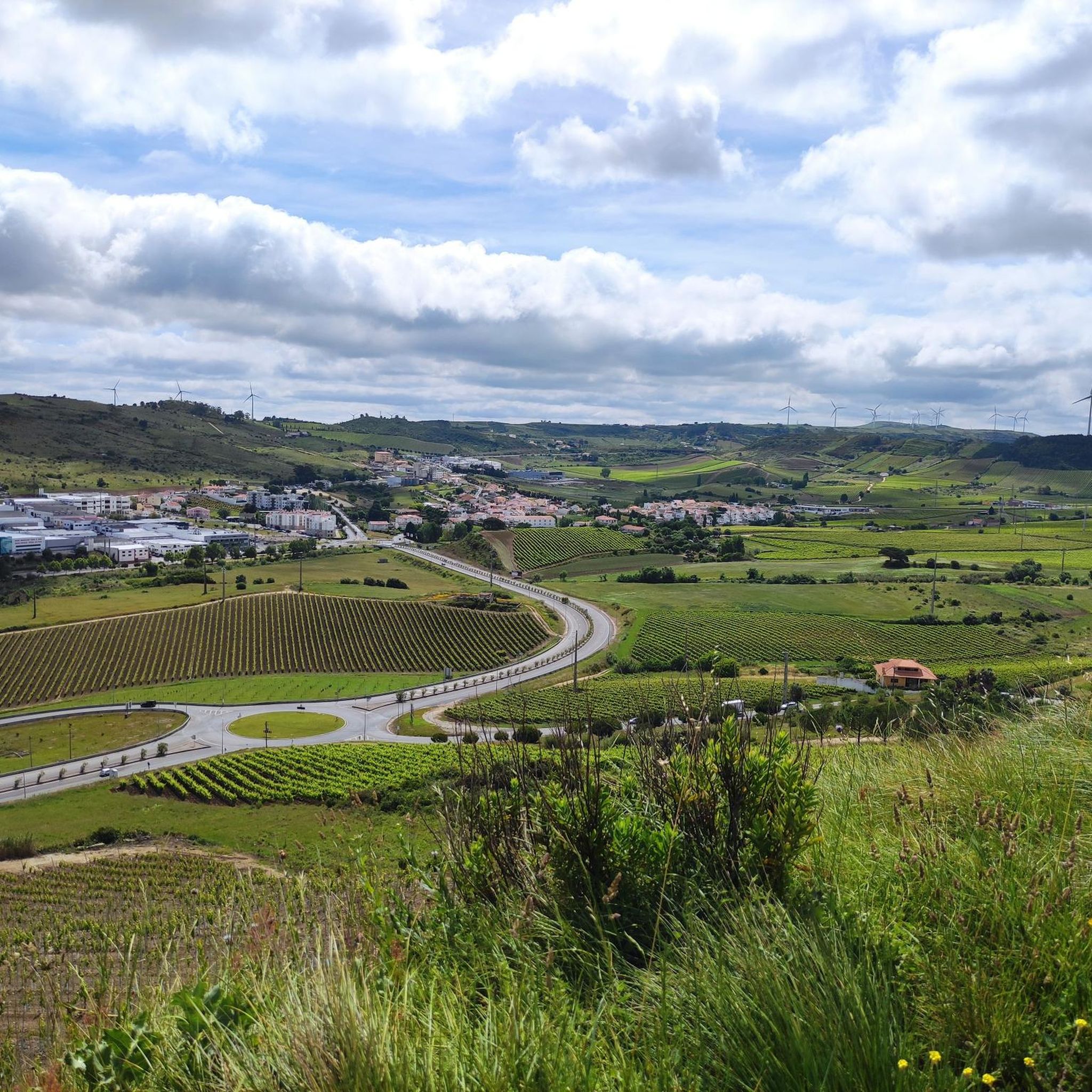
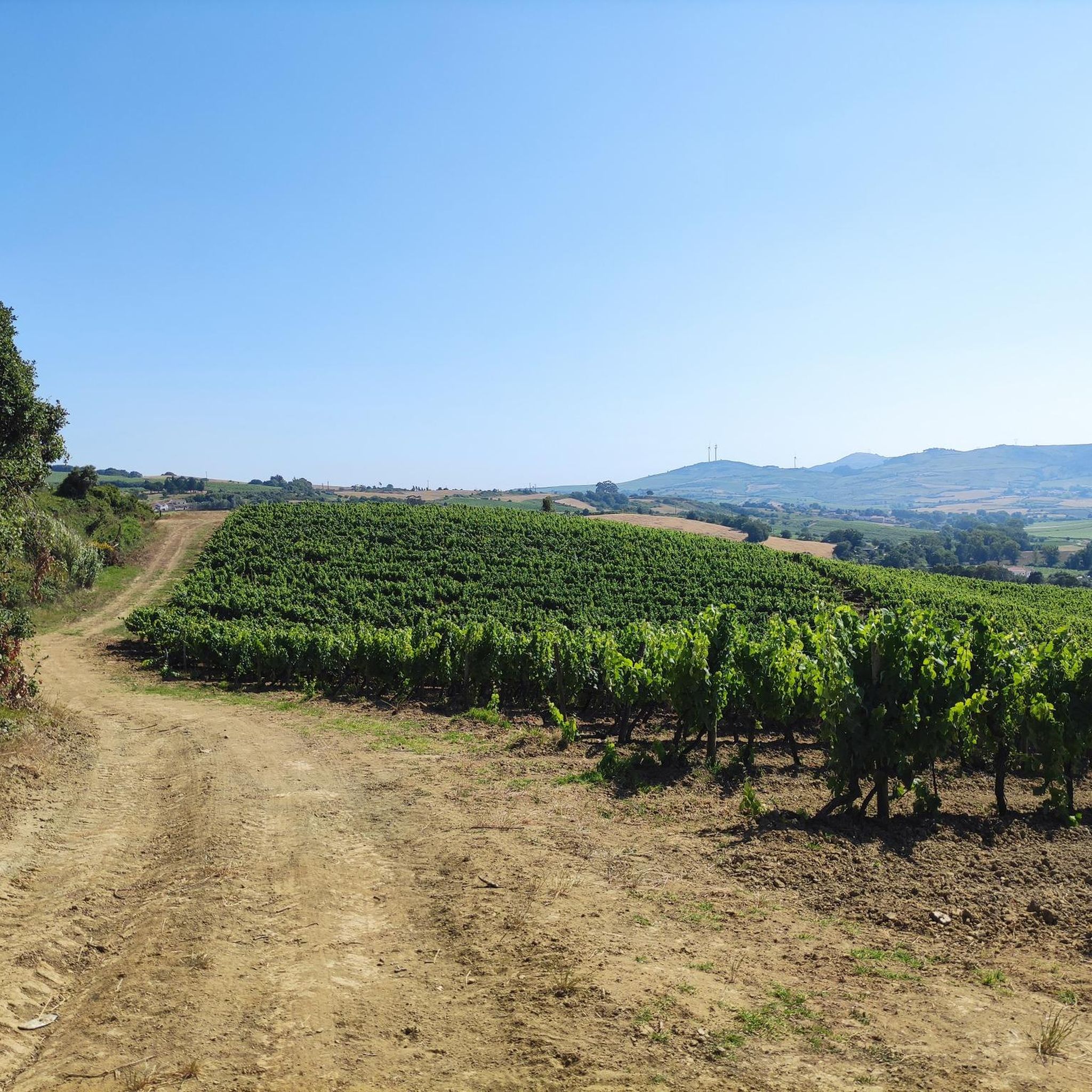
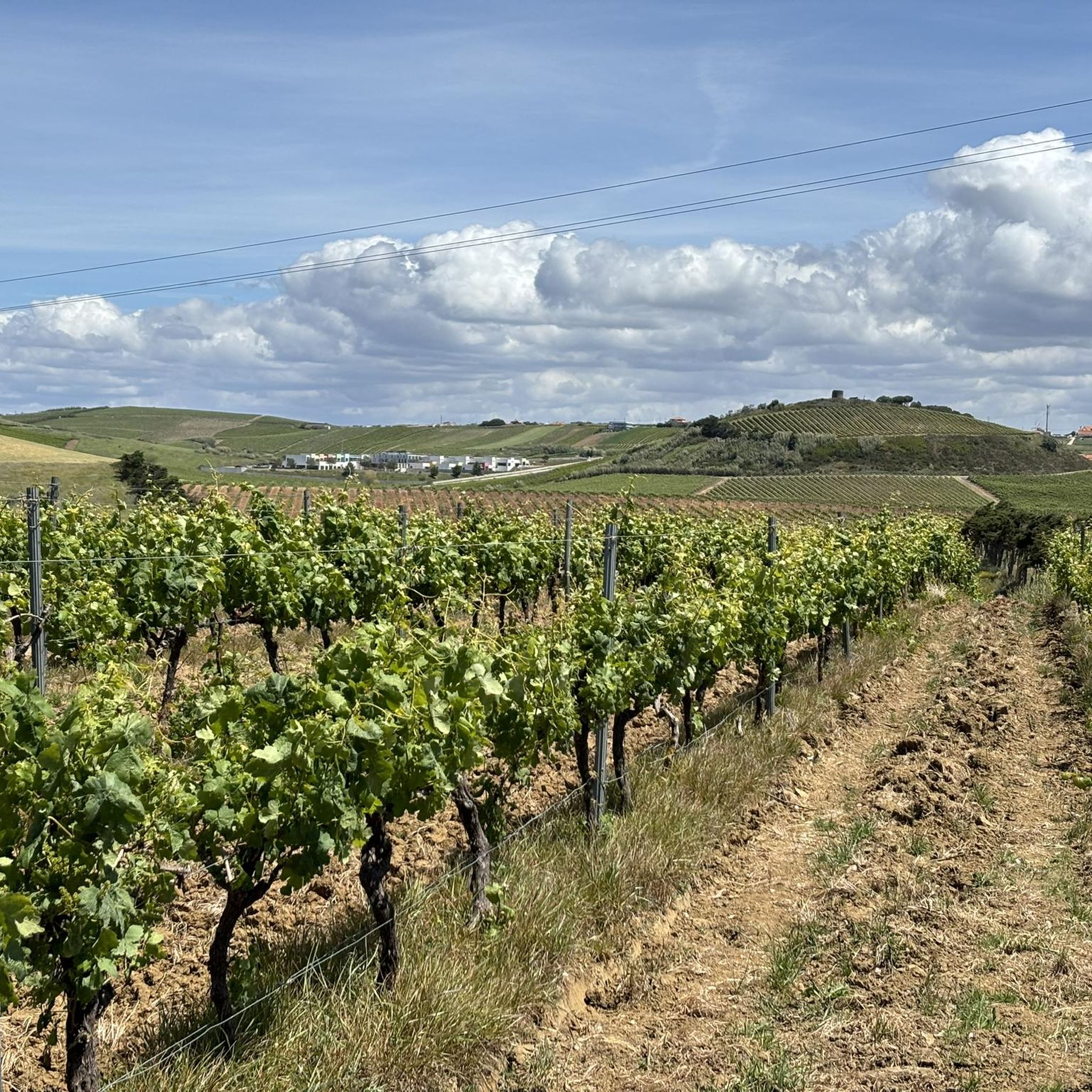
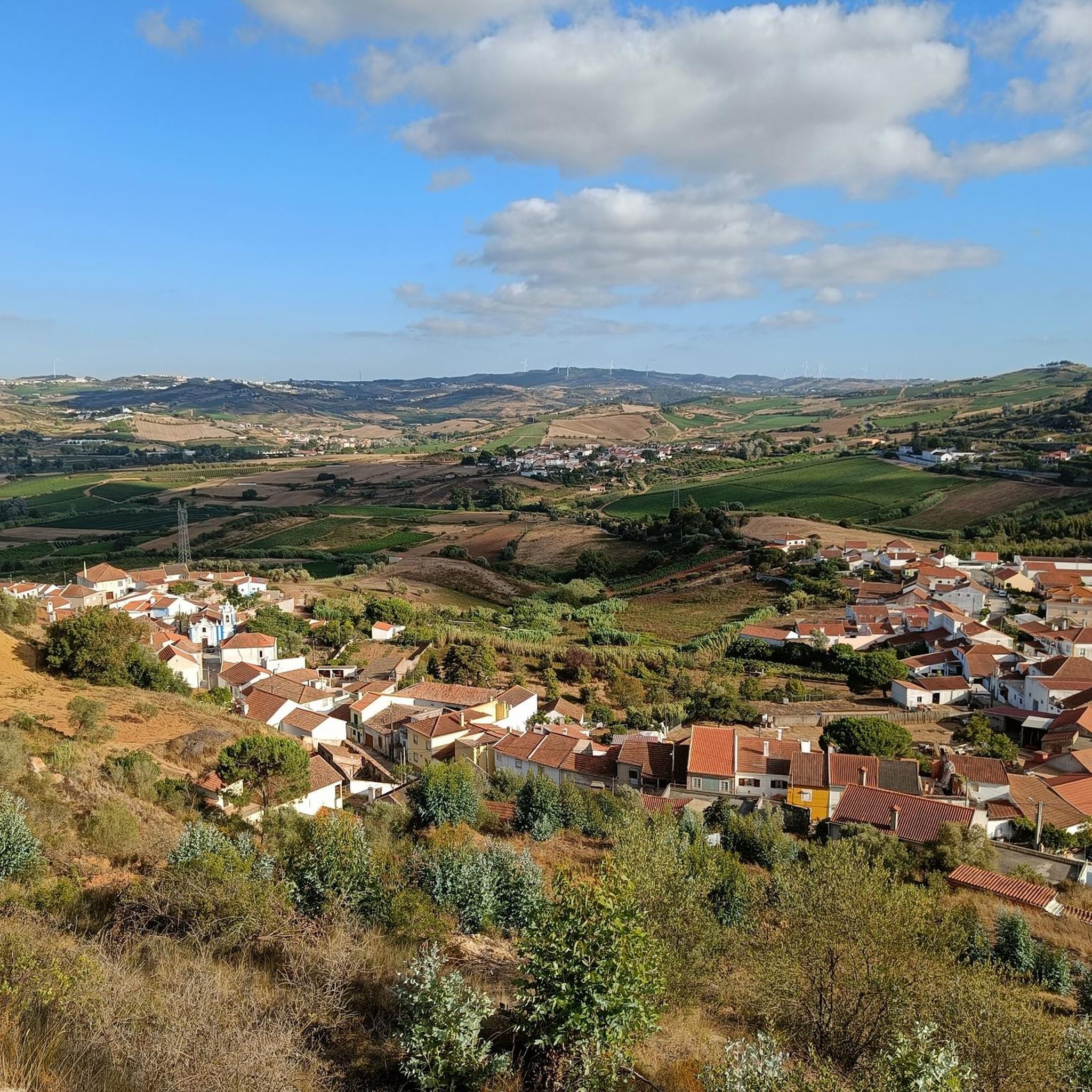
Road cycling routes around Dois Portos, located within the municipality of Torres Vedras in Portugal, traverse a landscape characterized by extensive vineyards and rolling countryside. The region features varied terrain, including quiet rural roads and challenging climbs in areas like Serra da Vila and Serra de Montejunto. Cyclists can expect routes that offer both demanding excursions and more leisurely rides through historical areas and traditional villages.
Best road cycling routes around Dois Portos
- The most popular road cycling route is…
Last updated: May 11, 2026
5.0
(2)
74
riders
96.9km
04:40
930m
930m
Hard road ride. Very good fitness required. Some segments of this route may be unpaved and difficult to ride.
3.4
(5)
38
riders
131km
06:08
1,140m
1,140m
Hard road ride. Very good fitness required. Mostly well-paved surfaces and easy to ride.

Sign up for free
25
riders
102km
05:02
1,360m
1,360m
Hard road ride. Very good fitness required. Mostly well-paved surfaces and easy to ride.
32
riders
101km
05:10
1,520m
1,520m
Hard road ride. Very good fitness required. Mostly well-paved surfaces and easy to ride.
17
riders
34.0km
01:32
310m
310m
Moderate road ride. Good fitness required. Mostly well-paved surfaces and easy to ride.
Get access to more routes and recommendations from other explorers.
Sign up for free
Already have an account?
Our route recommendations are based on thousands of hikes, rides, and runs completed by other people on komoot.
Start today with a free account
Your next adventure awaits.
Login or Signup

Tips from the Community

You can really see that thing from a distance, from any direction 8-)
0
0

The National Palace of Mafra, located in the town of Mafra, Portugal, is a monumental complex that includes a palace, a convent, a basilica, and the Tapada de Mafra (hunting grounds). Construction began in 1717, commissioned by King John V of Portugal in fulfillment of a vow for the succession of his wife, and it is the most important monument of Portuguese Baroque. Since 2019, the Palace has been a UNESCO World Heritage Site.
2
0
Ribeira d'Ilhas Beach is one of the most famous and iconic beaches in Ericeira, in the municipality of Mafra, Portugal. Internationally known, it is considered one of the surfing meccas in Europe and one of the most important points of the Ericeira World Surfing Reserve. Highlights and characteristics World-class waves: The beach is famous for its long, right-hand, and consistent waves, with pointbreak formations. It receives all types of swells and is considered the most consistent wave in the region. Natural amphitheater: Its geographical configuration, in a shell-shaped bay, creates a natural amphitheater that serves as the perfect setting for surfing events, such as national and international championships. Infrastructure for surfers and visitors: The location offers good support infrastructure, including parking, changing rooms, sanitary facilities, and a restaurant-bar with a terrace. It is accessible to people with reduced mobility. Trails and views: The area around the beach offers stunning views of the coast and hiking trails, such as the one leading to the São Pedro da Ericeira Fort. Important information Tourist and surf spot: Ribeira d'Ilhas attracts surfers of all levels as well as visitors who want to enjoy the scenery and the surf environment. Best time to visit: The beach works well at all tides, but the best time for surfing depends on the wave conditions. In summer, it's a great spot to watch the sunset. Accessibility: It has access for people with reduced mobility, ensuring that everyone can enjoy its natural beauty.
2
0

The castle of Torres Vedras is an important part of Portuguese history. It was a strategic point in the fight against the Moors and later against Napoleon. The castle was conquered in 1147 by Afonso Henriques, the first king of Portugal.
2
0
Today I was lucky and was able to visit the ruins as well.
2
0

The elevator to the top of the tower, with its fantastic view, costs 10 euros. There's a bar at the top with exorbitant prices.
6
1
Groups often perform small concerts or dance events under the wonderful prestressed concrete ceiling.
5
1

The Arco da Rua Augusta is one of Lisbon's most iconic monuments, located at the southern entrance to Rua Augusta, right on Praça do Comércio, facing the Tagus River. This majestic triumphal arch was built to commemorate the city's reconstruction after the 1755 earthquake.
17
1
Frequently Asked Questions
How many road cycling routes are available around Dois Portos?
There are over 150 road cycling routes available around Dois Portos, catering to various skill levels. This includes 10 easy routes, 93 moderate routes, and 51 difficult routes for more experienced cyclists.
What kind of terrain can I expect when road cycling around Dois Portos?
The region is characterized by extensive vineyards and rolling countryside, offering picturesque views. You'll find quiet rural roads and challenging climbs, particularly in areas like Serra da Vila and Serra de Montejunto, which can reach up to 549 meters above sea level. The terrain provides a mix of demanding excursions and more leisurely rides through historical areas and traditional villages.
What is the best time of year for road cycling in Dois Portos?
The region's landscapes, especially the vineyards, are particularly vibrant during the harvest season. Generally, spring and autumn offer pleasant temperatures for cycling. While the guide doesn't specify winter conditions, the mild Portuguese climate often allows for cycling year-round, though checking local weather is always recommended.
What do other cyclists say about road cycling in Dois Portos?
The road cycling routes in Dois Portos are highly rated by the komoot community, with an average score of 4.6 stars from over 30 reviews. Cyclists often praise the varied terrain, scenic vineyard landscapes, and the mix of challenging climbs and gentler routes.
Are there any long-distance road cycling routes in the area?
Yes, Dois Portos offers several long-distance routes. For example, the Mr. Frog Mural – View of the Vasco da Gama Bridge loop from Pero Negro is a difficult 82.1-mile (132.1 km) trail with significant elevation gain, offering views towards the Vasco da Gama Bridge. Another demanding option is the Forca Viewpoint – Praia de São Sebastião loop from Pero Negro, which spans 64.3 miles (103.5 km) and includes substantial climbing towards coastal areas.
Can I find easy or beginner-friendly road cycling routes?
While many routes feature varied terrain, there are 10 easy road cycling routes available around Dois Portos. These routes are generally shorter and have less elevation gain, making them suitable for beginners or those looking for a more relaxed ride. The region's quiet rural roads can also be ideal for less experienced cyclists.
Are there challenging routes for experienced road cyclists?
Absolutely. Dois Portos is known for its challenging climbs, particularly in areas like Serra da Vila and Serra de Montejunto. There are 51 difficult routes available, such as the View of Serra de Montejunto – Montejunto Monument loop from Feliteira, a 99.4 km route with over 1600 meters of elevation gain, perfect for experienced riders seeking a workout.
Are there circular road cycling routes available?
Many of the road cycling routes in Dois Portos are designed as loops, allowing you to start and end at the same point. Examples include the Alto do São João – Castelo de Torres Vedras loop from Runa, a 33.8 km trail through historical areas, and the longer Castelo de Torres Vedras loop from Runa, covering 116.1 km.
What historical sites can I visit while road cycling near Dois Portos?
The region is rich in history. You can cycle past traditional villages and historical 'quintas' (wine estates). Notable historical sites include the Castelo de Torres Vedras and the Forte da Archeira. Some routes, like the Alto do São João – Castelo de Torres Vedras loop, specifically lead through these historical areas.
Are there natural attractions or parks accessible by road bike?
Yes, a significant natural attraction nearby is the Tapada Nacional de Mafra, a large royal park spanning over 8 km². While some internal paths might be mixed surface, the surrounding roads offer access to this diverse natural habitat. The region also features scenic viewpoints, such as those found on routes heading towards Serra de Montejunto.
Can I combine my ride with wine tourism in Dois Portos?
Absolutely. Dois Portos is located in a renowned viticulture region, characterized by extensive vineyards. Many cycling routes pass through these areas, offering opportunities to visit local farms and wineries, adding a cultural and gastronomic dimension to your ride.
Is parking available near road cycling trailheads in Dois Portos?
While specific parking locations for each trailhead are not detailed, the region's focus on cycling tourism and its rural nature suggest that parking is generally available in or near the starting points of routes, especially in villages or towns like Pero Negro and Runa, which are common starting points for many komoot tours.
Most popular attractions around Dois Portos

Get inspired with the komoot mobile app


Explore more
Browse the best Road cycling routes in other regions.
