The best road cycling routes around Alverca Do Ribatejo
4.3
(21)
2,039
riders
22
rides
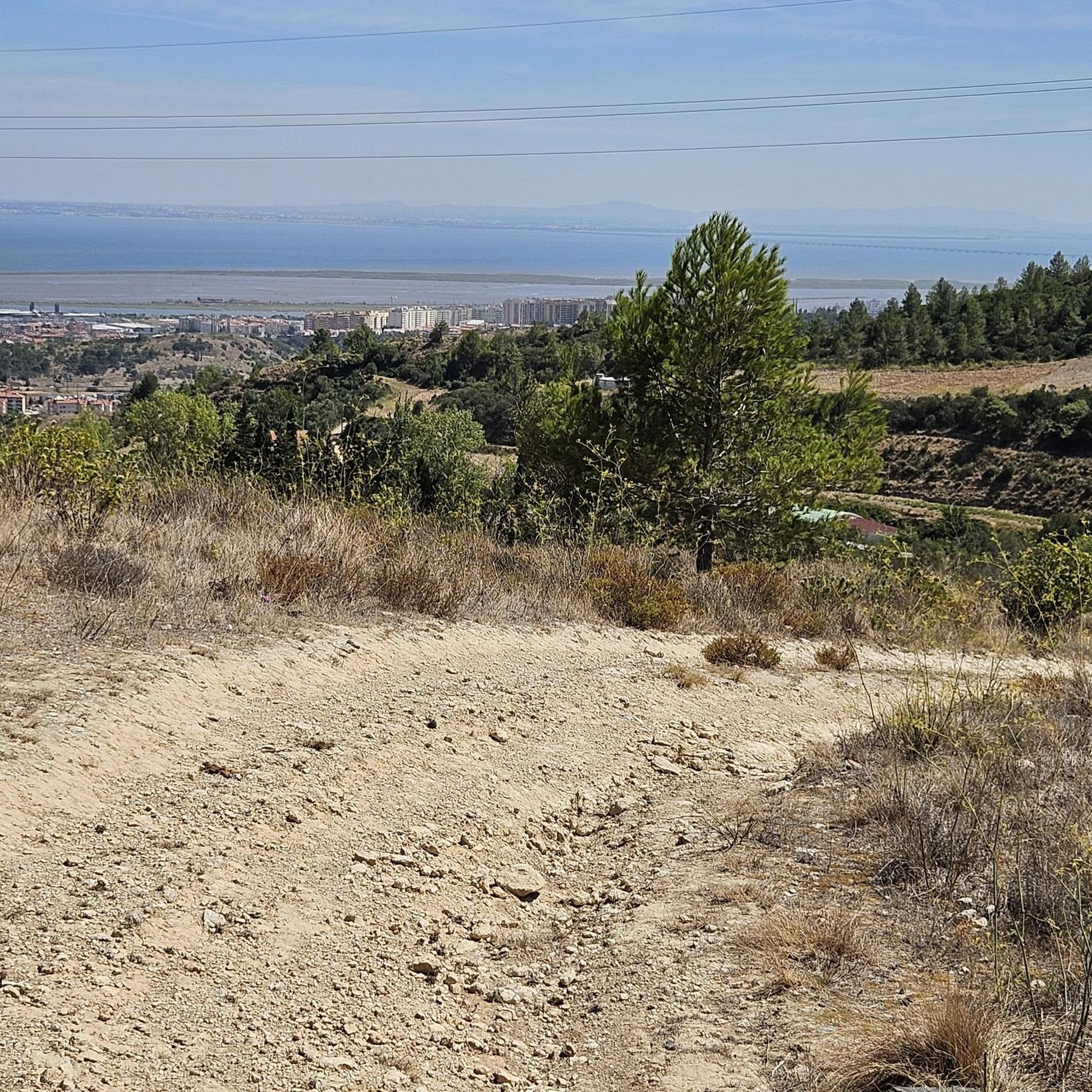
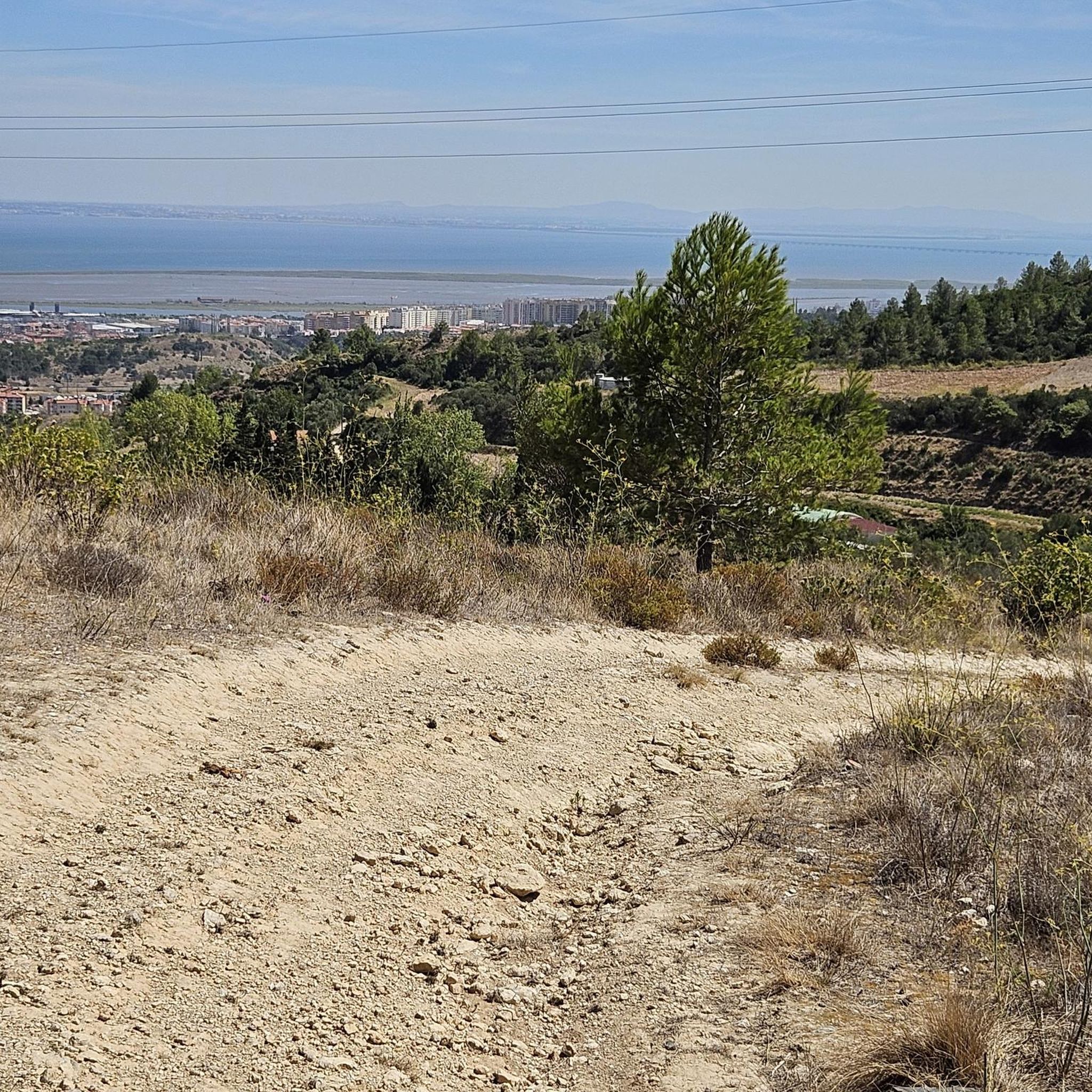
Road cycling routes around Alverca Do Ribatejo are characterized by the flat, fertile floodplains of the Tagus River and its estuary. The region features low-lying wetlands and extensive agricultural land, providing a landscape of varied scenery. Cyclists can expect routes that traverse these open, agricultural areas, often alongside the Tagus River. The terrain is generally gentle, offering a mix of moderate and challenging options for road cyclists.
Best road cycling routes around Alverca Do Ribatejo
- The most popular road cycling…
Last updated: May 16, 2026
39
riders
229km
10:26
2,210m
2,210m
Hard road ride. Very good fitness required. Some segments of this route may be unpaved and difficult to ride.
34
riders
39.8km
01:57
470m
470m
Moderate road ride. Good fitness required. Some segments of this route may be unpaved and difficult to ride.

Sign up for free
29
riders
99.0km
04:53
1,390m
1,390m
Hard road ride. Very good fitness required. Some segments of this route may be unpaved and difficult to ride.
25
riders
117km
05:03
810m
810m
Hard road ride. Very good fitness required. Some segments of this route may be unpaved and difficult to ride.
20
riders
133km
05:45
990m
990m
Hard road ride. Very good fitness required. Some segments of this route may be unpaved and difficult to ride.
Get access to more routes and recommendations from other explorers.
Sign up for free
Already have an account?
Our route recommendations are based on thousands of hikes, rides, and runs completed by other people on komoot.
Start today with a free account
Your next adventure awaits.
Login or Signup

Tips from the Community


Just before entering the town of Sobral do Monte Agraço
0
0

This house 🏠 looks like the house of the painter Claude Monet 🎨, but,... without the garden.
12
0
publication of the royal charter of 26 July 1811, which, in order to mitigate the devastating effects of the French invasions, prescribed, among many other measures, the distribution of seeds to farmers in order to re-establish cereal production. The Real Celeiro was active for over sixty years, between 1812 and 1873, but, quoting Guilherme Henriques, “it died, like all good institutions, annihilated by abuses”. The City Council now holds the archive of the old Celeiro, which, although not very voluminous, nevertheless allows us to reconstruct almost the entire history of this important local institution of the 19th century. Commissioned to be rebuilt by the Municipality of Alenquer in 2002, it opened its doors as the Wine Museum and headquarters of the Lisbon Wine Route in 2006. Its interior was remodeled and its museology project renewed at the end of 2018, and it reopened its doors to visitors in February 2019. (Source: www.alenquer.pt)
10
0

Operating since April 2006 in a 19th-century building, the Wine Museum exhibits, offers tastings and allows the purchase of the best wines from the region. Around 20 producers from the Lisbon Wine Routes Association are represented.
5
0
Building visible from very far away.
12
0
Museum established in 2006 and remodeled in 2018, where the stories of 40 wine producers from the municipality of Alenquer are represented. Occupying the space of the old public barn where the seeds of the region's farmers were stored, the institution seeks to provide visitors with an excellent experience in paying homage to wine. Source: www.freguesiaalenquer.pt
12
0
Frequently Asked Questions
How many road cycling routes are available around Alverca Do Ribatejo?
There are over 20 road cycling routes around Alverca Do Ribatejo, offering a mix of moderate and difficult options. Specifically, you'll find 14 moderate routes and 10 difficult routes to explore.
What kind of terrain can I expect on road cycling routes in Alverca Do Ribatejo?
The terrain around Alverca Do Ribatejo is primarily characterized by the flat, fertile floodplains of the Tagus River and its estuary. You'll cycle through low-lying wetlands and extensive agricultural land, offering varied scenery. While generally gentle, some routes include significant elevation gain, providing both moderate and challenging experiences.
Are there challenging road cycling routes in the Alverca Do Ribatejo area?
Yes, for experienced cyclists seeking a challenge, there are 10 difficult routes. One notable option is the Ponte D. Luís I of Santarém – Ascent from Minde to the viewpoint loop from Alverca, a demanding 225.7 km path with substantial elevation gain.
What natural features or landmarks can I see while road cycling in Alverca Do Ribatejo?
Many routes offer views of the Tagus Estuary, a natural reserve known for its biodiversity. You might also pass by the EVOA – Birdwatching and Visitor Center, or the Cais da Jorna and Fishermen's Monument along the riverfront.
What is the best time of year for road cycling in Alverca Do Ribatejo?
The ideal seasons for road cycling are spring and early autumn. During these times, the Mediterranean climate offers mild temperatures, typically ranging from 15°C to 25°C (59°F to 77°F). Spring brings blooming landscapes, while early autumn provides pleasant weather with fewer crowds.
Are there any circular road cycling routes available?
Yes, many routes are designed as loops. For example, the Rural Trail in Portugal – Alenquer loop from Alverca is a popular 98.8 km circular route exploring agricultural landscapes. Another option is the shorter Bullring – Rural Trail in Portugal loop from Alverca, which is 39.4 km.
Can I find routes that offer scenic views or points of interest?
Absolutely. The region's proximity to the Tagus River means many routes offer picturesque riverside views. You can also find routes that pass by points of interest such as the Constantino Palha Municipal Garden or the Alhandra Picnic Park, perfect for a break.
Are there any routes that pass by the Air Museum of Alverca?
Yes, the Air Museum of Alverca – Forca Viewpoint loop from Alverca is a difficult 97.4 km road cycling route that includes this landmark, offering both cultural interest and a challenging ride.
What is unique about road cycling in the Ribatejo region around Alverca?
The Ribatejo region is unique for its iconic landscapes shaped by the Tagus River. Cyclists can experience the vast, fertile floodplains, agricultural fields, and low-lying wetlands. The horizons change with the seasons, offering diverse flora and fauna, and the area is a crucial wintering ground for waterfowl, making for interesting birdwatching opportunities.
Are there quieter trails for a more serene cycling experience?
Locals often recommend utilizing the quieter trails parallel to the Tagus River. These paths offer a serene escape, ideal for bike rides, picnics, and birdwatching, away from busier roads.
What is the longest road cycling route available?
The longest route listed is the Ponte D. Luís I of Santarém – Ascent from Minde to the viewpoint loop from Alverca, which spans 225.7 km and is classified as difficult due to its significant elevation gain.
What are some of the agricultural landscapes I might encounter?
The Ribatejo region is known for its fertile floodplains used for growing rice and wheat, and for providing pasture for cattle and horses. Routes like the Laranjal – Pink House with Bougainvillea loop from Alverca will take you through these extensive agricultural areas, showcasing the region's rural character.
Most popular attractions around Alverca Do Ribatejo

Get inspired with the komoot mobile app


Explore more
Browse the best Road cycling routes in other regions.
