Attractions and Places To See around Crato E Mártires - Top 20
Attractions and places to see around Crato E Mártires offer a blend of historical, cultural, and natural sites in Portugal. The region features ancient structures like castles and megalithic dolmens, alongside significant religious buildings. Visitors can explore industrial heritage and enjoy serene natural landscapes, including elevated viewpoints. The area provides diverse points of interest for exploration.
Best attractions and places to see around Crato E Mártires
- The most popular attractions is View of Castelo de Vide from Senhora da Penha…
Last updated: August 12, 2026
Alter do Chão Castle
Highlight • Castle
It is classified as a National Monument.
Translated by Google •
Tip by

Chapel of Saint Anne
Highlight • Religious Site
Translated by Google •
Tip by

Sign up now to discover places like this
Get recommendations on the best single tracks, peaks, & plenty of other exciting outdoor places.
Sign up for free
Access Trail to the Via Ferrata – Serra de São Mamede Natural Park
Highlight • Trail
Translated by Google •
Tip by
Robinson Factory
Highlight • Monument
Translated by Google •
Tip by
Hermitage of Our Lady of Pena
Highlight • Religious Site
Showing Translation
Tip by

Sign up for free to discover even more attractions around Crato E Mártires.
Sign up for free
Already have an account?
Start today with a free account
Your next adventure awaits.
Login or Signup
Tips from the Community

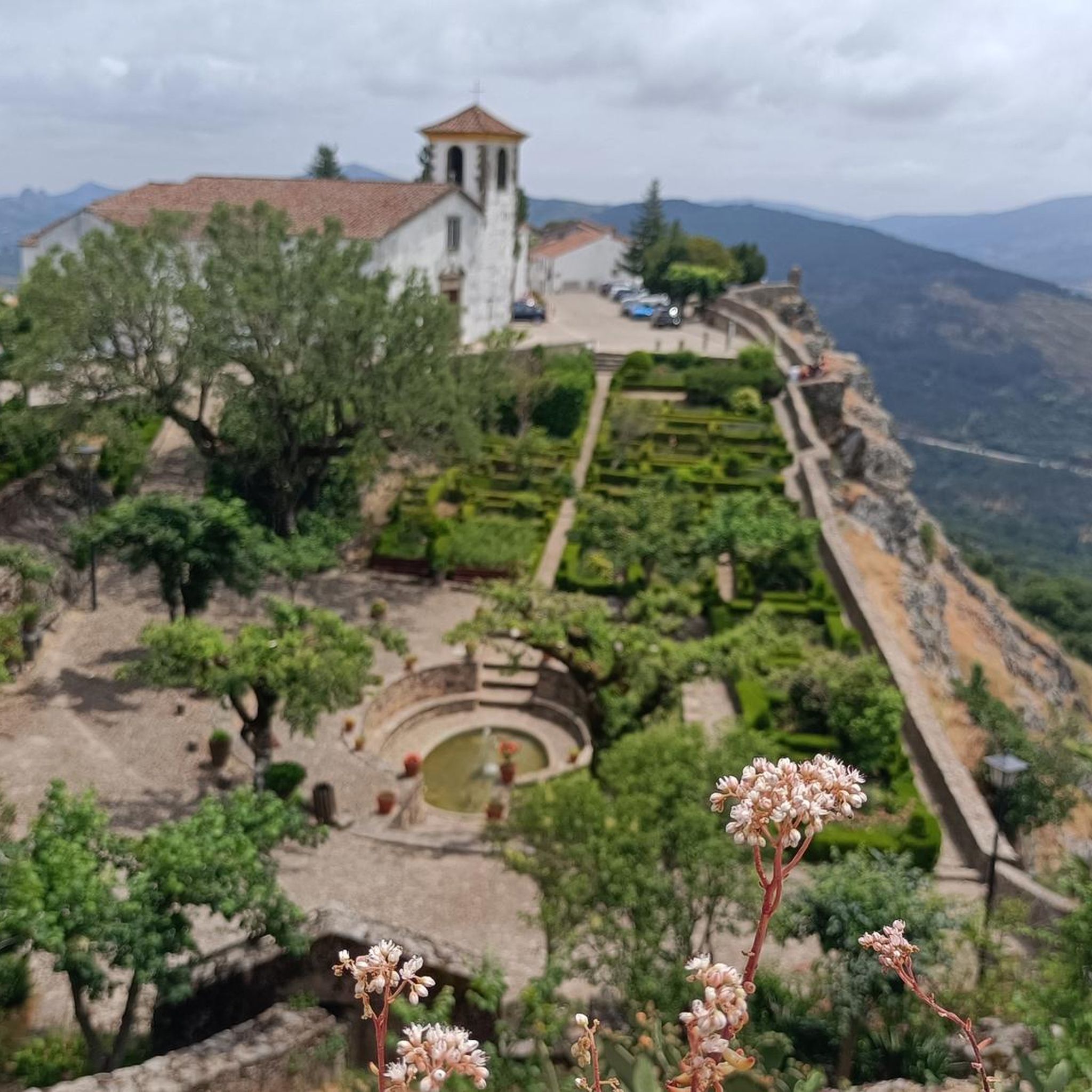
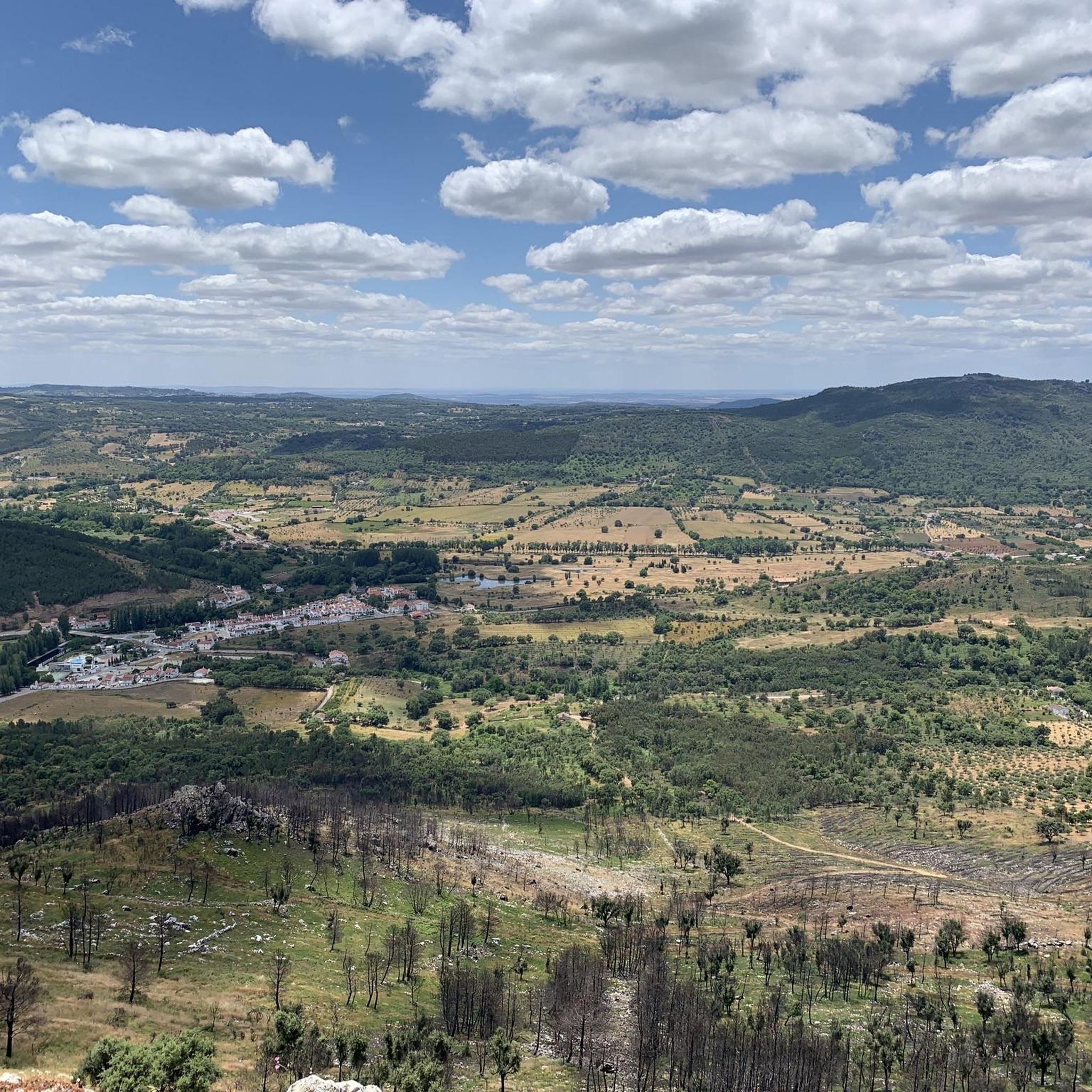
The Ermida de Nossa Senhora da Penha stands proudly in the Serra de São Paulo, overlooking the beautiful village of Castelo de Vide, in the heart of Alentejo. Built in the 16th century, this is a simple construction consisting of a nave, a round chancel, and a sacristy, with its interior lined with 17th-century polychrome tiles. The Ermida is located at the top of the hill, accessed by a long staircase that ends in the forecourt of this temple, where a wayside cross, placed at the beginning of the 20th century, stands. From here, you have a wonderful view of the beautiful village of Castelo de Vide, as well as the entire natural and human surroundings, much of which belongs to the Serra de São Mamede Natural Park, which clearly compensates for the physical effort the staircase entails. There is also a pleasant picnic area to better enjoy the space.
2
0

I still remember this factory when it was working; I remember well the number of workers it employed. Like everything in life, it has a limited lifespan, and its operational period ended in 2009. Fortunately, it wasn't completely abandoned, and part of it is in a condition to be visited, preserving its memory. 👍
1
0

A magnificent example of industrial architecture, with its two imposing chimneys serving as an icon of Portalegre.
1
0
The **Robinson Factory** is undoubtedly the greatest symbol of Portalegre's industrial identity and one of the most important landmarks of the cork industry in Portugal. Although the factory itself is no longer in operation, the site is a complex heritage site that exists in two distinct realities: the **museum center** (open to visitors and restored) and the **industrial complex** (largely abandoned and awaiting rehabilitation). Here is an updated summary of what you need to know, whether you are planning a visit or want to understand its current state: ### 1. What to Visit (The Restored Part) The part that has been fully restored and is open to the public is managed by the Robinson Foundation and operates within the former convent. * **Museum Center of the Church of São Francisco:** The original factory was installed in the ruins of this convent. Today, you can visit the restored church, which blends religious architecture (Gothic and Baroque) with the memory of the industrial occupation. * **What to see:** Historical tombs, sacred architecture, and temporary exhibitions organized by the Foundation. * **Robinson Space (Auditorium):** Some buildings have been adapted for cultural events and conferences, maintaining their original design. ## 2. The Industrial Complex (The "Factory" Part) This is the city's trademark, visible by its tall brick chimneys, but access is more restricted and its state of conservation is a matter of public debate: * **Current State:** Most of the industrial sheds, boilers, and steam machinery remain on site, but many buildings are dilapidated. It is considered a unique "Industrial Archaeology" site in the Iberian Peninsula. * **Rehabilitation:** There have been several projects and political intentions to transform the 7 hectares of the factory into a cultural and tourist hub, but the total rehabilitation project has progressed slowly. The issue of recovering the chimneys and roofs is recurrent in local politics (especially in years of municipal elections). * **Visibility:** Even without entering the security-restricted areas, it is possible to appreciate the imposing industrial architecture from **Largo do Jardim do Operário** and **Avenida George Robinson**. ## 3. A Little History To understand the importance of the place: * **Origin:** Founded in **1848** by the Englishman George Robinson (who bought the factory started by the Reynolds family). * **Impact:** For decades it was the economic "lungs" of Portalegre. The Robinson family not only created jobs, but also founded the factory's fire brigade (today the Portalegre Volunteer Firefighters), nurseries and supported the community. * **The End:** Operations definitively ceased in **2009**, marking the end of a cycle of more than 160 years. Format: Google. (2025). Gemini (Version of November 23) [Large Language Model]. https://gemini.google.com/
1
0

The Castle of Alter do Chão, in Alentejo, is located in the parish of Alter do Chão, in the town and municipality of the same name, district of Portalegre, in Portugal. In the historic center of the town, this castle is representative of 16th century medieval architecture, when it cooperated with the neighboring Castle of Alter Pedroso in the defense of this region. Alter do Chão Castle has been classified as a National Monument since 1910.
6
0

Magnificent medieval castle which was reconquered from the Arabs during the reign of D. Afonso II. It is classified as a National Monument.
18
0
Access trail to via Ferrata and also passing through the great UTSM event: https://utsm.wordpress.com/
1
0
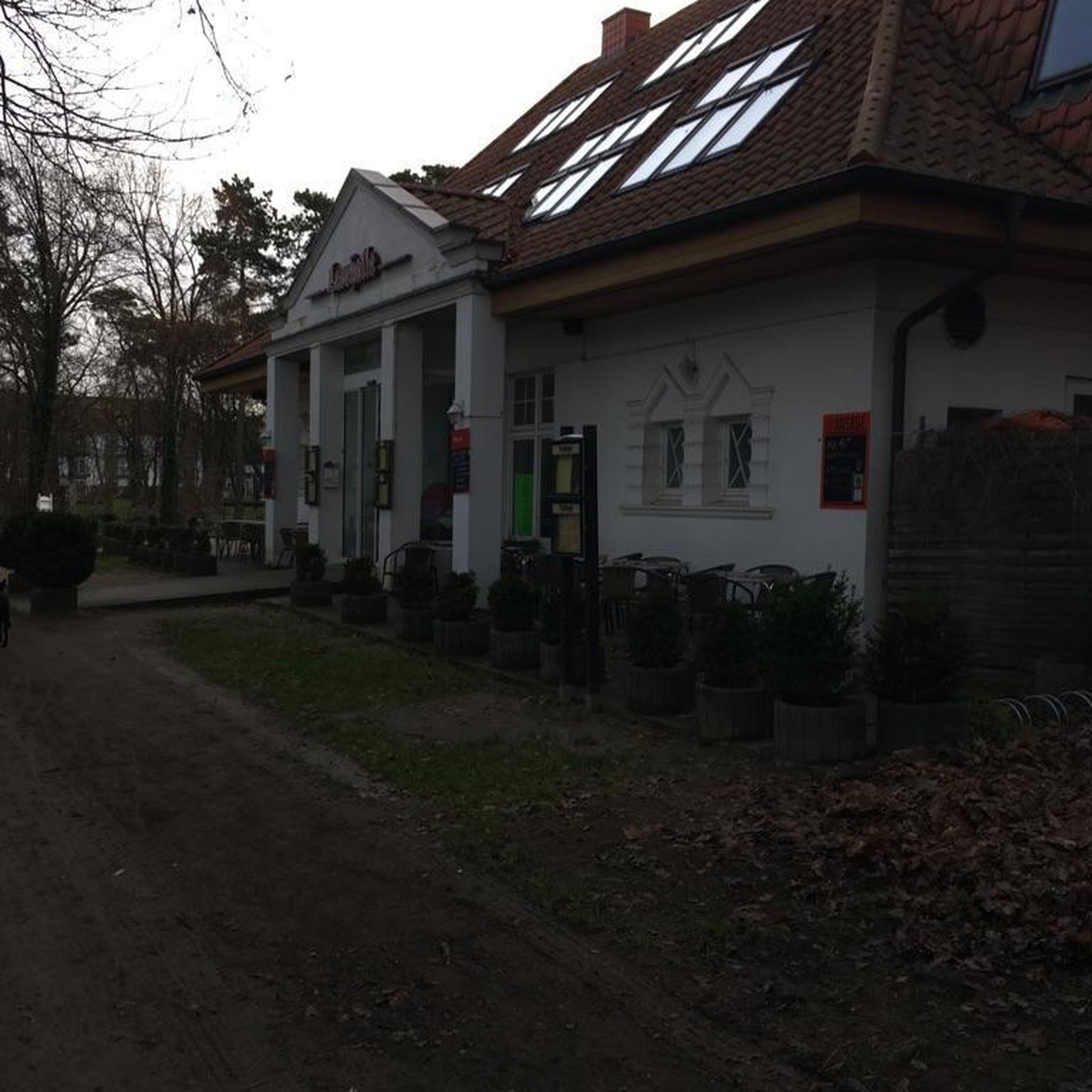
Capela de Sant'Ana is located in the city and municipality of Portalegre, in the district of the same name, in Portugal. At the entrance to the city on the south side, it is about 400 meters from the ancient walls of the Castle of Portalegre. History This temple dates back to the 18th century, according to local tradition, in the place where, in the 16th century, there was a primitive hermitage under the same name. Characteristics The interior has a single nave with the main chapel, to which four steps go up. The floor is tiled, and it has two canopies and red curtains. It has a painted ashlar from the late 18th century. On the walls there are panels on canvas framed in gilded woodwork representing: Presentation of Our Lady in the Temple Adoration of the Shepherds birth of the virgin Death of Santa Ana Virgin learning to read Holy Family Of the two existing chandeliers, only one remains. The tower rises over three round arches, and is topped by a conical dome between four pinnacles and two stonework eyelets. Source: Wikipedia consulted on 3/1/2023.
2
0
Frequently Asked Questions
What historical sites can I explore in Crato E Mártires?
The region is rich in history. You can visit the remnants of the ancient Crato Castle, which was significant for the Knights Hospitaller. Another prominent site is the Alter do Chão Castle, a magnificent medieval fortress classified as a National Monument. Don't miss the imposing 14th-century Flor da Rosa Convent, which served as the mother house of the Order of the Hospital in Portugal and now houses a Pousada and a Medieval Sculpture Center.
Are there any ancient Roman or prehistoric sites in the area?
Yes, Crato E Mártires offers glimpses into its ancient past. You can explore well-preserved megalithic dolmens like Anta do Tapadão and Anta do Crato, which date back to the Neolithic period. Vestiges of Roman occupation include bridges over the Seda and Chocanal rivers, along with remains of a Roman villa at Granja.
Where can I find the best panoramic views in Crato E Mártires?
For breathtaking panoramic views, head to the View of Castelo de Vide from Senhora da Penha. The Chapel of Nossa Senhora da Penha, built before 1570, stands atop the Serra de São Paulo at an altitude of 710 meters. The climb is rewarded with stunning vistas of the town, its castle, and distant mountains like Açor, Gardunha, and Estrela, with the River Sever marking the border.
What kind of outdoor activities are available near Crato E Mártires?
The fertile lands around Crato E Mártires are ideal for various outdoor activities. You can find numerous trails for walking, hiking, and cycling. For specific routes, explore the Hiking around Crato E Mártires guide, the MTB Trails around Crato E Mártires guide, or the Road Cycling Routes around Crato E Mártires guide.
Are there specific hiking trails I should consider?
Absolutely! The region offers diverse hiking experiences. You can explore the 'Historical Route of Flor da Rosa' (21.3 km, difficult) or shorter, easier loops like the 'Flor da Rosa Monastery loop from Flor da Rosa' (5.5 km). For more options, check out the Hiking around Crato E Mártires guide.
What about cycling opportunities in the area?
Crato E Mártires provides excellent opportunities for both mountain biking and road cycling. For MTB, routes like 'Pico de São Mamede – São Mamede Trail loop from Portalegre' (27.7 km, moderate) are available. Road cyclists can tackle challenging routes such as 'Castelo de Vide – Climb to Porto da Espada loop from Portalegre' (115.6 km, difficult). Find more details in the MTB Trails and Road Cycling Routes guides.
Is there anything related to the region's industrial past?
Yes, the Robinson Factory in Portalegre (near Crato e Mártires) is a significant symbol of Portugal's cork industry and industrial heritage. While the industrial complex is largely abandoned, a restored museum center within the former convent offers insights into its history, blending religious architecture with the memory of its industrial occupation.
Are there any religious landmarks worth visiting?
Beyond the Flor da Rosa Convent, you can visit the Chapel of Saint Anne in Portalegre, dating back to the 18th century. The Museum Center of the Church of São Francisco, housed within a restored church, also blends religious architecture with historical context. Additionally, the Igreja de Nossa Senhora dos Mártires is another significant religious site in the area.
What are some family-friendly attractions in Crato E Mártires?
The Alter do Chão Castle is a great family-friendly option, offering a chance to explore medieval history. The natural landscapes and easier walking trails also provide opportunities for families to enjoy the outdoors together. While specific family activities are not detailed, exploring historical sites and gentle walks can be enjoyable for all ages.
What natural features can I see in Crato E Mártires?
The region is characterized by rolling fields and distant mountains. The Serra de São Mamede Natural Park offers opportunities to enjoy the natural beauty. The elevated position of Senhora da Penha provides stunning vistas of the landscape, including the distant Marvão ridge and the River Sever. The area's fertile lands are perfect for exploring the scenic beauty on foot or by bike.
What do visitors enjoy the most about Crato E Mártires?
Visitors particularly appreciate the blend of historical and natural attractions. The panoramic views from places like Senhora da Penha are highly rated for their serenity and breathtaking vistas. The rich history, from medieval castles to ancient dolmens, also captivates those interested in cultural exploration. The komoot community has upvoted the attractions 11 times and shared 5 photos, highlighting the region's appeal.
Are there any hidden gems or less-known spots worth discovering?
While not widely publicized, the Roman bridges over the Seda and Chocanal rivers offer a quiet glimpse into ancient engineering. The Grao-Prior Veranda in Crato, though small, holds historical significance as the setting for the marriage of King Dom Manuel I. These spots provide a deeper connection to the region's layered past beyond the main attractions.
Most popular attractions around Crato E Mártires

Get inspired with the komoot mobile app


Explore more
Still not found the Highlight you’re looking for? See guides of the top attractions in other regions:
