The best MTB trails around Reguengo
5.0
(4)
163
riders
27
rides
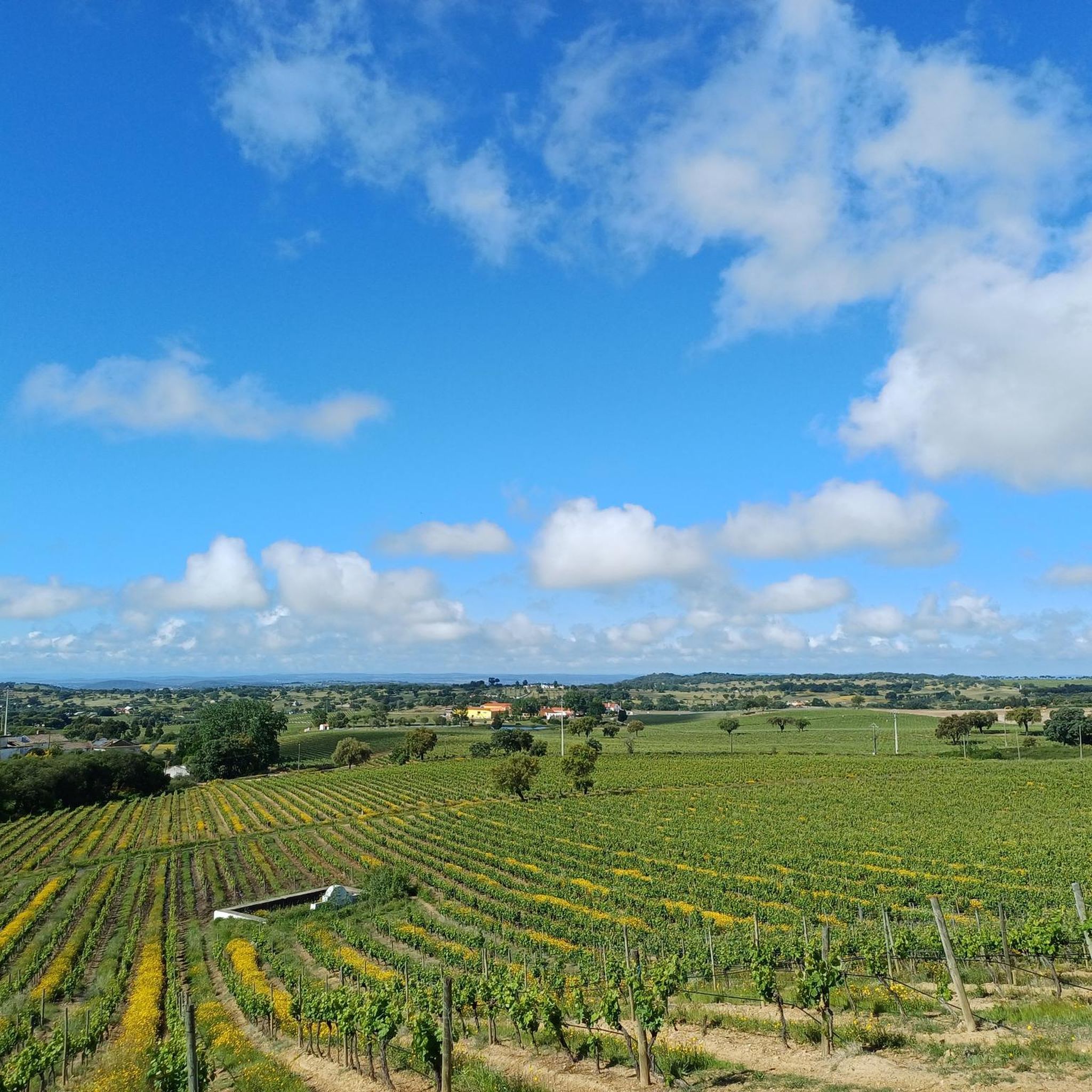
Mountain biking around Reguengo features diverse landscapes, including agricultural properties, cork oak forests, and holm oaks. The region serves as a gateway to the Serra de São Mamede Natural Park, offering varied terrain for cyclists. Many routes utilize historical paths that once connected villages, providing a blend of natural beauty and cultural heritage. The area includes dedicated cycling infrastructure, such as the Reguengo-Portalegre Cycling Centre.
Best mountain bike trails around Reguengo
- The most popular mountain bike trail is Marvão Walled Town and Castle – Marvão Castle loop from Portalegre, a 52.4 miles (84.4 km) trail that takes 7 hours 29 minutes to complete. This difficult route explores historical areas and challenging terrain.
- Another top favourite among local mountain bikers is Portalegre Castle – São Mamede Trail loop from Portalegre, a difficult 32.4 miles (52.1 km) path. This route traverses varied landscapes near Portalegre Castle and the São Mamede area.
- Local mountain bikers also love the Summit of Serra de São Mamede loop from Reguengo, a 19.5 miles (31.4 km) trail leading through the Serra de São Mamede Natural Park, often completed in about 3 hours 14 minutes.
- Mountain biking around Reguengo is defined by the Serra de São Mamede Natural Park, cork oak forests, and historical paths. The network offers options for different ability levels, from moderate to difficult routes.
- The routes in Reguengo are highly rated by the komoot community with an average score of 5.0 stars from over 4 reviews. More than 150 mountain bikers have used komoot to explore Reguengo's varied terrain.
Last updated: May 31, 2026
38
riders
85.1km
07:29
1,970m
1,970m
Hard mountain bike ride. Very good fitness required. Suitable for all skill levels.
15
riders
71.9km
06:59
1,920m
1,910m
Hard mountain bike ride. Very good fitness required. Suitable for all skill levels.

Sign up for free
11
riders
51.9km
04:39
1,250m
1,250m
Hard mountain bike ride. Very good fitness required. Suitable for all skill levels.
10
riders
Hard mountain bike ride. Very good fitness required. Suitable for all skill levels.
7
riders
31.9km
02:26
360m
360m
Moderate mountain bike ride. Good fitness required. Suitable for all skill levels.
Get access to more routes and recommendations from other explorers.
Sign up for free
Already have an account?
Our route recommendations are based on thousands of hikes, rides, and runs completed by other people on komoot.
Start today with a free account
Your next adventure awaits.
Login or Signup
Tips from the Community

For those planning to hike in the Alegrete area, the main reference route is the PR3 PTG – Percurso de Alegrete. This circular route offers a complete immersion in the Serra de São Mamede Natural Park, combining the medieval heritage of the village with montado landscapes and water lines. The Main Route (PR3 PTG) The PR3 PTG - Percurso de Alegrete is about 11.4 km long and is classified as medium/low difficulty. The recommended starting and ending point is near Fonte Nova, although many hikers start their journey in the village of Alegrete itself to explore the historic center right away. Castle and Village: The Castle of Alegrete is the (literal) highlight of the hike. Situated at about 500 meters above sea level, it offers a panoramic view of the Alentejo border region. Don't miss the Clock Tower (Torre do Relógio). Nature and Biodiversity: The trail crosses areas of cork oak montado, pine forests, and riparian areas. It is an excellent place for bird watching (such as the robin or the titmouse) and, near the water lines, you can find rare vegetation like the royal fern. Religious Heritage: During your passage through the village, you can also visit the small Chapel of Mercy (Capela da Misericórdia), which is part of the local historical complex. Practical Hiking Tips Time of Year: Avoid the months of July and August due to the extreme temperatures in the Alentejo. Autumn and spring are ideal for the colors of the vegetation and mild temperatures. In winter, be careful with the ground, which can become quite slippery on cobblestones and rocky trails. Equipment: Use footwear with good grip (the ascents and descents to the castle and river have sections of loose stones). Bring enough water, as outside the village, refueling points are scarce. Safety and Respect: Always follow the official signage (yellow and red marks).
0
0
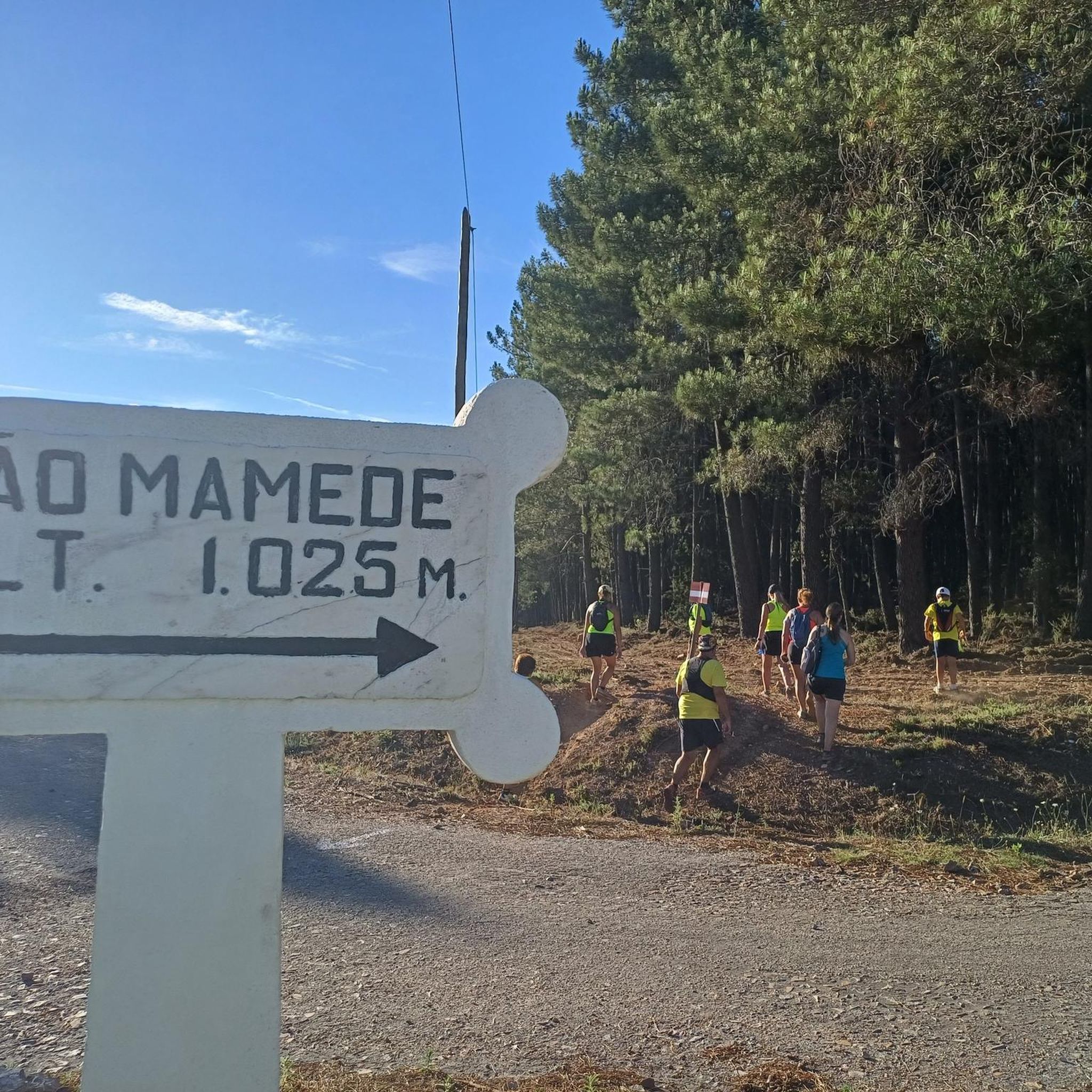
Hiking to Serra de São Mamede (1027 m), the highest point in continental Portugal south of the Tagus, offers a unique experience that combines the hardness of quartzite with the freshness of lush vegetation in the Serra de São Mamede Natural Park. The ascent rewards hikers with panoramic views that extend to the Estrela and deep into Spanish territory. For a safe and rewarding hike on this peak in Portalegre, consider the following advice: Route Planning: There are several trails leading to the summit, with the Serra de São Mamede Walking Route (PR1 PTG) being one of the most popular. The path is often rocky and steep, requiring footwear with good traction and ankle support. Water and Energy Management: The physical exertion and sun exposure, especially in the higher, unprotected areas, require you to carry sufficient water (at least 1.5L) and energy snacks. There are no reliable supply points during the ascent. Pay Attention to the Weather: The weather in the mountains can change rapidly. Even if it is sunny in the city, the summit may be shrouded in fog or strong winds. Always check the local forecast before setting off and bring a windbreaker or warm clothing. Sun Protection: Due to the altitude and sparser vegetation on the summit, UV radiation is more intense. Use sunscreen and a hat, even on cloudy days.
0
0
The castle was founded by King D. Dinis in 1290, with the aim of defending the Alentejo border. Originally, it had an imposing structure with a double ring of walls, twelve towers and eight gates. Over the centuries, it lost part of its structure to the growth of the city, but it remains a National Monument. The Keep is the best-preserved part of the original complex. Inside, there is a museum that you can visit.
1
0

A place to visit every month. It's wonderful.
2
0

Castelo do Alegrete is an imposing medieval fortress located on a rocky outcrop near the village of Alegrete, Portugal. Dating back to at least the 13th century (with probably older origins), it played a key role in defending the border with Spain. It features a large quadrilateral wall with cubic towers. Although part of the castle is in ruins, it still retains elements such as parapets, gates and arrow slits. It offers spectacular views of the surrounding landscape and is an important national monument, a testimony to the defensive history of the region.
0
0

Portalegre is a historic town in the Serra de São Mamede near the Spanish border, known for its medieval strategic role and rich religious and architectural heritage. It became a city in the 16th century under King João III. Today, it blends baroque charm with cultural landmarks like the Tapestry Museum and José Régio’s House-Museum.
0
0
The Castle of Portalegre is a medieval Portuguese castle located in the town of Portalegre. Positioned on a high point overlooking the old town, it stands out for its dark walls contrasting with whitewashed houses. Historically, it served as a key defense on the frontier with Castile.
1
1
Urban centre and municipal headquarters. Town situated on a hill on the border of Alentejo. Medieval town under the jurisdiction of a religious-military order (Order of Christ) with castle and urban enclosure. 17th-century war square integrated into the defence line of the Alentejo border.
0
0
Frequently Asked Questions
How many mountain bike trails are available around Reguengo?
There are over 28 mountain bike trails around Reguengo, offering a variety of experiences for cyclists. These routes traverse diverse landscapes, including agricultural properties, cork oak forests, and holm oaks.
Are there mountain bike trails suitable for beginners in Reguengo?
While many trails range from moderate to difficult, the Reguengo area, particularly around the Serra de São Mamede Natural Park, offers a network with options for different ability levels. It's advisable to check individual route details for elevation and technical difficulty to find a suitable trail.
What kind of terrain can I expect on mountain bike trails in Reguengo?
You can expect diverse terrain, from small agricultural properties and expansive cork oak forests to holm oaks and olive groves. Many trails utilize historical paths, providing a blend of natural beauty and cultural heritage. Some areas, like Reguengo do Fetal, feature challenging red difficulty singletracks with rock gardens.
Are there any family-friendly mountain biking options in Reguengo?
The Reguengo-Portalegre Cycling Centre manages an extensive network of gravel trails, some of which might be suitable for families depending on their length and elevation. While specific 'easy' family trails aren't detailed, the varied network means there are likely less technical routes that could be enjoyed by families.
What are some notable natural features or viewpoints along the mountain bike routes?
The region is a gateway to the stunning Serra de São Mamede Natural Park. You can find routes that lead to viewpoints like the Alto de São Mamede Summit (1,025 m). Additionally, some trails pass by natural attractions such as the Cabroeira Waterfall and the Ribeira de Arronches Waterfall.
Can I find circular mountain bike routes in Reguengo?
Yes, many mountain bike routes in Reguengo are designed as loops. For example, the Summit of Serra de São Mamede loop from Reguengo is a popular moderate trail that takes you through the natural park.
What historical attractions can I visit while mountain biking in Reguengo?
The Reguengo area is rich in history. You can explore routes that pass by or lead to historical sites. For instance, the Marvão Walled Town and Castle – Marvão Castle loop from Portalegre explores historical areas, including the Marvão Walled Town and Castle. Other nearby castles include the Marvão Castle.
What is the best time of year for mountain biking in Reguengo?
The Alentejo region, where Reguengo is located, generally offers good conditions for mountain biking outside of the hottest summer months. Spring and autumn typically provide more pleasant temperatures for longer rides, allowing you to fully enjoy the diverse landscapes.
Are there facilities available for mountain bikers in Reguengo?
Yes, the Reguengo-Portalegre area features a comprehensive Cycling Centre. This center provides useful facilities such as a repair station, bike wash, toilets, and changing rooms, enhancing the overall biking experience. The Beirã gateway to the Serra de São Mamede Natural Park also has a bike station.
What do other mountain bikers enjoy most about the trails in Reguengo?
The mountain bike trails around Reguengo are highly rated by the komoot community, with an average score of 5.0 stars. Reviewers often praise the diverse terrain, the blend of natural beauty with historical paths, and the challenging yet rewarding routes through areas like the Serra de São Mamede Natural Park.
Are there any long-distance mountain bike routes in the Reguengo area?
Yes, the Reguengo area offers several longer routes. For example, the Marvão Walled Town and Castle – Marvão Castle loop from Portalegre is a challenging 84.4 km trail, and the Cycling Centre manages gravel routes up to 81.7 km in length.
Where can I find parking for mountain biking in Reguengo?
Many routes conveniently start and end at locations like the 'Polo A - S. Mamede do Centro de Cyclin' de Reguengo', which is likely to have parking facilities. For specific trailheads, checking the individual route details on komoot will provide information on starting points and potential parking options.
Most popular attractions around Reguengo

Get inspired with the komoot mobile app


Explore more
Browse the best MTB trails in other regions.
