Top 20 Castles around Marienmünster
Best castles around Marienmünster include historical sites and former fortifications, offering insights into the region's past. Located in North Rhine-Westphalia, Germany, the area is primarily known for its historic Abbey rather than traditional castles. However, the region features historical structures that evolved from defensive fortifications to stately homes. The landscape combines religious history with architectural evolution, providing a diverse historical experience.
Best castles around Marienmünster
- The most popular castles is View of the ruins of Polle Castle, a viewpoint…
Last updated: September 26, 2026
View of the ruins of Polle Castle
Highlight • Viewpoint
Translated by Google •
Tip by

Corvey Abbey (UNESCO World Heritage Site)
Highlight • Historical Site
Translated by Google •
Tip by

Sign up now to discover places like this
Get recommendations on the best single tracks, peaks, & plenty of other exciting outdoor places.
Polle Ferry and the Castle Ruins
Highlight • Bridge
Translated by Google •
Tip by

Schieder Castle
Highlight • Castle
Translated by Google •
Tip by

Schwalenberg Town Hall
Highlight • Historical Site
de.m.wikipedia.org/wiki/Schwalenberg
Translated by Google •
Tip by
Sign up for free to discover even more castles around Marienmünster.
Already have an account?
Start today with a free account
Your next adventure awaits.
Popular around Marienmünster
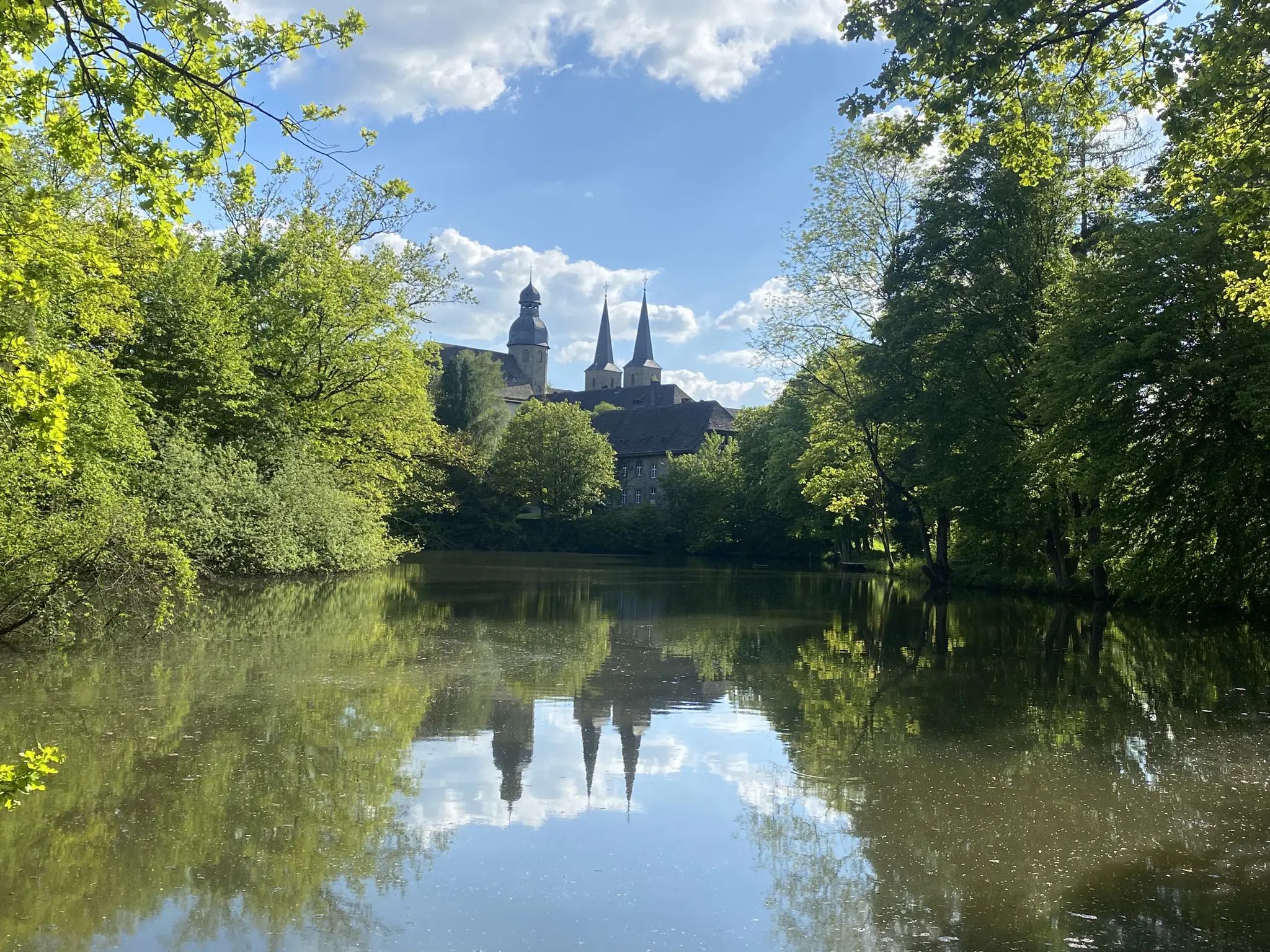
Weg der Stille - Ökumenischer Pilgerweg
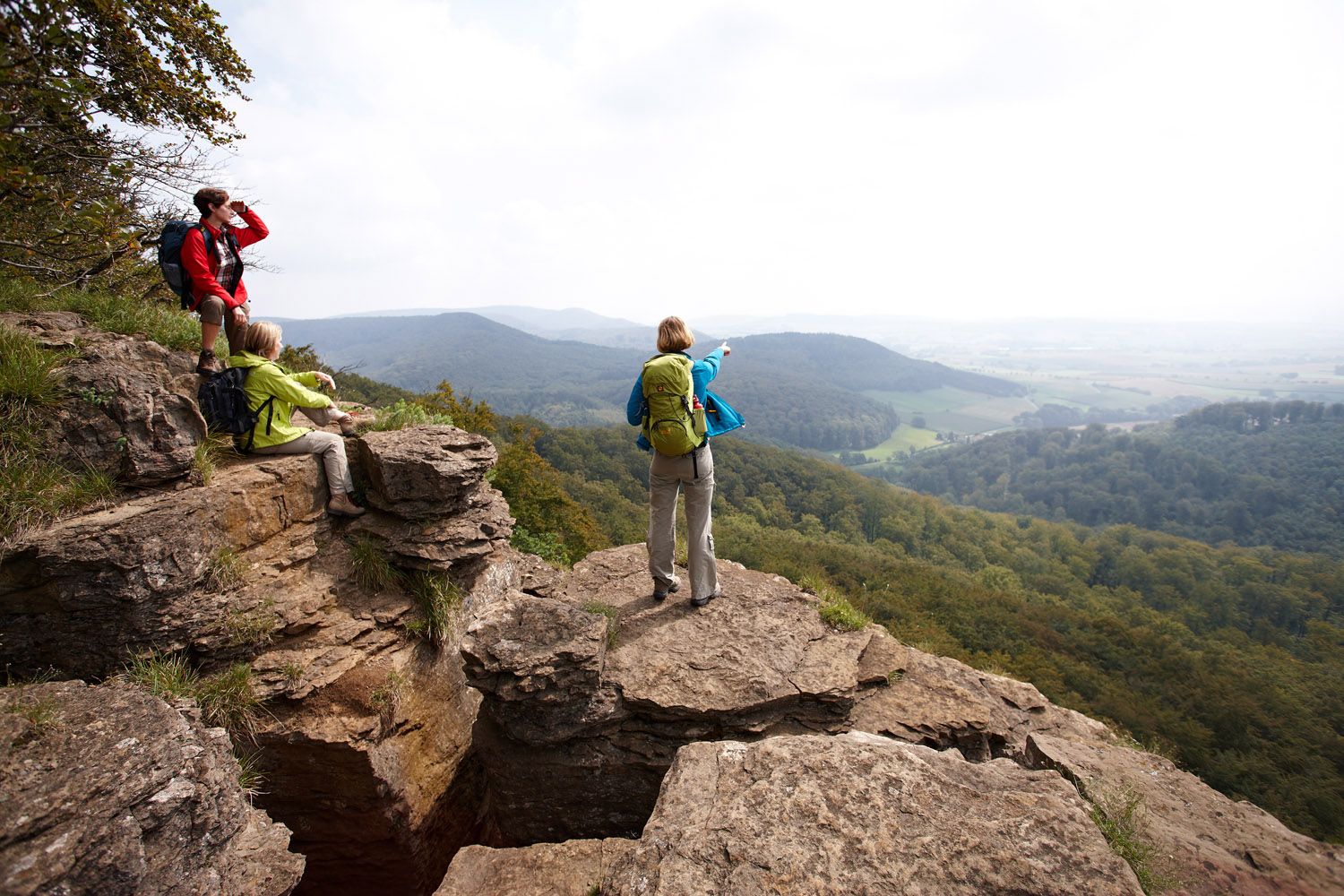
Weser Uplands Extreme – hiking for true adventurers
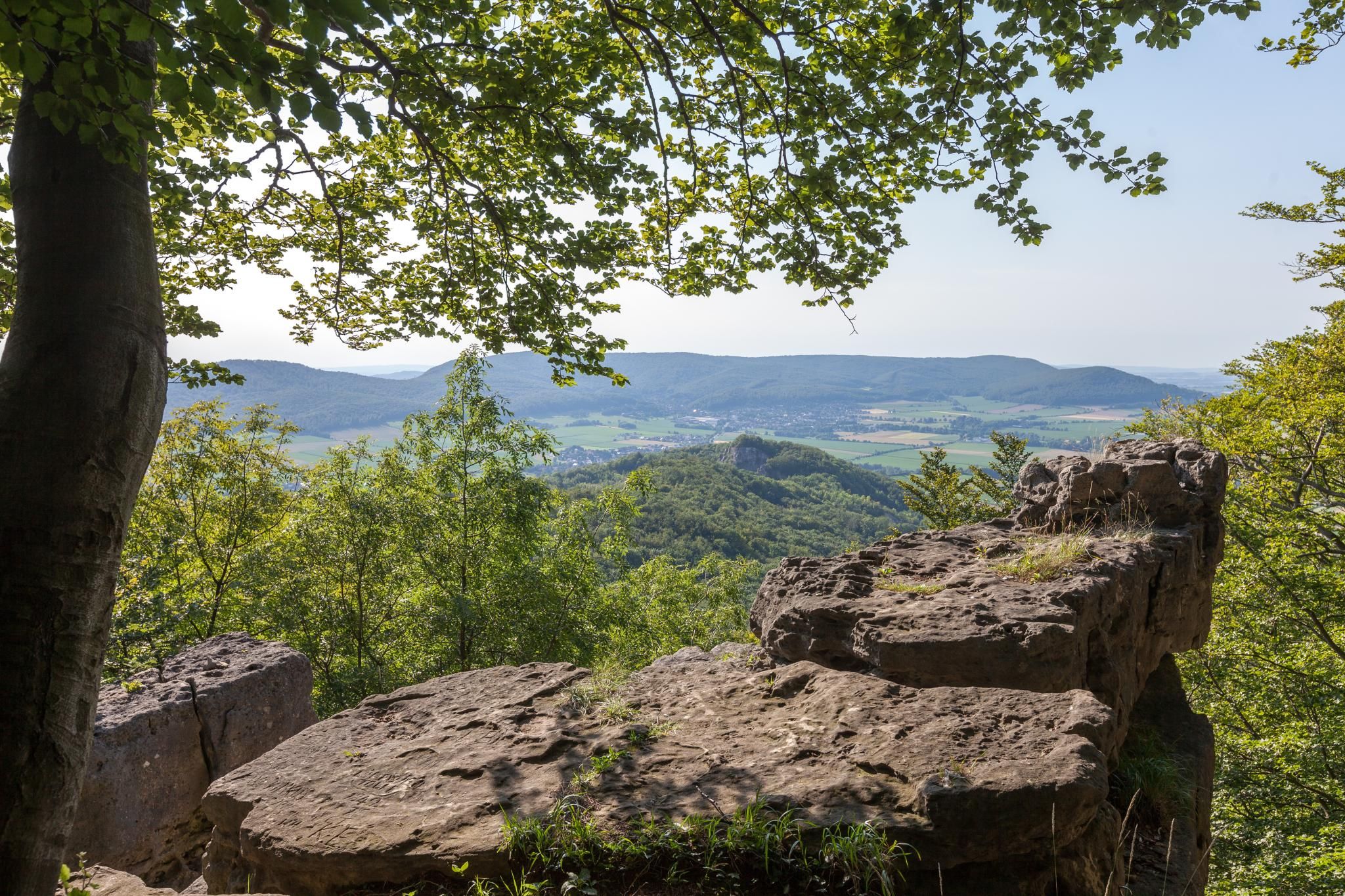
High up on cliffs and viewpoints in the Weserbergland region
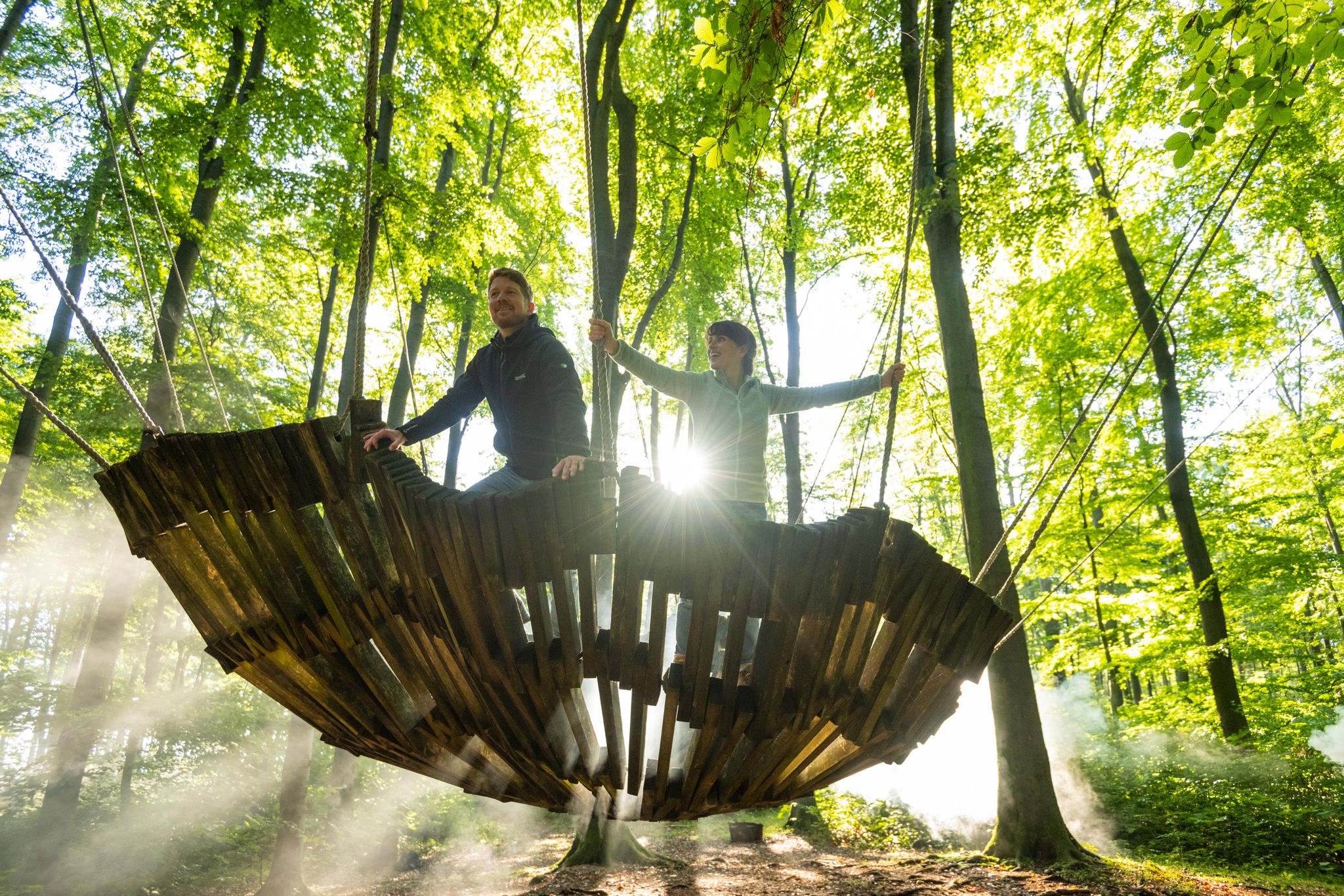
Experience art and history – Germany’s Teutoburg Forest trails
Exquisite nature – beloved routes in the cultural region of Höxter
On the way on the Kloster-Garten-Route
Kulturland Höxter Genuss-Touren
Qualität trifft auf Erlebnis – 5-Sterne-Wandern im Teutoburger Wald
Hiking around Marienmünster
Cycling around Marienmünster
Other adventures around Marienmünster


Tips from the Community

Magnificent building constructed in 1579 in the Weser Renaissance style.
2
0

Beautiful grounds, quite large park. At the beginning of the park, there is a very long incline that only ends outside of the town.
1
0

<< Schwalenberg Town Hall >> "The Schwalenberg Town Hall, with its richly carved facade, is an important example of the half-timbered architecture of the Weser Renaissance. The current building complex consists of four parts: The gable-fronted core building from 1579 was extended on the left side in 1603 by an extension with the council chamber. In 1853, an extension made of quarry stone masonry was added to the rear, while in 1907/08 an extension was added on the right side. The facade facing the street consists of a projecting, carved gable with round-arch openings on the ground floor. The arbor-like arch position suggests that it was used as an open market hall. The parapets of the core building are decorated with fan rosettes, lacing rolls, coats of arms, Justitia, lion and griffin. Low German inscriptions with religious and secular content can be found on the threshold beams. The The extension from 1603 fits into the half-timbered construction of the core building, but differs in its decorative forms: various decorative elements from the Renaissance such as egg-shaped and dentil decoration as well as plant tendrils that merge into heads and figures (based on Italian models). The town hall was renovated at the beginning of the 20th century. In 1988-90 the interior was rebuilt and renovated." Author: baukunst-nrw editorial team, August 29, 2012 https://www.baukunst-nrw.de/objekte/Rathaus-Schwalenberg--2361.htm
2
0

There are some castles along the way, but rarely a ruin. It catches the eye and you have a good view of it from the opposite side.
13
0

Artist town Schwalenber with historic town hall
4
0

The town hall is a half-timbered building worth seeing
2
0

Beautiful view of Polle and the castle.
12
1

Entrance 12 euros if you want to see everything.
14
0
Frequently Asked Questions
What historical sites can I explore around Marienmünster, given it's not primarily known for traditional castles?
While Marienmünster is more renowned for its historic Abbey than traditional castles, the region offers several significant historical sites. The Marienmünster Abbey itself is a major landmark, featuring impressive Baroque architecture and cultural events. You can also visit the Manor House Vörden, a Baroque manor built on the site of a former castle. Further afield, notable sites include Corvey Abbey (UNESCO World Heritage Site), a 1,200-year-old former Benedictine monastery, and Schieder Castle, known for its Dutch classicism architecture.
What is the historical significance of Marienmünster Abbey?
The Marienmünster Abbey is the most significant historical and cultural landmark in the area. Founded in 1128, it served as a Benedictine monastery until 1803. It features a magnificent Baroque abbey church with the famous Johann-Patroclus-Möller organ. The Abbey grounds frequently host concerts, exhibitions, and workshops, and the FORUM Abtei provides information about the local 'monastery landscape'.
Are there any sites that were once defensive fortifications?
Yes, the Manor House Vörden, dating back to 1730, was constructed on the site of a former castle. In the early 14th century, Marienmünster's Abbot Hermann von Mengersen fortified Vörden with a castle, walls, ramparts, and moats for protection. Today, it showcases the evolution from a defensive structure to a stately home.
What are some of the most popular historical sites to visit around Marienmünster?
Among the most appreciated sites are the View of the ruins of Polle Castle, which offers a rest area directly at the Weser ferry, and Corvey Abbey (UNESCO World Heritage Site), an impressive 1,200-year-old former Benedictine monastery. Visitors also enjoy Schwalenberg Town Hall, a very well-preserved half-timbered building.
Are there family-friendly historical sites or activities in the area?
Many of the historical sites around Marienmünster are considered family-friendly. For instance, View of the ruins of Polle Castle, Corvey Abbey, and Schieder Castle are all categorized as family-friendly. The cultural events at Marienmünster Abbey can also be engaging for families.
What natural features or viewpoints can I find near these historical sites?
The region offers scenic views and natural settings. The View of the ruins of Polle Castle is a viewpoint directly at the Weser ferry. Polle Ferry and the Castle Ruins also provide a wonderful view of Polle and its castle ruins from the quiet eastern bank of the Weser. The Abbey itself is set in peaceful gardens, offering a serene environment.
What outdoor activities can I do near the historical sites around Marienmünster?
The area around Marienmünster is excellent for outdoor activities, particularly hiking and cycling. You can find easy hikes like the 'Tengelbecke Ford Crossing – Niese floodplain loop' or the 'Marienmünster Abbey loop'. For more challenging hikes, consider the 'On the way on the Niesetalweg' or the 'Hungerberg-Oldenburg panorama trail'. Cyclists can explore routes like the 'Cycle Path Bredenborn–Vörden' or the 'View of the Schiedersee – Schwalenberg Town Hall loop'. You can find more details on these routes in the easy hikes, general hiking, and road cycling guides for Marienmünster.
Are there hiking trails that connect to or pass by these historical sites?
Yes, several hiking trails are available. For example, the 'Marienmünster Abbey loop' is an easy hike that takes you around the Abbey. The 'Hungerberg-Oldenburg panorama trail' offers scenic views and passes through historical landscapes. You can explore various options, including easy, moderate, and difficult trails, in the hiking guide for Marienmünster.
What do visitors appreciate most about the historical sites in this region?
Visitors frequently praise the well-preserved historical architecture, the serene environments, and the cultural richness of the sites. For instance, the Schwalenberg Town Hall is noted for its very well-preserved half-timbered building, and Corvey Abbey is described as a beautiful, romantic place ideal for a rest. The community has shared over 500 photos and given more than 2400 upvotes to these historical highlights.
Are there cafes or facilities available near these historical sites?
Yes, some sites offer facilities. For example, View of the ruins of Polle Castle has a rest area. Schieder Castle includes a cafe, and the Abbey grounds at Marienmünster often have event spaces and a visitor center (FORUM Abtei) which may offer amenities.
What is the best season to visit the historical sites around Marienmünster?
While specific seasonal advice isn't provided for all sites, the region's historical sites and surrounding natural beauty can be enjoyed throughout the year. Spring and summer are ideal for exploring the gardens and outdoor events at Marienmünster Abbey and for hiking or cycling. Autumn offers beautiful foliage, and even winter can be charming for quiet visits, especially to indoor attractions like the Abbey church.
Most popular routes around Marienmünster
Most popular attractions around Marienmünster

Get inspired with the komoot mobile app


Explore more
Looking for the best castles somewhere else? Discover other guides around Marienmünster:
