The best road cycling routes around Santo Tirso
4.6
(33)
2,144
riders
28
rides
Road cycling routes around Santo Tirso are set within Portugal's Porto District, characterized by green landscapes and the Ave River. The region offers varied terrain, including rolling hills and river valleys, suitable for road cycling. This area combines natural scenery with historical and cultural landmarks, providing diverse backdrops for rides. The routes often feature paved surfaces, with some segments potentially including cobblestone sections.
Best road cycling routes around Santo Tirso
- The most popular road cycling route is Chapel of Senhor…
Last updated: July 31, 2026
5.0
(2)
113
riders
72.4km
03:43
770m
770m
Moderate road ride. Good fitness required. Mostly well-paved surfaces and easy to ride.
5.0
(1)
66
riders
56.4km
03:09
1,030m
1,030m
Hard road ride. Very good fitness required. Mostly well-paved surfaces and easy to ride.

Sign up for free
41
riders
Moderate road ride. Good fitness required. Some segments of this route may be unpaved and difficult to ride.
41
riders
85.5km
04:01
830m
830m
Moderate road ride. Good fitness required. Mostly well-paved surfaces and easy to ride.
5.0
(1)
35
riders
38.6km
02:09
680m
680m
Moderate road ride. Good fitness required. Mostly well-paved surfaces and easy to ride.
Get access to more routes and recommendations from other explorers.
Sign up for free
Already have an account?
Our route recommendations are based on thousands of hikes, rides, and runs completed by other people on komoot.
Start today with a free account
Your next adventure awaits.
Login or Signup

Tips from the Community

The church is an active place of worship, with regular opening hours for visitors and worshippers. Location: Rua da Igreja, 4480-754 Vila do Conde, Portugal. Opening Hours: Daily (Monday to Sunday): 9:30 AM to 12:00 PM and 3:00 PM to 7:30 PM. Masses: For accurate information on Mass times, it is recommended to visit the parish's official website or call directly, as times may vary. Accessibility: The church has wheelchair accessible entrance and parking.
1
0
Architecture and History Construction of the church began in the last years of the 15th century, by order of King Manuel I. The architectural design combines elements of Gothic and Renaissance architecture, in addition to the predominant Manueline style, especially evident in its magnificently sculpted main portal. The interior has beautiful stained glass windows and altars with gilded carvings, which are worth a detailed visit. The church is located on top of a hill where the original Monastery of Santa Clara and the old parish church were situated.
1
0
The Church of St. John the Baptist of Vila do Conde, also known as the Parish Church of Vila do Conde, is one of the city's most important monuments and one of the most significant examples of the Manueline style (late Portuguese Gothic) in the country. It was classified as a National Monument in 1910.
1
0
Nearby Tourist Attractions Ave Riverbank Promenade: A riverside walkway, ideal for relaxing strolls. Monte Padrão Hillfort: Ancient ruins for those interested in history and archaeology.
1
0
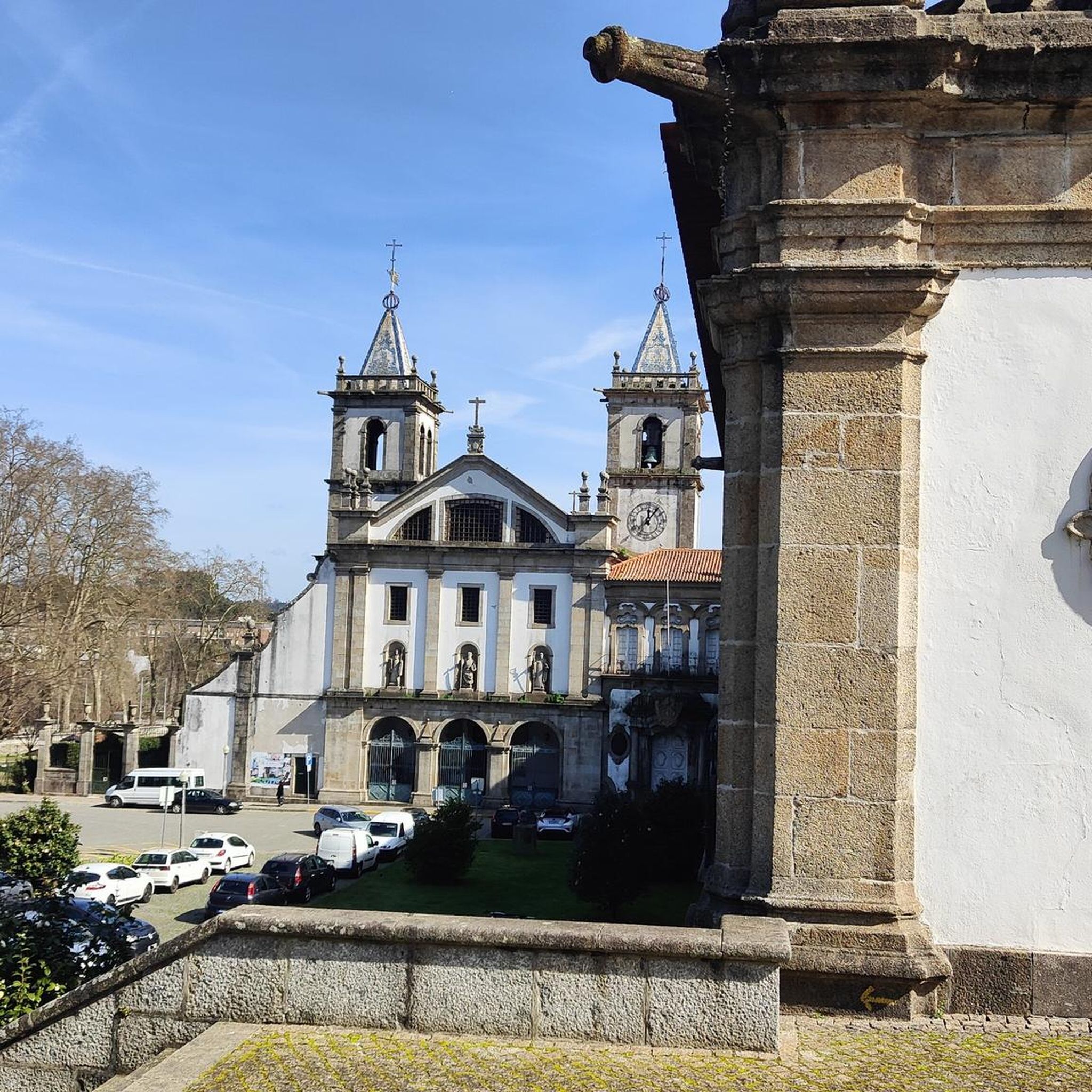
Highlights and Architecture Main Church: Built between 1659 and 1679, the monastery church is an imposing example of local religious architecture. Cloisters: The monastery has serene cloisters, one of which still displays a Gothic sculpture of the Virgin and Child in one of the corners. Cloister Fountain: In the center of the cloister stands a slender granite fountain with a polylobed basin, dating from 1649. Style: Over the centuries, the monastery has been rebuilt, combining Baroque and Neoclassical elements.
1
0
Opening Hours and Visits The monastery is open for visits, but guided tours of the cloisters and other areas (besides the church) generally require prior booking by telephone with the Santo Tirso City Hall office. General Hours (Church): Daily (Monday to Sunday): 08:00–12:00 and 15:00–19:00. Accessibility: The entrance and parking are wheelchair accessible.
1
0
The Monastery of São Bento, also known as the Monastery of Santo Tirso, is located on the left bank of the Ave River, in the city of Santo Tirso, Portugal. Founded in 978, it belonged to the Benedictine Order and was one of the most powerful monasteries in Portugal. Currently, it is classified as a National Monument.
1
0

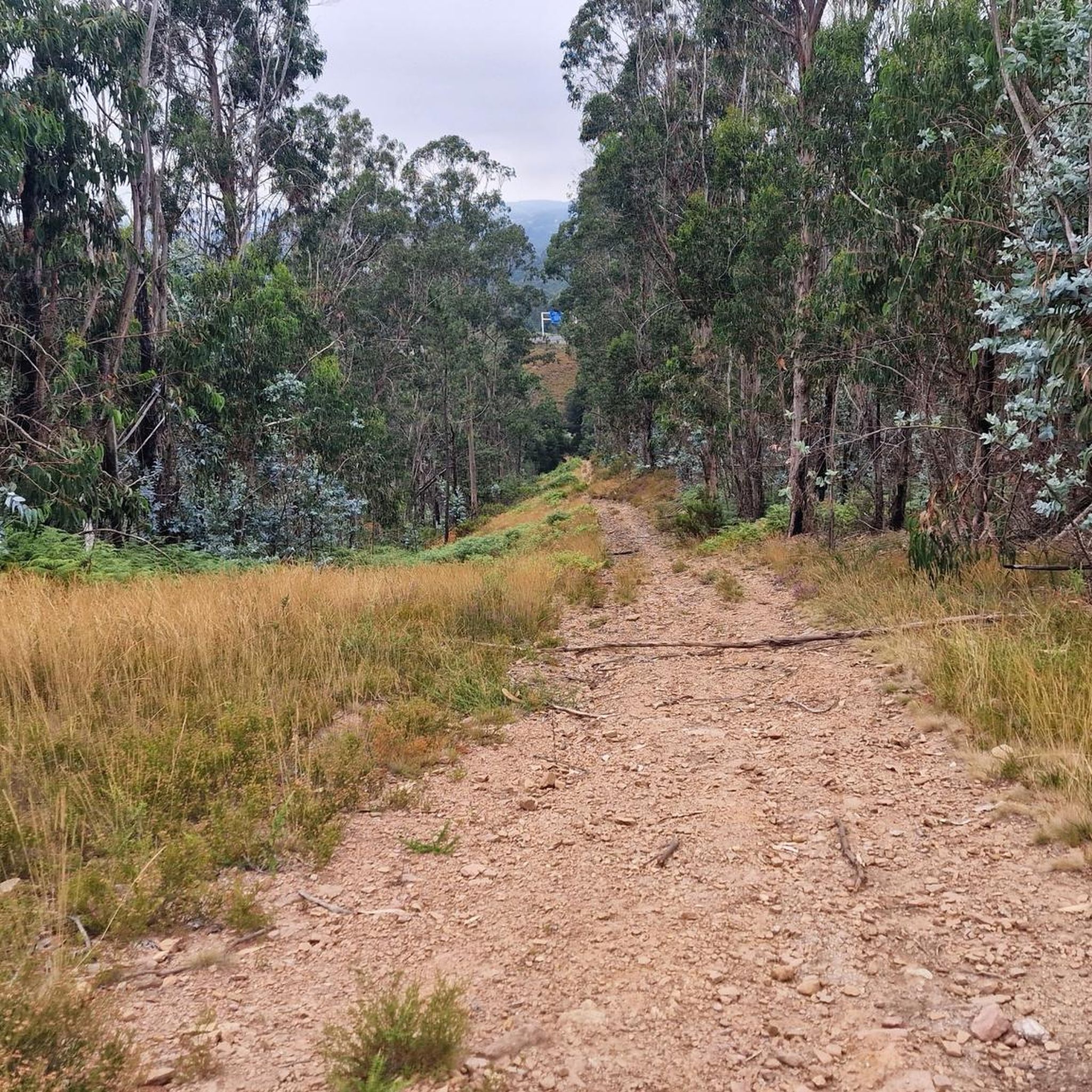
Excellent trail, very good for cycling, quite long. In the heat, there are several shady spots for resting.
0
0
Frequently Asked Questions
How many road cycling routes are available in Santo Tirso?
There are over 30 road cycling routes around Santo Tirso, catering to various skill levels. This includes 1 easy route, 18 moderate routes, and 12 difficult routes, ensuring options for every cyclist.
What is the best season for road cycling in Santo Tirso?
The optimal seasons for road cycling in Santo Tirso are spring and autumn. During these times, temperatures are most comfortable, allowing you to fully appreciate the region's natural beauty and cultural heritage without extreme heat or cold.
Are there easy road cycling routes suitable for beginners in Santo Tirso?
Yes, Santo Tirso offers at least one easy road cycling route. While many routes are moderate, there are options designed for those looking for a less strenuous ride, allowing beginners to enjoy the scenic landscapes.
Are there challenging road cycling routes for experienced cyclists in Santo Tirso?
Absolutely. For experienced cyclists seeking a challenge, Santo Tirso features 12 difficult road cycling routes. These routes often include significant elevation gains and longer distances, providing a demanding and rewarding experience.
What kind of terrain can I expect on road cycling routes around Santo Tirso?
Road cycling routes around Santo Tirso are characterized by diverse terrain, including rolling hills and river valleys. The region features green landscapes and mostly paved surfaces, though some segments may include cobblestone sections, adding variety to your ride.
Are there circular road cycling routes in Santo Tirso?
Yes, many of the road cycling routes in Santo Tirso are circular loops. For example, the Famalicão Cycle Path – Quincentennial Carrack loop from Antiga Estação de Santo Tirso is a 46.0-mile circular trail that takes you through green landscapes.
What scenic viewpoints or natural attractions can I see while road cycling?
You can encounter several natural attractions. The Leça River Waterfalls offer a refreshing natural break. The region's green landscapes and river valleys provide continuous scenic views throughout your ride.
Are there historical sites along the road cycling routes in Santo Tirso?
Yes, Santo Tirso's routes often pass by significant historical and cultural landmarks. You might encounter sites like the Monastery of Saint Benedict, Santo Tirso, a notable Benedictine monastery, or the Alvarelhos Hillfort, an ancient settlement.
Are there dedicated cycle paths for road cycling in Santo Tirso?
Yes, some routes utilize dedicated cycle paths. For instance, the Famalicão Cycle Path – Igreja de Santa Luzia loop from Antiga Estação de Santo Tirso incorporates a dedicated cycle path, offering a smoother and often safer riding experience.
What do other road cyclists enjoy most about road cycling in Santo Tirso?
The area is highly rated by the komoot community, with an average score of 5.0 stars from over 6 reviews. Cyclists often praise the diverse terrain, the combination of natural scenery with historical sites, and the well-maintained routes that offer options for all ability levels.
Are there any routes that connect to major landmarks or cities outside Santo Tirso?
Yes, some routes extend to connect with significant landmarks. The Chapel of Senhor da Pedra (Chapel of the Lord of the Rock) – Dom Luís I Bridge loop from Santo Tirso is a popular route that connects cultural sites with views towards the iconic Dom Luís I Bridge.
What is a good moderate-difficulty route for road cycling in Santo Tirso?
A good moderate-difficulty option is the Rest Area on N207 – Pedestrian Bridge over the Ave River loop from Santo Tirso. This route covers approximately 24.6 miles (39.6 km) with a moderate elevation gain, offering a balanced ride through the region's landscapes.
Most popular routes around Santo Tirso
Most popular attractions around Santo Tirso

Get inspired with the komoot mobile app


Explore more
Browse the best Road cycling routes in other regions.
