Attractions and Places To See around São Salvador Do Campo - Top 20
Best attractions and places to see around São Salvador Do Campo blend historical significance with natural beauty and cultural experiences. This area, formerly a civil parish and now integrated into a larger municipality within Santo Tirso, Portugal, offers a diverse landscape. Visitors can explore ancient sites, serene riverwalks, and cultural points of interest. The region is characterized by its historical landmarks and accessible outdoor activities.
Best attractions and places to see around São Salvador Do Campo
- The most popular attractions is Oliveira Square, Guimarães, a historical site that is a charming attraction in the historic center of Guimarães. It features an ancient olive tree, a Gothic chapel, and the Church of Nossa Senhora de Oliveira.
- Another must-see spot is Church of the Consolation and the Holy Steps, a religious building with imposing architecture. Visitors can expect to see an early 18th-century church with two towers and a classical altarpiece.
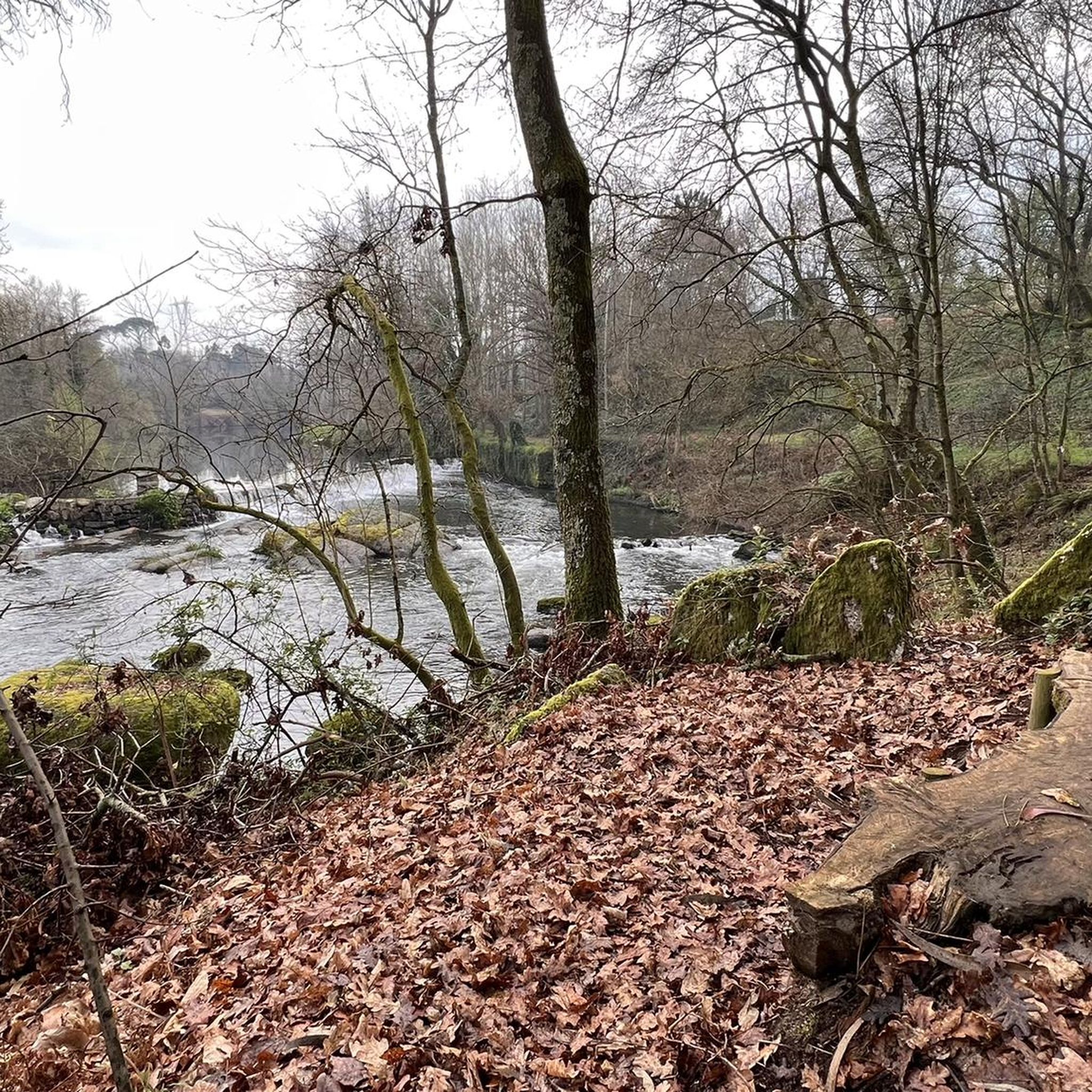
- Visitors also love Rio Vizela Boardwalks, a trail approximately 11.4 km long. This low-difficulty route is suitable for families and is accessible for people with reduced mobility, leading along the banks of the Vizela River to the Rompecias Waterfall.
- São Salvador Do Campo is known for its historical sites, religious buildings, and natural trails. The area offers a variety of attractions to see and explore, from ancient monasteries to riverside walkways.
- The attractions around São Salvador Do Campo are appreciated by the komoot community, with more than 79 photos and over 85 upvotes, showcasing their appeal to outdoor enthusiasts.
Last updated: May 20, 2026
Oliveira Square, Guimarães
Highlight • Historical Site
Tip by

Church of the Consolation and the Holy Steps
Highlight • Religious Site
Translated by Google •
Tip by

Sign up now to discover places like this
Get recommendations on the best single tracks, peaks, & plenty of other exciting outdoor places.
Sign up for free
Rio Vizela Boardwalks
Highlight (Segment) • Trail
Inaugurated on March 16, 2024, these new walkways begin next to the Roman Bridge, in the Maquias area, and continue under the D. Luís I Bridge, towards the Parque das Termas and the riverside promenade. At the confluence of the Ribeira de Sá with the Vizela River, the path heads south, along the bank of the stream, and enters the parish of Santa Eulália, one of the most interesting parts of the route. The walk ends at the incredible Rompecias Waterfall, also known as the Requeixos Waterfalls.
Translated by Google •
Tip by

Monastery of Saint Benedict, Santo Tirso
Highlight • Religious Site
Translated by Google •
Tip by

Praça de São Tiago
Highlight • Settlement
Tip by

Sign up for free to discover even more attractions around São Salvador Do Campo.
Sign up for free
Already have an account?
Start today with a free account
Your next adventure awaits.
Login or Signup



Tips from the Community

Nearby Tourist Attractions Ave Riverbank Promenade: A riverside walkway, ideal for relaxing strolls. Monte Padrão Hillfort: Ancient ruins for those interested in history and archaeology.
1
0
Highlights and Architecture Main Church: Built between 1659 and 1679, the monastery church is an imposing example of local religious architecture. Cloisters: The monastery has serene cloisters, one of which still displays a Gothic sculpture of the Virgin and Child in one of the corners. Cloister Fountain: In the center of the cloister stands a slender granite fountain with a polylobed basin, dating from 1649. Style: Over the centuries, the monastery has been rebuilt, combining Baroque and Neoclassical elements.
1
0
Opening Hours and Visits The monastery is open for visits, but guided tours of the cloisters and other areas (besides the church) generally require prior booking by telephone with the Santo Tirso City Hall office. General Hours (Church): Daily (Monday to Sunday): 08:00–12:00 and 15:00–19:00. Accessibility: The entrance and parking are wheelchair accessible.
1
0
The Monastery of São Bento, also known as the Monastery of Santo Tirso, is located on the left bank of the Ave River, in the city of Santo Tirso, Portugal. Founded in 978, it belonged to the Benedictine Order and was one of the most powerful monasteries in Portugal. Currently, it is classified as a National Monument.
1
0

Santiago Square, also known as São Tiago Square (Portuguese: Praça de Santiago), is a medieval city square in Guimarães. It is part of the UNESCO World Heritage Site of the historic center of Guimarães. According to tradition, the Apostle James (São Tiago in Portuguese) brought an image of the Virgin Mary to Guimarães and placed it in a pagan temple in a square that was later named St. Tiago Square. Santiago Square is mentioned in numerous documents over several centuries and has retained many of its medieval features to this day. The now romanticized and photogenic medieval houses were once considered squalid and unhygienic. The space they occupied was long regarded as an "undignified" place.
2
0

Beautiful view of the church.
1
1

A beautiful paved hiking trail for the whole family. Also accessible with a stroller.
0
0
Largo da Oliveira Square owes its name to an ancient olive tree that once stood on this site. The still existing fence, with a small replacement tree, bears the year 1342. Surrounded by pretty, typically northern Portuguese houses, the square is the ideal starting point for exploring the city's streets on foot. The square also boasts several interesting landmarks: to the west, a curious little Gothic chapel, Padrão do Salado, dating from the time of King D. Afonso IV, which commemorates the Battle of Salado. There, in 1340, Portuguese and Castilian forces jointly defeated the forces of the Moorish king of Granada. Directly behind it lies the Church of Nossa Senhora de Oliveira (also known as the Colegiada). It is the first Gothic monument built in the Minho region. On the right side of the square, you can still see the former medieval town hall, with a stone sculpture that, according to tradition, represents Guimarães. Below, Gothic arcades lead to Largo S. Tiago, one of the city's most characteristic squares. https://www.visitportugal.com/de/NR/exeres/9FD0C908-905C-4119-8821-A155EC3C4CEB
2
1
Frequently Asked Questions
What are some easy and accessible outdoor activities around São Salvador do Campo?
For an easy and accessible outdoor experience, consider the Rio Vizela Boardwalks. This approximately 11.4 km linear round-trip route along the Vizela River is low difficulty, suitable for families, and adapted for people with reduced mobility. You can also find several easy hiking trails, such as the "Water Fountain – Crédito Agrícola A. Lavradores loop from Paços de Ferreira" or the "Monte da Senhora da Assunção loop from Couto (São Miguel)", which are detailed in the Easy hikes around São Salvador Do Campo guide.
Are there any historical sites or ancient ruins to explore?
Yes, the region is rich in history. You can visit the Monastery of Saint Benedict, Santo Tirso, a National Monument founded in 978 with impressive architecture. Another significant site is the Monte Padrão Hillfort (Castro do Monte Padrão), an archaeological site and nature reserve with remains from the Iron Age through the Late Middle Ages, including ancient dwelling structures and fortification walls. For more details on the monastery, you can visit Wikipedia.
What cultural attractions can I find in the area?
Santo Tirso, near São Salvador do Campo, offers several cultural points of interest. The Museu Municipal Abade Pedrosa, located near the Monastery of São Bento, showcases local history and culture, including artifacts from archaeological sites. Additionally, Santo Tirso is known for its outdoor contemporary art, with over 50 works displayed throughout the town at the Museu Internacional de Escultura Contemporânea.
Are there any natural waterfalls or parks to visit?
Absolutely. You can discover the Quedas da Fervença, a natural waterfall in the Monte Córdova region, offering a refreshing natural escape. For parks, Parque D. Maria II in Santo Tirso is a central green space featuring a lake, a bandstand, and a beautiful waterfall, accessible via a staircase from the Monastery of São Bento. The Rio Vizela Boardwalks also lead to the Rompecias Waterfall (Requeixos Waterfalls).
What is the best time of year to visit São Salvador do Campo for outdoor activities?
While outdoor activities can be enjoyed year-round, the region's climate is generally pleasant for exploration. If you're interested in local festivities, the Festas de São Bento, one of the Norte region's significant religious festivals, takes place in the five days leading up to July 11th, offering a vibrant cultural experience alongside outdoor pursuits.
Are there any family-friendly attractions or walks suitable for children?
Yes, the Rio Vizela Boardwalks are highly recommended for families. This route is of low difficulty and is even accessible with a stroller, making it perfect for a leisurely walk along the river. Many of the parks, like Parque D. Maria II, also offer pleasant environments for families.
Where can I find running trails near São Salvador do Campo?
There are several running trails available. You can explore routes like the "Vizela Thermal Park loop from Vizela" or a "Running loop from São Salvador do Campo." These and other options are detailed in the Running Trails around São Salvador Do Campo guide, offering various distances and difficulty levels.
What do visitors enjoy most about the attractions in this area?
Visitors particularly appreciate the blend of historical charm and natural beauty. The historic centers, like Oliveira Square, Guimarães, are praised for their rustic stone buildings and charming atmosphere. The Rio Vizela Boardwalks are loved for being a beautiful, paved hiking trail suitable for the whole family, including those with strollers. The imposing architecture of religious buildings like the Church of the Consolation and the Holy Steps also receives positive remarks.
Can I visit the Monastery of Saint Benedict, Santo Tirso, and what are its opening hours?
Yes, the Monastery of Saint Benedict, Santo Tirso is open for visits. The main church is generally open daily from 08:00–12:00 and 15:00–19:00. For guided tours of the cloisters and other areas, it's recommended to book in advance by telephone with the Santo Tirso City Hall office. The entrance and parking are wheelchair accessible.
Are there any specific historical churches worth visiting?
Beyond the Monastery of São Bento, you can visit the Church of the Consolation and the Holy Steps, an early 18th-century church known for its imposing architecture and classical altarpiece. Another notable historical church is Igreja de São Pedro de Roriz, an early 13th-century Romanesque church that was part of an 11th-century monastery.
What kind of hiking trails are available around São Salvador do Campo?
The area offers a variety of hiking trails, ranging from easy to difficult. You can find routes like the "Rio Vizela Boardwalks loop from Vizela" (moderate) or longer, more challenging options such as the "Azenha Velha Waterfall – Igreja de Riba d'Ave loop from Penedo" (difficult). For a comprehensive list and details, refer to the Hiking around São Salvador Do Campo guide.
Is there a central square or historic area to explore on foot?
While São Salvador do Campo itself is a former civil parish, nearby Guimarães offers charming historic squares. Oliveira Square, Guimarães, is a beautiful historic center with rustic stone buildings, an ancient olive tree, and a Gothic chapel. Another key medieval square is Praça de São Tiago, known for its numerous restaurants and preserved medieval features.

Get inspired with the komoot mobile app


Explore more
Still not found the Highlight you’re looking for? See guides of the top attractions in other regions:
