Attractions and Places To See around Muro - Top 20
Best attractions and places to see around Muro include a mix of historical landmarks, cultural sites, and outdoor activity areas. This region features ancient bridges, historic monasteries, and dedicated spaces for mountain biking. Visitors can explore sites reflecting centuries of history alongside modern recreational facilities. The area offers diverse points of interest for those seeking both cultural insights and active pursuits.
Best attractions and places to see around Muro
- The most popular attractions is Dom Zameiro Bridge, a bridge…
Last updated: May 20, 2026
Dom Zameiro Bridge
Highlight • Bridge
Translated by Google •
Tip by

ProjetoPEDAL Short Track Circuit
Highlight • MTB Park
The route is the usual place for classes/training at Projetopedal academy.
Translated by Google •
Tip by

Sign up now to discover places like this
Get recommendations on the best single tracks, peaks, & plenty of other exciting outdoor places.
Sign up for free
Mosteiro de Leça do Balio
Highlight • Religious Site
Translated by Google •
Tip by

Monument to the Triumph of the People of Maia
Highlight • Monument
Translated by Google •
Tip by
Angeiras Orbitur Campsite
Highlight • Rest Area
Translated by Google •
Tip by

Sign up for free to discover even more attractions around Muro.
Sign up for free
Already have an account?
Start today with a free account
Your next adventure awaits.
Login or Signup

Tips from the Community

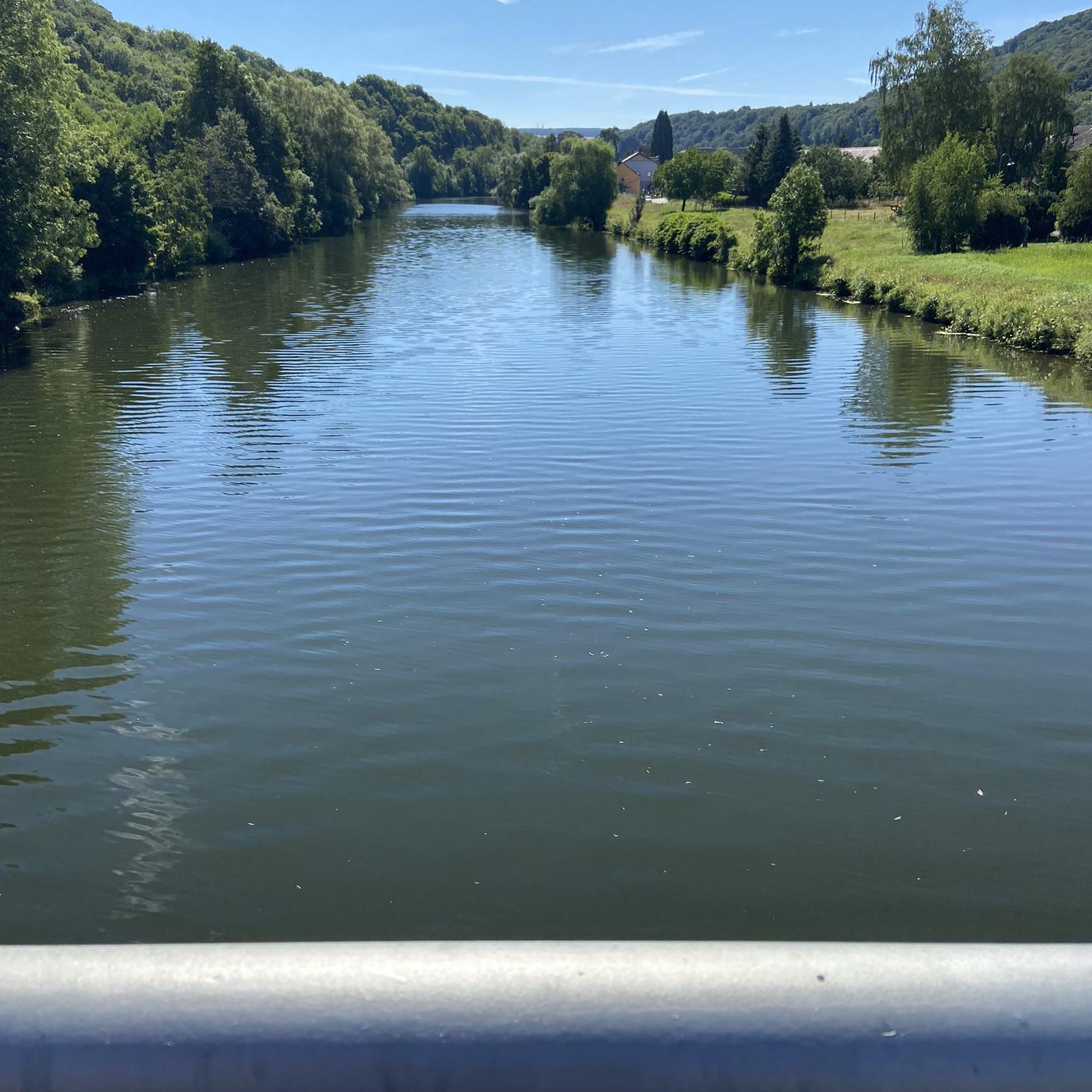
The Dom Zameiro Bridge crosses the Ave River in a bucolic setting of vineyards and fields, connecting the parishes of Bagunte and Macieira da Maia. Although reminiscent of Roman architecture, its origins date back to the 12th or 13th centuries. Part of the old Via Veteriz, the medieval road that connected Porto to Barcelos and Esposende, it continues to welcome pilgrims today, with a small resting place. Windmills and a rural house complete the serene picture of a place where time seems to slow down.
1
0


Based on the classic concept of the Arc de Triomphe in three volumes, it nevertheless reflects the simplicity and rectitude of the people of Maia when it uses smooth planes and rectilinear shapes. The side volumes, contrary to what is normal, have openings in a different direction from the central volume, which evokes a pluralism of visions and perspectives that has always been the prerogative of the Maiatos, as well as a unified vision of development, regardless of the cardinal point of the Maia territory. The raw materials also evoke two of its basic characteristics: bronze, which recalls religiosity, but also strength, tenacity and resistance, the paradigm of which is that of church bells; gold recalls the nobility of the Maiatos, but also the dominant colour of the corn cobs, a source of food and the wealth of this fertile land. The three volumes correspond to three fundamental pillars of the Maiata idiosyncrasy: religiosity, work and rural popular culture. The insertion of volumes with rectilinear shapes in a circular space such as the roundabout evokes the foreseen and planned rupture that Maia has experienced since the 1970s, which led to the municipality, from a very modest plan, becoming one of the five most important municipalities in the country, ceasing to be a rural municipality to become truly urban, without however losing the positive aspects of rurality: work, honesty, spirit of sacrifice, volunteerism, love for the land. These characteristics were the reason for the triumph of the people of Maia. A triumph that is embodied and embodied in some immortal winners, such as Lidador, Viscount Barreiros and Doctor José Vieira de Carvalho, as will be in the future all those who are capable, today, of learning from these examples and of building the future based on the foundations of the work and example of these builders of Maia. It celebrates the selfless effort of our People in the construction of our Land, and expresses the triumph of their work, which is clearly evident in the development that the municipality is experiencing.
1
0
This unique equestrian statue was created by the sculptor Lima de Carvalho and was inaugurated on July 9, 1984, as a tribute to the knight Gonçalo Mendes da Maia, one of the glorious soldiers who fought alongside D. Afonso Henriques for the independence and territorial expansion of Portugal. A hero of the Foundation of the Nationality, the first King of Portugal named him his Adeantado (leader of the troops). The nickname “O Lidador” is due to the many victories he achieved in battles against the Moors. Born in 1079, in his youth he was a turbulent and passionate nobleman, and died at the age of 90, fighting the Moors in the Battle of Ourique.
0
0
Monastery of Leça, in this place there was a Roman temple and the church of Santa Maria de Leça do Balio was built there, and fortified and classified as a national monument since 23 June 1910. In the possession of the Hospitalarios it received expansions and renovations that gave it its character military, the wedding of King D. Fernando with D.Leonor Teles was celebrated here. It was currently completely rebuilt by the Lello Foundation
0
0


The mobile homes are also popular with pilgrims as a place to stay.
3
1

Small circuit designed for the initiation and development of mountain biking. Nicknamed "short track" due to the characteristics of the mtb modality, the: XCC. The route is the usual place for classes/training at Projetopedal academy. It is precisely Academia do Projetopedal that designed, built and maintains this small circuit, implemented in municipal and private land, between the soccer field of Desportivo do Leça do Balio and the corridor of Rio Leça. The route is mostly signposted with small signs indicating orientation and changes in direction. If you liked the trail and would like to help maintain it, please get in touch with Projetopedal.com.
2
0
Frequently Asked Questions
What historical sites can I explore around Muro?
The Muro area offers several historical attractions. You can visit the ancient Dom Zameiro Bridge, which dates back to the 12th or 13th centuries and is part of the old Via Veteriz. Another significant site is the Mosteiro de Leça do Balio, a fortified monastery with Roman origins that has been rebuilt and holds national monument status. Additionally, the Monument to the Triumph of the People of Maia celebrates the region's history and local identity.
Are there any religious buildings to visit in the Muro area?
Yes, the Mosteiro de Leça do Balio is a prominent religious building with a rich history. Originally a Roman temple site, it was later fortified and became a significant monastery where historical events, such as the wedding of King D. Fernando, took place.
What kind of outdoor activities are available near Muro?
Muro offers diverse outdoor activities. You can enjoy mountain biking at the ProjetoPEDAL Short Track Circuit, which is designed for training and development. The region also has numerous routes for cycling, hiking, and running. For more details on routes, you can explore the Cycling around Muro, Easy hikes around Muro, and Running Trails around Muro guides.
Can I find family-friendly attractions in Muro?
Absolutely. The ProjetoPEDAL Short Track Circuit is considered family-friendly, offering a safe environment for mountain biking initiation. The Mosteiro de Leça do Balio is also noted as family-friendly, providing a historical and cultural experience. For accommodation, the Angeiras Orbitur Campsite offers facilities suitable for families.
Are there accessible attractions for visitors with mobility needs?
Yes, the Monument to the Triumph of the People of Maia is noted as wheelchair accessible, allowing a broader range of visitors to appreciate this significant landmark.
Where can I go for a walk or hike near Muro?
The Muro area offers several options for walking and hiking. You can find easy hikes like the Ecocaminho routes, with distances ranging from 2.6 km to 7.2 km. For more detailed information and route options, refer to the Easy hikes around Muro guide.
Are there cycling routes available around Muro?
Yes, the region around Muro is well-suited for cycling. You can find routes like the 'Parque das Azenhas (Trofa) – Bridge over the Ave River loop' or longer, more challenging rides such as the 'Aqueduto de Santa Clara – Quincentennial Carrack loop'. Explore these and more in the Cycling around Muro guide.
What natural features can I see while exploring Muro?
While exploring, you can appreciate the natural setting around the Dom Zameiro Bridge, which crosses the Ave River amidst vineyards and fields, offering a serene, bucolic landscape. The area also features various ecocaminhos and trails that allow you to experience the local natural environment.
What do visitors enjoy the most about Muro's attractions?
Visitors appreciate the blend of history and nature. The Dom Zameiro Bridge is loved for its tranquil setting and historical significance, often serving as a resting place for pilgrims. The ProjetoPEDAL Short Track Circuit is valued for its well-maintained mountain biking facilities. Overall, the community has shared over 40 photos and given more than 110 upvotes, highlighting the diverse appeal of the region's attractions.
Is there accommodation available near the attractions?
Yes, the Angeiras Orbitur Campsite is an option for accommodation. It offers mobile homes, a swimming pool, a restaurant, and a small supermarket, making it a convenient stay for visitors, including pilgrims.
Are there running trails around Muro?
Yes, Muro offers several running trails. You can find routes like the 'Ecocaminho da Maia loop' or longer, more challenging options such as the 'Lidador Statue – Ecocaminho Brandinhães–Souto loop'. For detailed routes and distances, check the Running Trails around Muro guide.
What is the ProjetoPEDAL Short Track Circuit?
The ProjetoPEDAL Short Track Circuit is a small, dedicated mountain biking circuit. It's designed for beginners and for developing mountain biking skills, often used for classes and training by the Academia do Projetopedal. It's known for being well-maintained and signposted.

Get inspired with the komoot mobile app


Explore more
Still not found the Highlight you’re looking for? See guides of the top attractions in other regions:
