The best road cycling routes around Malta
4.5
(38)
2,295
riders
65
rides
Road cycling routes around Malta offer a diverse landscape for exploration, characterized by its hilly topography and extensive coastline. The island's compact size allows cyclists to traverse varied scenery, from rural areas to dramatic cliffs. The terrain includes jagged coasts in the southwest and north, contrasted with flatter beaches in the east and northeast, providing varied challenges.
Best road cycling routes around Malta
- The most popular road cycling route is Saint Michael of Arcos Bridge – Fão Bridge loop from…
Last updated: October 7, 2026
59
riders
82.0km
03:52
720m
720m
Moderate road ride. Good fitness required. Some segments of this route may be unpaved and difficult to ride.
35
riders
43.8km
02:02
360m
360m
Moderate road ride. Good fitness required. Mostly well-paved surfaces and easy to ride.

27
riders
60.5km
02:48
430m
430m
Moderate road ride. Good fitness required. Some segments of this route may be unpaved and difficult to ride.
24
riders
49.9km
02:21
570m
570m
Moderate road ride. Good fitness required. Mostly well-paved surfaces and easy to ride.
4.0
(2)
24
riders
23.5km
01:07
110m
110m
Easy road ride. Great for any fitness level. Mostly well-paved surfaces and easy to ride.
Get access to more routes and recommendations from other explorers.
Already have an account?
Our route recommendations are based on thousands of hikes, rides, and runs completed by other people on komoot.
Start today with a free account
Your next adventure awaits.
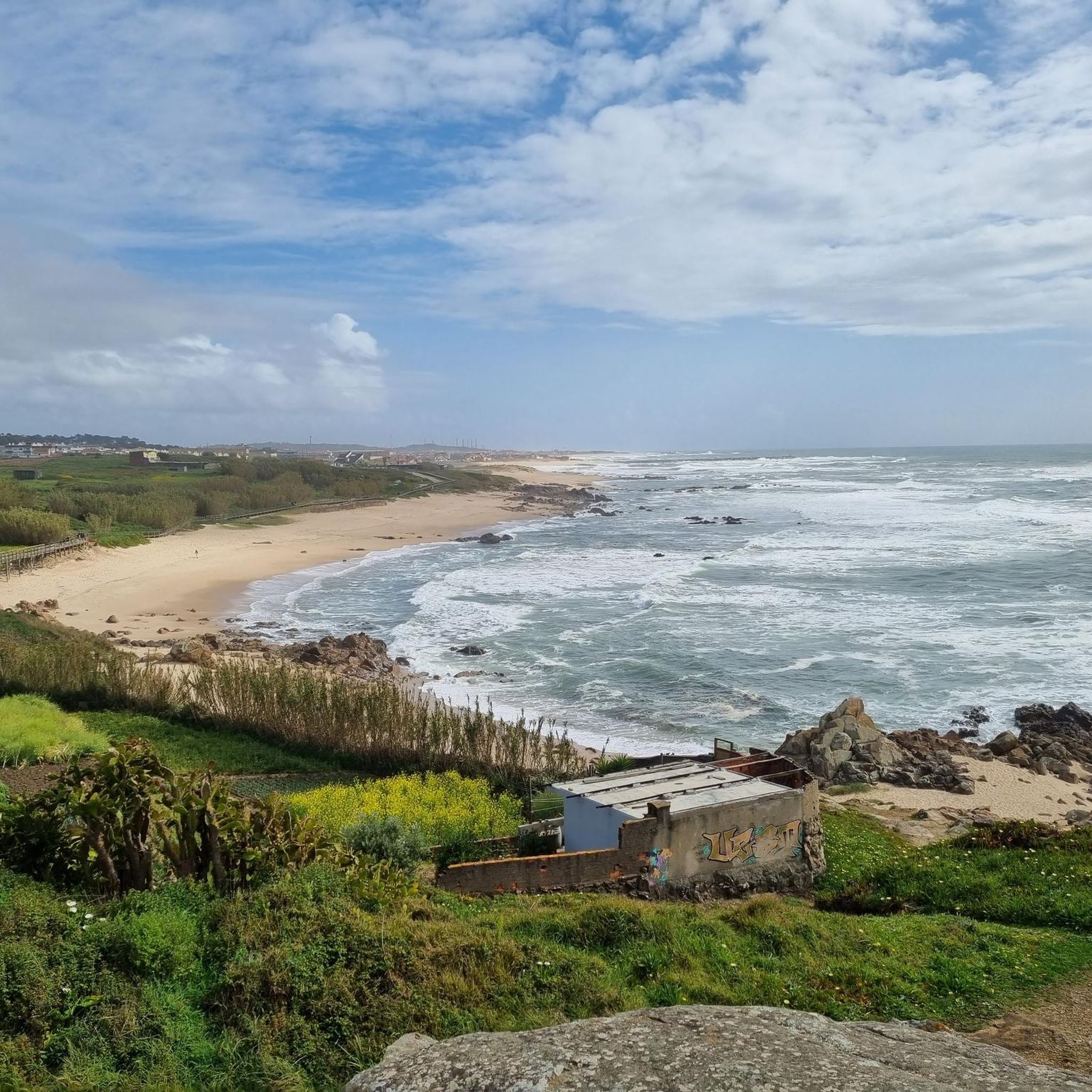
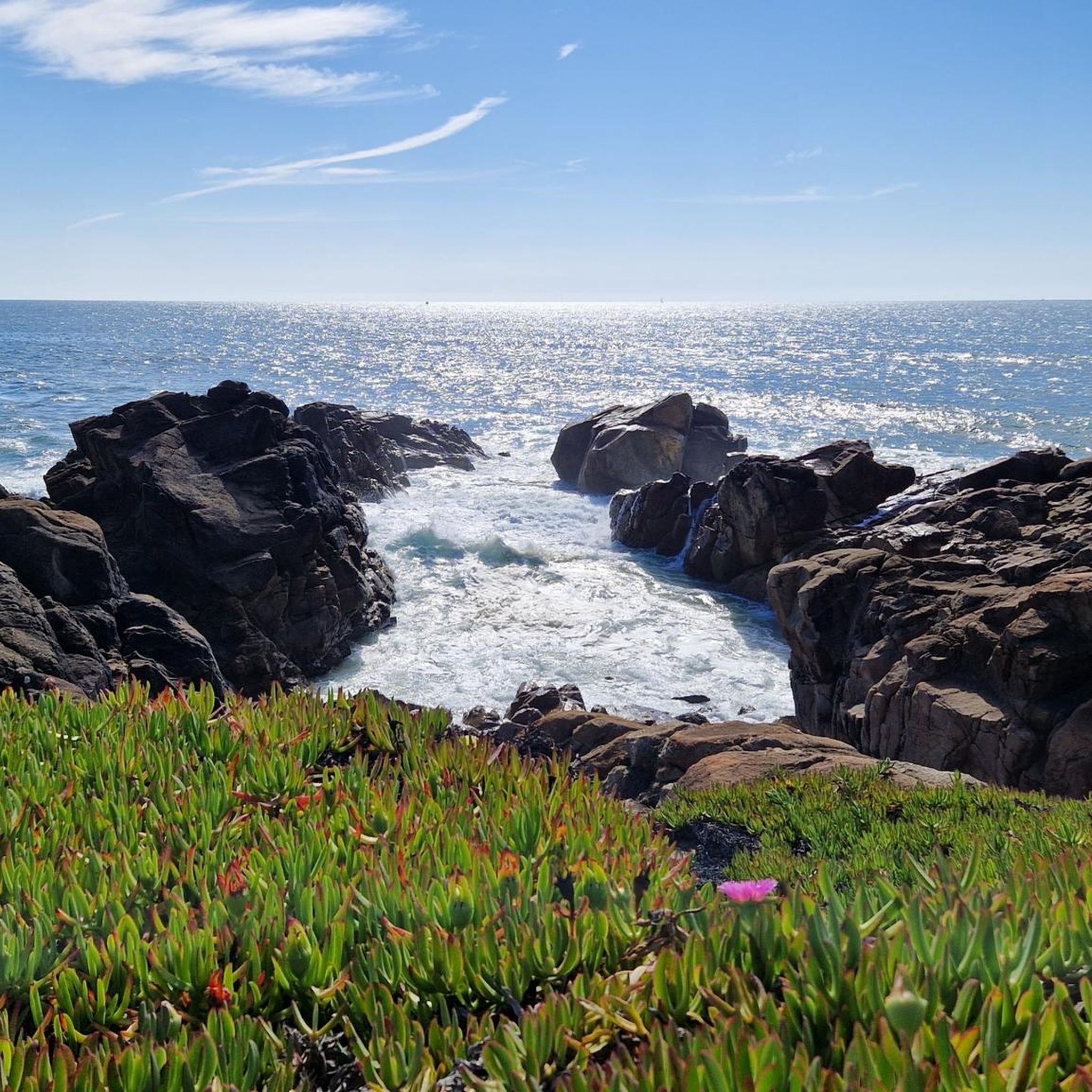
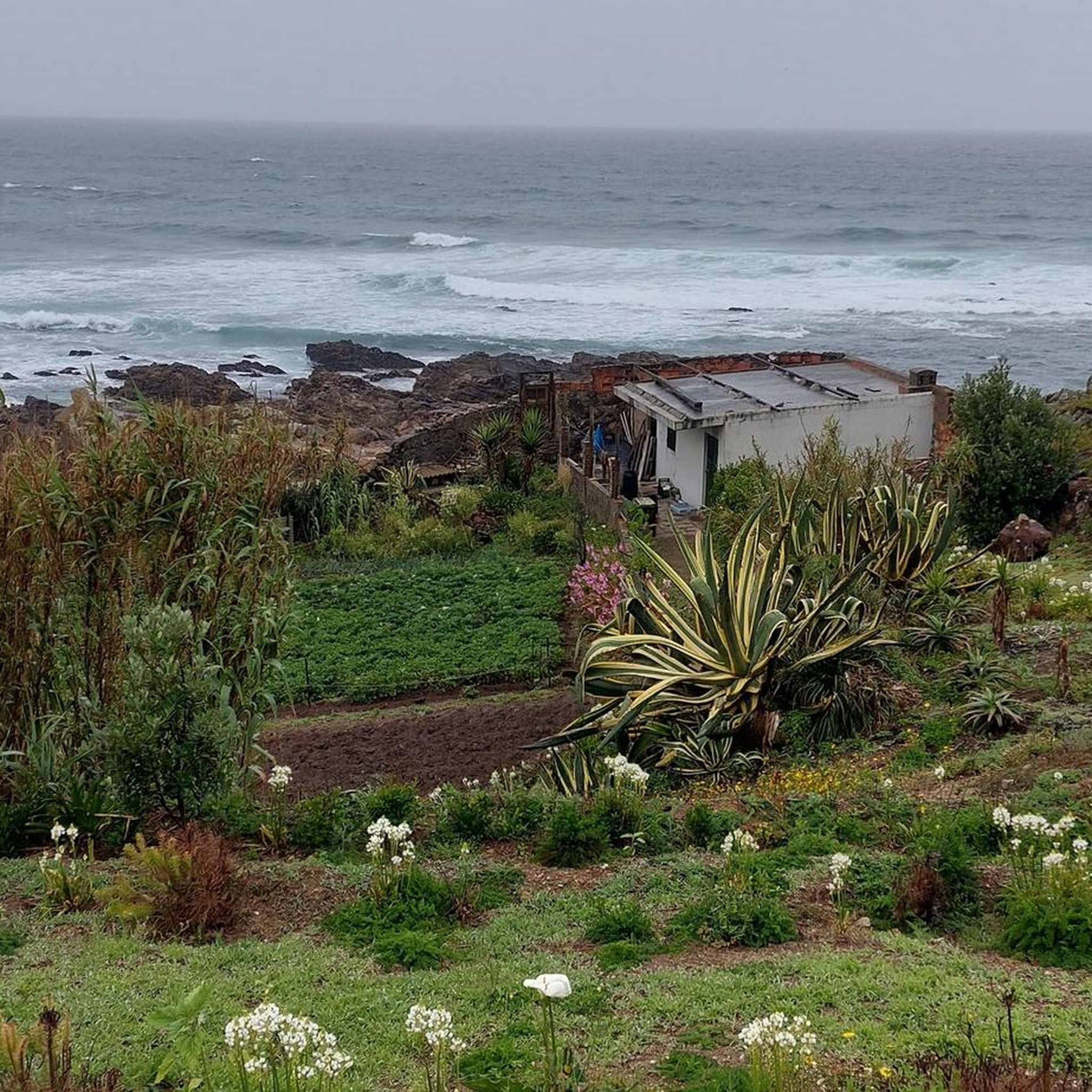
Tips from the Community

Its realy a nice place to walk past. It hase a grat view and we can see how the portugess culture is.
0
0

enjoy your stay there in Vilarinhõ
0
0

The Metal Bridge of Fão (Esposende) Location: It crosses the Cávado River, on National Road 13 (EN13), in the parish of Fão, in Esposende. Alternative Name: It is frequently referred to as the D. Luís Filipe Bridge. History: It is a significant example of iron architecture in Portugal, inaugurated on August 7, 1892. Characteristics: The bridge, which is a Property of Public Interest, has an extensive metal structure and has recently been rehabilitated.
2
0
In Esposende, the main historical bridge that crosses the Cávado River is the Ponte Metálica de Fão, also known locally as Ponte D. Luís Filipe.
2
0
The church is an active place of worship, with regular opening hours for visitors and worshippers. Location: Rua da Igreja, 4480-754 Vila do Conde, Portugal. Opening Hours: Daily (Monday to Sunday): 9:30 AM to 12:00 PM and 3:00 PM to 7:30 PM. Masses: For accurate information on Mass times, it is recommended to visit the parish's official website or call directly, as times may vary. Accessibility: The church has wheelchair accessible entrance and parking.
1
0
Architecture and History Construction of the church began in the last years of the 15th century, by order of King Manuel I. The architectural design combines elements of Gothic and Renaissance architecture, in addition to the predominant Manueline style, especially evident in its magnificently sculpted main portal. The interior has beautiful stained glass windows and altars with gilded carvings, which are worth a detailed visit. The church is located on top of a hill where the original Monastery of Santa Clara and the old parish church were situated.
1
0
The Church of St. John the Baptist of Vila do Conde, also known as the Parish Church of Vila do Conde, is one of the city's most important monuments and one of the most significant examples of the Manueline style (late Portuguese Gothic) in the country. It was classified as a National Monument in 1910.
1
0

In Arcos, the highlight is its charming Romanesque bridge: the Ponte de São Miguel de Arcos, or simply Ponte de Arcos. It's estimated that this medieval bridge's origins date back to the 12th century. After years of supporting road traffic, it was freed from that burden in 2018 and is now pedestrian-only. A peaceful crossing with centuries of history beneath your feet.
1
0
Frequently Asked Questions
How many road cycling routes are available in Malta?
Malta offers over 70 road cycling routes, catering to various skill levels. These routes explore the island's diverse landscapes, from coastal paths to rural areas and dramatic cliffs.
What kind of terrain can I expect on Malta's road cycling routes?
Malta's road cycling routes are characterized by a hilly topography and extensive coastline. You'll encounter varied terrain, including climbs that offer significant elevation gain, as well as scenic coastal roads and rural landscapes. The island's small size means you can experience a wide range of scenery in a single ride.
Are there any easy road cycling routes suitable for beginners or families in Malta?
Yes, Malta has routes suitable for easier rides. For example, the Praia de Hotel loop from Mindelo is an easy 26.9 km route with moderate elevation gain, perfect for a more relaxed experience. The west coast of Malta is also noted for family-friendly cycling with numerous tarmac routes along the ocean.
What are some challenging road cycling routes in Malta?
For those seeking a challenge, Malta's hilly terrain provides ample opportunity. Routes like the Saint Michael of Arcos Bridge – Fão Bridge loop from Modivas Sul, a moderate 81.8 km route with over 720 meters of elevation gain, offer a significant workout. The island's topography ensures that many routes include demanding climbs.
What are the best times of year for road cycling in Malta?
Malta's mild winters and sunny days make it possible to enjoy road cycling almost year-round. Spring and autumn offer ideal conditions with pleasant temperatures. Summers can be very hot, so early morning or late afternoon rides are recommended if cycling during this season.
What interesting landmarks or natural features can I see along Malta's road cycling routes?
Malta's routes often pass by stunning natural and historical sites. You can cycle past dramatic cliffs like Dingli Cliffs, explore ancient cities such as Mdina, or visit picturesque fishing villages like Marsaxlokk. Specific attractions include the Wooden Walkway Along the Portuguese Coastal Way, the Memorial Obelisk, and the São Paio Chapel.
Are there circular road cycling routes available in Malta?
Yes, many of Malta's road cycling routes are designed as loops, allowing you to start and end at the same point. Examples include the Quinta Alferes de Cristo – Chapel of São Brás loop from Modivas Centro and the Arrábida Pier – Leça Vertical Lift Bridge loop from Modivas Centro, offering convenient options for exploration.
What do other road cyclists enjoy most about cycling in Malta?
The road cycling experience in Malta is highly rated by the komoot community, with an average score of 4.6 stars from over 30 reviews. Cyclists often praise the diverse scenery, from coastal views to rural landscapes, and the opportunity to explore historical sites and natural features while riding.
Is public transport accessible for reaching road cycling routes in Malta?
Malta's small size means that many areas are accessible. While dedicated cycling infrastructure is limited, cyclists are permitted to use bus lanes, though caution is advised due to traffic conditions. The government is working on improving cycling connectivity, including projects like the Grand Harbour cycling network.
Are there any specific areas known for less crowded road cycling routes in Malta?
While Malta is a popular destination, exploring the sister island of Gozo offers a more rustic and potentially less crowded experience, especially during the low season. Its coastal loop provides breathtaking views and a chance to discover hidden coves and ancient citadels away from the main island's bustle.
Can I find cafes or places to stop for refreshments along the road cycling routes?
Yes, Malta's villages and towns, often connected by cycling routes, provide opportunities for refreshment stops. For instance, a route culminating in Marsaxlokk offers the chance to enjoy fresh seafood. Exploring areas like Mdina or Valletta also provides access to various cafes and eateries.
Most popular routes around Malta
Most popular attractions around Malta

Get inspired with the komoot mobile app


Explore more
Browse the best Road cycling routes in other regions.
