Attractions and Places To See around Raposa - Top 8
Attractions and places to see around Raposa include historical sites, traditional villages, and scenic viewpoints. This region features remnants of Roman engineering, cultural landmarks, and areas offering panoramic views. The landscape is characterized by riverine settings and historical pathways, providing diverse points of interest for visitors.
Best attractions and places to see around Raposa
- The most popular attractions is Roman Bridge of Muge, a bridge that crosses the Muge stream. Built during the Roman period, it is an important…
Last updated: May 20, 2026
Roman Bridge of Muge
Highlight • Bridge
The Roman presence in the parish of Muge is clearly evident in the …
Translated by Google •
Tip by

Pilgrims' Swing
Highlight • Structure
Translated by Google •
Tip by

Sign up now to discover places like this
Get recommendations on the best single tracks, peaks, & plenty of other exciting outdoor places.
Sign up for free
Caneiras - Avieira Village
Highlight • Settlement
Translated by Google •
Tip by
São José de Lamarosa
Highlight • Settlement
Translated by Google •
Tip by
Quinta da Alorna
Highlight • Historical Site
This farm has a farmhouse, a castle, a vineyard, a shop and an equestrian center.
The castle is still inhabited by its owner.
Translated by Google •
Tip by
Sign up for free to discover even more attractions around Raposa.
Sign up for free
Already have an account?
Start today with a free account
Your next adventure awaits.
Login or Signup

Tips from the Community

Built during the Roman period, it is an important vestige of that people's presence in the municipality. The Roman presence in the parish of Muge is clearly evident in the area of Porto de Sabugueiro. The most striking vestiges of this historical period are found here. Porto de Sabugueiro, due to its proximity to the Tagus River, was an important river port during the Roman period. Excavations and published studies define this location as an important Roman village, with ceramic production, due to the existence of a ceramic kiln found here in the 1960s. Approximately 400 meters from this location is the Roman Bridge, which crosses the Muge stream. The construction techniques used, especially in the larger arch, undoubtedly indicate a Roman origin; however, the two smaller arches, due to their typology, are attributable to the Middle Ages. This bridge was one of the main crossing points connecting Muge to the interior of the country (Alentejo) and to the city of Santarém. It possesses undeniable historical value, forming part of the memory and heritage identity of the municipality of Salvaterra de Magos. (Source: www.salvaterrademagos.pt)
16
0

The name of this swing comes from the fact that it is located next to a path frequently used by pilgrims heading to the Sanctuary of Fátima, or who are walking the paths to Santiago.
3
0
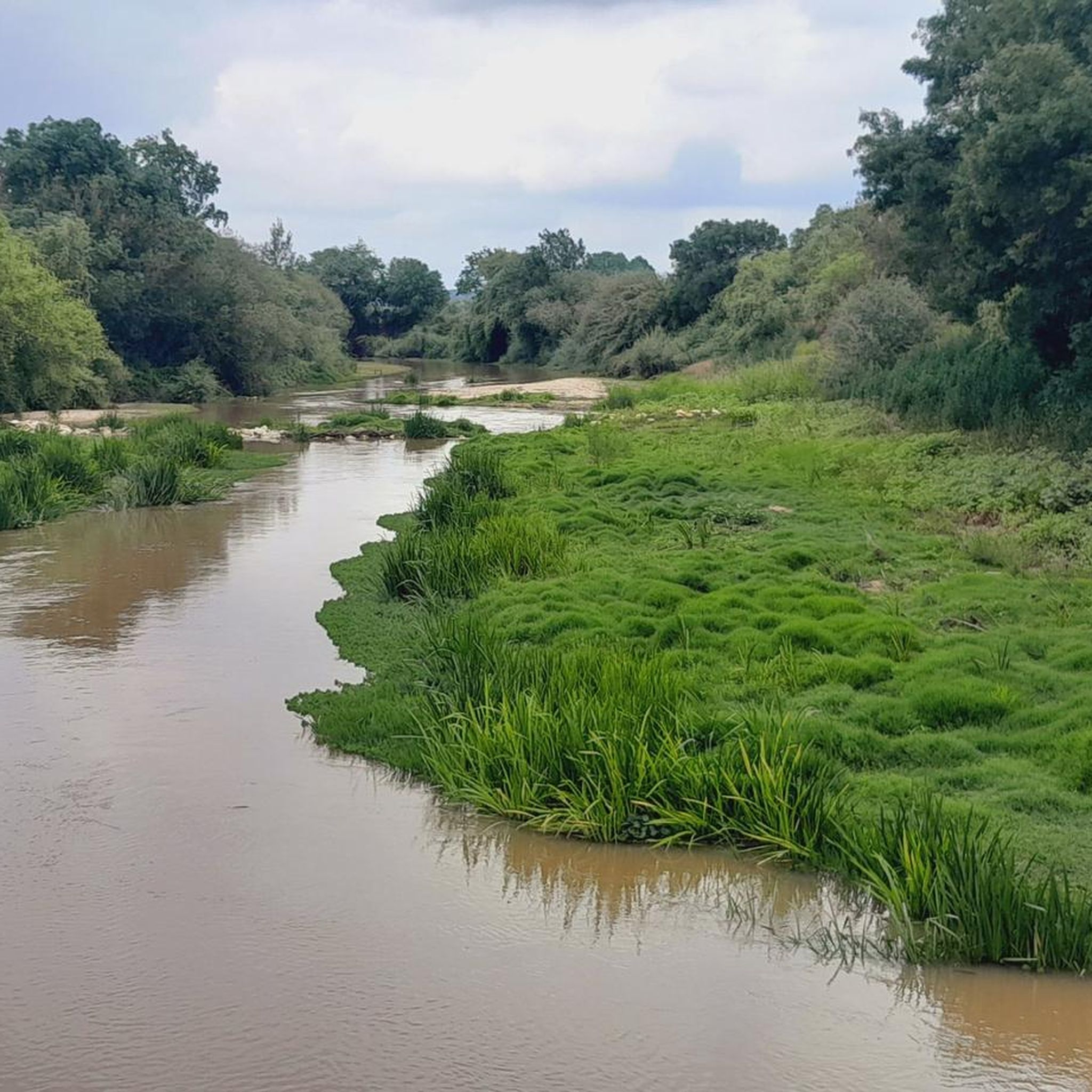
Roman bridge, renovated in medieval times, which crosses the Muge stream, with a pebble deck and guardrails opened through slits, resting on 3 unequal arches, with a perfect turn. From the construction apparatus used, especially the larger arch, it is undoubtedly Roman in origin, however the other two smaller arches, due to their typology, are attributable to the Middle Ages. This Bridge was once one of the main crossing points, which connected Muge, both to the interior of the country (Alentejo) and to the city of Santarém.
8
0
Located on the outskirts of Santarém, on the banks of the Tagus River, the village of Caneiras is currently the largest agglomeration and the most populous poultry town. Even so, there are practically two streets parallel to the river. One of them, Rua dos Avieiros, ends at a small pier, also used by pole-fishing fishermen. One of them mentioned that the sandbanks in the river are very misleading. Even some that are close to the banks are surrounded by deep pools and to swim you need to know the river well.
3
0
It is a wine farm founded in 1723 by the Marquis of Alorna. This farm has a farmhouse, a castle, a vineyard, a shop and an equestrian center. The castle is still inhabited by its owner. In the yard, there is an old tree with a huge trunk.
14
0
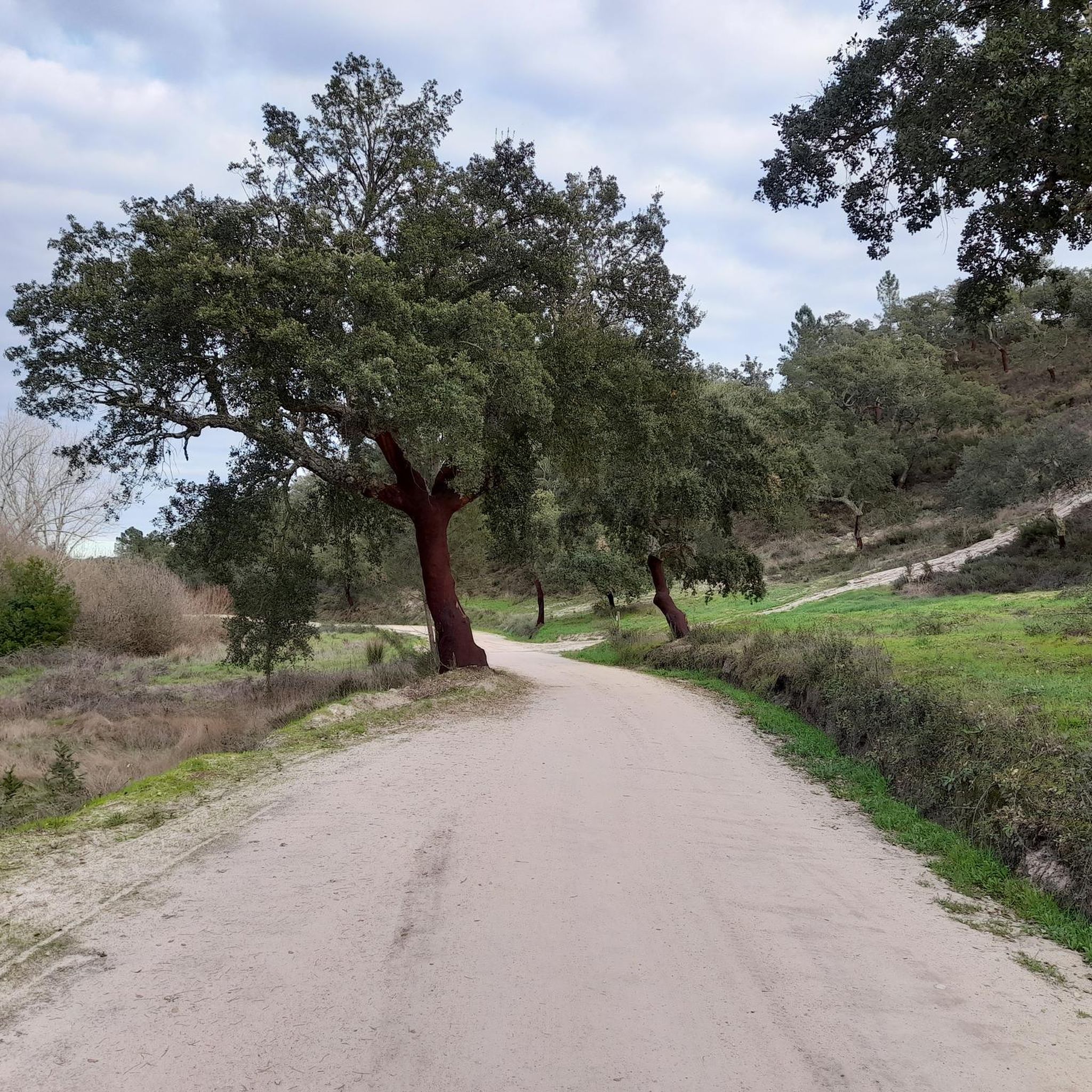
Small quiet and pleasant village. This village has a beautiful church, a restaurant "o cortiço", the post office and a working public telephone. The "o cortiço" is a simple little restaurant where everything is fresh and homemade and where the prices are very affordable. The local economy is based on the exploitation of cork, eucalyptus, pine nuts, fruit growing and vineyards. The Lamarosa region lends itself to cycling as there are good roads with little traffic. The region is flat, but with nice short coasts but some coasts have good percentages.
20
0
Frequently Asked Questions
What historical sites can I explore around Raposa?
The region around Raposa is rich in history. You can visit the Roman Bridge of Muge, an ancient structure with Roman origins and medieval renovations, which was once a crucial crossing point. Another significant historical site is Quinta da Alorna, a historic wine farm founded in 1723, featuring a farmhouse, a castle, and vineyards.
Are there any unique cultural experiences or traditional villages to visit?
Yes, you can experience the traditional riverine community at Caneiras - Avieira Village, located on the banks of the Tagus River. This settlement is known for its pole-fishing fishermen and offers a glimpse into local life. The village of São José de Lamarosa also offers a quiet, pleasant atmosphere with a beautiful church and local economy based on cork, eucalyptus, and vineyards.
Where can I find scenic viewpoints around Raposa?
For panoramic views, head to the Pilgrims' Swing. This viewpoint is uniquely situated next to a path frequently used by pilgrims, offering a serene spot to take in the surroundings.
What outdoor activities, like cycling or running, are available near these attractions?
The area around Raposa is excellent for outdoor activities. You can find numerous road cycling routes, including loops from Almeirim and Granho. For runners, there are several running trails, such as the Bridge over the Tagus River loop. Mountain biking enthusiasts can explore MTB trails like the Weir loop or routes incorporating the Roman Bridge of Muge.
Are there any family-friendly attractions in the Raposa area?
Absolutely! The Pilgrims' Swing is considered family-friendly, offering a fun stop with a view. The traditional Caneiras - Avieira Village also provides an interesting and educational experience for families to learn about local culture and river life.
What kind of terrain can I expect for cycling around Raposa?
The region around Raposa generally offers flat terrain, which is ideal for cycling. However, some areas, particularly around São José de Lamarosa, feature nice short coasts with varying percentages, providing a bit of challenge for cyclists.
What is the significance of the Roman Bridge of Muge?
The Roman Bridge of Muge is an important historical landmark, built during the Roman period. It served as a vital crossing point over the Muge stream, connecting Muge to the interior of the country and Santarém. Its construction techniques, especially the larger arch, clearly indicate its Roman origin, though some sections were renovated in medieval times.
Can I find places to eat or drink near the attractions?
Yes, in the village of São José de Lamarosa, you'll find 'o cortiço', a simple restaurant known for its fresh, homemade food and affordable prices. For those visiting Quinta da Alorna, there is also a shop on the wine farm.
What makes Caneiras - Avieira Village unique?
Caneiras - Avieira Village is unique as it is one of the largest and most populous Avieira towns, a traditional riverine community. It's situated directly on the banks of the Tagus River and is known for its small pier used by pole-fishing fishermen, offering an authentic glimpse into a distinct way of life.
What do visitors particularly enjoy about the attractions around Raposa?
Visitors appreciate the blend of history and nature. The historical significance of sites like the Roman Bridge of Muge and the cultural insight offered by Caneiras - Avieira Village are highly valued. The scenic beauty and tranquility found at viewpoints like the Pilgrims' Swing also receive positive feedback from the komoot community.
Is there a specific time of year that is best to visit Raposa for outdoor activities?
While specific seasonal considerations are not detailed, the region's flat terrain and varied routes for cycling and running suggest that spring and autumn would likely offer the most comfortable temperatures for outdoor activities. Summers can be hot, and winters might be cooler and wetter, but generally mild.
Most popular routes around Raposa

Get inspired with the komoot mobile app


Explore more
Still not found the Highlight you’re looking for? See guides of the top attractions in other regions:
