Attractions and Places To See around Vale De Cavalos - Top 20
Best attractions and places to see around Vale De Cavalos include a blend of historical sites, cultural landmarks, and natural features. This Portuguese *freguesia* in the Santarém district is characterized by its rural charm and agricultural heritage. Situated near the Tagus River floodplain, the area offers diverse landscapes and a rich history, including evidence of a Lusitano-Roman settlement. Visitors can explore local heritage and natural beauty within the immediate vicinity and surrounding region.
Best attractions and places to see around…
Last updated: May 4, 2026
Ponte João Joaquim Isidro dos Reis
Highlight • Bridge
Translated by Google •
Tip by

The house of Jose Saramago
Highlight • Historical Site
Translated by Google •
Tip by
Sign up now to discover places like this
Get recommendations on the best single tracks, peaks, & plenty of other exciting outdoor places.
Sign up for free
Roman Bridge of Reguengo do Alviela
Highlight • Bridge
The current road passes in front of the bridge.
Translated by Google •
Tip by
Pombalinho, land of floods
Highlight • Settlement
Translated by Google •
Tip by
José Saramago statue in Azinhaga
Highlight • Monument
Translated by Google •
Tip by

Sign up for free to discover even more attractions around Vale De Cavalos.
Sign up for free
Already have an account?
Start today with a free account
Your next adventure awaits.
Login or Signup

Tips from the Community

The house where José Saramago was born is located in the village of Azinhaga, in the municipality of Golegã, district of Santarém, Portugal. The Azinhaga House Location: The house is located on Rua da Igreja, in Azinhaga, a typical village in Ribatejo, known for its landscape of fertile fields and its proximity to the Tagus River. Foundation: Currently, the childhood home houses the José Saramago Foundation Delegation in Azinhaga, a space of memory that recreates the environment of the writer's childhood and houses a library and an auditorium. Visits: The place is open to visitors who wish to learn about the roots of the only Nobel Prize winner in Literature in the Portuguese language. The Lanzarote House Although he was born in Azinhaga, the writer's most emblematic residence is "The House" in Tías, on the island of Lanzarote, Spain. It was there that he lived for much of his adult life, and where his vast personal library is located; today it functions as the José Saramago House-Museum and is open to the public.
2
0
Pombalinho is a town in the district of Santarém, Portugal, known for being frequently affected by floods. This reputation is due to its strategic location on the right bank of the Tagus River and near the Alviela stream, in a floodplain area. Why do floods occur? Proximity to the Tagus River: The main cause of the floods is the town's location near the Tagus Riverbed. During rainy winters, the river overflows and floods the surrounding areas, which are alluvial plains. Increased flow rates: Heavy rainfall in Portugal, along with discharges from upstream Spanish dams, cause a significant increase in water levels and flow rates of the Tagus, resulting in floods in the Lower Tagus. Affected communication routes: Floods frequently submerge local and national roads, such as the EN 365 at Ponte do Alviela, temporarily isolating Reguengo do Alviela and other neighboring towns. Impact and Local Resilience Historical Events: Pombalinho has a history of major floods, with notable events recorded in 1964 and 1979. Adaptation of Residents: Local residents accept, to some extent, these periodic floods as part of life in the region, although abnormally high floods cause damage and concern. Alert and Prevention: Civil protection authorities issue warnings to the population during critical periods, asking them to take the necessary actions to protect themselves, their families, and property.
2
0
The Roman Bridge of Reguengo (or Reguengo Bridge) is an ancient bridge, probably of medieval origin with a Roman base, located between the towns of Vale de Figueira and Pombalinho, in the district of Santarém, Portugal. It crosses the Ribeira do Alviela, a tributary of the Tagus River. About the Bridge Location: The bridge is situated in a rural area and access to it is via a road that passes in front of the site. State of conservation: The bridge is described as an old and abandoned structure, and some visitors have noted a lack of signage or historical indications at the site. Access: The site is frequented by fishermen, and visitors should be discreet and careful, as the area is not ideal for carelessness, especially with children. Current use: The bridge is not used for regular road traffic, as a new bridge was built further downstream (downstream means towards the mouth of the river, further down) for the current road. Location Approximate address: Between Vale de Figueira and Pombalinho, Santarém, Portugal. GPS: 39°27'36.2" N 8°51'25.9" W (approximate coordinates for the area).
1
0

Azinhaga, or also Azinhaga do Ribatejo, is a Portuguese town and seat of the Parish of Azinhaga in the municipality of Golegã, a parish with an area of 38.21 km²[1] and 1,414 inhabitants (2021 census)[2], therefore having a population density of 37 inhabitants/km². source: Wikipedia
0
0

Statue of the writer José Saramago, located in Azinhaga do Ribatejo, the birthplace of the writer who won the Nobel Prize for Literature in 1998.
2
0

Pombalinho, a riverside village on the Tagus, is occasionally affected by the floods of the Tagus, whose water overflows, transforming the streets of Pombalinho into navigable rivers. At the entrances to the village there is a marker indicating the different levels that the water reached during the last floods. After the great floods of 1979, Dutch and French volunteers came to help rebuild Pombalinho. This memory is commemorated on a plaque of thanks.
20
0
It is an old abandoned bridge located between Vale de Figueira e Pombalinhon The current road passes in front of the bridge.
17
0
The house where the famous writer, who won the Nobel Prize in Literature, Mr Jose Saramago was born
16
0
Frequently Asked Questions
What historical sites can I explore around Vale De Cavalos?
The region boasts a rich history. You can visit the Roman Bridge of Reguengo do Alviela, an ancient structure likely with a Roman base. Another significant site is The house of Jose Saramago in Azinhaga, the birthplace of the Nobel Prize-winning writer. Additionally, the area around Vale de Cavalos itself has archaeological findings confirming a Lusitano-Roman settlement called Trava, dating back approximately two thousand years.
Are there any natural reserves or unique natural features to visit?
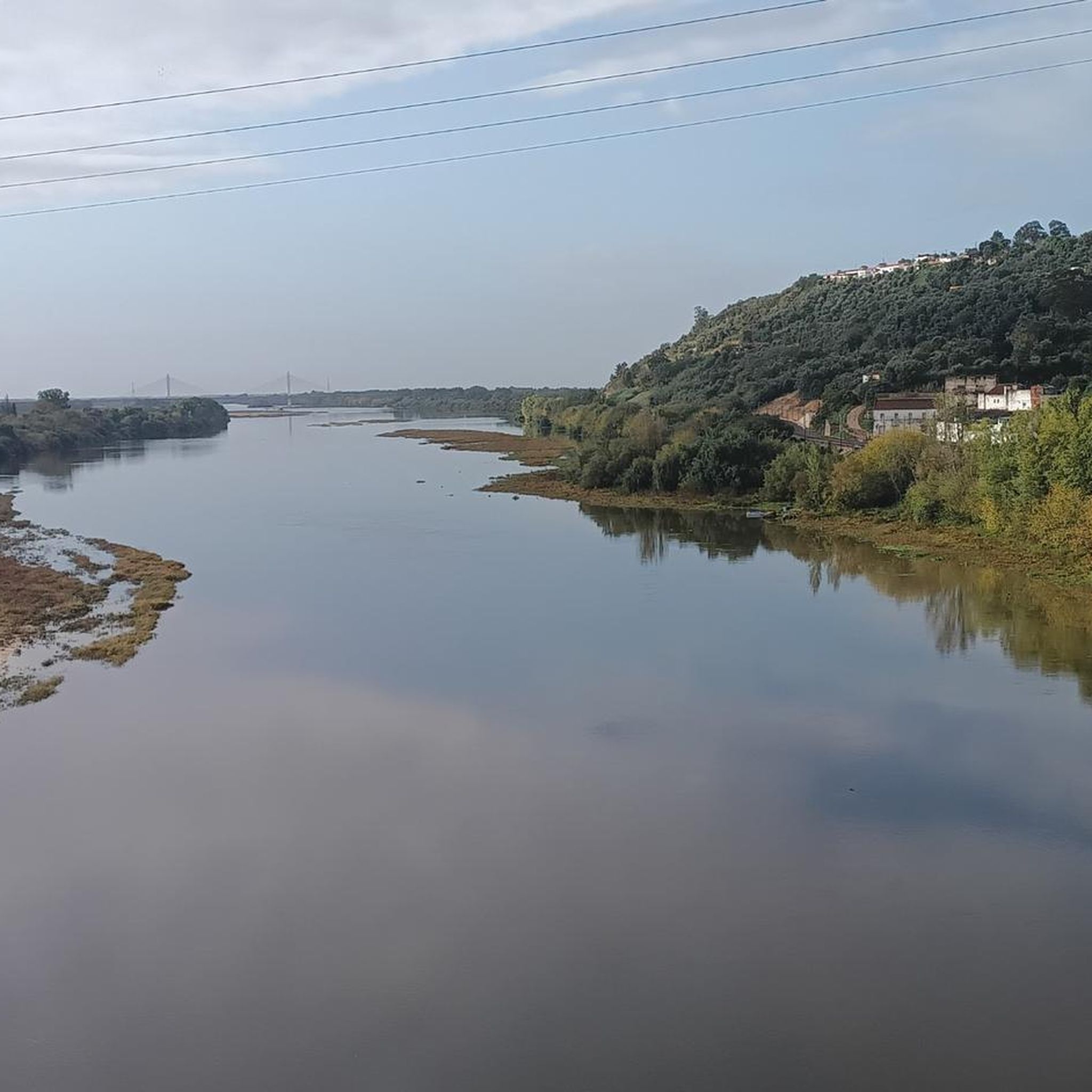
Yes, the area offers several natural highlights. The Ponte João Joaquim Isidro dos Reis provides magnificent views of the Tagus River. You can also explore the Reserva Natural do Cavalo do Sorraia in Alpiarça, a 40-hectare reserve dedicated to the conservation of the endangered Sorraia horse. The Tagus River and its floodplain (Lezíria) are prominent natural features, offering diverse landscapes and rich flora and fauna.
What kind of outdoor activities can I do near Vale De Cavalos?
The region is excellent for outdoor enthusiasts. You can find various routes for different sports. For running, explore trails like the 'Running loop from Almeirim' or 'Running loop from Chamusca'. Mountain biking options include routes like 'Whitewashed Cyclists' Shelter – Golega town center loop from Golegã'. Road cyclists can enjoy longer rides such as 'Ponte D. Luís I of Santarém – Golegã loop from Alpiarça'. You can find more details on these activities in the respective guides: Running Trails around Vale De Cavalos, MTB Trails around Vale De Cavalos, and Road Cycling Routes around Vale De Cavalos.
Are there family-friendly attractions in the area?
Absolutely. Families can enjoy visiting The house of Jose Saramago, which offers a glimpse into the Nobel laureate's childhood. The Parque do Carril - Parque de Merendas de Alpiarça is a rural leisure area perfect for picnics and family outings, often featuring barbecue facilities and walking trails. Observing the Sorraia horses at the Reserva Natural do Cavalo do Sorraia can also be a unique experience for all ages.
Where can I experience local culture or traditions?
To immerse yourself in local culture, consider visiting the Feira da Golegã, a renowned annual horse fair deeply rooted in Portuguese equestrian tradition. The wider Chamusca region also celebrates strong Ribatejana traditions, including handicrafts, local fairs, and festivals like the 'Semana da Ascensão', reflecting its connection to cattle breeding and agricultural life.
What is the significance of the Tagus River to the region?
The Tagus River is central to the identity of Vale de Cavalos and the surrounding Ribatejo region. The area is situated where heathland meets the fertile plains (Lezíria) influenced by the river. This connection means diverse landscapes and rich ecosystems. The river's influence is also seen in places like Pombalinho, land of floods, a riverside village known for its resilience to the Tagus's periodic overflows, which have shaped its history and community.
What is the best time of year to visit Vale De Cavalos?
The best time to visit largely depends on your preferred activities. Spring (April-May) and Autumn (September-October) generally offer pleasant temperatures for outdoor activities like hiking and cycling, and for exploring cultural sites. Summers can be hot, especially in July and August, which might be ideal for river-related activities or enjoying shaded parks. Winters are milder but can bring increased rainfall, especially impacting areas near the Tagus River.
Are there any notable viewpoints in the vicinity?
Yes, for panoramic views, the Ponte João Joaquim Isidro dos Reis (Ponte da Chamusca) offers a magnificent perspective of the Tagus River. Further afield in Santarém, the Jardim das Portas do Sol provides one of the most significant panoramic viewpoints in the Ribatejo region, allowing you to see Almeirim, Alpiarça, and the Tagus River's Lezíria plain.
Where can I find a pleasant spot for a break or a meal?
For a relaxing break, consider Valdoce in Vale de Figueira, a pastry shop and café known for its varied pastries, hamburgers, and daily specials, with an outdoor seating area. The Parque do Carril - Parque de Merendas de Alpiarça also offers a pleasant setting for picnics and enjoying local products in a rural leisure area.
Can I learn about Portuguese literature in the area?
Yes, you can delve into Portuguese literature by visiting The house of Jose Saramago in Azinhaga. This is the birthplace of the Nobel laureate José Saramago, and it now functions as a memory space, recreating his early life environment and housing a library and auditorium. It's a unique opportunity to connect with the roots of one of Portugal's most celebrated writers.
What makes Pombalinho a unique place to visit?
Pombalinho, land of floods is unique due to its intimate relationship with the Tagus River. This riverside village is frequently affected by the river's overflows, transforming its streets into navigable waterways during heavy rains. Markers at the village entrances indicate the levels reached by past floods, and a plaque commemorates the international aid received after the great floods of 1979, highlighting the community's resilience and unique way of life.
Are there opportunities for horseback riding or seeing unique animals?
Yes, the Reserva Natural do Cavalo do Sorraia in Alpiarça offers a unique opportunity to connect with nature and see the endangered Sorraia horse, also known as the Iberian horse. Visitors can often enjoy horseback riding or simply observe these primitive horses in a semi-wild state within the 40-hectare natural reserve.
Most popular routes around Vale De Cavalos

Get inspired with the komoot mobile app


Explore more
Still not found the Highlight you’re looking for? See guides of the top attractions in other regions:
