The best cycling routes around Arruda Dos Pisões
5.0
(2)
44
riders
14
rides
Touring cycling routes around Arruda Dos Pisões offer access to a varied landscape in Portugal, characterized by diverse terrain suitable for exploration. The region features a mix of river valleys, agricultural areas, and proximity to natural parks. Cyclists can expect routes that traverse both open countryside and areas with notable geological features.
Best touring cycling routes around Arruda Dos Pisões
- The most popular touring cycling route is Mesquita loop from Azoia de Baixo, a 27.3 miles (44.0 km) trail…
Last updated: May 11, 2026
13
riders
44.0km
03:48
620m
620m
Hard bike ride. Very good fitness required. Mostly paved surfaces. Suitable for all skill levels.
7
riders
Hard bike ride. Very good fitness required. Mostly paved surfaces. Suitable for all skill levels.

Sign up for free
5.0
(2)
6
riders
43.1km
02:50
460m
460m
Hard bike ride. Very good fitness required. Mostly paved surfaces. Suitable for all skill levels.
4
riders
38.8km
02:29
440m
440m
Moderate bike ride. Good fitness required. Mostly paved surfaces. Suitable for all skill levels.
3
riders
22.7km
01:32
280m
280m
Moderate bike ride. Good fitness required. Mostly paved surfaces. Suitable for all skill levels.
Get access to more routes and recommendations from other explorers.
Sign up for free
Already have an account?
Our route recommendations are based on thousands of hikes, rides, and runs completed by other people on komoot.
Start today with a free account
Your next adventure awaits.
Login or Signup
Tips from the Community

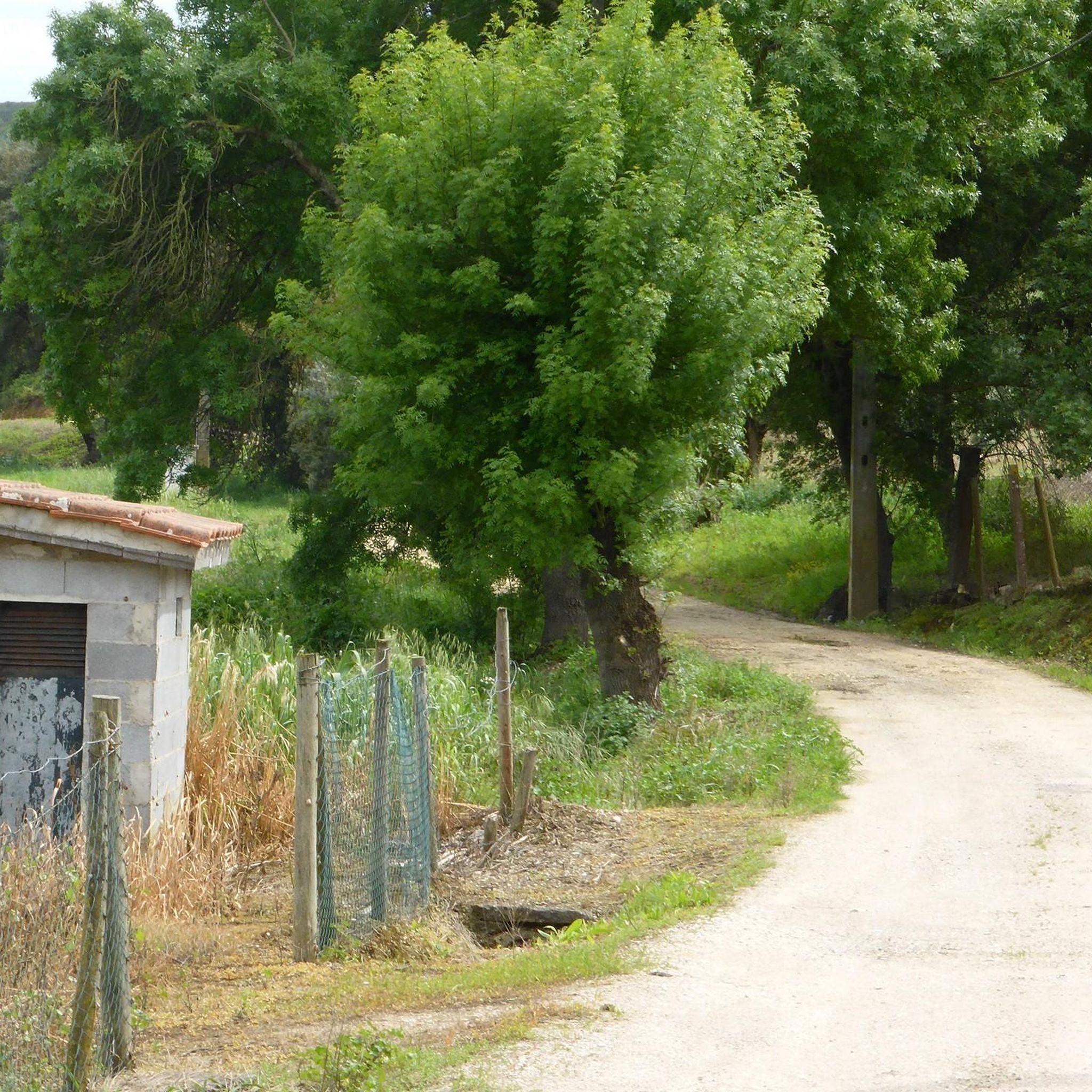
Salt is extracted from shallow, concrete or stone pans of varying sizes, where saltwater drawn from a well is conveyed through ditches. Currently, the water is pumped by a motor and distributed according to a system that is generally accepted and respected (not always) by all the owners. Drainpipes, threshing floors, and wooden salt storage houses complete the complex known as the Rio Maior Salt Pans. According to technicians, a large and deep rock salt mine, traversed by an underground stream that feeds a well, makes the extracted water salty, seven times saltier than seawater. The salt is obtained from its exposure to the sun and wind, and the resulting evaporation of the water. This salt is deposited at the bottom of the pans, which are then piled up in pyramid-shaped heaps to dry until harvest. The process is rudimentary and similar to that used in seaside salt mines. The only difference is the picturesque valley that surrounds them, the well, the unique style of the sailors (as the men who work in the salt mines are known), the wooden houses and the country air that you breathe.
0
0

top to roll
1
0
old railway
0
0

Just three kilometres from Rio Maior, on the southern tip of the Serra dos Candeeiros, lie the only inland salt pans in Portugal, and the only ones still active in the whole of Europe. Surrounded by vineyards and cultivated fields, they are a true wonder of nature, as the sea is 30 kilometres away. Their history dates back to at least 1177, but it is said that rock salt has been mined since prehistoric times. The water, seven times saltier than that of the ocean, emerges from a well after passing through an underground deposit, leaving behind the pure vestige of an ancient sea.
1
0
The place where the steam locomotive was supplied with water. The locomotive transported coal from the Rio Maior mine to the Vale de Santarém Railway Station, and then continued on to other destinations. The dock, which had a double track, was also used to unload, on exceptional occasions, other ordered goods.
1
0
The palace was built by the superintendent Diogo Inácio de Pina Manique (1733-1805), who held several positions during the time of the Marquis of Pombal. His connection to the town, which came to be called Manique do Intendente and was initially called Alcoentrinho, and which belonged to the Order of Christ, dates back to the time of his uncle, who established a manor in favor of his nephew in 1773. Thus began a very ambitious project, which envisaged the creation of a town with a rationalist architectural design and which included, in addition to the palace (whose construction remained unfinished), the Town Hall, the pillory, the Palace of Justice and the church. This plan did not go ahead due to Pina Manique's removal from the position of superintendent and his premature death.
4
0
The Rio Maior Branch Line is an old Portuguese railway branch line that connected the Espadanal Mines (Rio Maior) to the Santarém Valley (Northern Line)
1
0
Founded in the year 970 of the Christian era (which is why it is currently considered an ancient town), during the reign of the Moorish king D. Ramiro III, it was first given the name of al-quniTrâ”, a diminutive of “al-qanTarâ”, or Alcântara, which means – the small bridge. Alcoentre received its first charter from D. Afonso Henriques in the city of Coimbra, in October 1174, and became the oldest administrative unit and local district in the municipality of Azambuja. Since Alcoentre was registered by the Crown, it remained “land of the king” (or land of the king) until D. Dinis. During this reign, it ceased to be land of the king, also known as Lavrador, and began a long journey as land of private manorial jurisdiction. This charter was reformulated by D. Manuel in Lisbon, on 26 September 1513.
3
0
Frequently Asked Questions
How many touring cycling routes are available around Arruda Dos Pisões?
There are 14 touring cycling routes around Arruda Dos Pisões. These routes are evenly split between moderate and difficult ratings, offering options for various skill levels.
What kind of terrain can I expect on touring cycling routes in Arruda Dos Pisões?
The region offers a varied landscape, characterized by river valleys, agricultural areas, and proximity to natural parks. Cyclists can expect routes that traverse both open countryside and areas with notable geological features, providing a diverse Portuguese scenery.
Are there any moderate touring cycling routes suitable for less experienced cyclists?
Yes, half of the routes are rated as moderate. For example, the View of Serra de Todo-o-Mundo – Figueirós Church loop from Rio Maior is a moderate 38.7 km (24.0 mi) route, and the Salinas de Rio Maior – Salinas Rio Major loop from Rio Maior is a moderate 22.7 km (14.1 mi) option that takes you past a significant natural attraction.
What are some notable landmarks or attractions I can see along the cycling routes?
Several routes pass by interesting landmarks. You can explore the unique Rio Maior Salt Pans, visit historical sites like the Alcanede Castle, or discover ancient structures such as the Assentiz Roman Bridge and the Roman Bridge of Almoster. The Royal Monastery of St. Mary of Almoster is another significant point of interest.
Are there any circular touring cycling routes in the area?
Yes, many of the touring cycling routes around Arruda Dos Pisões are designed as loops. Examples include the challenging Mesquita loop from Azoia de Baixo and the Pina Manique Palace – View of Alcoentre loop from Rio Maior, which takes you through rural areas and past local landmarks.
What do other touring cyclists say about the routes in Arruda Dos Pisões?
The touring cycling routes in Arruda Dos Pisões are highly rated by the komoot community, with an average score of 5.0 stars. Over 40 touring cyclists have used komoot to explore the varied terrain, appreciating the diverse Portuguese scenery and the mix of river valleys and agricultural areas.
Which route offers a longer, more challenging touring cycling experience?
For a longer and more challenging ride, consider the Pilgrim's Retreat – Alcanede Castle loop from Estacionamento do Parque das Bocas de Rio Maior. This difficult route spans 77.1 km (47.9 mi) and offers a long-distance journey through varied terrain, including historical points of interest like Alcanede Castle.
Can I find routes that pass through rural areas and past local landmarks?
Absolutely. The Pina Manique Palace – View of Alcoentre loop from Rio Maior is a great example, leading through rural areas and past local landmarks over its 43.1 km (26.8 mi) distance.
Are there routes that offer views of the surrounding natural landscape?
Yes, many routes provide scenic views. The View of Serra de Todo-o-Mundo – Figueirós Church loop from Rio Maior is specifically named for its views, offering glimpses of the Serra de Todo-o-Mundo.
What is the typical elevation gain on the more difficult touring cycling routes?
The more difficult routes in Arruda Dos Pisões feature significant elevation gain. For instance, the Mesquita loop from Azoia de Baixo has an elevation gain of over 620 meters (2,034 ft), providing a good challenge for experienced touring cyclists.
Most popular attractions around Arruda Dos Pisões

Get inspired with the komoot mobile app


Explore more
Browse the best Cycling routes in other regions.
