Attractions and Places To See around Outeiro Da Cortiçada - Top 18
Best attractions and places to see around Outeiro Da Cortiçada include a blend of historical sites, cultural experiences, and natural beauty. This locality within the municipality of Rio Maior, Portugal, serves as a gateway to several notable attractions. The area features unique inland salt pans, ancient Roman bridges, and diverse landscapes within the Natural Park of Serras de Aire e Candeeiros. It offers opportunities to explore both man-made monuments and natural features.
Best attractions and places to see around Outeiro…
Last updated: July 28, 2026
Rio Maior Salt Pans
Highlight • Monument
Translated by Google •
Tip by

Assentiz Roman Bridge
Highlight • Bridge
Translated by Google •
Tip by

Sign up now to discover places like this
Get recommendations on the best single tracks, peaks, & plenty of other exciting outdoor places.
Sign up for free
Royal Monastery of St. Mary of Almoster
Highlight • Religious Site
Translated by Google •
Tip by
Roman Bridge of Almoster
Highlight • Bridge
Translated by Google •
Tip by
Serra dos Candeeiros Wind Farm
Highlight (Segment) • Structure
Translated by Google •
Tip by
Sign up for free to discover even more attractions around Outeiro Da Cortiçada.
Sign up for free
Already have an account?
Start today with a free account
Your next adventure awaits.
Login or Signup
Tips from the Community

Salt is extracted from compartments – pits – made of cement or stone, of varying sizes and shallow depths, to which salt water is taken from a well through irrigation channels. Currently, the water is raised by means of a motor and distributed according to a system that is jointly accepted and respected (not always) by all the owners. The sewers, threshing floors and wooden houses for storing salt complete the set of what is called the Salt Mines of Rio Maior. According to technicians, a large and deep rock salt mine, crossed by an underground current that feeds a well, makes the water extracted from it salty, seven times saltier than that of the sea. The salt is obtained from its exposure to the sun and wind and the consequent evaporation of the water, deposited at the bottom of the pits, which is then placed in pyramid-shaped piles to dry until it is collected. The process is rudimentary and similar to that used in the salt mines on the seashore. The only difference is the picturesque valley that surrounds them, the well, the unique style of the sailors (as the men who work in the salt mines are known), the wooden houses and the country air that can be breathed.
3
0
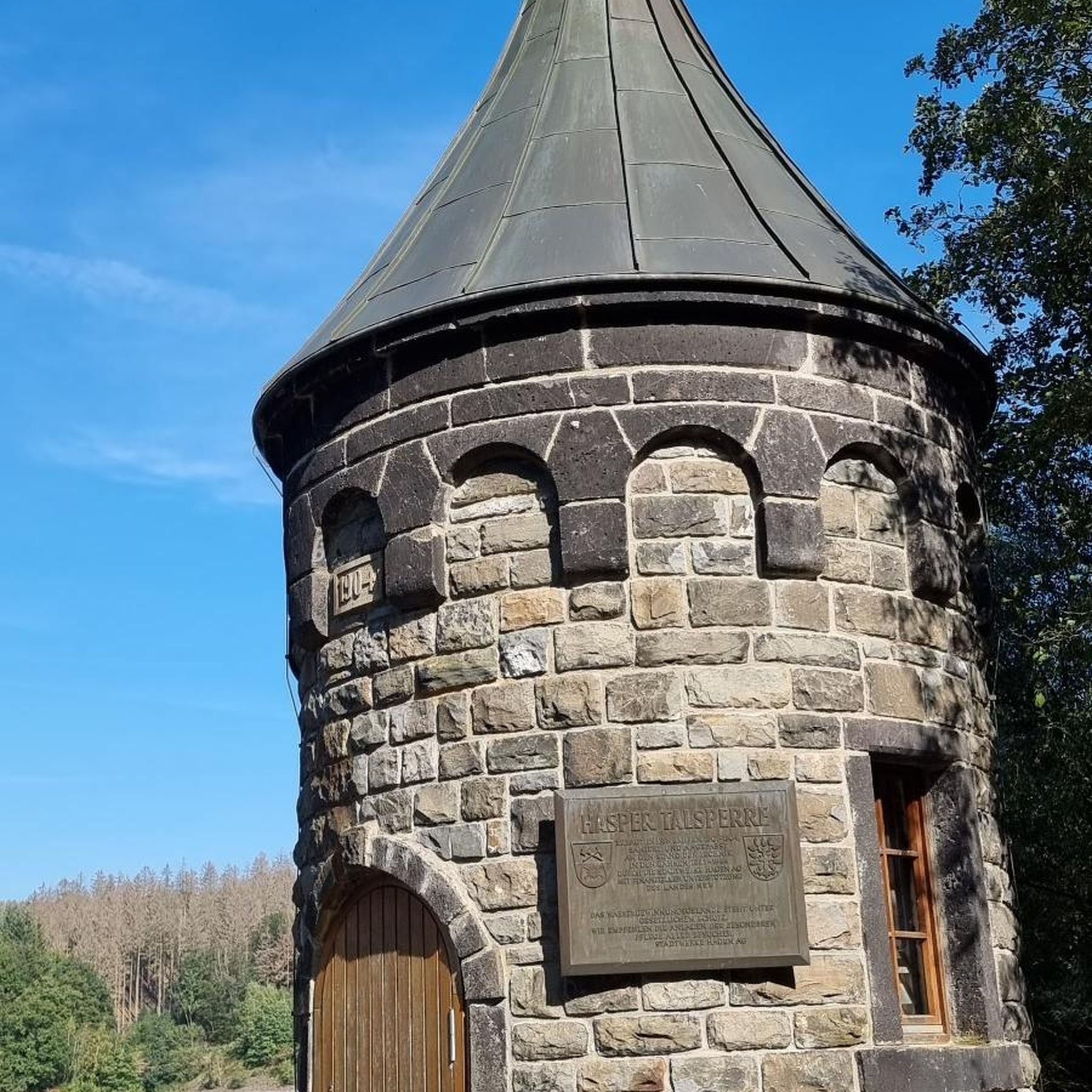
The Roman bridge of Assentiz originally had two arches, but after a major flood in the 18th century, one of the sides gave way, leaving the bridge with only one arch. Analysing the way the stones in the arch area are placed, it is possible to conclude that this bridge is not in fact Roman, especially since it is now known that the Roman road did not pass through here. The bridge was part of the royal road built by order of Queen Maria I at the beginning of the 18th century, which followed the route of the old Roman road for most of its route. This royal road facilitated access to the region, allowing the flow of its products and also the passage of the mail carrier (transport of mail and people) that had a change point in Alto da Serra. The bridge is in urgent need of refurbishment and consolidation works. There is currently a bridge adjacent to it to connect Assentiz and Arrouquelas.
3
0
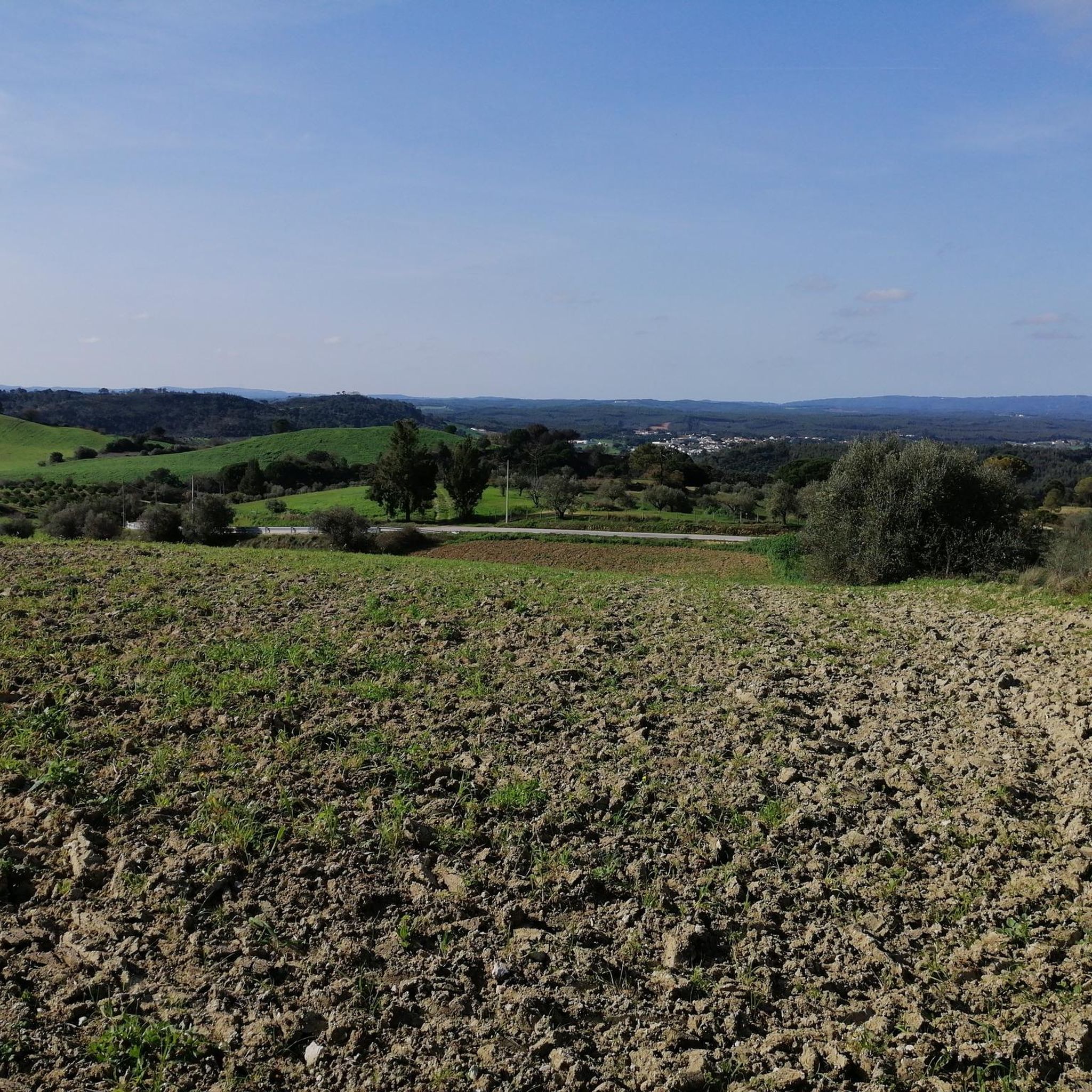
Located at an altitude of approximately 487 meters, the Serra dos Candeeiros Wind Farm has 37 wind turbines dispersed along a corridor that covers the parishes of Rio Maior and Alcobertas. Each generating machine has a capacity of 3MW which gives a total capacity of 111MW. The wind farm is crossed by a dirt road, which can be traveled along its entire length by any type of bicycle. Usually a windy place (as you would expect) it is worth a visit for the surrounding landscapes.
4
0
The Roman Bridge of Almoster, or Ribeira de Alcanede bridge, crosses Ribeira de Nede. Possibly built in the 3rd century, it is known for being on one of the oldest roads that connected the city of Santarém to Porto de Mós.
4
0
The monastery was founded in 1289 by D. Berengária Aires, maid of Queen Santa Isabel and wife of D. Rodrigo Garcia, in fulfillment of the testamentary wish of her mother, D. Sancha Pires. The works resulted from the joint initiative of the founder and the Holy Queen, the latter having ordered the construction of the cloister and the infirmary. After the completion of the works, the queen continued to express interest in the monastery, leaving it around a thousand pounds in her will. The date of completion of the works is unknown, only knowing that, when the founder died in 1210, they had not yet been completed. After the extinction of the religious orders, in 1834, the monastery was progressively abandoned, entering a phase of dilapidation and destruction of its rich heritage that would last until almost the middle of the 20th century. Still in 1910, the church was vandalized and robbed, with tiles, paintings and a portico that existed in the Chapter House missing. In the 50s of the 20th century, the state of degradation that the complex had reached led to the replacement of the vaulted roof of the central nave with the current wooden ceiling. The organ and the coat of arms on the main portico had already been dismantled, while the building attached to the church was transformed into a cowshed. Since then, the complex has been the subject of extensive restoration work, which seeks to restore, as much as possible, some of its original characteristics.
3
0

The Salinas de Rio Maior are located about 3 km from the city center and are located in a valley at the foot of the Serra dos Candeeiros, in the heart of the Serras de Aire e Candeeiros Natural Park. Classified as a Property of Public Interest since December 1997, these are the only inland salt pans in Portugal, and the only ones that are fully operational in Europe. The first reference to its existence dates from 1177, but it is thought that the use of rock salt would have been made since prehistoric times.
5
0
Frequently Asked Questions
What unique natural attractions can I explore near Outeiro Da Cortiçada?
A must-visit natural attraction is the Rio Maior Salt Pans. These are unique inland salt pans, the only fully operational ones in Europe, located in a valley at the foot of the Serra dos Candeeiros. They have been in use since at least 1177, with evidence suggesting prehistoric origins for rock salt extraction. The process of salt extraction from a well, seven times saltier than sea water, is quite fascinating.
Are there historical sites or ancient landmarks to visit?
Yes, the region is rich in history. You can explore the Roman Bridge of Almoster, which crosses Ribeira de Nede and was possibly built in the 3rd century, forming part of an ancient road connecting Santarém to Porto de Mós. Another historical bridge is the Assentiz Roman Bridge, though its Roman origin is debated, it was part of an 18th-century royal road.
What cultural or religious sites are notable in the area?
The Royal Monastery of St. Mary of Almoster is a significant cultural and religious site. Founded in 1289, it has a rich history tied to Queen Santa Isabel and has undergone extensive restoration work to preserve its original characteristics. Other local religious sites include the Igreja Matriz (Mother Church), Capela de São Pedro, and Capela do Vale de Marinhas.
What kind of outdoor activities can I do around Outeiro Da Cortiçada?
The area around Outeiro Da Cortiçada is excellent for outdoor enthusiasts. You can find numerous routes for running, hiking, and mountain biking. For example, there are several running trails around Rio Maior, including moderate to difficult loops. You can find more details on these activities in the Running Trails around Outeiro Da Cortiçada guide.
Are there easy hiking trails suitable for beginners or casual walkers?
Absolutely. There are several easy hiking trails available. For instance, you can enjoy the 'Cineteatro de Rio Maior – Salinas de Rio Maior loop from Rio Maior' which is about 7.3 km, or the 'Parque do Rio – Roman Villa loop from Rio Maior' at 5 km. These routes offer a gentle way to explore the landscape. Discover more options in the Easy hikes around Outeiro Da Cortiçada guide.
Where can I find scenic viewpoints or natural landscapes?
The Serra dos Candeeiros Wind Farm, located at approximately 487 meters altitude, offers scenic surrounding landscapes and a unique perspective with its 37 wind turbines. The Miradouro do Cabeço do Mendes also provides beautiful vistas of the region. The entire Parque Natural das Serras de Aire e Candeeiros, which encompasses the area around the salt pans, is known for its diverse landscapes.
What is the best time to visit the Rio Maior Salt Pans?
The salt pans operate by exposing salt water to the sun and wind for evaporation. Therefore, the warmer, drier months, typically from spring to early autumn, would be the best time to visit to see the salt extraction process in full swing and enjoy the outdoor environment.
Are there any family-friendly attractions in the vicinity?
Yes, the Rio Maior Salt Pans are considered family-friendly. It's an educational and unique experience to see how salt is harvested from an inland source. The picturesque valley and the traditional methods used by the 'marinheiros' (salt workers) can be engaging for all ages.
Can I go mountain biking near Outeiro Da Cortiçada?
Yes, there are several mountain biking trails in the area. You can find routes like the 'Terra Chã Viewpoint – Rio Maior Salt Pans loop from Rio Maior' which is a moderate 30 km ride, or the more challenging 'Rio Maior Salt Pans – Restaurante Cumbido de Jarras loop from Rio Maior'. For more options, check the MTB Trails around Outeiro Da Cortiçada guide.
What is the significance of the Roman bridges in the area?
The Roman bridges, such as the Roman Bridge of Almoster and the Assentiz Roman Bridge, are important historical landmarks. They indicate ancient routes and settlements in the region, showcasing the historical infrastructure that connected towns like Santarém to Porto de Mós and facilitated trade and communication centuries ago.
What do visitors particularly enjoy about the attractions around Outeiro Da Cortiçada?
Visitors appreciate the blend of historical depth and unique natural phenomena. The Rio Maior Salt Pans are often highlighted for their distinctiveness as inland salt pans and the traditional process. The historical bridges and the serene landscapes of the Serra dos Candeeiros also receive positive feedback for their beauty and cultural significance.

Get inspired with the komoot mobile app


Explore more
Still not found the Highlight you’re looking for? See guides of the top attractions in other regions:
