The best MTB trails around Foros De Salvaterra
4.1
(8)
49
riders
19
rides
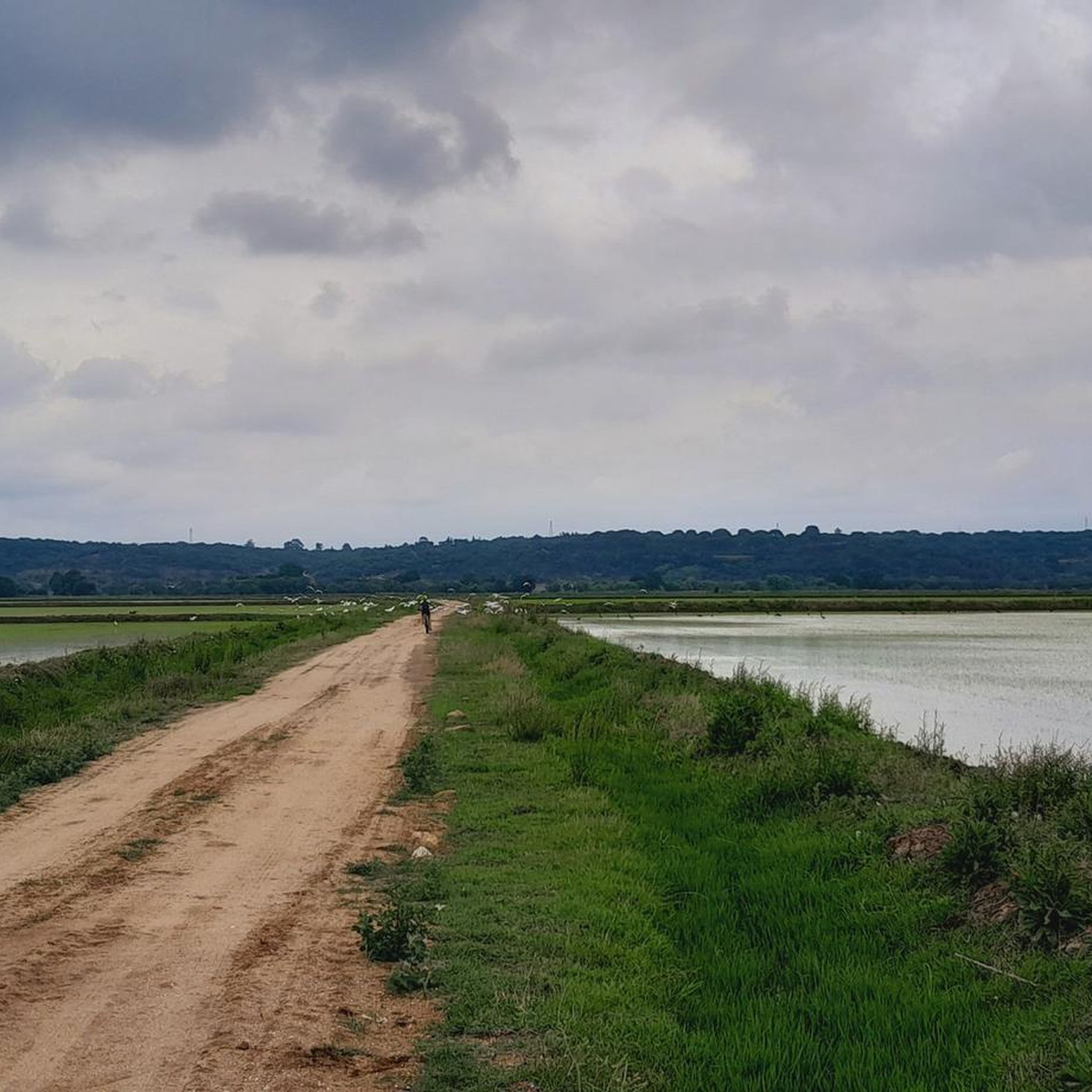
Mountain biking around Foros De Salvaterra offers diverse terrain, from fast sandy tracks to more technical mountain sections and agricultural lands. The region is characterized by the presence of the Tagus River, providing riverine scenery and varied landscapes suitable for cycling. Riders can explore areas transitioning from flat plains to gentle elevations, including sections near the Escaroupim National Forest.
Best mountain bike trails around Foros De Salvaterra
- The most popular mountain bike trail is Silas Original Bifanas – Roman Bridge…
Last updated: May 11, 2026
3.0
(1)
3
riders
23.1km
01:39
80m
80m
Moderate mountain bike ride. Great for any fitness level. Advanced riding skills necessary.
5.0
(1)
2
riders
30.8km
02:29
230m
230m
Moderate mountain bike ride. Good fitness required. Advanced riding skills necessary.

Sign up for free
3.0
(1)
2
riders
21.6km
01:33
90m
90m
Moderate mountain bike ride. Great for any fitness level. Advanced riding skills necessary.
4.0
(1)
5
riders
45.6km
03:03
150m
150m
Moderate mountain bike ride. Good fitness required. Advanced riding skills necessary.
4
riders
Easy mountain bike ride. Great for any fitness level. Suitable for all skill levels.
Get access to more routes and recommendations from other explorers.
Sign up for free
Already have an account?
Our route recommendations are based on thousands of hikes, rides, and runs completed by other people on komoot.
Start today with a free account
Your next adventure awaits.
Login or Signup
Popular around Foros De Salvaterra

Tips from the Community

Built during the Roman period, it is an important vestige of that people's presence in the municipality. The Roman presence in the parish of Muge is clearly evident in the area of Porto de Sabugueiro. The most striking vestiges of this historical period are found here. Porto de Sabugueiro, due to its proximity to the Tagus River, was an important river port during the Roman period. Excavations and published studies define this location as an important Roman village, with ceramic production, due to the existence of a ceramic kiln found here in the 1960s. Approximately 400 meters from this location is the Roman Bridge, which crosses the Muge stream. The construction techniques used, especially in the larger arch, undoubtedly indicate a Roman origin; however, the two smaller arches, due to their typology, are attributable to the Middle Ages. This bridge was one of the main crossing points connecting Muge to the interior of the country (Alentejo) and to the city of Santarém. It possesses undeniable historical value, forming part of the memory and heritage identity of the municipality of Salvaterra de Magos. (Source: www.salvaterrademagos.pt)
16
0

Delicious bifana to recharge your batteries :)
1
0

Roman bridge, renovated in medieval times, which crosses the Muge stream, with a pebble deck and guardrails opened through slits, resting on 3 unequal arches, with a perfect turn. From the construction apparatus used, especially the larger arch, it is undoubtedly Roman in origin, however the other two smaller arches, due to their typology, are attributable to the Middle Ages. This Bridge was once one of the main crossing points, which connected Muge, both to the interior of the country (Alentejo) and to the city of Santarém.
8
0
Pretty little fishing village on the banks of the Tagus. There are chairs, barbecue tables and a water point. It is possible to take boat tours.
3
0
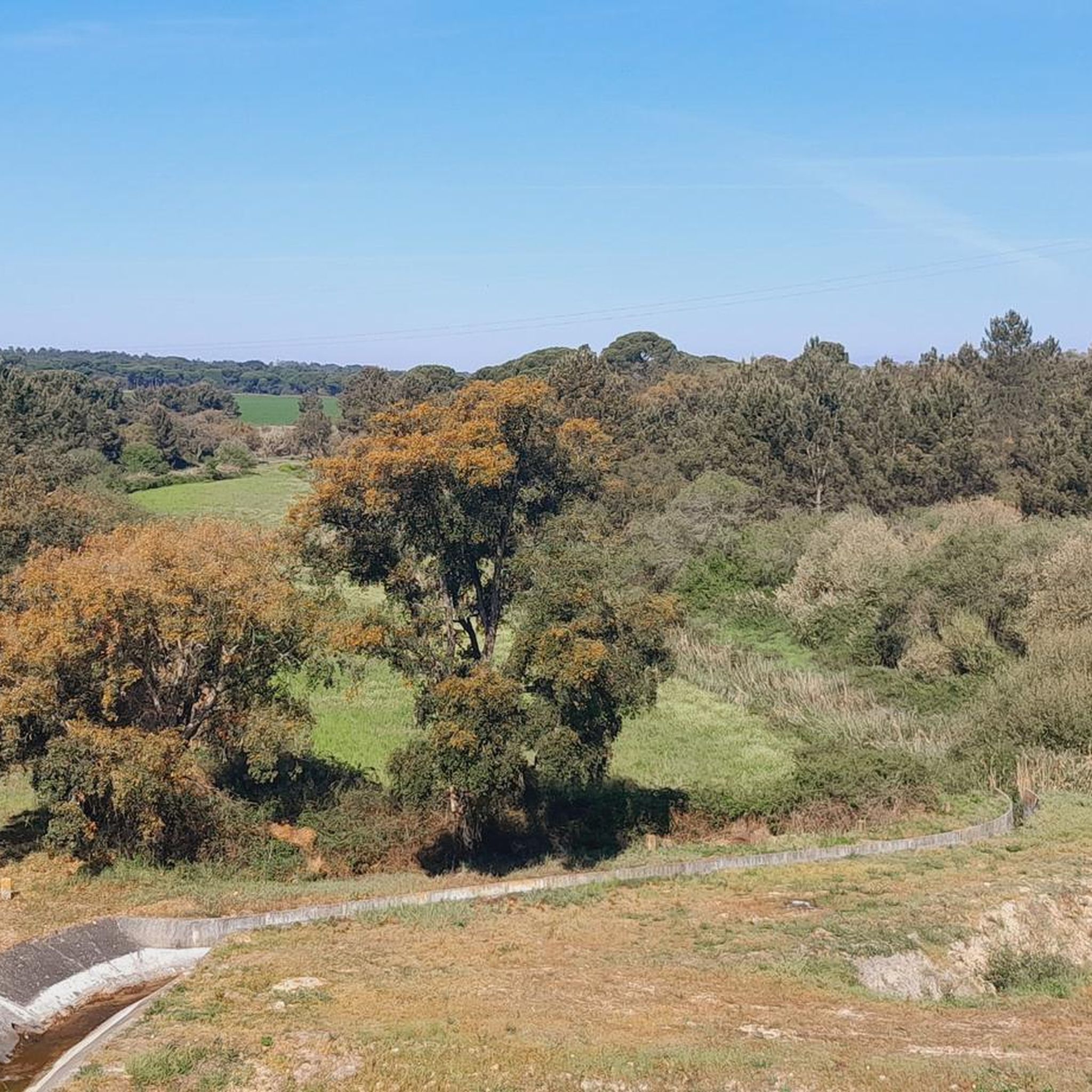
The construction of the Sorraia Valley Irrigation Work, of which this canal bridge forms part, began in 1959, and is believed to be one of the first works of its kind in Portugal. The Sorraia Valley Irrigation Work, which includes the Sorraia Canal, the Furadouro Dam and the Montargil and Maranhão dams, covers an area of 15,365 hectares, in the districts of Portalegre, Évora and Santarém, promoting the efficient use of water in agriculture in the fertile territories of the municipalities of Ponte de Sor, Avis, Mora, Coruche, Salvaterra de Magos and Benavente.
1
0
Although trains are not frequent on this line, they approach quickly. Be careful.
2
0
Pleasant place, with several places to rest. There is a good bar, with quality products and in-house production of some local specialties.
3
0
Escaroupim is a typical fishing village, formed in the mid-1930s by fishermen from Praia da Vieira (Marinha Grande), who seasonally came to the Tagus to carry out winter fishing campaigns, especially shad, seeking to sustain their numerous families, in a Tagus rich in fish, returning to Praia da Vieira in summer. Many of these fishermen stayed on the banks of the Tagus, leaving Praia da Vieira, and thus formed small fishing villages along the river. In these villages, the houses were made of wood, painted in bright colors and built on stilts, so as to be protected from the frequent floods of the river. The peculiarity of its houses extends to its fishing boats, also made of wood and painted in bright colours. From the existing small pier, it is possible to take boat trips along the Tagus River, which allow you to discover some otherwise inaccessible corners of the river, and to observe birds up close, such as herons, ibis, kites, cormorants, etc.
3
0
Frequently Asked Questions
What kind of terrain can I expect on mountain bike trails in Foros De Salvaterra?
Mountain biking in Foros De Salvaterra offers a diverse mix of terrain. You'll find everything from fast sandy tracks and agricultural lands to more technical mountain sections. The region is heavily influenced by the Tagus River, providing scenic riverine landscapes and varied surfaces suitable for different cycling experiences.
How many mountain bike trails are available in Foros De Salvaterra?
There are over 20 mountain bike trails documented in Foros De Salvaterra on komoot, catering to various skill levels. This includes 2 easy routes, 16 moderate routes, and 2 difficult routes, ensuring options for most riders.
Are there any easy mountain bike trails suitable for beginners in Foros De Salvaterra?
Yes, Foros De Salvaterra offers easy mountain bike trails perfect for beginners or those looking for a relaxed ride. One such option is the Magos Dam – Nó do Peso canal bridge loop from Restaurante Quinta da Barragem, which provides a gentle introduction to the region's landscapes.
What are some notable natural features or landmarks I can see while mountain biking in Foros De Salvaterra?
The Tagus River is a dominant natural feature, offering stunning riverine scenery. Along the trails, you might encounter historical landmarks such as the Ponte Rainha D. Amélia, which provides superb views of the river, or the Roman Bridge of Muge. The area also includes sections near the Escaroupim National Forest.
Are there any circular mountain bike routes in the Foros De Salvaterra area?
Yes, many of the mountain bike routes in Foros De Salvaterra are designed as loops, allowing you to start and end at the same point. An example is the Weir loop from Granho, which features varied terrain along the river and through agricultural areas.
What do other mountain bikers say about the trails in Foros De Salvaterra?
The mountain bike trails in Foros De Salvaterra are highly rated by the komoot community, with an average score of 4.1 stars from more than 8 reviews. Riders often praise the varied terrain, the scenic river views, and the mix of local scenery and historical points found along the routes.
Can I find trails that pass through traditional villages or offer cultural insights?
Yes, some routes will take you through charming local areas. For instance, the Escaroupim - Avieira Village – Roman Bridge of Muge loop from Grupo Sugal passes by Avieira Village, offering a glimpse into traditional riverine communities. The Valada Village itself is a traditional village along the Tagus River with a river beach and picnic area.
What is the best time of year to go mountain biking in Foros De Salvaterra?
While specific seasonal data isn't provided, the Ribatejo region generally offers pleasant cycling conditions outside of the peak summer heat. Spring and autumn typically provide milder temperatures and less rainfall, making them ideal for exploring the diverse landscapes of Foros De Salvaterra.
Are there any routes that offer a mix of historical sites and natural beauty?
Absolutely. The Silas Original Bifanas – Roman Bridge of Muge loop from Marinhais is a moderate route that combines local scenery with historical points, including the Roman Bridge of Muge. Many trails in the area leverage the historical significance of the Tagus River and its crossings.
Are there any specific points of interest related to the Tagus River that I can visit?
Yes, the Tagus River is central to the region's appeal. You can visit Valada Village, which is nestled along the river and features a river beach. Additionally, the Beira Tejo Boat in Valada is a monument connected to the river, highlighting its importance to the area.
What is the longest mountain bike route available in Foros De Salvaterra?
Among the listed routes, the Escaroupim - Avieira Village – Roman Bridge of Muge loop from Grupo Sugal is one of the longer options, covering approximately 45.6 km (28.3 miles). This moderate route offers an extensive exploration of the region's varied landscapes.
Most popular routes around Foros De Salvaterra
Most popular attractions around Foros De Salvaterra

Get inspired with the komoot mobile app


Explore more
Browse the best MTB trails in other regions.
