The best cycling routes around Madalena e Beselga e Beselga e Beselga
4.4
(5)
145
riders
25
rides
Touring cycling around Madalena e Beselga e Beselga e Beselga traverses a region in Portugal known for its historical context and natural elements. The landscape features the Nabão River and includes notable structures like the Aqueduto dos Pegões. This area provides a mix of rural paths and routes connecting to the nearby municipality of Tomar, offering diverse cycling experiences.
Best touring cycling routes around Madalena e Beselga e Beselga e Beselga
- The most popular touring cycling route is Almourol Hill…
Last updated: May 11, 2026
10
riders
35.1km
02:15
370m
370m
Moderate bike ride. Good fitness required. Mostly paved surfaces. Suitable for all skill levels.
5.0
(1)
10
riders
44.0km
02:51
540m
540m
Hard bike ride. Very good fitness required. Mostly paved surfaces. Suitable for all skill levels.

Sign up for free
5
riders
81.8km
05:28
1,270m
1,270m
Hard bike ride. Very good fitness required. Mostly paved surfaces. Suitable for all skill levels.
7
riders
51.2km
03:13
500m
500m
Hard bike ride. Very good fitness required. Mostly paved surfaces. Suitable for all skill levels.
8
riders
35.2km
02:52
540m
540m
Hard bike ride. Very good fitness required. Mostly paved surfaces. Suitable for all skill levels.
Get access to more routes and recommendations from other explorers.
Sign up for free
Already have an account?
Our route recommendations are based on thousands of hikes, rides, and runs completed by other people on komoot.
Start today with a free account
Your next adventure awaits.
Login or Signup

Tips from the Community

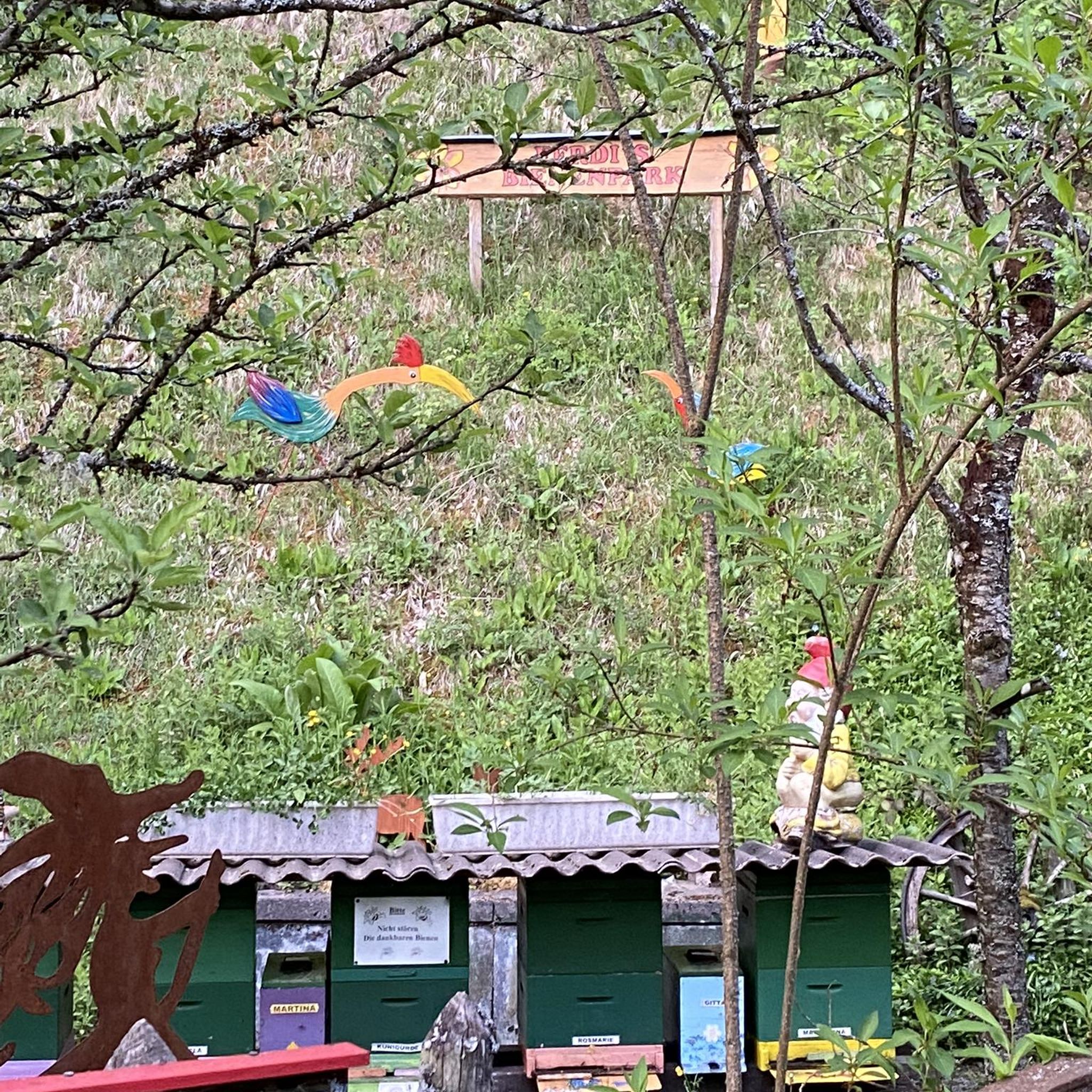
Wow, they've really gone all out there, a very large facility.
0
0
It looked great, unfortunately we could only look from the gate, the floodwaters hadn't completely receded yet and the storms had caused terrible damage.
0
0


Closes at 4pm (May 25), the courtyard has been kindly opened until 5pm.
0
0

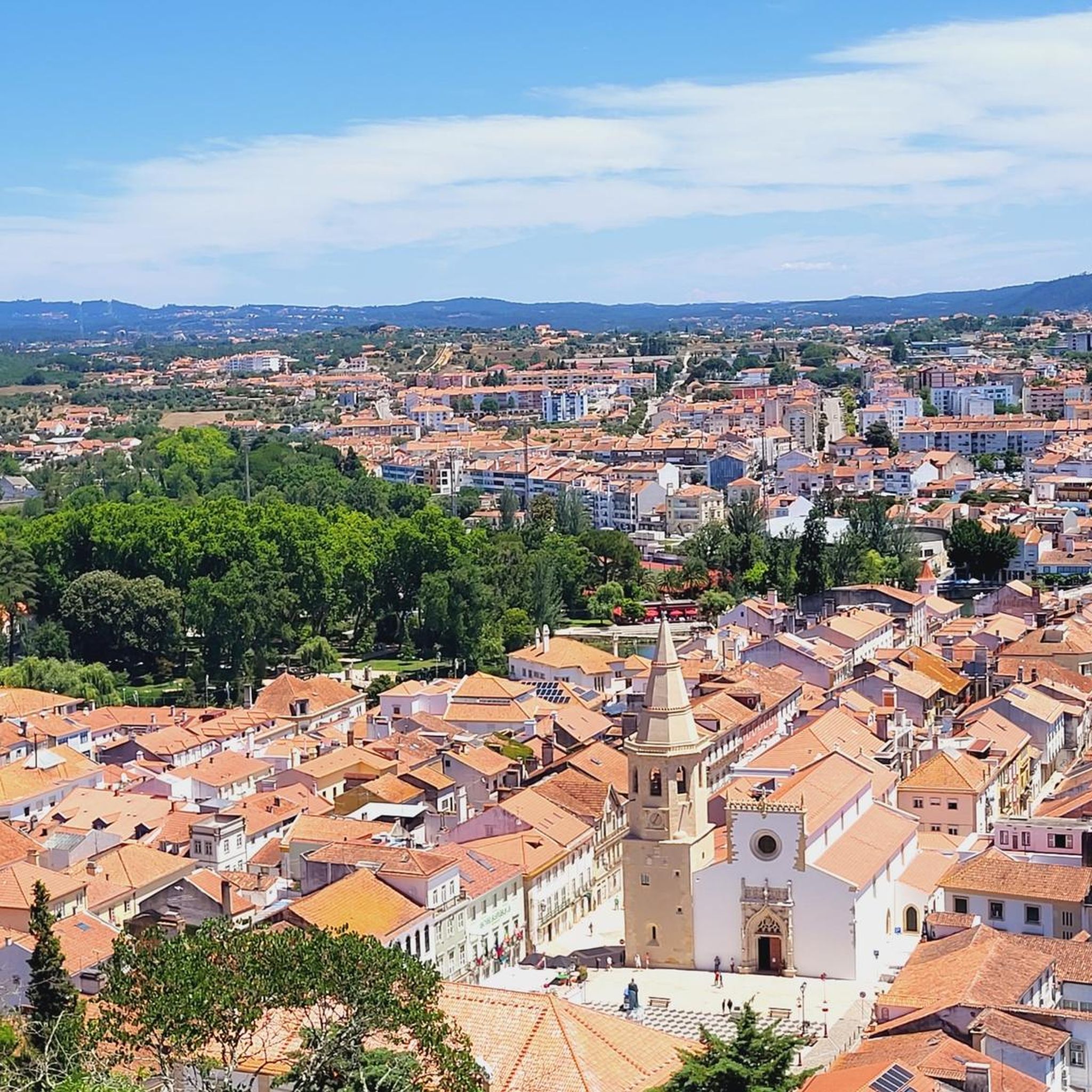
The Praça da República and the Igreja Matriz de São João Baptista are the historical and cultural heart of Tomar, a city deeply linked to the history of the Knights Templar in Portugal. This square is the nerve center of Tomar, surrounded by historic buildings and offering a charming atmosphere.
6
2

The Templar Castle was built at a strategic point to defend the territory and support the conquest beyond the Tagus River. Construction began in 1160 under the Templar Master D. Gualdim Pais. The north wing and higher ground housed the Templar Palace, with two pillars: to the east and at its highest point, the citadel with its rectangular control tower, and to the west, the fortified religious temple—the Templar Charola. Several towers and turrets are located along the extensive wall. The entire outer perimeter of this wall was protected by a rampart—a stone wall simulating a hill at the base, thus impeding the advance of assault engines, sentinels, and climbers. The wall, towers, and quadrangular and semicircular turrets contain rectilinear loopholes and broad battlements. The various military-architectural solutions undoubtedly originate from the Middle East, where King Gualdim Pais stayed for five years during the Crusades. The Charola was probably built or completed shortly after the fortifications and is intended to commemorate the Holy Sepulchre and Solomon's Temple. This castle was also the headquarters of the Knights Templar in Portugal. https://opctj.pt/castelo-templario-charola-e-convento-de-cristo-de-tomar/ The castle complex, with its walls and extensive gardens, is open to the public free of charge.
1
0
The Church of Saint John the Baptist (Portuguese: Igreja de São João Baptista) was built between the 15th and 16th centuries by King Manuel I in the Manueline style. As its name suggests, the church is dedicated to Saint John the Baptist. The church features many interesting artistic details, such as the flamboyant Gothic portal, the Manueline tower with a 16th-century clock, the decorated capitals of the interior columns of the nave, and several panels painted in the 1530s by one of Portugal's most important Renaissance artists, Gregório Lopes.
2
2
A rather old arched road and pedestrian bridge connecting the two banks of the Nabão River in the city of Tomar. It is said that the Romans first crossed the Nabão River on this site. It was rebuilt in the 16th century and widened in the 19th century, with the stone railings removed and replaced with metal ones. It was completely redesigned in the first half of the 20th century, with the railings renewed and widened, and the piers and buttresses stabilized. It makes a stunning photo opportunity, especially at dusk and from the nearby parks.
1
0
Frequently Asked Questions
How many touring cycling routes are available around Madalena e Beselga?
There are over 25 touring cycling routes available around Madalena e Beselga, offering a variety of experiences for different skill levels.
What kind of terrain can I expect on touring cycling routes in this region?
The terrain around Madalena e Beselga features a mix of rural paths and routes connecting to the nearby municipality of Tomar. You can expect varied landscapes, including historical aqueducts, river valleys, and some routes with significant elevation gain, particularly those extending towards the Castelo de Bode Dam area.
Are there any easy touring cycling routes suitable for beginners?
While many routes in the area are rated moderate to difficult, there is at least one easy touring cycling route available. For a moderate option, consider the Almourol Hill Track – Water Fountain loop from Santa Cita, which covers 35.3 km with a manageable ascent.
What historical landmarks or natural attractions can I see while cycling?
The region is rich in historical and natural attractions. You can cycle past the impressive Aqueduto dos Pegões, a 6 km long aqueduct. Routes also connect to Tomar, where you can explore the Convent of Christ and Castle of Tomar, a UNESCO World Heritage site, or enjoy the scenic Mouchão Park by the Nabão River.
Are there any long-distance touring cycling routes in the area?
Yes, for those seeking a longer ride, the Castelo de Bode Dam – Bridge Over the Zêzere loop from Santa Cita is an excellent option. This route spans 81.8 km and typically takes around 5 hours 28 minutes to complete, leading through the wider region with significant elevation.
What do other touring cyclists enjoy most about cycling in Madalena e Beselga?
The touring cycling routes around Madalena e Beselga are highly rated by the komoot community, with an average score of 4.4 stars. Cyclists often praise the diverse terrain, the historical context provided by landmarks like aqueducts, and the scenic river valleys, as well as the connection to cultural sites in Tomar.
Are there any circular touring cycling routes available?
Many of the touring cycling routes in the area are designed as loops, offering convenient starting and ending points. Examples include the Castelo de Bode Dam – Republic Square, Tomar loop from Tomar and the Mata Nacional dos Sete Montes – Aqueduto dos Pegões loop from Tomar.
What is the best time of year to go touring cycling in Madalena e Beselga?
While specific seasonal recommendations are not provided, the region's climate generally makes spring and autumn ideal for cycling, offering milder temperatures and pleasant conditions for exploring the historical sites and natural landscapes.
Can I find routes that pass through natural parks or forests?
Yes, you can find routes that incorporate natural elements. For instance, the Mata Nacional dos Sete Montes – Aqueduto dos Pegões loop from Tomar passes near the Mata Nacional dos Sete Montes, a national forest, offering a greener cycling experience.
Are there any routes that offer views of the Nabão River?
Yes, the Nabão River is a prominent natural feature in the area, particularly around Tomar. Routes that pass through or near Mouchão Park in Tomar will offer scenic views of the river and its banks.
Are there any routes that explore the historical center of Tomar?
Absolutely. Routes like the Tomar Town Hall – Republic Square, Tomar loop from Tomar will take you through the heart of Tomar, allowing you to experience its historical and cultural nucleus, including Republic Square and the Church of Saint John the Baptist.
Most popular routes around Madalena e Beselga e Beselga e Beselga
Most popular attractions around Madalena e Beselga e Beselga e Beselga

Get inspired with the komoot mobile app


Explore more
Browse the best Cycling routes in other regions.
