The best road cycling routes around Pedrógão
4.2
(25)
1,352
riders
131
rides
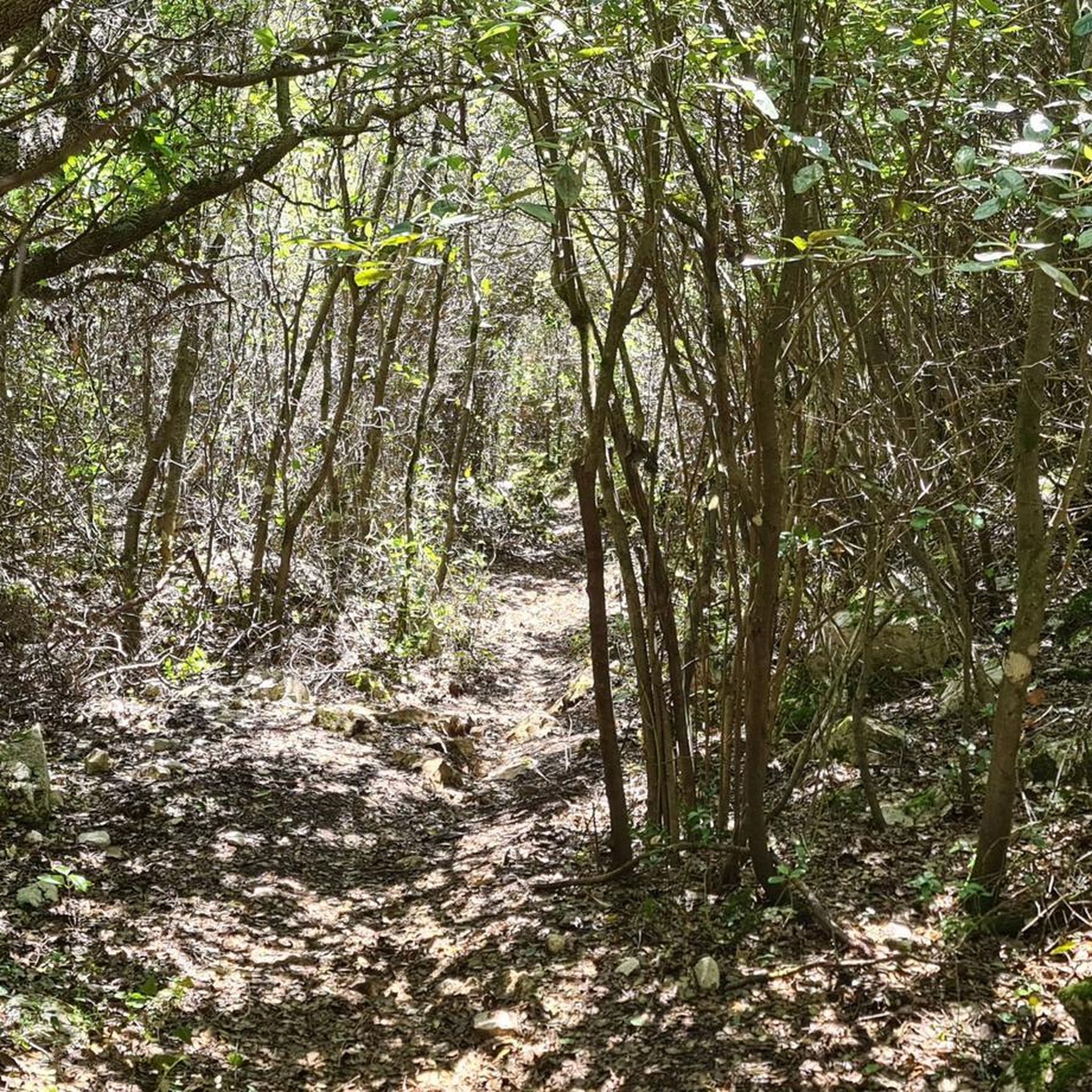
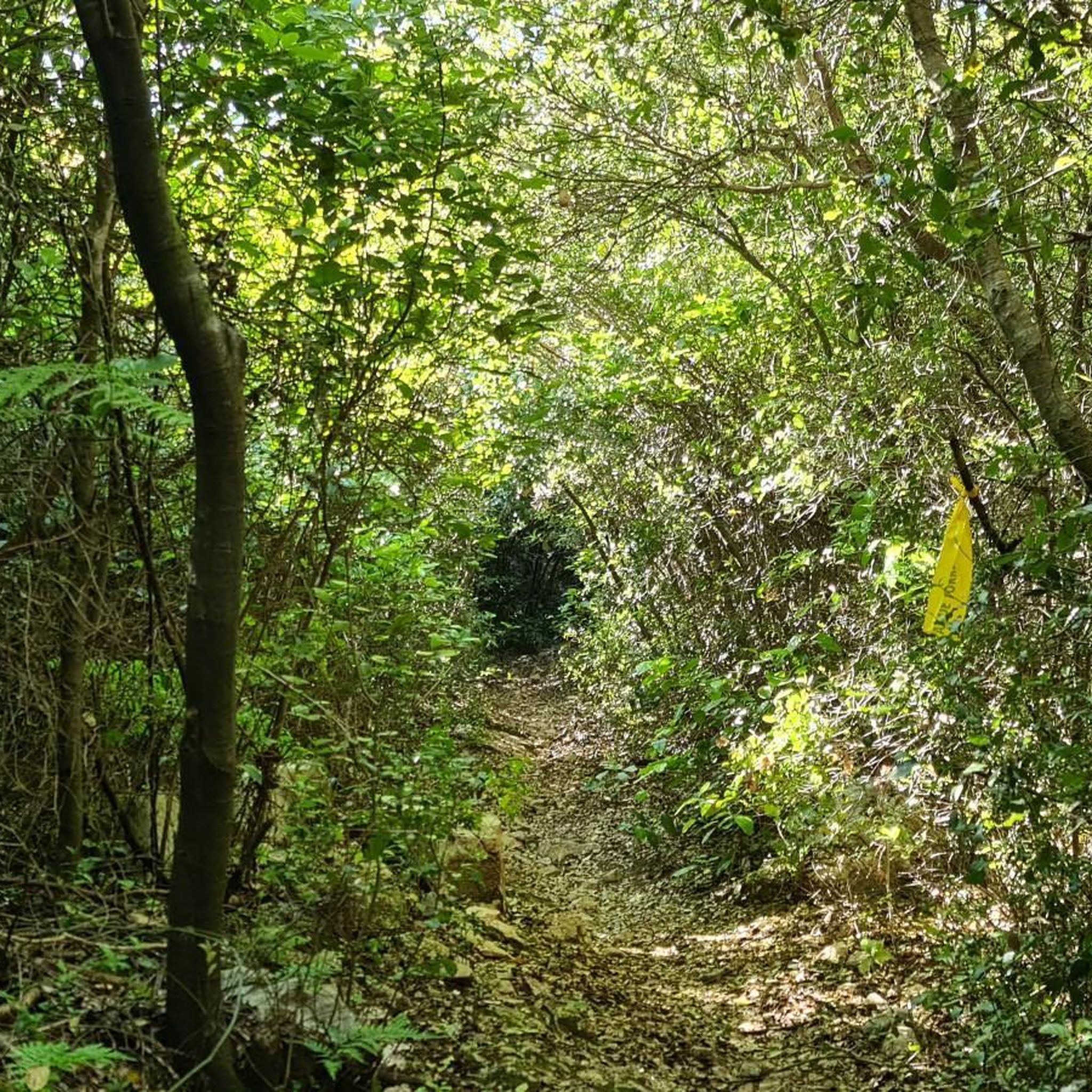
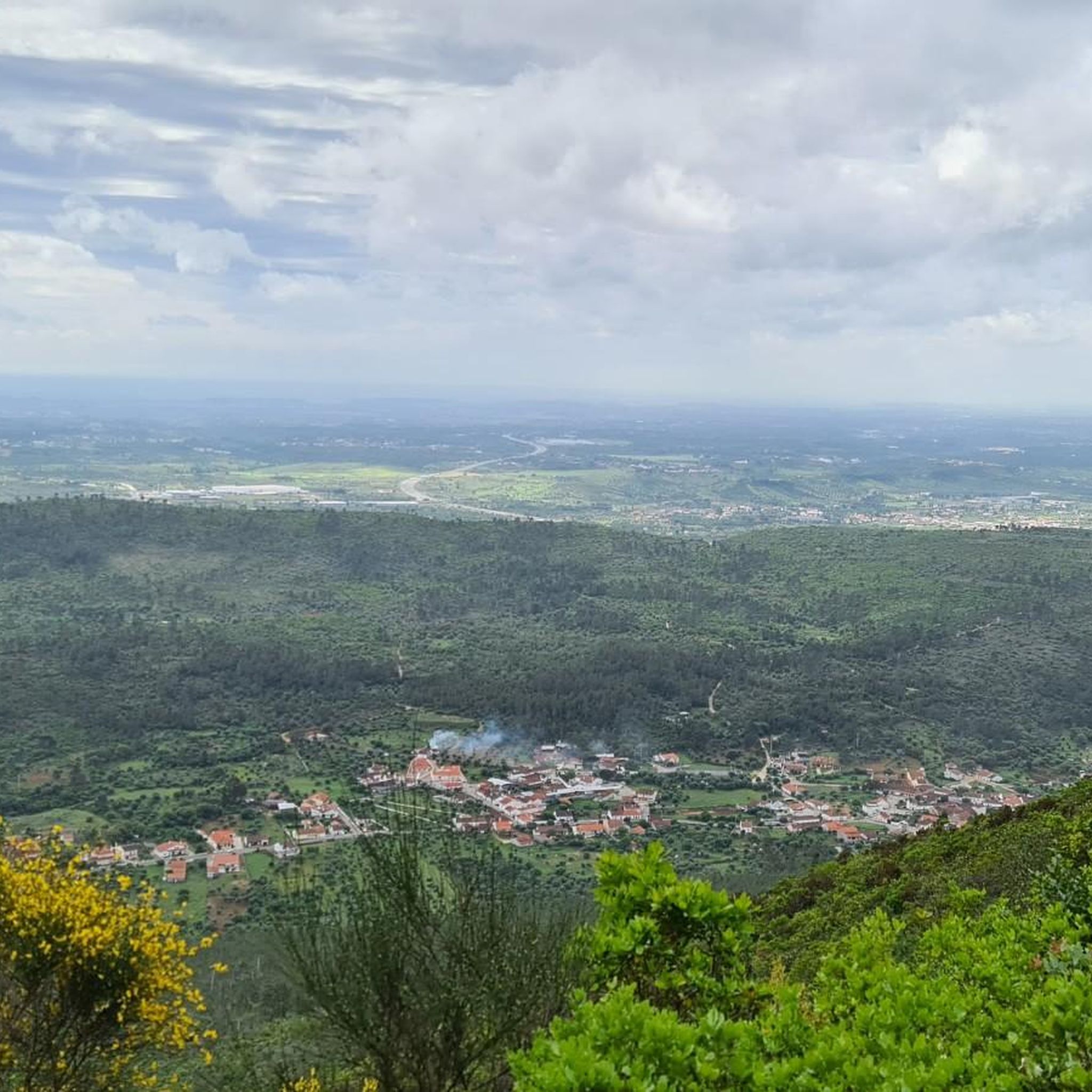
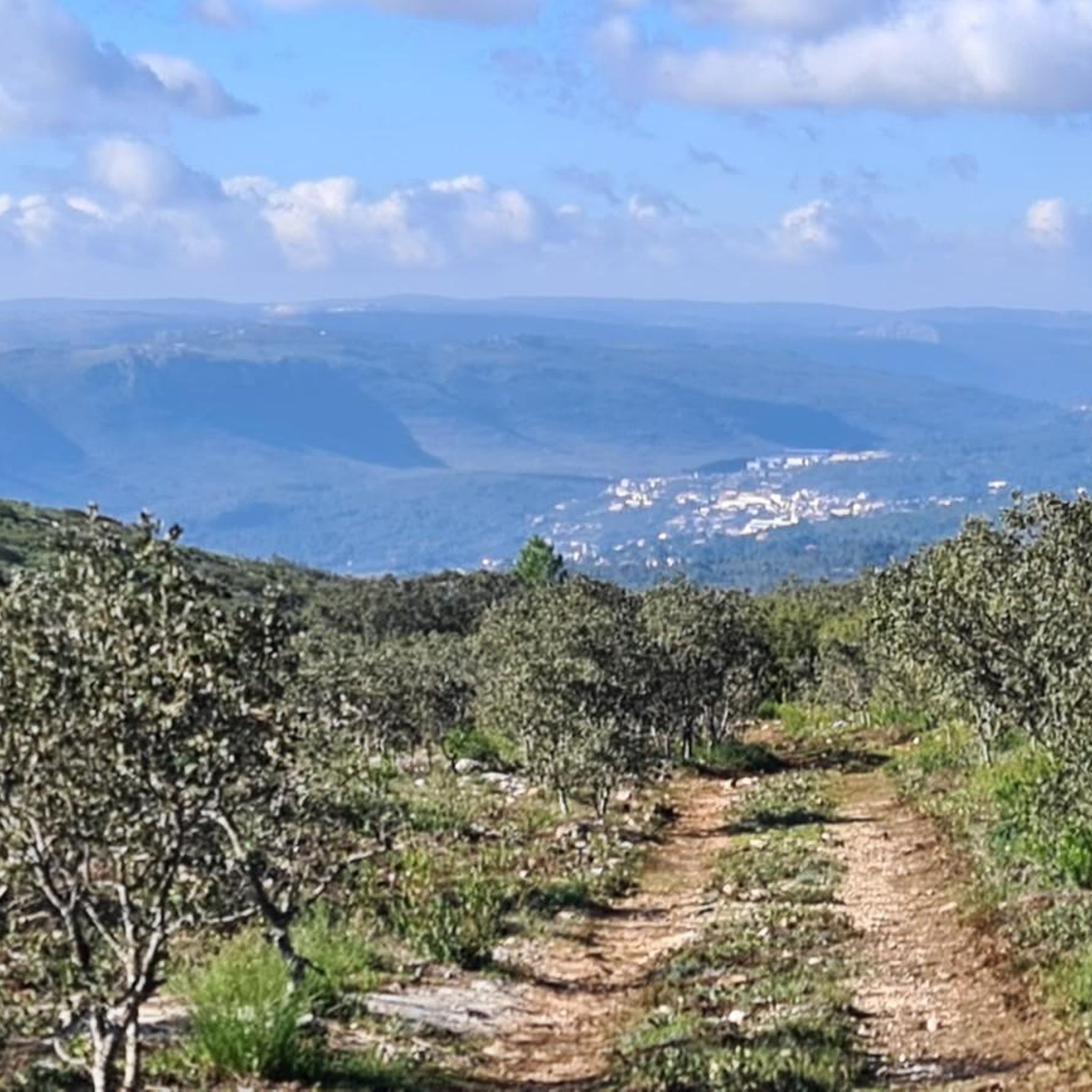
Road cycling around Pedrógão features a landscape characterized by rolling hills and rural roads, offering varied terrain for cyclists. The region includes areas with moderate ascents and descents, connecting historic towns and villages. Cyclists can expect routes that traverse agricultural lands and provide views of the Portuguese countryside. The elevation changes across routes indicate a mix of challenging climbs and flatter sections.
Best road cycling routes around Pedrógão
- The most popular road cycling route is Fátima Village Entrance – Fátima…
Last updated: November 8, 2026
3.0
(1)
30
riders
54.0km
02:38
730m
730m
Moderate road ride. Good fitness required. Mostly well-paved surfaces and easy to ride.
16
riders
56.0km
02:39
680m
680m
Moderate road ride. Good fitness required. Mostly well-paved surfaces and easy to ride.

12
riders
55.1km
02:23
270m
270m
Moderate road ride. Good fitness required. Mostly well-paved surfaces and easy to ride.
13
riders
51.3km
02:24
480m
480m
Moderate road ride. Good fitness required. Mostly well-paved surfaces and easy to ride.
11
riders
26.5km
01:17
290m
290m
Easy road ride. Mostly well-paved surfaces and easy to ride.
Get access to more routes and recommendations from other explorers.
Already have an account?
Our route recommendations are based on thousands of hikes, rides, and runs completed by other people on komoot.
Start today with a free account
Your next adventure awaits.
Tips from the Community

"Fātima bint Muhammad" and to this day the stage of the «Reconquista»🤔!
0
1

A modern take on a Basilica. Very roomy, with plenty of clear view to the alter.
1
1

A wonderful, unusual monument to a difficult job and the people who did it.
4
1

The house where José Saramago was born is located in the village of Azinhaga, in the municipality of Golegã, district of Santarém, Portugal. The Azinhaga House Location: The house is located on Rua da Igreja, in Azinhaga, a typical village in Ribatejo, known for its landscape of fertile fields and its proximity to the Tagus River. Foundation: Currently, the childhood home houses the José Saramago Foundation Delegation in Azinhaga, a space of memory that recreates the environment of the writer's childhood and houses a library and an auditorium. Visits: The place is open to visitors who wish to learn about the roots of the only Nobel Prize winner in Literature in the Portuguese language. The Lanzarote House Although he was born in Azinhaga, the writer's most emblematic residence is "The House" in Tías, on the island of Lanzarote, Spain. It was there that he lived for much of his adult life, and where his vast personal library is located; today it functions as the José Saramago House-Museum and is open to the public.
2
0
Pombalinho is a town in the district of Santarém, Portugal, known for being frequently affected by floods. This reputation is due to its strategic location on the right bank of the Tagus River and near the Alviela stream, in a floodplain area. Why do floods occur? Proximity to the Tagus River: The main cause of the floods is the town's location near the Tagus Riverbed. During rainy winters, the river overflows and floods the surrounding areas, which are alluvial plains. Increased flow rates: Heavy rainfall in Portugal, along with discharges from upstream Spanish dams, cause a significant increase in water levels and flow rates of the Tagus, resulting in floods in the Lower Tagus. Affected communication routes: Floods frequently submerge local and national roads, such as the EN 365 at Ponte do Alviela, temporarily isolating Reguengo do Alviela and other neighboring towns. Impact and Local Resilience Historical Events: Pombalinho has a history of major floods, with notable events recorded in 1964 and 1979. Adaptation of Residents: Local residents accept, to some extent, these periodic floods as part of life in the region, although abnormally high floods cause damage and concern. Alert and Prevention: Civil protection authorities issue warnings to the population during critical periods, asking them to take the necessary actions to protect themselves, their families, and property.
2
0

Machine used for road maintenance in the 1970s. Employees nicknamed it the Black Widow.
19
0

In the village of Casais Robustas, along the road to Fatima, there's a very nice café filled with trophies from the pilgrims—flags, shirts, and other items. The staff is very friendly to the pilgrims.
0
0
The Golegã National Horse Fair, also known as the São Martinho Fair, is an event with historical roots dating back to 1571, when it was established as an annual fair. Over the centuries, the fair has evolved and established itself as an important center for the exhibition and sale of the Lusitano horse, attracting breeders, riders and enthusiasts from all over the country and abroad.
13
0
Frequently Asked Questions
How many road cycling routes are available in Pedrógão?
There are over 150 road cycling routes in the Pedrógão area, offering a wide range of options for different skill levels and preferences.
Are there easy road cycling routes in Pedrógão suitable for beginners?
Yes, Pedrógão offers 14 easy road cycling routes. An example is the Castelo De Torres Novas loop from Rendufas da Mata, which is 26.5 km long with moderate elevation changes, making it a good option for those new to road cycling.
What are some longer road cycling routes available in the Pedrógão area?
For longer rides, consider the Fátima Village Entrance – Fátima Cycle Route loop from Rendufas da Mata, which spans 55 km. Another option is the Mouchão Park – Mouchão Hydraulic Wheel loop from Rendufas da Mata, covering 53.2 km.
What kind of terrain can I expect on road cycling routes around Pedrógão?
The road cycling routes around Pedrógão are characterized by rolling hills and rural roads. You'll find a mix of moderate ascents and descents, traversing agricultural lands and connecting historic towns and villages, offering varied terrain for cyclists.
What do other road cyclists enjoy most about road cycling in Pedrógão?
The area is highly rated by the komoot community, with an average score of 4.1 stars from over 20 reviews. Cyclists often praise the varied terrain, the scenic views of the Portuguese countryside, and the network of routes that connect charming local areas.
Are there any viewpoints along the road cycling routes in Pedrógão?
Yes, many routes offer scenic views. For example, the Ascent from Minde to the viewpoint – Porto de Mós Castle loop from Minde specifically highlights a viewpoint. You can also find natural viewpoints like Cimo da Lagoa and the Geodetic Vertex of Serra de Aire in the wider region.
What natural attractions can I explore near the road cycling routes?
The region is home to several natural attractions. You can visit the Serras de Aire e Candeeiros Natural Park, explore the Grutas de Mira de Aire (caves), or see the Peão Fountain - Monsanto. These offer opportunities to extend your trip beyond cycling.
Are there any historical landmarks to see while road cycling in Pedrógão?
Yes, several routes pass by or offer views of historical landmarks. The Ascent from Minde to the viewpoint – Porto de Mós Castle loop from Minde includes views of Porto de Mós Castle. The region's routes often connect historic towns and villages, providing glimpses into local heritage.
Are there circular road bike routes available in Pedrógão?
Yes, many of the road cycling routes in Pedrógão are designed as loops. Examples include the popular Grutas de Santo António loop from Moitas Venda and the Fátima Village Entrance – Fátima Cycle Route loop from Rendufas da Mata, allowing you to start and end at the same point.
What is the best time of year for road cycling in Pedrógão?
Pedrógão generally offers pleasant cycling conditions for much of the year. Spring and autumn are often ideal, with milder temperatures and less rainfall. Summer can be warm, especially in the midday, while winter offers cooler rides, though some routes might be affected by rain.
Are there routes suitable for advanced road cyclists looking for a challenge?
Yes, Pedrógão has 20 difficult road cycling routes for experienced riders. These routes feature more significant climbs and descents, providing a greater physical challenge. The varied elevation changes across the region ensure there are options for those seeking demanding rides.
Most popular routes around Pedrógão
Most popular attractions around Pedrógão

Get inspired with the komoot mobile app


Explore more
Browse the best Road cycling routes in other regions.
