The best road cycling routes around Alcácer Do Sal (Santa Maria Do Castelo)
4.9
(10)
119
riders
Road cycling routes around Alcácer Do Sal (Santa Maria Do Castelo) traverse a landscape shaped by the Sado River and its estuary, featuring extensive rice fields and cork oak woodlands. The terrain primarily consists of flat, expansive areas alongside the river, transitioning to gently rolling plains and some scenic dune landscapes closer to the coast. Elevation gains are generally moderate, with some routes offering more significant climbs.
Best road cycling routes around Alcácer Do Sal (Santa Maria Do Castelo)
- The…
Last updated: May 15, 2026
5.0
(5)
32
riders
51.6km
02:19
500m
500m
Moderate road ride. Good fitness required. Some segments of this route may be unpaved and difficult to ride.
4.8
(5)
13
riders
38.4km
01:46
380m
380m
Moderate road ride. Good fitness required. Some segments of this route may be unpaved and difficult to ride.

Sign up for free
11
riders
37.6km
01:35
240m
250m
Easy road ride. Great for any fitness level. Mostly well-paved surfaces and easy to ride.
13
riders
91.4km
04:17
1,020m
1,020m
Hard road ride. Very good fitness required. Some segments of this route may be unpaved and difficult to ride.
9
riders
64.9km
03:02
710m
710m
Moderate road ride. Good fitness required. Some segments of this route may be unpaved and difficult to ride.
Our route recommendations are based on thousands of hikes, rides, and runs completed by other people on komoot.
Start today with a free account
Your next adventure awaits.
Login or Signup
Tips from the Community

Grândola, Vila Morena is a famous Portuguese protest song composed in 1971 by singer-songwriter José Afonso. It became internationally famous when it was broadcast on the radio as a secret signal for the start of the Carnation Revolution of April 25, 1974, which ended Salazar's dictatorship. The song owes its strength to a strong message of brotherhood, equality, and power to the people. You can delve deeper into its history and social impact by consulting the article by Cultweek, or discover the lyrics, chords, and translation on IlDeposito.org.
1
0

The link to Zeca Afonso's song, "Grândola, Vila Morena", is as follows: https://youtu.be/gaLWqy4e7ls?is=IVnBFCPiYAqt0hJk
8
0
Grândola, Vila Morena is a poem and song composed and sung by José Afonso, chosen by the Armed Forces Movement (MFA) as the second signal to set the rebellious military in motion, initiating the Revolution of April 25, 1974. The song, revolutionary from the start, became the anthem of the Revolution. It was written and recorded in October 1971, after a visit to the Sociedade Musical Fraternidade Operária Grandolense in Grândola, in Alentejo. The song was released on the album Cantigas do Maio with the direction of José Mário Branco, recorded in Hérouville, France, which came out in December of that year. Although not initially conceived as a protest song, the changes made at the time of recording gave it a highly political message in the context of the Estado Novo dictatorship. Grândola, Vila Morena became a symbol of the popular struggle and a national heritage, known by Portuguese society at large. (Source: Wikipedia) https://youtu.be/gaLWqy4e7ls?is=74KdykCGenB6jR6R
11
0

Added to the collection: https://www.komoot.com/de-de/collection/3600632/-naturdenkmaeler-besondere-baeume-und-weitere-schaetze-der-natur
0
0

Ancient, magnificent olive trees that are still alive.
2
0
French patisserie in Portugal. Great stuff.
6
0
French bakery and pastry The bosses are French. You can find bread 🍞, artisanal ice creams, cakes and pastries like croissants 🌙, pain au chocolat, chouquettes for example. Everything is homemade in an artisanal way. The products are exactly the same as what you find in an artisanal bakery in France.
19
0

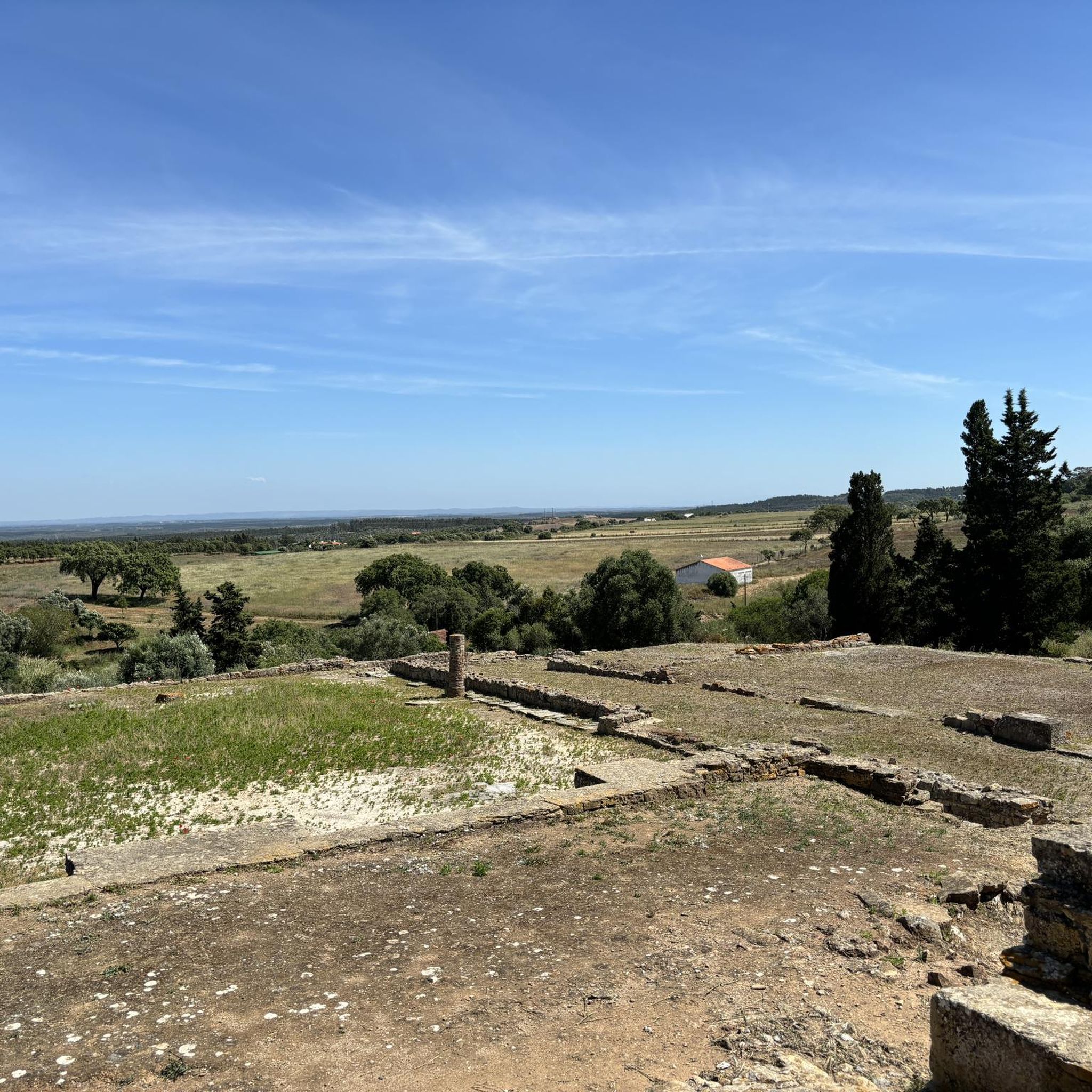
The castle has a roughly rectangular floor plan and its walls still show traces of a Muslim fortress. The castle of Santiago do Cacém has been classified as a national monument since 1910. What is actually unusual is the cemetery within the castle walls.
4
2
Frequently Asked Questions
What kind of terrain can I expect on road cycling routes around Alcácer Do Sal?
The terrain around Alcácer Do Sal is quite diverse. You'll find extensive flat areas, particularly alongside the Sado River and through the vast rice fields. As you move further from the river, the landscape transitions to gently rolling plains and cork oak woodlands. Closer to the coast, some routes feature scenic dune landscapes, offering varied visual experiences.
Are there road cycling routes suitable for beginners in Alcácer Do Sal?
Yes, there are routes suitable for various fitness levels. For beginners, the region offers easier options with minimal elevation gain. An example is the Bikeshop loop from Grândola, which is rated as easy and covers about 37.6 km with moderate elevation.
What are some notable landmarks or viewpoints I can see while road cycling in the area?
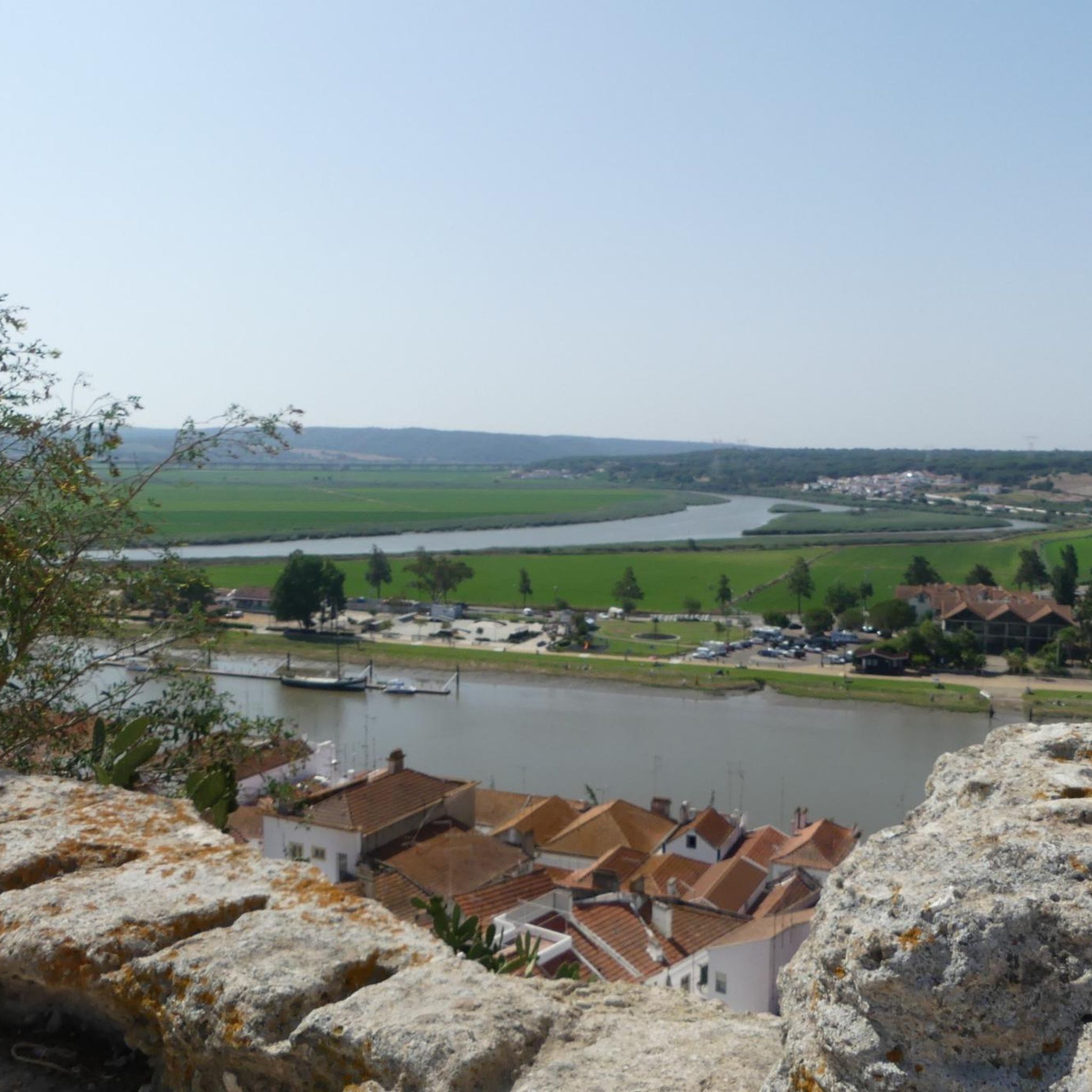
Road cycling routes in Alcácer Do Sal offer views of several interesting landmarks and natural features. You can enjoy panoramic views of the Sado River and the town from the View of Alcácer do Sal. The Sado Estuary Nature Reserve is a prominent natural feature, and you might even spot the unique Carrasqueira Palafitic Pier on some routes. The Church of Santa Maria and Cross of the Sanctuary of Senhor dos Mártires also offers a historical point of interest.
Are there any long-distance or challenging road cycling routes available?
Absolutely. For those seeking a challenge, routes like the View of Sesimbra – Millenary Olive Trees of Azeitao loop from Praias do Sado-A offer a difficult rating, covering over 91 km with significant elevation gain. The region also connects to segments of the National Road 2 (EN2) and the Rota Vicentina, appealing to long-distance cyclists.
What is the best time of year for road cycling in Alcácer Do Sal?
The Alentejo region, including Alcácer Do Sal, generally offers pleasant cycling conditions outside of the peak summer months. Spring (March to May) and Autumn (September to November) are ideal, with milder temperatures and less chance of extreme heat, making for comfortable rides through the rice fields and cork oak woodlands.
Are there circular road cycling routes around Alcácer Do Sal?
Yes, many of the road cycling routes in the area are designed as loops, allowing you to start and finish at the same point. Examples include the Melides Fair loop from Grândola and the Ribeira de Grândola loop from Grândola, providing convenient options for exploration.
What do other road cyclists think about the routes in Alcácer Do Sal?
The road cycling routes around Alcácer Do Sal are highly regarded by the komoot community, with an average rating of 4.9 stars from over 10 reviews. Cyclists often praise the tranquil setting, the unique landscapes of the Sado Estuary and rice fields, and the variety of routes available for different skill levels.
Can I find road cycling routes that include historical sites?
Yes, the region is rich in history. While cycling, you can explore the historic town of Alcácer do Sal itself, with its medieval castle offering panoramic views. The castle also houses an archaeological crypt with Roman and medieval remains. The Church of Santa Maria and Cross of the Sanctuary of Senhor dos Mártires is another historical point of interest along some routes.
Are there opportunities for birdwatching while cycling in the Sado Estuary area?
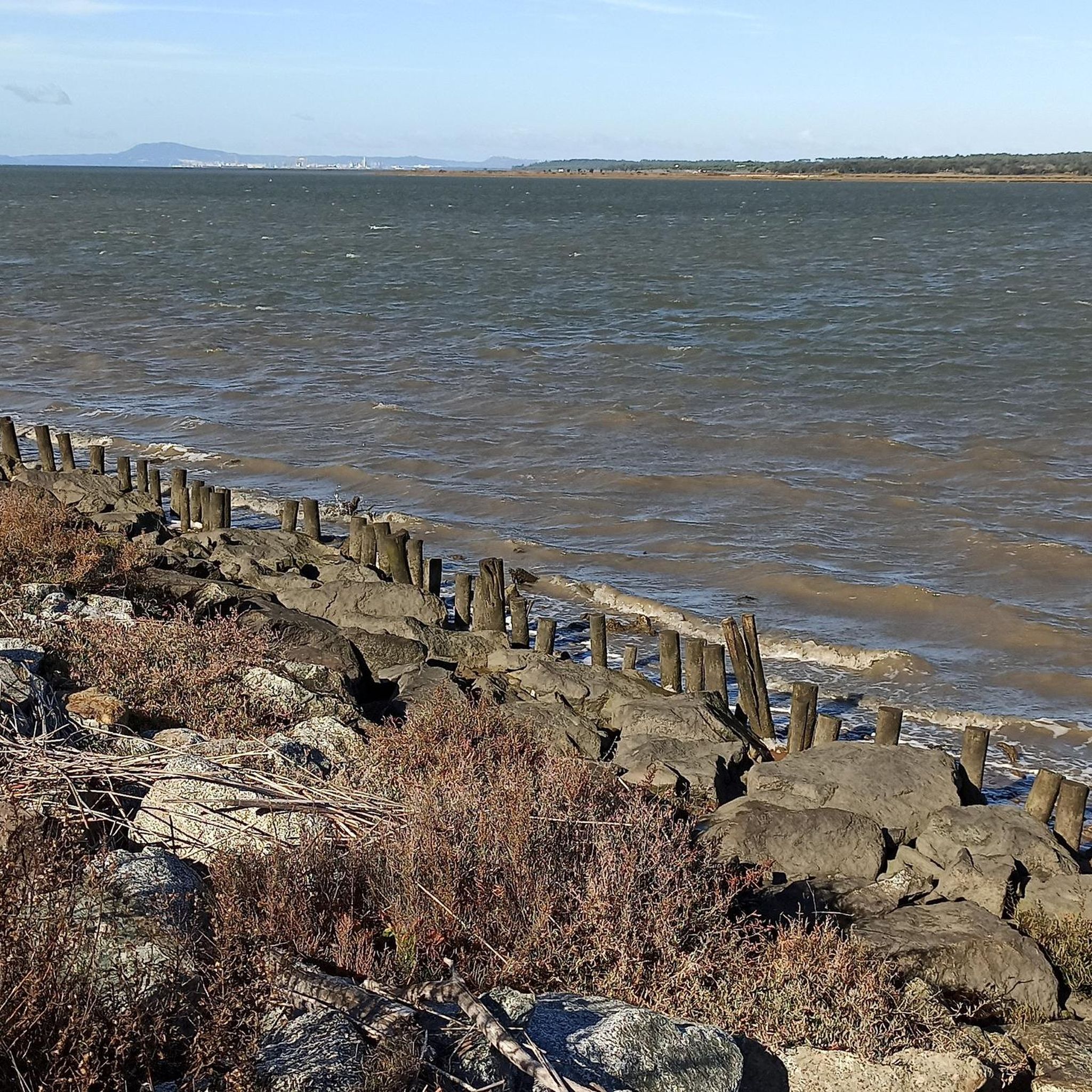
Absolutely. The Sado Estuary is a protected area and a crucial habitat for numerous aquatic bird species, including flamingos, pochards, and herons. Cycling alongside the estuary, particularly on routes that pass through or near the Sado Estuary Nature Reserve, offers excellent opportunities for birdwatching.
What are the typical elevation gains on road cycling routes in this region?
Elevation gains vary significantly depending on the route. Many routes along the Sado River and through the rice fields are relatively flat. However, routes that venture into the cork oak woodlands or towards the coast can feature more substantial climbs. For instance, the Coast View Deluxe – Arrábida Scenic Road loop from Praias do Sado-A includes over 800 meters of elevation gain.
Is Alcácer Do Sal a good base for exploring the Alentejo coast by bike?
While Alcácer Do Sal is inland, it serves as a convenient gateway to the Alentejo coast. Areas like Comporta and the Tróia Peninsula, known for their stunning white-sand beaches and dunes, are within reach for longer cycling excursions, allowing you to combine river and coastal landscapes.
Most popular routes around Alcácer Do Sal (Santa Maria Do Castelo)
Most popular attractions around Alcácer Do Sal (Santa Maria Do Castelo)

Get inspired with the komoot mobile app


Explore more
Browse the best Road cycling routes in other regions.
