Attractions and Places To See around Carvalhal - Top 20
Best attractions and places to see around Carvalhal include a blend of natural landscapes and historical sites. This region on Portugal's Alentejo Coast features extensive rice fields, pine forests, and coastal areas. Visitors can explore a variety of cultural and natural landmarks, offering insights into local history and ecosystems. The area provides opportunities for outdoor activities and discovery.
Best attractions and places to see around Carvalhal
- The most popular attractions is Windmills of Serra do Louro, a man_made_monument that…
Last updated: November 1, 2026
Windmills of Serra do Louro
Highlight (Segment) • Monument
Tip by

Fort of São Filipe, Setúbal
Highlight • Castle
Tip by

Sign up now to discover places like this
Get recommendations on the best single tracks, peaks, & plenty of other exciting outdoor places.
Formosinho Peak
Highlight • Summit
A very tough climb, an even tougher descent... Not accessible to everyone...
Translated by Google •
Tip by
The Cat and the Wind – Casa do Turismo de Setúbal
Highlight • Monument
Translated by Google •
Tip by

Castle of Palmela
Highlight • Castle
en.m.wikipedia.org/wiki/Castle_of_Palmela
Translated by Google •
Tip by

Sign up for free to discover even more attractions around Carvalhal.
Already have an account?
Start today with a free account
Your next adventure awaits.
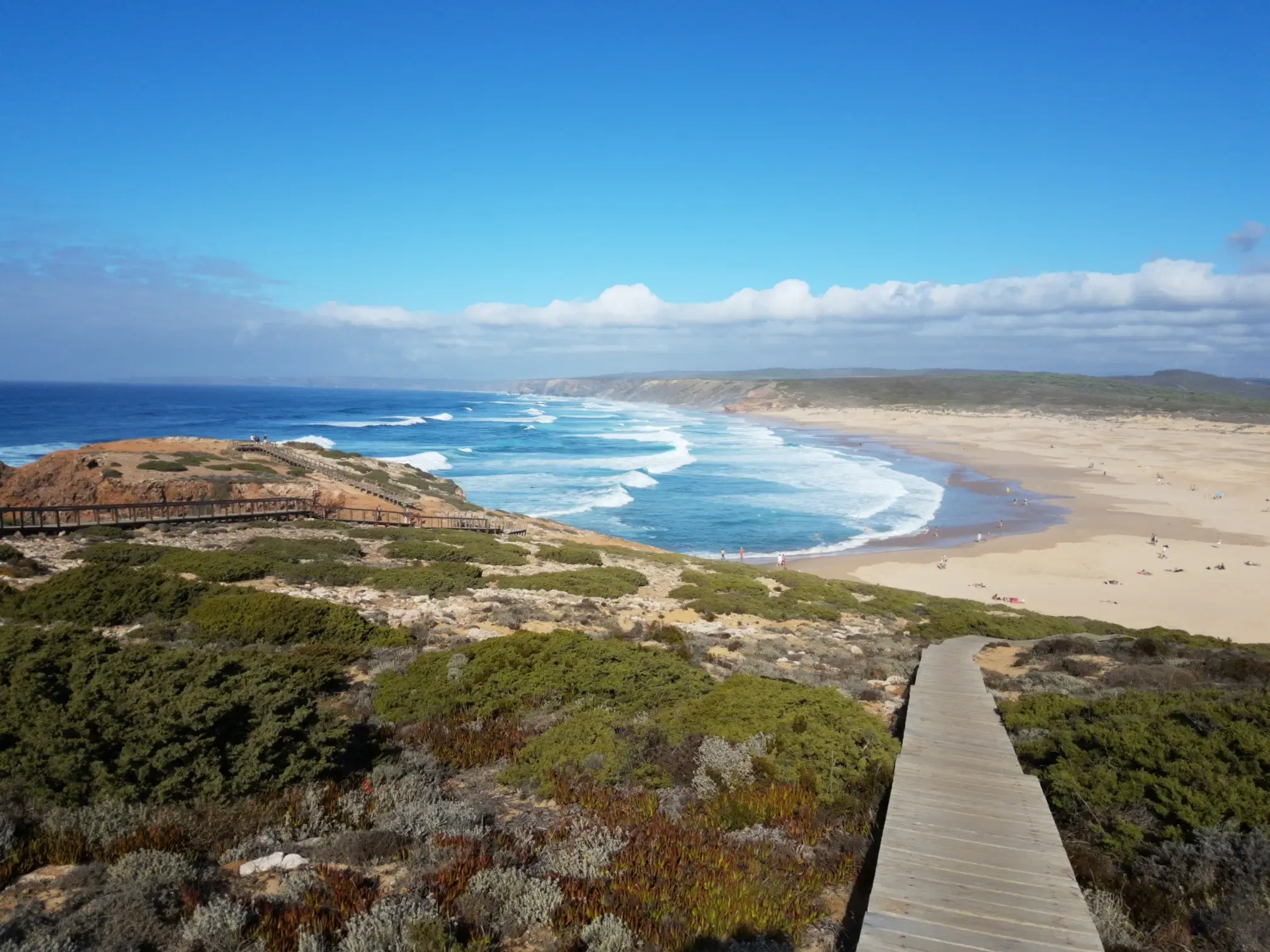
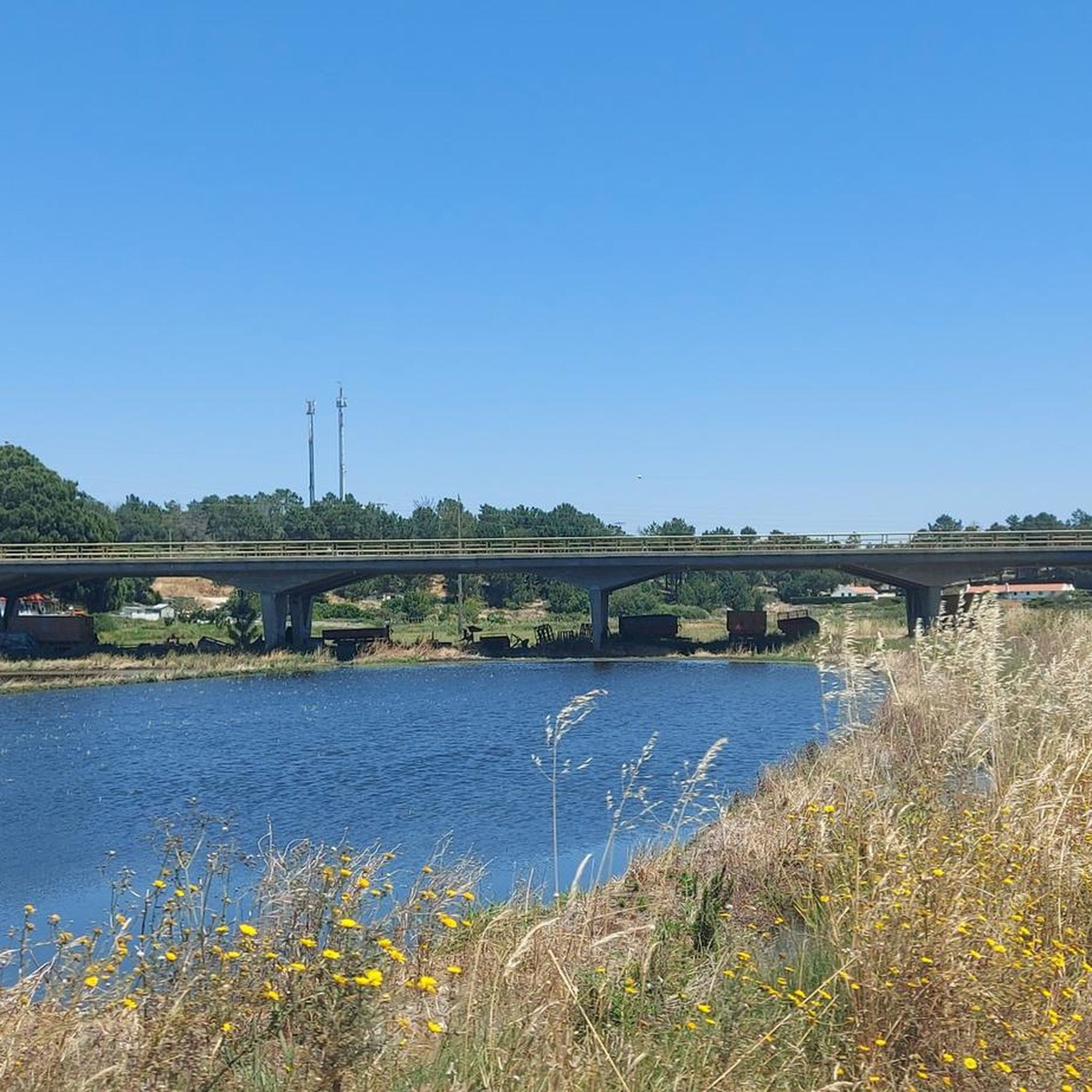
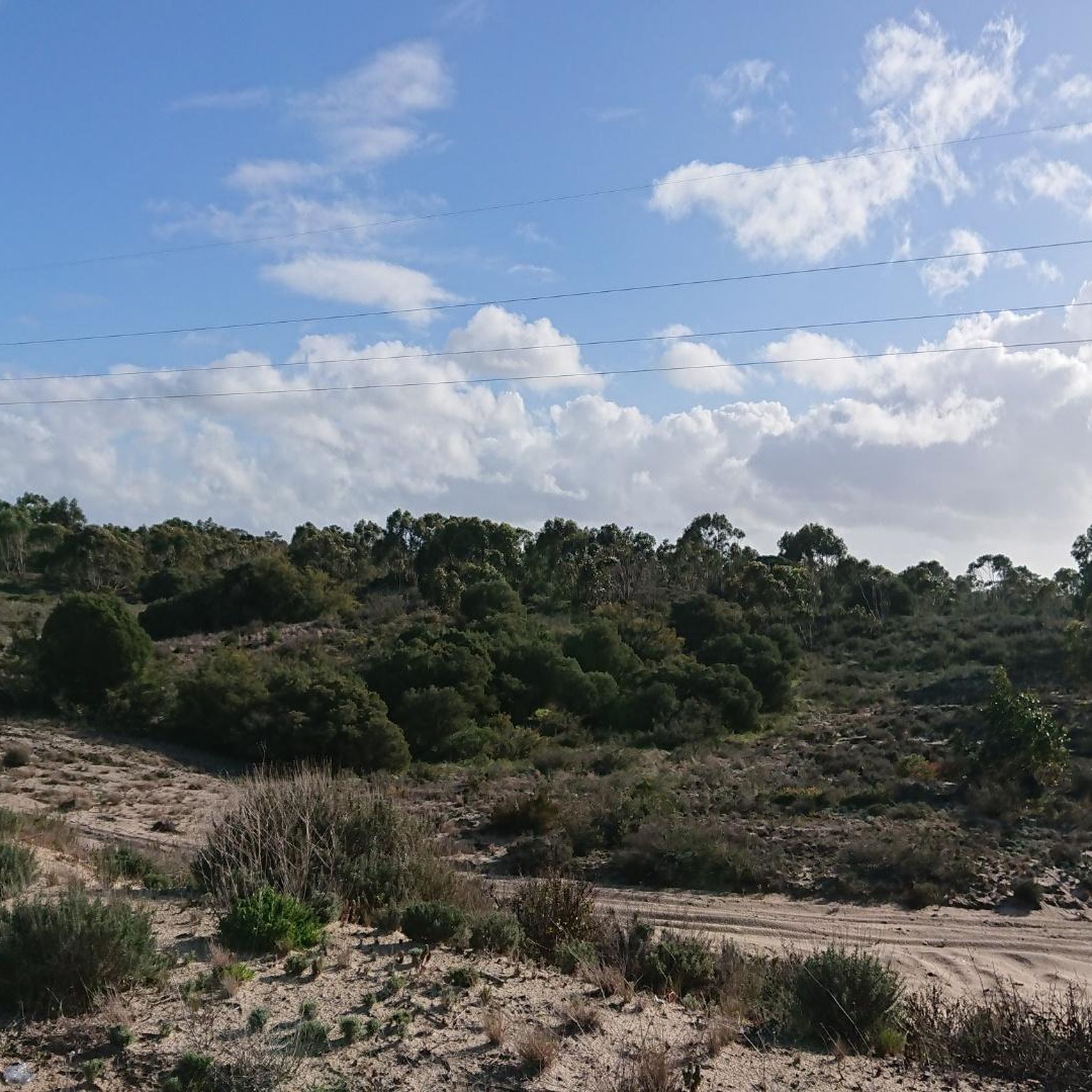

Other adventures around Carvalhal

Tips from the Community

In wartime situations, it controlled the space between Lisbon and the South, between the Tagus and Sado rivers. During the Islamic period and the Christian offensive in the 12th and 13th centuries, this geostrategic position was compatible with other fortified sites—Coina, Sesimbra, and the Sado riverbank. In the surrounding area—with good conditions for grazing and a large area of agricultural land—some rural communities settled during the Islamic period, such as the village of Alto da Queimada (Serra do Louro). Inside the wall, the ruins of the Church of Santa Maria do Castelo welcome visitors: Palmela's first parish church, probably from the 12th century (founded by King Afonso Henriques?), subject to interventions mainly in the 16th and 17th centuries and severely damaged by the 1755 earthquake. The walls, the pentagonal Keep—a 16th-century construction—are part of the original structure. The castle dates back to the 14th century, where the Bishop of Évora, D. Garcia de Meneses, was imprisoned in the waterless cistern for conspiring against King John II. The bishop died there from poisoning in 1484. The parade ground and barracks are worth visiting. As it stands, the castle is the result of several construction campaigns—repairs, reconstructions, and expansions—up until the 18th century. Archaeological work has identified some sections of the wall from the Islamic period, and other construction phases are recognized, likely dating from the post-reconquest period and, later, from the reign of King John I. The bastion system that surrounds the first line of fortification was commissioned by King Pedro II. In the house of the Prior-Major of the Order, or the military commander of the fortress—after the abolition of the orders (in 1834)—the explorer of African lands, Hermenegildo Carlos de Brito Capelo, son of the fortress's governor, was born on February 4, 1841. Palmela Castle was classified as a National Monument by Decree-Law of June 16, 1910. Parking outside the walls is recommended.
7
0

These were the "mills" of old, moved by the wind, heavy granite millstones, transformed wheat seeds into flour from which delicious bread was made, which "satisfied" the hunger of those who had little to eat.
1
0

Don't miss the opportunity to sign the summit book. The summit book is located in the small plastic container with the green lid, covered with a stone.
2
0

At the top of the Serra do Louro stand the windmills which, in the not so distant past, were an important industry for processing cereals. The force of the wind hits the open sails, turning an axle, which in turn transmits the rotation to a limestone stone that rotates on another fixed one. These stones, called "millstones", receive the cereal grains between them, transforming them into flour.
6
0
The piece is called “The Cat and the Wind” and is by the artist Ricardo Romero. It is located on top of the Casa do Turismo de Setúbal. If you have ever been for a walk in the Baixa district, you must have noticed the enormous black cat installed on the roof of the Casa do Turismo de Setúbal, in Praça do Bocage. As soon as the sculpture was installed in 2021, several images of the piece began to be shared on social media, accompanied by some questions related to the artist. After a few days of secrecy, the local authority revealed that the acrylic resin sculpture, measuring 3.80 metres long and 2.30 metres high, is by the artist Ricardo Romero, from the Matilha Studio project, known for developing works that combine urban art with social and animal causes. The piece is called “The Cat and the Wind” and, according to the artist, aims to draw attention to the hustle and bustle of everyday life and the lack of contemplation of art. “People are very used to classical statuary in cities. They look at things and don’t see them, they don’t appreciate them. Life can be lived if we contemplate it at the same time”, explained Ricardo in the same note. Despite having several possible interpretations, the work, adds Carla Tavares, Ricardo Romero’s project manager, invites the population to stop and reflect on the rush that is life today. Text copied from "New in Setúbal", author: Carolina Bico.
5
0
The project for a modern fortification to defend this stretch of the Portuguese coast dates back to the 14th century, with the construction of the Fort of Santiago do Outão, intended to control the entrance to the river bar and access to the medieval town. Aiming to expand this defense, during the reign of D. João III (1521-1557), Brás Dias was given a regiment to be the administrator of the works of the Plaza and Castle of Setúbal (July 31, 1526). Financial difficulties, which even led to the abandonment of overseas positions in North Africa (Fortress of Azamor, Fortress of Arzila, Fortress of Alcácer-Ceguer and Fortress of Safim), may have delayed the development of these works. Dating back to the time of the Philippine dynasty, its relevance is demonstrated by the fact that the sovereign Philip I (1580-1598) himself attended in person, in 1582, the laying of the foundation stone of the new fortification, designed by the Italian architect and military engineer Filippo Terzi (1520-1597). This engineer worked on the works until mid-1594, when he signed a plan and section of the fortification (8 July 1594), which was sent to the Spanish War Council. After his death, the military engineer and architect from Cremona, Leonardo Torriani, was appointed to carry out the works, and they were completed in 1600. In the context of the restoration of independence, during the reign of King John IV (1640-1656), the Governor of Arms of Setúbal, João de Saldanha, expanded this defence by adding a low battery between 1649 and 1655. It is believed that this new structure was intended to make up for the lack of artillery in covering river access to the port. In the 18th century, the chapel inside acquired its tile covering, designed by Policarpo de Oliveira Bernardes (1736). During the Pombaline consulship (1750-1777), it was not immune to the earthquake of 1755 and was used as a School of Artillerymen. In the mid-19th century, a fire destroyed the Casa do Comando, then the residence of the Governor of Arms of Setúbal.
6
0
The Fort of São Filipe de Setúbal, also referred to as the São Filipe Castle or the São Filipe Fortress, is in the city of Setúbal in the Setúbal District, of Portugal. The fort was built on the orders of Philip II of Spain (Philip I of Portugal), who personally witnessed the laying of the cornerstone of the new fortification in 1582. It stands in a dominant position on the right bank of the mouth of the Sado River, overlooking the centre of Setúbal to its east and guarding access to the river. Named after the king during the Iberian Union, the fortress was designed by Giovan Giacomo Paleari Fratino and had the Italian military engineer Filipe Terzi, who worked for the Spanish Royal Court, as its chief engineer. It was completed in 1600 under the guidance of Leonardo Torreano due to the death of Terzi.
6
0
Frequently Asked Questions
What natural attractions can I explore around Carvalhal?
Carvalhal is rich in natural beauty. You can visit Formosinho Peak, the highest point in Serra da Arrábida, offering extensive landscapes. The area also boasts stunning beaches like Carvalhal Beach and Pego Beach, known for golden sands and clear waters. Don't miss the unique Sado Estuary, a UNESCO site home to diverse wildlife including pink flamingos and dolphins, or the picturesque rice paddies and lush pine forests that offer scenic trails.
Are there any historical sites or cultural landmarks to visit near Carvalhal?
Yes, the region offers several historical and cultural sites. Explore the traditional Alentejo maritime life at Carrasqueira's Stilt Fishing Harbor, or delve into ancient history at the Roman Salt-Harvesting Ruins. Further afield, you can visit the impressive Fort of São Filipe, Setúbal, a 16th-century castle overlooking the Sado River, or the historic Windmills of Serra do Louro, which showcase the region's agricultural past.
What kind of outdoor activities can I do around Carvalhal?
Carvalhal is perfect for outdoor enthusiasts. You can enjoy water sports like surfing, kayaking, and paddleboarding at Carvalhal Beach. The extensive rice fields and pine forests provide excellent opportunities for cycling and hiking. For more structured activities, consider exploring the cork forest at Herdade do Carvalhal Vale da Estrada, or playing a round at the local golf course.
Are there family-friendly attractions or activities in Carvalhal?
Carvalhal offers several options for families. The calm waters of Carvalhal Beach are ideal for swimming and safe water activities. Exploring the Sado Estuary can be an exciting wildlife spotting adventure for children, with opportunities to see flamingos and dolphins. The scenic cycling trails through the rice paddies are also suitable for family outings.
Where can I find unique shopping and dining experiences in Carvalhal?
Carvalhal is known for its upscale shopping and exceptional gastronomy. You'll find luxury fashion stores like Fashion Clinic and Caju on the main avenue. For gourmet goods, Merceria Gomes, also known as 'Little Harrods,' is a century-old establishment. Dining options range from exquisite international cuisine at JNcQUOI at Pego Beach and Sublime Beach Club on Carvalhal Beach, to fresh seafood at Sal restaurant and O'Dinis, and casual burgers at Sal Burger.
What are the best places for hiking around Carvalhal?
The region offers diverse hiking experiences. You can find trails through the lush pine forests and the Herdade do Carvalhal Vale da Estrada Cork Forest, which is great for wildlife observation. For a challenging route with extensive views, consider the hike to Formosinho Peak. For more options, explore the various routes in the Hiking around Carvalhal guide, which includes easy walks like the Fort of São Filipe loop from Setúbal.
Are there cycling routes available near Carvalhal?
Yes, Carvalhal is a great area for cycling. The flat, scenic rice fields offer pleasant routes connecting to nearby villages like Pego and Comporta. You can find various options, including easy cycle paths and moderate routes, in the Cycling around Carvalhal guide. One popular choice is the 'Scenic dune landscape – Storks send their regards' loop.
What kind of wildlife can I expect to see in the Carvalhal area?
Carvalhal is a haven for wildlife. The Sado Estuary is a prime spot for birdwatching, particularly for pink flamingos and rare white storks. You might also spot Sado dolphins in the nearby waters. The pine forests and the Herdade do Carvalhal Vale da Estrada Cork Forest are home to rare birds, wildcats, and deer, offering excellent opportunities for wildlife discovery.
What do visitors enjoy most about the attractions around Carvalhal?
Visitors frequently praise the blend of natural beauty and historical intrigue. Many appreciate the stunning views from places like the Windmills of Serra do Louro and the panoramic vistas from Formosinho Peak. The fresh produce and vibrant atmosphere of Mercado do Livramento are also highly rated, as is the unique artistic touch of 'The Cat and the Wind' sculpture in Setúbal.
Is Carvalhal accessible for visitors with mobility challenges?
Some attractions in the wider region are noted for their accessibility. For instance, Mercado do Livramento and 'The Cat and the Wind' sculpture at Casa do Turismo de Setúbal are marked as wheelchair accessible. While natural areas may present challenges, specific facilities and cultural sites are working towards greater inclusivity.
Can I find running trails near Carvalhal?
Yes, there are several running trails in the vicinity of Carvalhal. You can explore various loops, including a 'Running loop from Carvalhal' and others around Tróia Marina and Lagoas Travessa e Formosa. These routes offer moderate difficulty and are detailed in the Running Trails around Carvalhal guide.
Are there any unique art or design spots in Carvalhal?
Carvalhal has a touch of artistic flair. The Stork Club Atelier, led by French designer Jacques Grange and gallery owner Pierre Passebon, adds an artistic dimension to the village. Additionally, in nearby Setúbal, you can see 'The Cat and the Wind' sculpture by Ricardo Romero, a striking piece of urban art located on top of the Casa do Turismo de Setúbal.
Most popular attractions around Carvalhal

Get inspired with the komoot mobile app


Explore more
Still not found the Highlight you’re looking for? See guides of the top attractions in other regions:
