Attractions and Places To See around São Simão - Top 20
Best attractions and places to see around São Simão encompass diverse landscapes and historical sites across its various locations in Brazil and Portugal. São Simão in São Paulo, Brazil, features natural beauty and cultural points of interest, including historical landmarks. São Simão in Goiás, Brazil, is characterized by its significant hydroelectric dam and expansive lake. The region in Portugal offers scenic walkways, river beaches, and historical fortifications.
Best attractions and places to see around São Simão
- The most popular attractions…
Last updated: November 15, 2026
Windmills of Serra do Louro
Highlight (Segment) • Monument
Tip by

Fort of São Filipe, Setúbal
Highlight • Castle
Tip by

Sign up now to discover places like this
Get recommendations on the best single tracks, peaks, & plenty of other exciting outdoor places.
Formosinho Peak
Highlight • Summit
A very tough climb, an even tougher descent... Not accessible to everyone...
Translated by Google •
Tip by
The Cat and the Wind – Casa do Turismo de Setúbal
Highlight • Monument
Translated by Google •
Tip by

Castle of Palmela
Highlight • Castle
en.m.wikipedia.org/wiki/Castle_of_Palmela
Translated by Google •
Tip by

Sign up for free to discover even more attractions around São Simão.
Already have an account?
Start today with a free account
Your next adventure awaits.
Tips from the Community

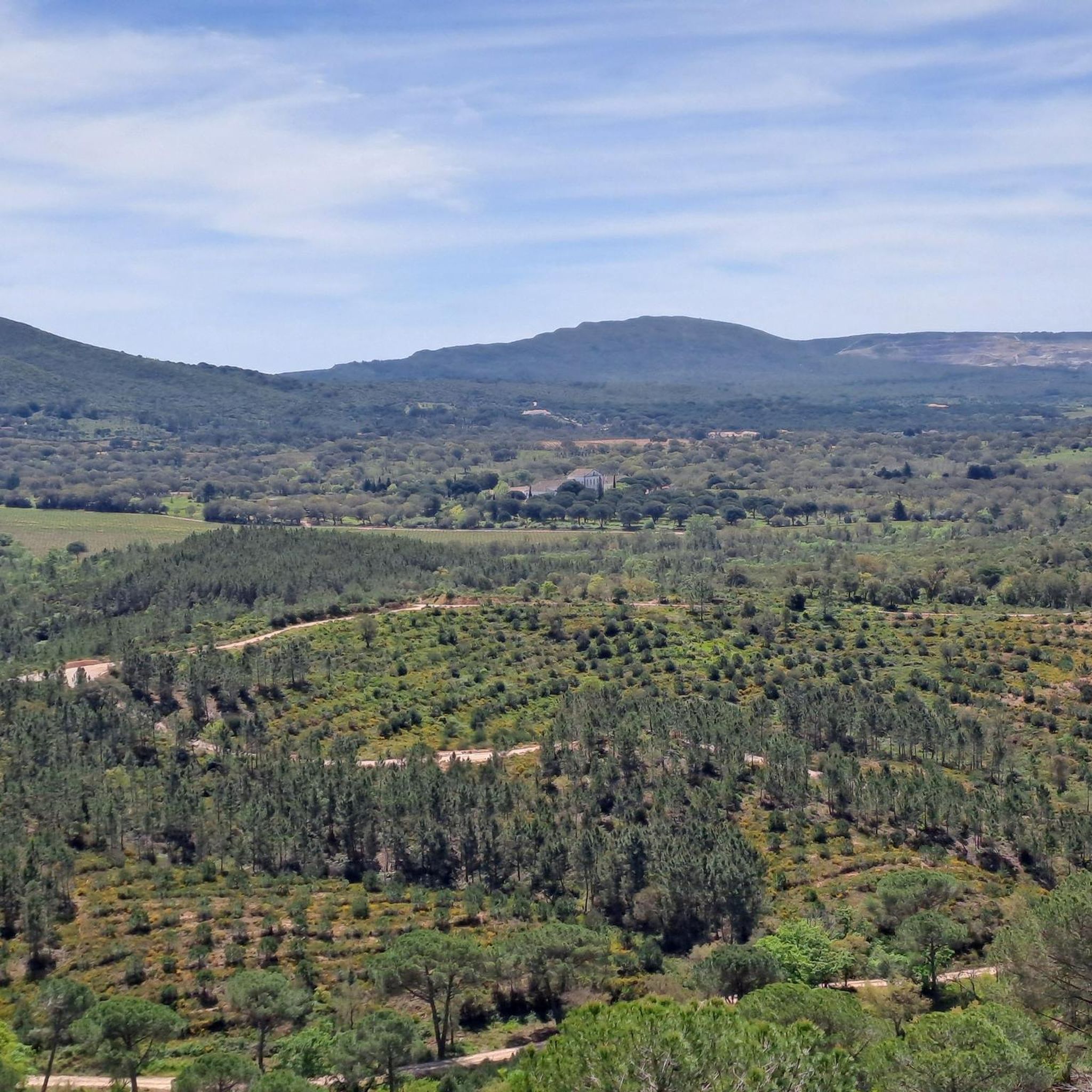
In wartime situations, it controlled the space between Lisbon and the South, between the Tagus and Sado rivers. During the Islamic period and the Christian offensive in the 12th and 13th centuries, this geostrategic position was compatible with other fortified sites—Coina, Sesimbra, and the Sado riverbank. In the surrounding area—with good conditions for grazing and a large area of agricultural land—some rural communities settled during the Islamic period, such as the village of Alto da Queimada (Serra do Louro). Inside the wall, the ruins of the Church of Santa Maria do Castelo welcome visitors: Palmela's first parish church, probably from the 12th century (founded by King Afonso Henriques?), subject to interventions mainly in the 16th and 17th centuries and severely damaged by the 1755 earthquake. The walls, the pentagonal Keep—a 16th-century construction—are part of the original structure. The castle dates back to the 14th century, where the Bishop of Évora, D. Garcia de Meneses, was imprisoned in the waterless cistern for conspiring against King John II. The bishop died there from poisoning in 1484. The parade ground and barracks are worth visiting. As it stands, the castle is the result of several construction campaigns—repairs, reconstructions, and expansions—up until the 18th century. Archaeological work has identified some sections of the wall from the Islamic period, and other construction phases are recognized, likely dating from the post-reconquest period and, later, from the reign of King John I. The bastion system that surrounds the first line of fortification was commissioned by King Pedro II. In the house of the Prior-Major of the Order, or the military commander of the fortress—after the abolition of the orders (in 1834)—the explorer of African lands, Hermenegildo Carlos de Brito Capelo, son of the fortress's governor, was born on February 4, 1841. Palmela Castle was classified as a National Monument by Decree-Law of June 16, 1910. Parking outside the walls is recommended.
7
0

These were the "mills" of old, moved by the wind, heavy granite millstones, transformed wheat seeds into flour from which delicious bread was made, which "satisfied" the hunger of those who had little to eat.
1
0

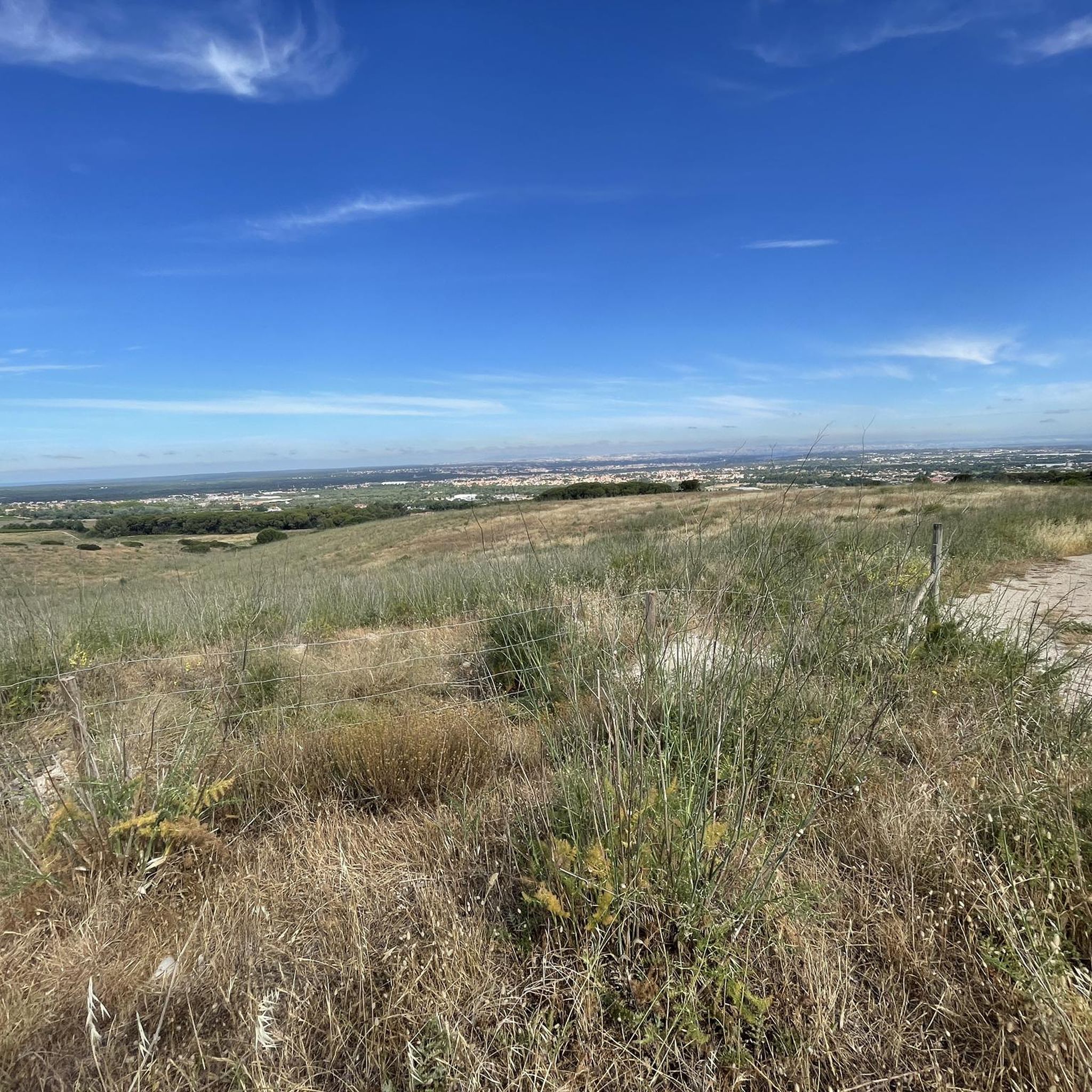
Don't miss the opportunity to sign the summit book. The summit book is located in the small plastic container with the green lid, covered with a stone.
2
0

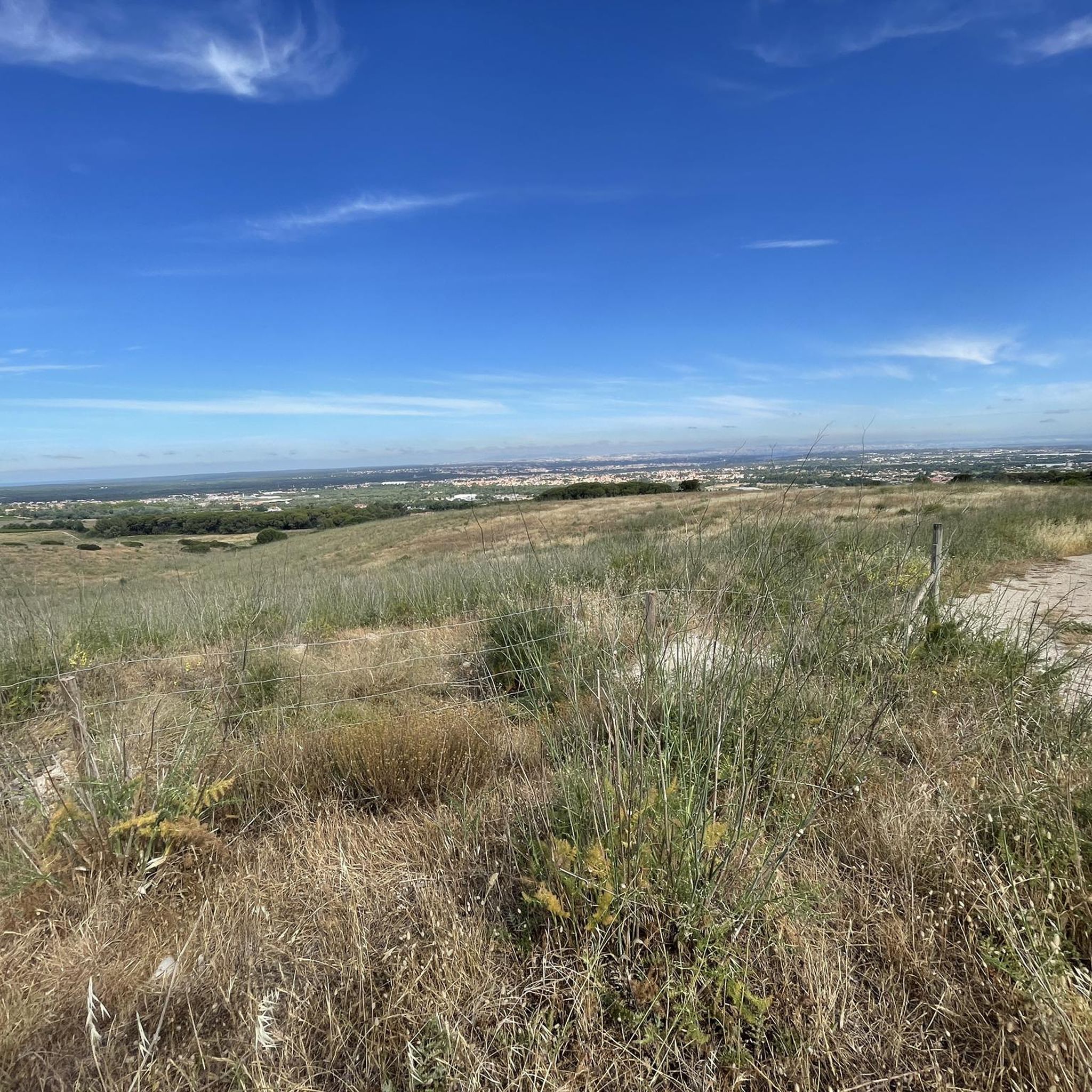
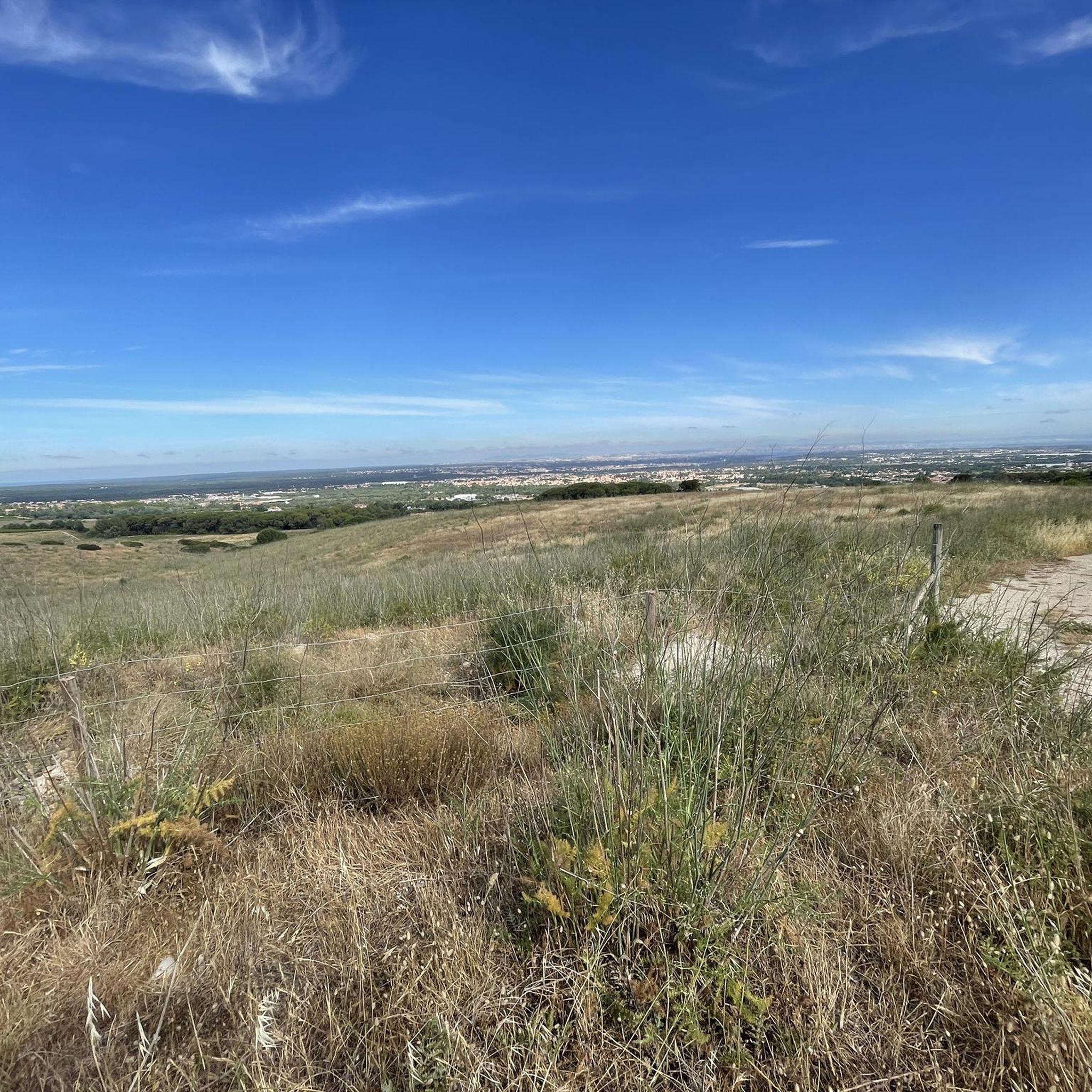
At the top of the Serra do Louro stand the windmills which, in the not so distant past, were an important industry for processing cereals. The force of the wind hits the open sails, turning an axle, which in turn transmits the rotation to a limestone stone that rotates on another fixed one. These stones, called "millstones", receive the cereal grains between them, transforming them into flour.
6
0
The piece is called “The Cat and the Wind” and is by the artist Ricardo Romero. It is located on top of the Casa do Turismo de Setúbal. If you have ever been for a walk in the Baixa district, you must have noticed the enormous black cat installed on the roof of the Casa do Turismo de Setúbal, in Praça do Bocage. As soon as the sculpture was installed in 2021, several images of the piece began to be shared on social media, accompanied by some questions related to the artist. After a few days of secrecy, the local authority revealed that the acrylic resin sculpture, measuring 3.80 metres long and 2.30 metres high, is by the artist Ricardo Romero, from the Matilha Studio project, known for developing works that combine urban art with social and animal causes. The piece is called “The Cat and the Wind” and, according to the artist, aims to draw attention to the hustle and bustle of everyday life and the lack of contemplation of art. “People are very used to classical statuary in cities. They look at things and don’t see them, they don’t appreciate them. Life can be lived if we contemplate it at the same time”, explained Ricardo in the same note. Despite having several possible interpretations, the work, adds Carla Tavares, Ricardo Romero’s project manager, invites the population to stop and reflect on the rush that is life today. Text copied from "New in Setúbal", author: Carolina Bico.
5
0
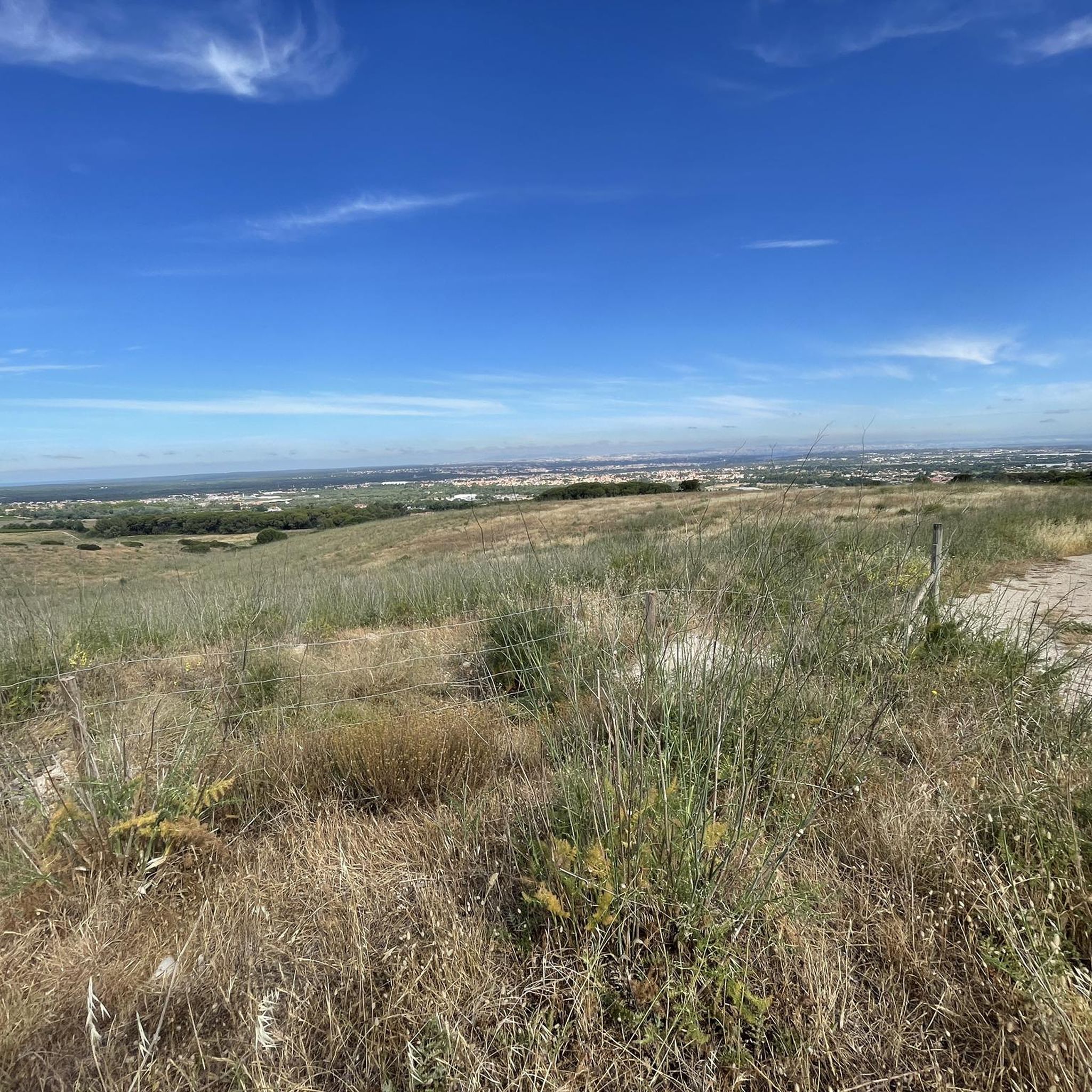
The project for a modern fortification to defend this stretch of the Portuguese coast dates back to the 14th century, with the construction of the Fort of Santiago do Outão, intended to control the entrance to the river bar and access to the medieval town. Aiming to expand this defense, during the reign of D. João III (1521-1557), Brás Dias was given a regiment to be the administrator of the works of the Plaza and Castle of Setúbal (July 31, 1526). Financial difficulties, which even led to the abandonment of overseas positions in North Africa (Fortress of Azamor, Fortress of Arzila, Fortress of Alcácer-Ceguer and Fortress of Safim), may have delayed the development of these works. Dating back to the time of the Philippine dynasty, its relevance is demonstrated by the fact that the sovereign Philip I (1580-1598) himself attended in person, in 1582, the laying of the foundation stone of the new fortification, designed by the Italian architect and military engineer Filippo Terzi (1520-1597). This engineer worked on the works until mid-1594, when he signed a plan and section of the fortification (8 July 1594), which was sent to the Spanish War Council. After his death, the military engineer and architect from Cremona, Leonardo Torriani, was appointed to carry out the works, and they were completed in 1600. In the context of the restoration of independence, during the reign of King John IV (1640-1656), the Governor of Arms of Setúbal, João de Saldanha, expanded this defence by adding a low battery between 1649 and 1655. It is believed that this new structure was intended to make up for the lack of artillery in covering river access to the port. In the 18th century, the chapel inside acquired its tile covering, designed by Policarpo de Oliveira Bernardes (1736). During the Pombaline consulship (1750-1777), it was not immune to the earthquake of 1755 and was used as a School of Artillerymen. In the mid-19th century, a fire destroyed the Casa do Comando, then the residence of the Governor of Arms of Setúbal.
6
0
The Fort of São Filipe de Setúbal, also referred to as the São Filipe Castle or the São Filipe Fortress, is in the city of Setúbal in the Setúbal District, of Portugal. The fort was built on the orders of Philip II of Spain (Philip I of Portugal), who personally witnessed the laying of the cornerstone of the new fortification in 1582. It stands in a dominant position on the right bank of the mouth of the Sado River, overlooking the centre of Setúbal to its east and guarding access to the river. Named after the king during the Iberian Union, the fortress was designed by Giovan Giacomo Paleari Fratino and had the Italian military engineer Filipe Terzi, who worked for the Spanish Royal Court, as its chief engineer. It was completed in 1600 under the guidance of Leonardo Torreano due to the death of Terzi.
6
0
Frequently Asked Questions
Which São Simão region do these attractions cover?
The attractions around São Simão encompass diverse locations. You'll find points of interest in São Simão, São Paulo, Brazil, known for its historical sites and natural beauty; São Simão, Goiás, Brazil, characterized by its large hydroelectric lake; and the region of São Simão in Portugal, featuring scenic walkways and historical fortifications.
What historical sites can I visit in the São Simão regions?
In Portugal, you can explore the historic Fort of São Filipe, Setúbal, a 16th-century fortification overlooking the Sado River. The Windmills of Serra do Louro also offer a glimpse into past industries. In São Simão, São Paulo, Brazil, the Simonense Alaur da Matta History Museum and the Igreja Matriz are significant historical and cultural landmarks.
Are there any natural viewpoints or scenic spots around São Simão?
Yes, there are several. In São Simão, São Paulo, Brazil, Morro do Cruzeiro offers panoramic views of the city and surrounding valley. In Portugal, Formosinho Peak, the highest point of the Serra da Arrábida, provides extensive landscapes connecting the Sado estuary to the Tagus. The Windmills of Serra do Louro also offer interesting views.
What kind of outdoor activities can I do near these attractions?
The regions offer a variety of outdoor activities. Near the Portuguese attractions, you can find numerous hiking trails, including challenging routes to Formosinho Peak. There are also cycling and MTB trails available. In São Simão, São Paulo, Brazil, Morro do Cruzeiro is popular for trekking, cycling, and bird watching. São Simão, Goiás, Brazil, is excellent for water activities like boat trips, sport fishing, and stand-up paddleboarding on Lago Azul.
Are there family-friendly attractions in the São Simão areas?
Yes, several spots are suitable for families. In São Simão, São Paulo, Brazil, Prainha do Tamanduá offers a river beach for recreation, and the Parque e Bosque Municipal provides a natural escape with lush trees and a lake. In São Simão, Goiás, Brazil, the Lago Azul is great for family water activities. The Fragas de São Simão in Portugal, with its walkways and river beach, is also a popular family destination during summer.
Where can I find natural water features or beaches?
In São Simão, São Paulo, Brazil, Prainha do Tamanduá is a public area with a river beach, white sand, and clear waters. In São Simão, Goiás, Brazil, the expansive Lago Azul, formed by the hydroelectric dam, features numerous islands and beaches. Portugal's Fragas de São Simão is known for its river beach, especially popular in summer.
What cultural experiences can I have in São Simão?
In São Simão, São Paulo, Brazil, you can visit the House of Culture Marcelo Grassmann, dedicated to the arts, and the Simonense Alaur da Matta History Museum. In Setúbal, Portugal, the Mercado do Livramento is a vibrant market hall offering local produce and art. Also in Setúbal, the unique sculpture The Cat and the Wind – Casa do Turismo de Setúbal provides a modern cultural point of interest.
Are there any hidden gems or less-known attractions worth visiting?
Absolutely. In Portugal, Fragas de São Simão is considered a hidden gem in Central Portugal, known for its beautiful walkways and river beach. The Casal de São Simão Village, one of the Schist Villages, is also a photogenic spot. In São Simão, Goiás, Brazil, the Cachoeira da Rondinha and Cataratas de Itaguaçu offer natural beauty away from the main dam area.
What do visitors enjoy most about the attractions around São Simão?
Visitors particularly appreciate the diverse landscapes and historical significance. For instance, the Windmills of Serra do Louro are loved for their interesting views and historical millstones. The Fort of São Filipe, Setúbal, is praised for its dominant position and great views over the Sado River. The Mercado do Livramento is enjoyed for its fresh produce and vibrant atmosphere.
Are there any wheelchair accessible places among the attractions?
Yes, some attractions offer accessibility. In Setúbal, Portugal, both the Mercado do Livramento and The Cat and the Wind – Casa do Turismo de Setúbal are noted as wheelchair accessible. The Parque e Bosque Municipal in São Simão, São Paulo, Brazil, has also undergone revitalization efforts to enhance its accessibility.
What are some challenging hiking options available?
For experienced hikers, the ascent to Formosinho Peak in Portugal is a very tough climb with an even tougher descent, involving steep inclines, dense vegetation, and rock climbing. This route is considered to be of the highest level of difficulty, akin to mountaineering conditions.
Can I find opportunities for bird watching?
Yes, in São Simão, São Paulo, Brazil, Morro do Cruzeiro is a popular spot for bird watching, offering a chance to observe local avian species in a natural setting.
Most popular routes around São Simão
Most popular attractions around São Simão

Get inspired with the komoot mobile app


Explore more
Still not found the Highlight you’re looking for? See guides of the top attractions in other regions:
