Attractions and Places To See around Setúbal (São Sebastião) - Top 20
Best attractions and places to see around Setúbal (São Sebastião) blend historical landmarks with natural features. This Portuguese city is situated on the Sado River estuary, offering a mix of urban exploration and access to protected natural areas. The region is characterized by its coastal position, historical fortifications, and proximity to the Serra da Arrábida Natural Park. Visitors can explore ancient sites, enjoy views over the Sado River, and experience the local culture.
Best attractions and places to see around…
Last updated: May 21, 2026
Windmills of Serra do Louro
Highlight (Segment) • Monument
Tip by

Fort of São Filipe, Setúbal
Highlight • Castle
Tip by

Sign up now to discover places like this
Get recommendations on the best single tracks, peaks, & plenty of other exciting outdoor places.
Sign up for free
The Cat and the Wind – Casa do Turismo de Setúbal
Highlight • Monument
Translated by Google •
Tip by
Mercado do Livramento
Highlight • Rest Area
Translated by Google •
Tip by

Castle of Palmela
Highlight • Castle
en.m.wikipedia.org/wiki/Castle_of_Palmela
Translated by Google •
Tip by

Sign up for free to discover even more attractions around Setúbal (São Sebastião).
Sign up for free
Already have an account?
Start today with a free account
Your next adventure awaits.
Login or Signup
Popular around Setúbal (São Sebastião)
EuroVelo 1 Portugal – Cycle the Atlantic Coast
Road Cycling Routes around Setúbal (São Sebastião)
Cycling around Setúbal (São Sebastião)
MTB Trails around Setúbal (São Sebastião)
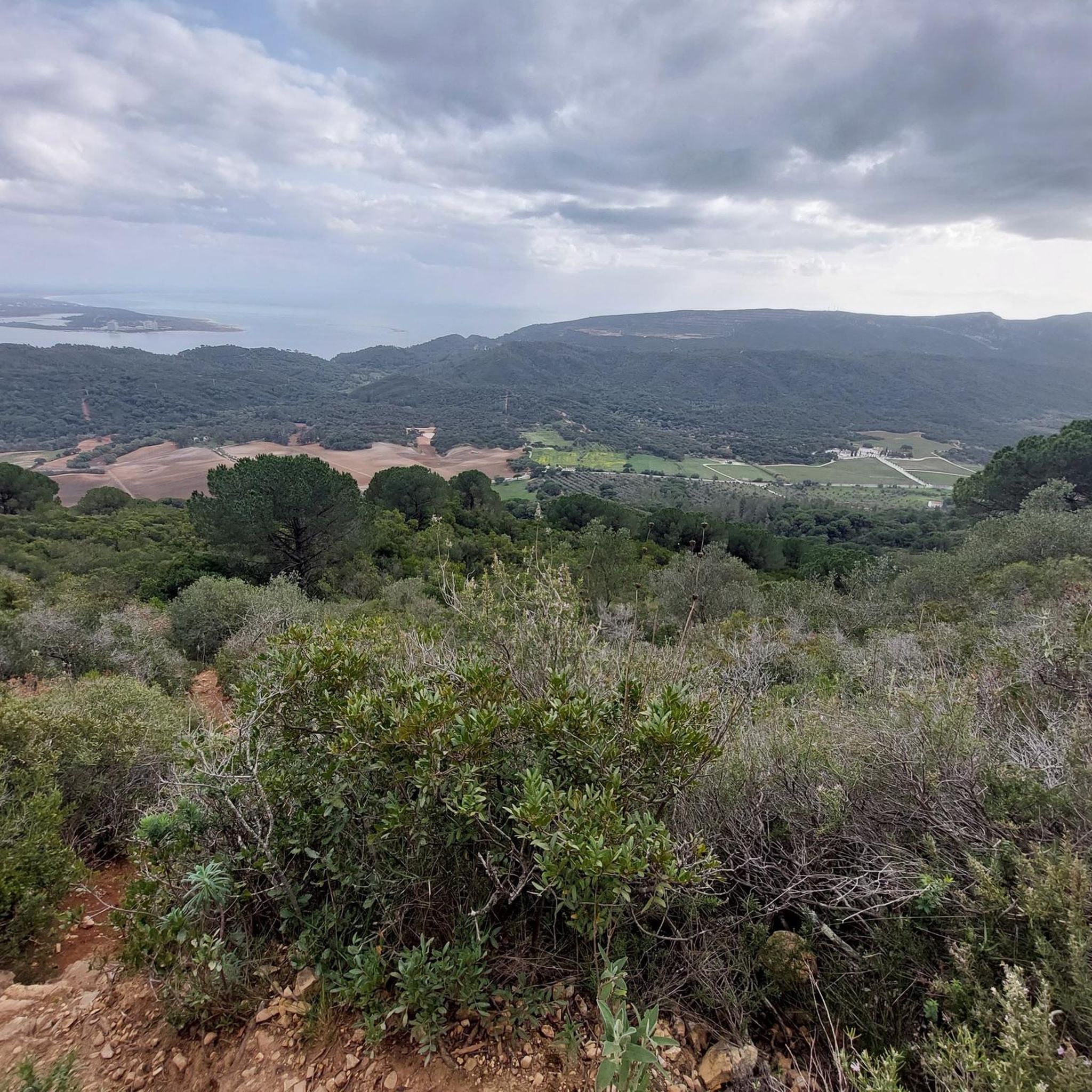
Hiking around Setúbal (São Sebastião)
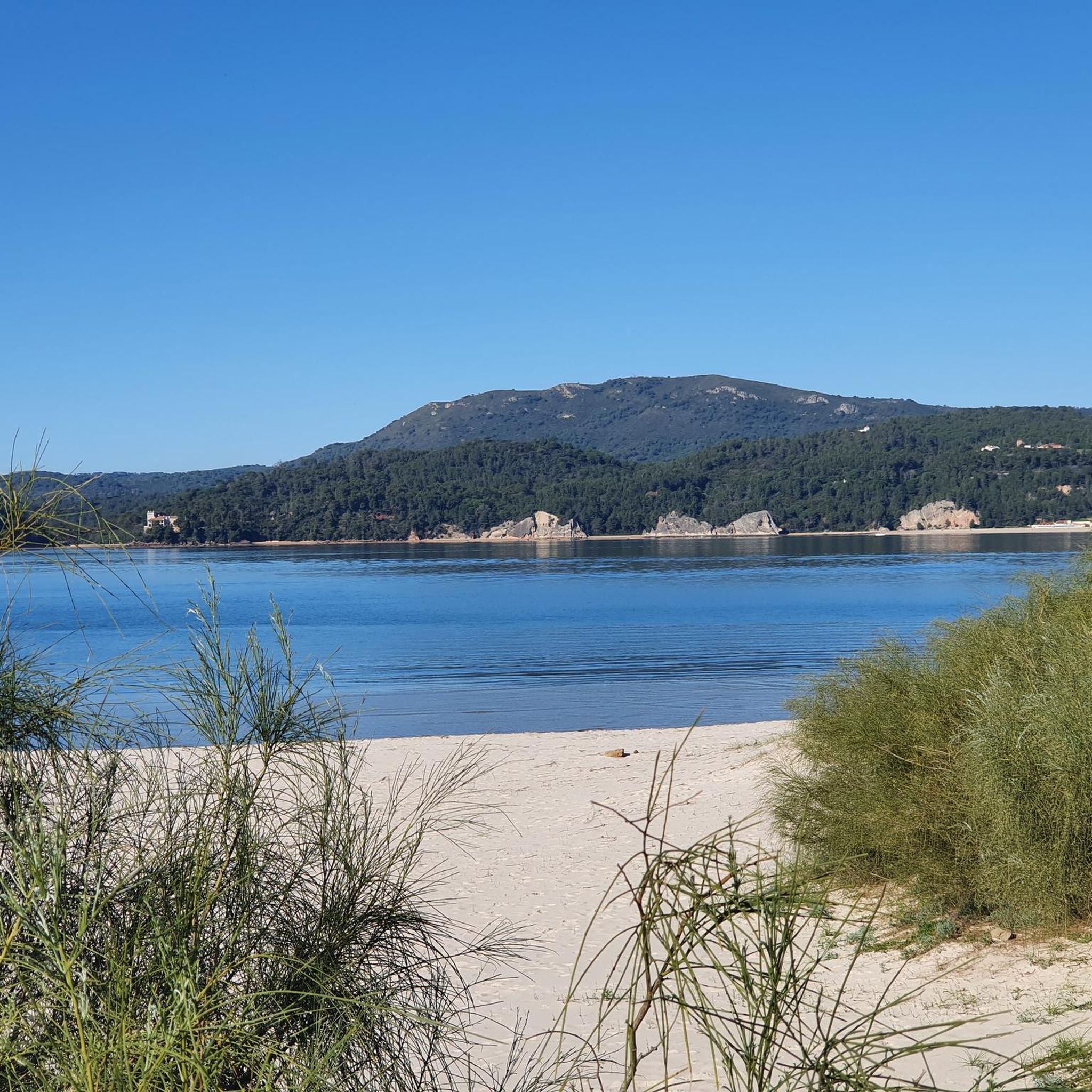
Running Trails around Setúbal (São Sebastião)

Gravel biking around Setúbal (São Sebastião)
Other adventures around Setúbal (São Sebastião)

Tips from the Community

In wartime situations, it controlled the space between Lisbon and the South, between the Tagus and Sado rivers. During the Islamic period and the Christian offensive in the 12th and 13th centuries, this geostrategic position was compatible with other fortified sites—Coina, Sesimbra, and the Sado riverbank. In the surrounding area—with good conditions for grazing and a large area of agricultural land—some rural communities settled during the Islamic period, such as the village of Alto da Queimada (Serra do Louro). Inside the wall, the ruins of the Church of Santa Maria do Castelo welcome visitors: Palmela's first parish church, probably from the 12th century (founded by King Afonso Henriques?), subject to interventions mainly in the 16th and 17th centuries and severely damaged by the 1755 earthquake. The walls, the pentagonal Keep—a 16th-century construction—are part of the original structure. The castle dates back to the 14th century, where the Bishop of Évora, D. Garcia de Meneses, was imprisoned in the waterless cistern for conspiring against King John II. The bishop died there from poisoning in 1484. The parade ground and barracks are worth visiting. As it stands, the castle is the result of several construction campaigns—repairs, reconstructions, and expansions—up until the 18th century. Archaeological work has identified some sections of the wall from the Islamic period, and other construction phases are recognized, likely dating from the post-reconquest period and, later, from the reign of King John I. The bastion system that surrounds the first line of fortification was commissioned by King Pedro II. In the house of the Prior-Major of the Order, or the military commander of the fortress—after the abolition of the orders (in 1834)—the explorer of African lands, Hermenegildo Carlos de Brito Capelo, son of the fortress's governor, was born on February 4, 1841. Palmela Castle was classified as a National Monument by Decree-Law of June 16, 1910. Parking outside the walls is recommended.
7
0

These were the "mills" of old, moved by the wind, heavy granite millstones, transformed wheat seeds into flour from which delicious bread was made, which "satisfied" the hunger of those who had little to eat.
1
0

At the top of the Serra do Louro stand the windmills which, in the not so distant past, were an important industry for processing cereals. The force of the wind hits the open sails, turning an axle, which in turn transmits the rotation to a limestone stone that rotates on another fixed one. These stones, called "millstones", receive the cereal grains between them, transforming them into flour.
6
0
It's near the port in Setubal. It's pretty big. There is everything you need for eating / cooking: Fish, meat, cheese, etc. There are small dining places all around. Also fine art: Azulejos and figures. Very nice to look at and dine.
6
0
The piece is called “The Cat and the Wind” and is by the artist Ricardo Romero. It is located on top of the Casa do Turismo de Setúbal. If you have ever been for a walk in the Baixa district, you must have noticed the enormous black cat installed on the roof of the Casa do Turismo de Setúbal, in Praça do Bocage. As soon as the sculpture was installed in 2021, several images of the piece began to be shared on social media, accompanied by some questions related to the artist. After a few days of secrecy, the local authority revealed that the acrylic resin sculpture, measuring 3.80 metres long and 2.30 metres high, is by the artist Ricardo Romero, from the Matilha Studio project, known for developing works that combine urban art with social and animal causes. The piece is called “The Cat and the Wind” and, according to the artist, aims to draw attention to the hustle and bustle of everyday life and the lack of contemplation of art. “People are very used to classical statuary in cities. They look at things and don’t see them, they don’t appreciate them. Life can be lived if we contemplate it at the same time”, explained Ricardo in the same note. Despite having several possible interpretations, the work, adds Carla Tavares, Ricardo Romero’s project manager, invites the population to stop and reflect on the rush that is life today. Text copied from "New in Setúbal", author: Carolina Bico.
5
0
Foodies with adore Setúbal's indoor Mercado do Livramento. It's an incredible place to head to sample those typical Portuguese flavours from bacalhau (salt-dried cod) to pasteis de nata (custard tarts). The array of fresh produce on sale here is simply mesmerising, with around 300 independent vendors all housed under the one roof. The fact that the market remains an integral part of Setúbal life and culture makes the market all the more impressive to behold. Wander this vast warehouse-like space to soak up the atmosphere, or make your way among the stalls to pick and choose the very best ingredients for a picnic like no other. Seasonal fruits are always piled high, as are olives and other locally-grown foodstuffs. But the star of the show here for 140 years has been the market's fish, which arrive here fresh from the fishermen's boats each day. It's best to get here early to grab the best produce and enjoy the liveliest atmosphere.
4
0
Address: Av. Luísa Todi, 163, Setúbal. Opening hours: Tuesday to Sunday from 7am to 2pm.
4
0
Frequently Asked Questions
What historical landmarks can I explore in Setúbal (São Sebastião)?
The region is rich in history. You can visit the impressive Fort of São Filipe, Setúbal, a 16th-century castle offering panoramic views over the Sado River. Another significant site is the Castle of Palmela, which features mixed architectural styles and provides magnificent views, including the 25th of April Bridge. Don't miss the 15th-century Convento de Jesus, a Manueline masterpiece that now serves as a museum, or the ancient Roman Fish Processing Factory Ruins.
Where can I find the best panoramic views in Setúbal (São Sebastião)?
For breathtaking views, head to the Fort of São Filipe, Setúbal, which overlooks the Sado River mouth and the city. The Miradouro de São Sebastião (São Domingos Viewpoint) is another excellent spot, especially for sunrise or sunset, offering expansive vistas of the city, the Sado River, and the Tróia Peninsula. The Castle of Palmela also provides magnificent views of the surrounding landscape.
What natural parks or reserves are near Setúbal (São Sebastião)?
Setúbal (São Sebastião) is bordered by the stunning Serra da Arrábida Natural Park, known for its green mountains, dense vegetation, and beautiful beaches like Praia dos Galapos. The Sado Estuary Nature Reserve is also nearby, offering rich wildlife, including bottlenose dolphins, and picturesque views.
Are there opportunities for hiking or outdoor activities in the area?
Yes, the region offers various outdoor activities. You can explore the Windmills of Serra do Louro along a scenic trail. For more extensive options, there are numerous hiking routes available, including an easy 5.95 km loop from Praça do Quebedo that visits the São Filipe Fort and Mercado do Livramento. You can find more hiking routes in the Hiking around Setúbal (São Sebastião) guide.
What is the Mercado do Livramento known for?
The Mercado do Livramento is renowned as one of the world's best fish markets. It's famous for its fresh seafood stalls and vibrant, colorful *azulejo* tiles. Beyond fish, you'll find a variety of fresh produce, meats, and local products, making it a great place to experience local life and cuisine.
Are there any unique cultural sites or museums to visit?
Beyond the Convento de Jesus, which houses a significant museum collection, you can visit the Museu do Trabalho Michel Giacometti. Housed in a former canning factory, this museum provides a unique look into Setúbal's industrial and working-class history. The Casa Bocage is also dedicated to the life and work of the renowned Portuguese poet born in Setúbal.
Are there family-friendly attractions in Setúbal (São Sebastião)?
Families can enjoy exploring the Mercado do Livramento for its vibrant atmosphere and fresh produce. The urban parks like Parque do Bonfim and Parque Urbano de Albarquel offer green spaces for relaxation and play. The Serra da Arrábida Natural Park also provides opportunities for gentle walks and enjoying nature with children.
Can I go cycling or gravel biking near Setúbal (São Sebastião)?
Absolutely! The region offers diverse terrain for cycling. There are several gravel biking routes, such as the moderate 47.16 km Monhós Route loop from Praça do Quebedo. For road cycling, you can find challenging routes like the 50.34 km Ecocamping Beach – Porthino Coastal View loop from Setúbal. Explore more options in the Gravel biking around Setúbal (São Sebastião) guide and the Cycling around Setúbal (São Sebastião) guide.
What is the significance of the windmills in the region?
The Windmills of Serra do Louro are a historical testament to the region's past. Both old and new windmills stand along a trail in Serra do Louro, showcasing an important industry for processing cereals. They offer insight into how wind power was harnessed to grind grains into flour.
Are there any wheelchair accessible attractions?
Yes, the Mercado do Livramento is noted for being wheelchair accessible, allowing visitors to enjoy its vibrant atmosphere and fresh produce. Additionally, the unique art installation, The Cat and the Wind – Casa do Turismo de Setúbal, is also wheelchair accessible.
What is the Casa da Baía?
The Casa da Baía is a beautifully restored building that once served as an orphanage. Today, it functions as a tourist and cultural center. Visitors can find exhibitions, local products, and even participate in wine tastings, making it a great stop for local insights and experiences.
What is the Bairro de Troino?
The Bairro de Troino is one of Setúbal's most typical and historic neighborhoods. Dating back to Roman times, it offers a glimpse into the city's ancient past and traditional urban fabric, perfect for a leisurely stroll to soak in the local atmosphere.
Most popular routes around Setúbal (São Sebastião)
Most popular attractions around Setúbal (São Sebastião)

Get inspired with the komoot mobile app


Explore more
Still not found the Highlight you’re looking for? See guides of the top attractions in other regions:
