Top 20 Castles around Zerzabelshofer Forst
Best castles around Zerzabelshofer Forst offer a rich historical experience within a short distance of Nuremberg. This region features a variety of historical sites, including impressive fortifications and grand palaces. Visitors can explore more than 20 castles, each providing insights into centuries of history and architecture. The area combines cultural significance with accessible historical exploration.
Best castles around Zerzabelshofer Forst
- The most popular castles is Imperial Castle Nuremberg, a castle that serves as the symbol of Nuremberg. It is…
Last updated: May 9, 2026
Imperial Castle Nuremberg
Highlight • Castle
Translated by Google •
Tip by

Henkersteg (Executioner's Footbridge), Nuremberg
Highlight • Bridge
Translated by Google •
Tip by

Sign up now to discover places like this
Get recommendations on the best single tracks, peaks, & plenty of other exciting outdoor places.
Sign up for free
Tiergärtnertor Gate
Highlight • Historical Site
Translated by Google •
Tip by

Faber-Castell Castle
Highlight • Castle
Translated by Google •
Tip by
Ruins of Oberbürg Castle
Highlight • Castle
Translated by Google •
Tip by

Sign up for free to discover even more castles around Zerzabelshofer Forst.
Sign up for free
Already have an account?
Start today with a free account
Your next adventure awaits.
Login or Signup
Tips from the Community

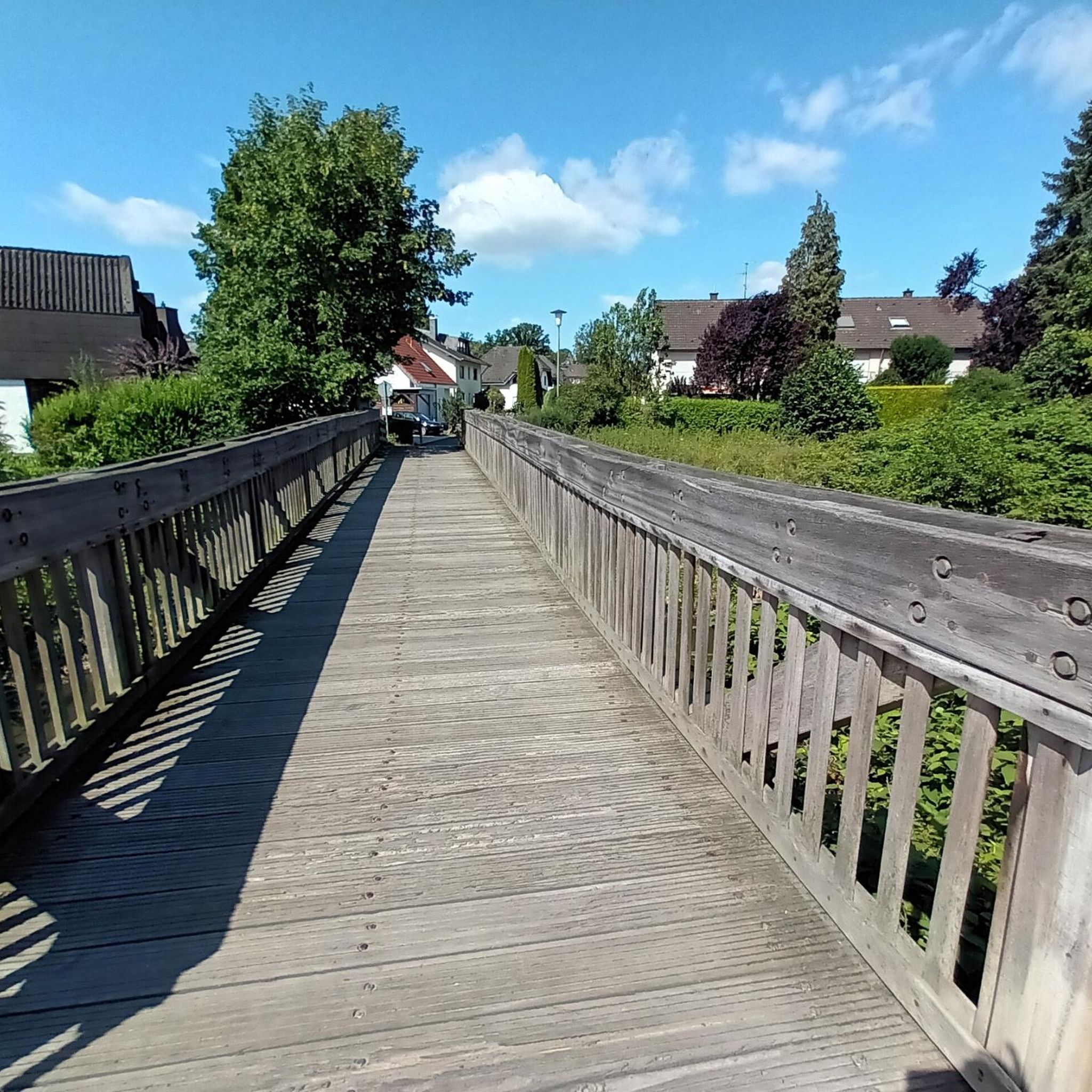
A beautiful covered wooden bridge. Ideal for sheltering from a downpour.
10
0
Great view over the city at the foot of the Kaiserburg.
15
2
The Kaiserburg lookout point is open all year round, although opening hours vary seasonally. Guided tours are available, providing detailed information about the history and architecture of the castle. For those who prefer to explore the lookout point at their own pace, audio guides are also available in several languages. Admission for adults is minimal, and children under 18 are admitted free.
12
0

The Imperial Castle is Nuremberg's landmark. From the castle, you have a magnificent view of Nuremberg. Even at night, when illuminated, it is beautiful to see. For an even better view of Nuremberg, a visit to the Sinwell Tower at the Imperial Castle is recommended. You can purchase a combination ticket for the museum and the tower. Opening hours and further information can be found on the official website: https://www.kaiserburg-nuernberg.de/deutsch/tourist/oeffnung.htm
22
3

The Henkerbrücke, which leads over the northern arm of the Pegnitz (the Henkersteg goes over the arm that flows south past the flea market island), can only be reached through the Henkerhaus Museum. The medieval, half-timbered, two-arched bridge leads from the Henkerhaus to the water tower and the Weinstadl (now a student residence). The original bridge from the 15th century was destroyed in the Second World War. In 1954 it was rebuilt based on old models.
23
2
In the Middle Ages and the early modern period, the executioner and his assistant were on the fringes of society, and so the buildings around the executioner's house, which are so impressive today, were home to poorer people during the time of the imperial city. This changed at the beginning of the 19th century. After the last Nuremberg executioner quit his job following the city's incorporation into the Kingdom of Bavaria, it became one of the most popular postcard motifs with the growth of tourism. The exhibition in the executioner's house presents all of these aspects of the building's history and supplements it with basic information on the medieval and early modern legal system.
13
2
The executioner and his assistant lived here on the outskirts of the city from the 15th to the 19th century. In the former official residence, the "executioner's house", there is an exhibition on Nuremberg's legal history. The half-timbered house next door served as a leper hospital in the Middle Ages. Later, the building now known as the "Weinstadel" was used as a wine warehouse.
23
3

The Henkersteg connects the flea market, with its many exclusive shops idyllic located on a small Pegnitz island, and the Unschlittplatz. The executioner, in the Middle Ages a man with whom an honorable citizen was not allowed to have anything to do, used this wooden footbridge to get from his secluded apartment in the executioner's house into the city. The Henkersteg was built in its current location after the great flood in 1595, to which its predecessor had fallen victim. https://tourismus.nuernberg.de/sehen/sehenswuerdigkeiten/location/henkersteg/
19
2
Frequently Asked Questions
Are there family-friendly castles to visit around Zerzabelshofer Forst?
Yes, several castles and historical sites in the region are great for families. Imperial Castle Nuremberg, Tiergärtnertor Gate, Henkersteg (Executioner's Footbridge), Nuremberg, and Faber-Castell Castle are all considered family-friendly. The Nuremberg Old Town area also offers plenty for families to explore.
What historical insights can I gain from visiting these castles?
The castles around Zerzabelshofer Forst offer deep historical insights. For instance, the Imperial Castle Nuremberg dates back to the year 1000 and was once home to an astrological observatory. Faber-Castell Castle showcases 19th and early 20th-century historicist architecture and has a rich past, including being occupied by the Wehrmacht and American troops. The Henkersteg area includes the 500-year-old executioner's house, now a museum on legal and criminal history.
Are there any hidden gem castles or less-known historical sites worth visiting?
While not a castle in the traditional sense, the Henkersteg (Executioner's Footbridge) in Nuremberg is a unique historical site often overlooked by first-time visitors. It's located in a secluded part of downtown and offers a glimpse into medieval Nuremberg, including the executioner's house museum. For a different architectural style, Faber-Castell Castle, also known as the Pencil Castle, offers a distinct 19th-century palace experience away from the medieval fortifications.
What is the best time of year to visit the castles around Zerzabelshofer Forst?
The castles can be visited year-round. Spring and autumn offer pleasant temperatures for exploring the grounds and nearby towns. Summer is lively, especially around the Tiergärtnertor Gate in the evenings. Winter visits can be magical, particularly if you're in Nuremberg Old Town during the Christmas market season, which is held in the Altstadt-Sankt Sebald area.
Are there walking or hiking trails near the castles?
Yes, the region offers various walking and hiking opportunities. While specific trails directly linking castles aren't detailed, you can find numerous routes for different activities. For example, you can explore running trails around Zerzabelshofer Forst, including routes like the 'Pegnitz Valley East Nature Reserve' loop. The area around Faber-Castell Castle also features the beautiful Faberpark, suitable for walks.
What outdoor activities can I combine with a castle visit?
You can easily combine castle visits with various outdoor activities. The Zerzabelshofer Forst area is excellent for cycling, running, and gravel biking. Many routes pass through scenic landscapes, offering a chance to enjoy nature alongside historical exploration. For instance, you could cycle the 'Verpflichtende Vergangenheit' route or run the 'Pegnitz Valley East Nature Reserve' loop.
What do visitors enjoy most about the castles and historical sites in this region?
Visitors frequently praise the rich history and impressive architecture. The Imperial Castle Nuremberg is celebrated as the symbol of the city, offering detailed guided tours. The lively atmosphere around Tiergärtnertor Gate in the evenings is also a highlight, perfect for enjoying a drink. Many appreciate the opportunity to stroll through Nuremberg Old Town, discovering its charming houses, churches, and squares.
Are there cafes or restaurants near the castles?
Yes, especially in Nuremberg. The area around Tiergärtnertor Gate is known for its lively atmosphere with places to enjoy a beer or a meal. The Nuremberg Old Town is dotted with lively beer gardens, taverns serving wine, and traditional restaurants, offering plenty of options for refreshments and dining after exploring the castles.
Is there parking available for castle visits?
For castles located within Nuremberg, such as the Imperial Castle Nuremberg, public parking garages are available in the city center. For Faber-Castell Castle, parking is typically available nearby, and it's advisable to check local signage or the castle's official website for specific parking instructions.
Can I find any natural features or wildlife around the castles?
While the castles themselves are historical structures, some are situated near green spaces. Faber-Castell Castle is located close to the beautiful Faberpark, which offers a natural setting for walks. The wider Zerzabelshofer Forst region, as indicated by nearby running and cycling routes, includes natural areas like the Pegnitz Valley East Nature Reserve, where you might encounter local wildlife.
Are there any castles that offer guided tours or audio guides?
Yes, the Imperial Castle Nuremberg offers guided tours that provide detailed information about its history and architecture. Audio guides are also available in several languages for those who prefer to explore at their own pace. For other sites, it's recommended to check their individual websites for tour availability.
What kind of architecture can I expect to see among the castles?
The region showcases a range of architectural styles. The Imperial Castle Nuremberg features medieval fortifications, with buildings dating back to the year 1000. In contrast, Faber-Castell Castle is a 19th and early 20th-century historicist palace complex, incorporating Neo-Renaissance and German Romanesque styles, with some interiors designed in Art Nouveau decor.
Most popular routes around Zerzabelshofer Forst
Most popular attractions around Zerzabelshofer Forst

Get inspired with the komoot mobile app


Explore more
Looking for the best castles somewhere else? Discover other guides around Zerzabelshofer Forst:
