The best road cycling routes around Cunha
4.3
(3)
253
riders
11
rides
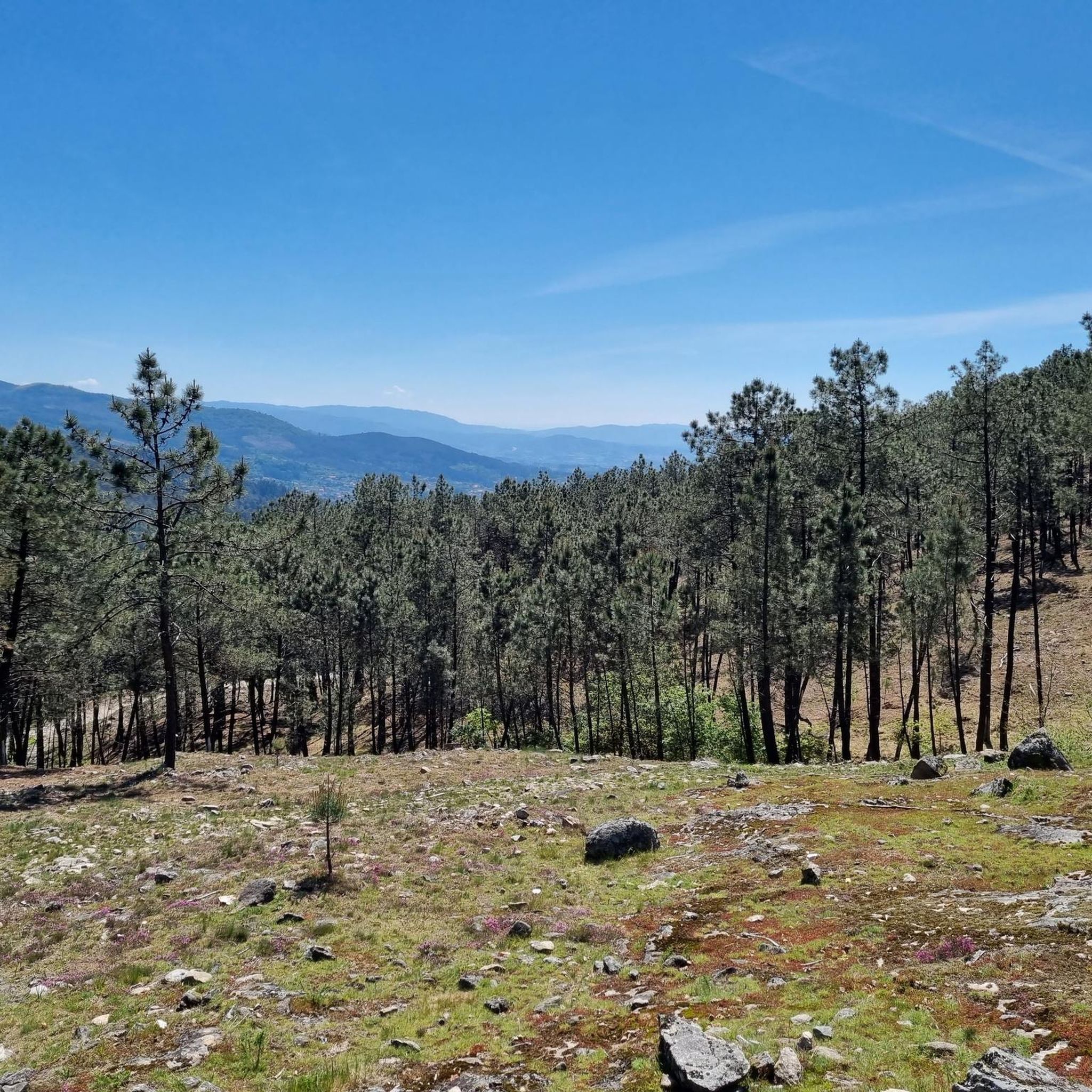
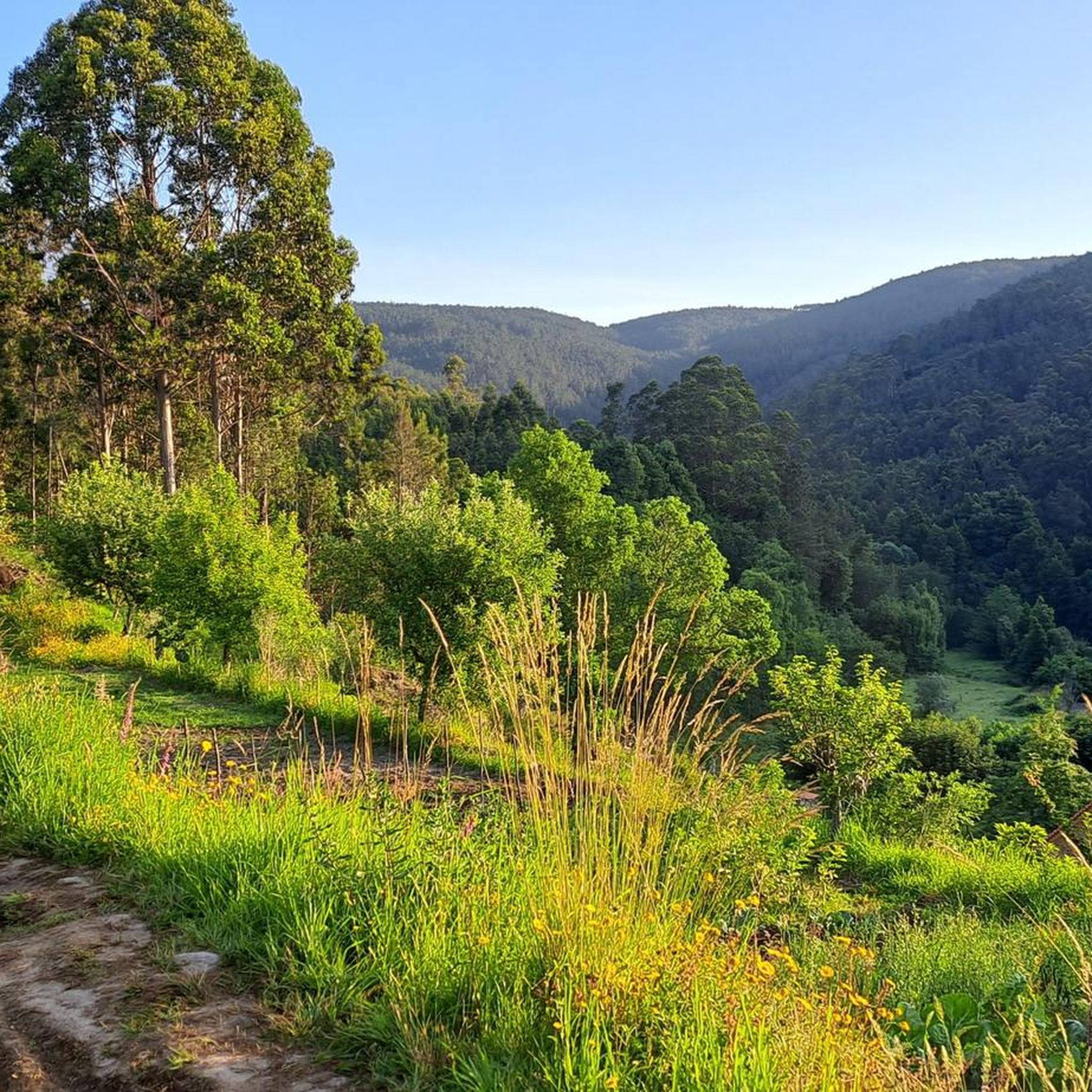
Road cycling routes around Cunha are characterized by a diverse and challenging topography, featuring rolling hills and mountainous terrain. The region offers significant elevation gains, making it ideal for cyclists seeking engaging climbs and descents. These routes often traverse areas with varied landscapes, including forested sections and open fields. The natural environment is influenced by the Atlantic Forest, providing a rich backdrop for outdoor activities.
Best road cycling routes around Cunha
- The most popular road cycling route is Quiet Country…
Last updated: May 6, 2026
103
riders
109km
05:10
1,080m
1,080m
Hard road ride. Very good fitness required. Some segments of this route may be unpaved and difficult to ride.
3.5
(2)
25
riders
63.6km
03:25
1,150m
1,150m
Hard road ride. Very good fitness required. Mostly well-paved surfaces and easy to ride.

Sign up for free
20
riders
64.7km
03:29
1,090m
1,090m
Hard road ride. Very good fitness required. Mostly well-paved surfaces and easy to ride.
19
riders
64.5km
03:12
810m
810m
Moderate road ride. Good fitness required. Mostly well-paved surfaces and easy to ride.
13
riders
120km
05:58
1,550m
1,550m
Hard road ride. Very good fitness required. Some segments of this route may be unpaved and difficult to ride.
Get access to more routes and recommendations from other explorers.
Sign up for free
Already have an account?
Our route recommendations are based on thousands of hikes, rides, and runs completed by other people on komoot.
Start today with a free account
Your next adventure awaits.
Login or Signup

Tips from the Community


Valença Fortress, also known as Praça-forte de Valença do Minho, is an imposing jewel of Portuguese military architecture with over eight centuries of history. Its origins date back to the 13th century, when King Sancho I and later Afonso III fortified it to protect the border with Galicia. During the Restoration War (17th–18th centuries), it was transformed into a Vauban-style fortress under the engineer Miguel de l’École and the architect Manuel Pinto de Vilalobos, being completed in 1713. The fortress withstood attacks during the Restoration, was captured and recaptured several times, and was also defended during the Napoleonic Wars and the Liberal Wars.
4
0

Historical Context Origin of the name: The town of Ponte de Lima, the oldest in Portugal, derives its name from the bridge that crosses it. Way of St. James: The bridge is an important crossing point on the Portuguese Way of St. James. Legend: The legend of the Lima River, which runs under the bridge, tells that the Romans believed it to be the river of forgetfulness, which would have given rise to the myth that people who crossed it would forget their past lives.
2
0
The bridge that gives the Lima Bridge its name is actually a combination of two structures: a Roman section, built in the 1st century, and a medieval section, expanded in the 14th century. It crosses the Lima River and is one of the town's most emblematic monuments. Characteristics of the bridge Roman section: The remaining Roman section consists of five arches, and its construction is linked to the military road that connected the cities of Braga and Astorga. Medieval section: The medieval portion of the bridge is larger and was built to connect to the Roman section, extending the structure over the river. Material: The bridge is built of granite, using the Roman technique of "quadratum" and "vittatum" masonry.
2
0


A city bathed by the Lima River, with walking trails in the area and good food.👍🥾🇵🇹
1
0

The former hospital ship of the cod fleet is now a museum ship. The entrance fee of €5 per person is absolutely reasonable. For that, you get to see a lot of interesting things. The tour provides a very thorough explanation of life and technology on board. An audio guide is available as a helpful supplement. Much of the interior is still preserved. Absolutely worth seeing.
0
0
The former hospital ship is now a museum. The entrance fee (5 euros per person, September 2025) is well worth it. For that, you can walk through the entire ship and get a good impression of the conditions and technology of the time.
0
0
Frequently Asked Questions
What kind of terrain can I expect on road cycling routes in Cunha?
Cunha is characterized by its stunning mountainous landscapes and varied topography. Road cycling routes here feature significant elevation gains, offering engaging climbs and descents. You'll encounter rolling hills, forested areas, and open fields, all set against the rich backdrop of the Atlantic Forest.
Are there challenging road cycling routes in Cunha?
Yes, Cunha is known for its challenging road cycling routes, making it ideal for cyclists seeking elevation gains. For example, the Roman Bridge of Ponte de Lima – Valença Fortress loop from Brandara is a difficult 74.8-mile (120.4 km) path with over 5,000 feet (1,540 meters) of ascent. Many routes are designed to test endurance and climbing ability.
Are there any easier road cycling routes for beginners in Cunha?
While Cunha is predominantly known for its challenging, hilly terrain, there are some moderate options available. The region's topography means most routes involve significant elevation changes. Currently, there are no routes classified as 'easy' in our selection, but you can find moderate options like the Roman Bridge of Ponte de Lima – Ponte de Lima loop from Coura, which covers 64.5 km with over 800 meters of elevation gain.
What scenic views or landmarks can I see while road cycling in Cunha?
Road cycling in Cunha offers breathtaking vistas, including panoramic views along routes like the Cunha-Paraty Scenic View. You'll also pass through areas showcasing the rich biodiversity of the Atlantic Forest. For specific natural attractions, consider visiting highlights such as the Waterfall and Cascades of the Rio Couro or enjoying the views from the Rest and picnic area. Top of Serra da Labruja.
Are there waterfalls accessible near road cycling routes in Cunha?
Yes, Cunha is home to several picturesque waterfalls that can be refreshing stops during your cycling adventures. Notable waterfalls in the region include Cachoeira do Pimenta, Mato Limpo's Waterfall, and Cachoeira do Desterro. You can find more details on highlights like the Cascata de Vilarinho or the View of Arado Waterfall.
What is the best time of year for road cycling in Cunha?
Cunha's climate generally supports outdoor activities, including road cycling, for much of the year. The region's natural beauty is best enjoyed during periods of stable weather, typically outside of the heaviest rainy seasons, which allows for clearer roads and more comfortable riding conditions. Always check local weather forecasts before planning your ride.
Are there circular road cycling routes in Cunha?
Yes, many of the road cycling routes in Cunha are designed as loops, allowing you to start and end at the same point. An example is the Quiet Country Road – Eiffel Bridge loop from Brandara, a 67.7-mile (109.0 km) trail. Another popular option is the Valença Fortress – Fortress of Valença loop from Coura.
What do other road cyclists enjoy the most about road cycling in Cunha?
The road cycling routes in Cunha are highly rated by the komoot community, with an average score of 4.3 stars. Cyclists often praise the challenging terrain, significant elevation changes, and the beautiful natural scenery that includes both open fields and forested areas. The diverse topography provides a rewarding experience for those seeking an engaging ride.
Are there any quiet road cycling routes in Cunha with less traffic?
Many routes in Cunha traverse quieter country roads, allowing for a more peaceful cycling experience away from heavy traffic. The region's focus on natural landscapes means you can often find routes that wind through less populated areas, offering tranquility and immersion in nature. Look for routes that emphasize rural settings for a quieter ride.
Can I find places to eat or drink along road cycling routes in Cunha?
While specific cafes or restaurants directly on every route are not detailed, Cunha offers various establishments where cyclists can refuel. The region is known for its unique farms and gardens, such as O Lavandário, which often have cafes. Planning your route to pass through or near towns will provide more options for food and drink.
Is Cunha suitable for family-friendly road cycling?
Cunha's road cycling routes are generally characterized by hilly and mountainous terrain with significant elevation gains, making them more suitable for experienced cyclists or those seeking a challenge. There are currently no routes specifically designated as 'easy' or 'family-friendly' in our selection, so families with young children or those preferring flat, easy paths might find the terrain demanding.
Are there any dog-friendly cycling routes or activities in Cunha?
While the road cycling routes themselves are primarily focused on the cycling experience, Cunha as a region offers various outdoor activities. For dog-friendly options, it's best to check individual attraction policies or explore hiking trails in natural areas where dogs are permitted, ensuring they are on a leash and following local regulations.
Most popular routes around Cunha
Most popular attractions around Cunha

Get inspired with the komoot mobile app


Explore more
Browse the best Road cycling routes in other regions.
