The best cycling routes around Mujães
4.4
(85)
829
riders
42
rides
Touring cycling around Mujães offers routes through a diverse landscape, characterized by its proximity to the Atlantic coast and the Lima River Estuary. The region features a mix of coastal paths, riverine greenways, and rural areas with varying elevations. Cyclists can expect to encounter both flat sections along the water and moderate climbs leading through the countryside. The terrain provides a blend of natural scenery and cultural points of interest.
Best touring cycling routes around Mujães
- The most popular touring…
Last updated: May 6, 2026
4.5
(27)
178
riders
97.6km
06:37
520m
520m
Hard bike ride. Very good fitness required. Mostly paved surfaces. Suitable for all skill levels.
13
riders
59.3km
03:37
480m
480m
Hard bike ride. Very good fitness required. Mostly paved surfaces. Suitable for all skill levels.

Sign up for free
7
riders
42.7km
02:41
460m
460m
Hard bike ride. Very good fitness required. Mostly paved surfaces. Suitable for all skill levels.
6
riders
37.6km
02:19
310m
310m
Moderate bike ride. Good fitness required. Mostly paved surfaces. Suitable for all skill levels.
7
riders
Moderate bike ride. Good fitness required. Mostly paved surfaces. Suitable for all skill levels.
Get access to more routes and recommendations from other explorers.
Sign up for free
Already have an account?
Our route recommendations are based on thousands of hikes, rides, and runs completed by other people on komoot.
Start today with a free account
Your next adventure awaits.
Login or Signup
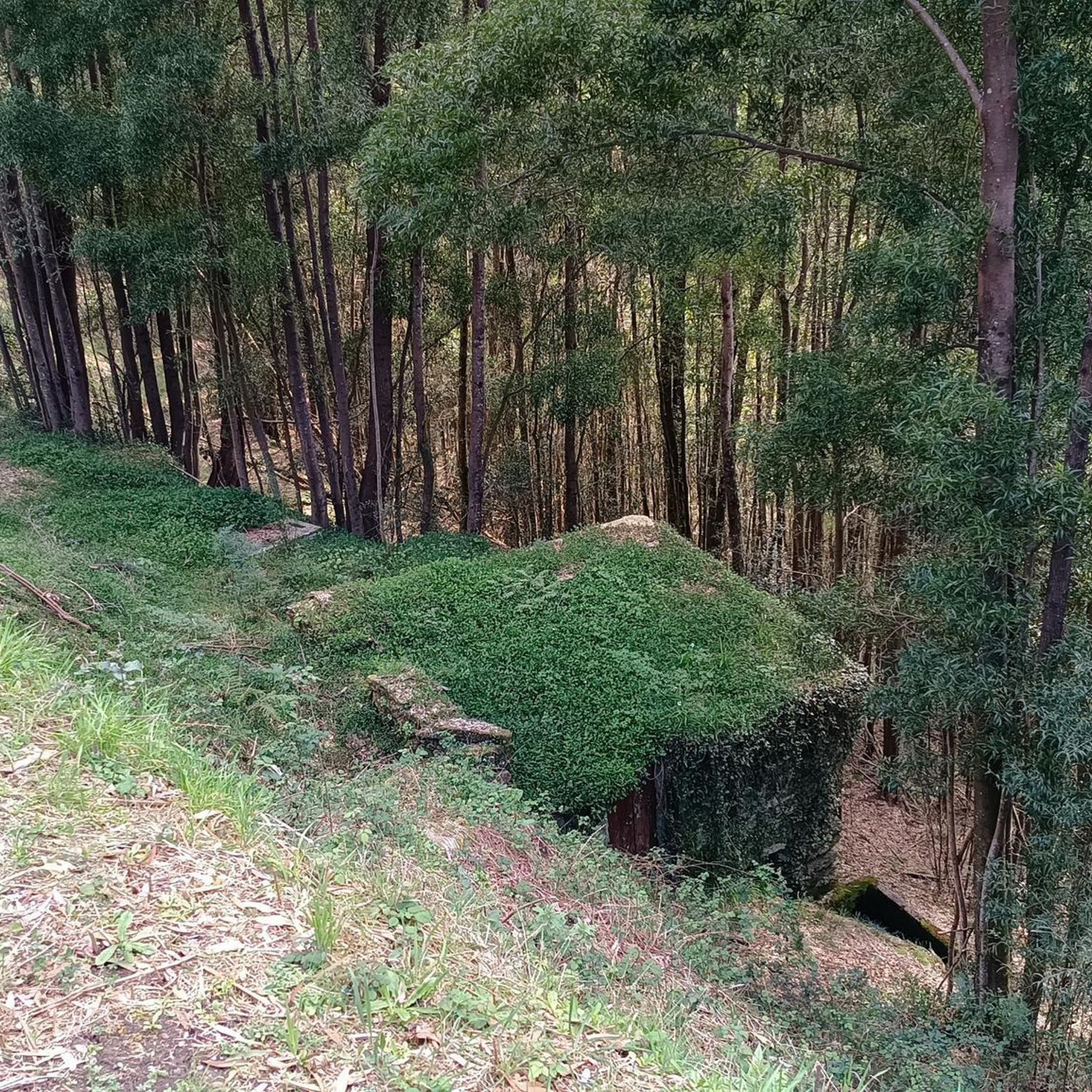
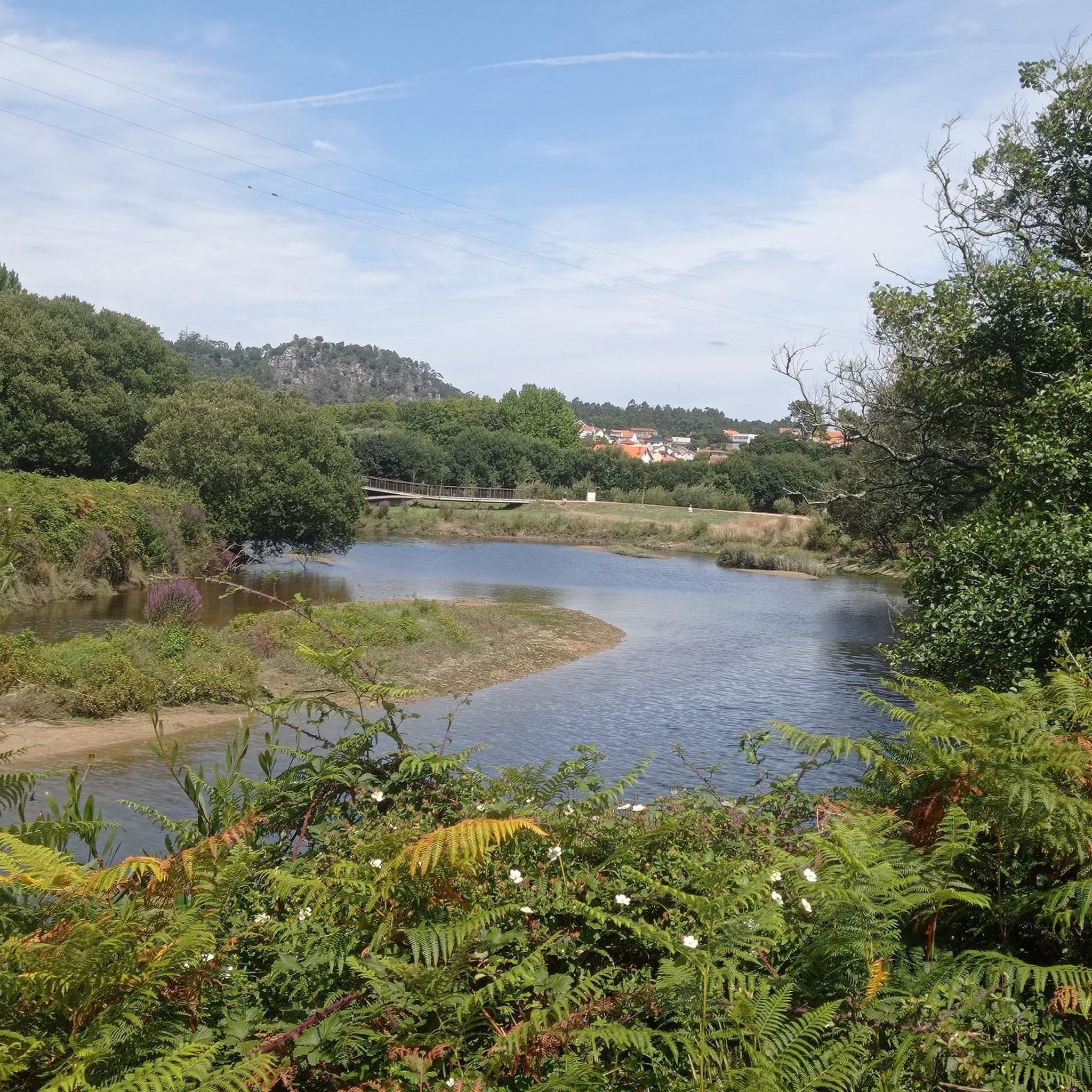
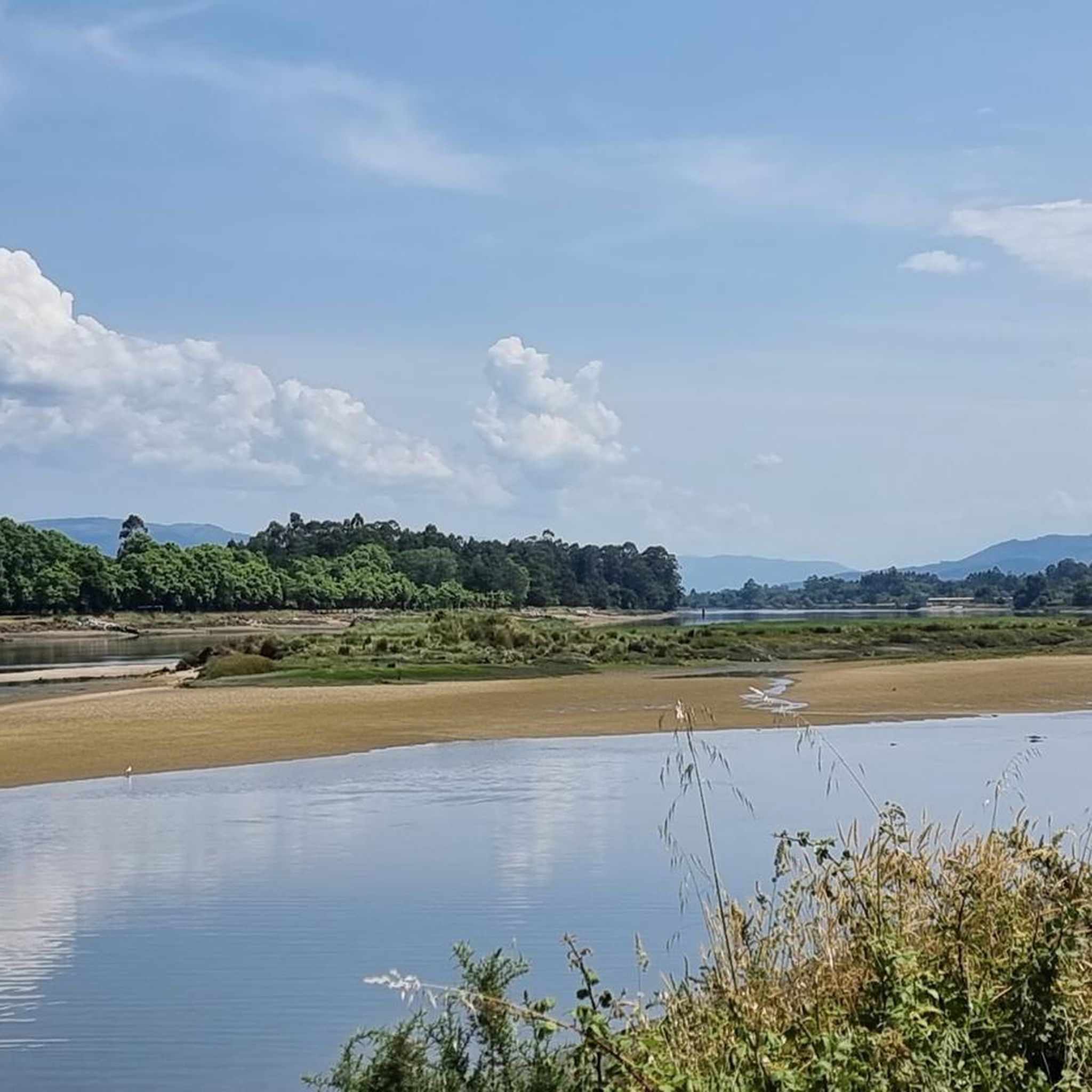

Tips from the Community

Easy ride condition when path is not impacted by rain
0
0

What to Expect Exhibitions: The museum has an exhibition room with various models of handcrafted boats, pieces of sacred art, and costumes related to local fishing life. Temporary exhibitions are frequently updated and related to maritime themes. Historical Building: The museum originated from the restoration project of the ESN building, which in itself is an attraction, also allowing the return of the shipwreck rescue service to the ground floor. Memory Tower: Climbing the tower of the building is worthwhile for panoramic views over the Cávado River estuary and the Esposende coast.
1
0
Practical Information Location: Maritime Rescue Station, Av. Eng. Eduardo Arantes e Oliveira 54, 4740-204 Esposende, Portugal. Contact: Phone: +351 253 964 836. Opening Hours (Winter, subject to change): Monday to Friday: 09:30–12:30, 14:00–17:30. Saturday and Sunday: Closed. Price: Ticket cost varies between €1.75 and €2.50. Website: More information is available on the official website of the Esposende Maritime Museum.
1
0
The Esposende Maritime Museum is housed in a historic building, the Shipwreck Rescue Station (ESN), at Avenida Eng. Eduardo Arantes e Oliveira, 54, in Esposende, Portugal. The museum preserves the memory of the local community's connection to the sea and fishing.
1
0
Key Information Location: Neiva River, on the border of the municipalities of Esposende and Viana do Castelo, Portugal. History: The original bridge was built in 1930 at the behest of the owner of a watermill and a fishing lodge that existed on the site at that time. Renovation: Over time, the bridge suffered damage due to the impact of fallen trees during storms. In 2020, the reconstruction of the bridge was announced, in a project financed in equal parts by the two neighboring municipalities. North Coast Ecovia: The stone bridge (reconstructed or restored) is part of a set of green infrastructures that make up the North Coast Ecovia, a pedestrian and cycle path that enhances the Neiva River estuary and connects the two municipalities, offering a bucolic and tranquil environment for walks. The bridge is a picturesque spot, frequently visited by those traveling along the ecovia, inviting a peaceful stroll and observation of the surrounding nature.
2
0
The Stone Bridge over the Neiva River, also known as Sebastião's Bridge, is a historic bridge that connects the banks of the Neiva River, serving as a border between the municipalities of Esposende (Antas parish) and Viana do Castelo (Castelo do Neiva parish), in Portugal.
2
0
Visit and Accessibility Access: Access to the site is free and open 24 hours a day. Trails and Hiking: The fort is part of the PR7 - Paçô Fort Trail, a pedestrian route that coincides with part of the Camino de Santiago da Costa and allows you to explore the area of the Viana do Castelo Coastal Geopark, passing through landscapes of dunes and cliffs. Beach: Paçô Beach, adjacent to the fort, is a beach with a wide sandy area and rock formations that form natural pools at low tide. Accessibility: There is wheelchair accessible parking nearby.
2
0
Main Characteristics Military Architecture: The fort was built for the purpose of defending the Atlantic coast against maritime attacks. It has a characteristic star-shaped plan and small dimensions. Location: It is located directly on the beach, a few meters from the sea, which can reach its walls during the winter. Its location offers scenic views of the coastline. Current State: The fort is currently in ruins, without functional rehabilitation, and it is not possible to enter the structure. However, the surrounding area is accessible for public visitation.
2
0
Frequently Asked Questions
How many touring cycling routes are available around Mujães?
There are over 40 touring cycling routes in the Mujães region, offering a variety of experiences for different skill levels. These routes explore the diverse landscape, including coastal paths, riverine greenways, and rural areas.
Are there any easy touring cycling routes suitable for beginners or families in Mujães?
Yes, Mujães offers 5 easy touring cycling routes, which are great for beginners or families looking for a relaxed ride. These routes often feature flatter sections, particularly along the water, making them less demanding. For a moderate option that is still accessible, consider the Jardim da Marina – Museum Ship Gil Eannes loop from Santa Marta de Portuzelo, which is 12.6 miles (20.2 km) long.
What kind of terrain can I expect on touring cycling routes in Mujães?
The terrain around Mujães is quite varied. You'll find a mix of coastal paths along the Atlantic, greenways following the Lima River Estuary, and rural roads. While some sections are flat, particularly near the water, many routes also include moderate climbs through the countryside, offering a blend of natural scenery and cultural points of interest.
Are there any circular touring cycling routes around Mujães?
Many of the touring cycling routes in Mujães are designed as loops, allowing you to start and finish at the same point. For example, the challenging Carreço Beach – Ecovia Litoral Norte 🚲 loop from Alvarães is a 61.0 miles (98.2 km) circular route offering extensive coastal views. Another popular loop is the Pilgrim Altar loop from Barroselas, which is 26.5 miles (42.7 km) and takes you through historical sites.
What are some notable landmarks or attractions I can see along the touring cycling routes?
The region around Mujães is rich in historical and natural sights. You can cycle past impressive structures like the Stone Bridge over the Neiva River or the iconic Eiffel Bridge (Ponte Eiffel). Natural highlights include the Rio Neiva Estuary, and for those seeking a unique natural feature, the Waterfalls and Lagoons of the Ribeira de Feitos are also nearby.
What is the best time of year to go touring cycling in Mujães?
The best time for touring cycling in Mujães is generally during the spring (April to June) and early autumn (September to October). During these months, the weather is typically mild and pleasant, with less extreme heat than summer and fewer rainy days than winter, making for ideal cycling conditions along the coast and through the countryside.
Are there any challenging touring cycling routes for experienced riders?
Yes, Mujães offers 21 difficult touring cycling routes for experienced riders seeking a challenge. These routes often feature significant elevation changes and longer distances. A prime example is the Esposende Maritime Museum ⛵ – Marinhas ⛪🏘️ loop from Barroselas, a 36.0 miles (57.9 km) path with coastal scenery and cultural landmarks, known for its demanding sections.
Where can I find scenic viewpoints on the touring cycling routes?
Many routes offer scenic viewpoints, especially those along the coast and the Lima River Estuary. The Shaded Pathway – View of the Lima River Estuary loop from Barroselas is a moderate 22.4 miles (36.0 km) route specifically highlighted for its views of the estuary, providing picturesque vistas of the water and surrounding landscape.
What do other touring cyclists say about the routes in Mujães?
The touring cycling routes in Mujães are highly rated by the komoot community, with an average score of 4.4 stars from over 90 reviews. Cyclists often praise the diverse landscape, the mix of coastal and rural paths, and the well-maintained trails that offer both natural beauty and cultural points of interest.
Are there any hidden gem touring cycling routes in the Mujães area?
While many routes are popular, exploring the less-trafficked rural roads and smaller greenways can reveal hidden gems. Look for routes that venture slightly inland from the main coastal paths to discover quieter villages and serene landscapes. The region's blend of riverine and countryside paths often holds unexpected scenic beauty.
What should I consider bringing for a touring cycling trip in Mujães?
Given the varied terrain and potential for both coastal and rural exploration, it's advisable to bring layers of clothing to adapt to changing weather conditions. Sun protection, sufficient water, and snacks are essential. For longer routes, a basic repair kit and navigation tools are also recommended. Always check the weather forecast before heading out.
Most popular routes around Mujães
Most popular attractions around Mujães

Get inspired with the komoot mobile app


Explore more
Browse the best Cycling routes in other regions.
